Mid-Summer Hummingbird Feeder Hygiene & Pest Control: Hot-Weather Care FAQ
Follow the 3-2-1 Rule: Replace nectar and flush your feeder every 3 days when ambient temperatures stay below 80°F, every 2 days between 80°F and 89°F, and every 1 day (every 24 hours) whenever peak daily heat reaches 90°F or higher. Always sanitize artisan hand-blown glass using a 1:4 distilled white vinegar solution, and isolate the electronic solar cap to keep battery housing completely dry.
Essential Hot-Weather Feeder Rules at a Glance
90°F is the Critical Spoilage Threshold: At or above 90°F, wild yeast blooms exponentially within 18 to 24 hours, producing acetic acid and harmful Candidiasis*-causing fungi.
- Isolate Solar Electronics: Never submerge or hose down the solar LED lid. Wipe the top panel and battery seal with a damp microfiber cloth to preserve its 8-hour RGB lighting capability.
- Protect Artisanal Glass from Thermal Shock: Hand-blown glass formed at 2,300°F will micro-fracture or shatter if washed with boiling water. Stick to lukewarm or cool tap water rinses.
- Eliminate Pests Without Chemicals: Stop bees and yellow jackets by hanging leak-proof, sealed-base feeders, wiping ports daily, and maintaining a strict 1:4 refined sugar ratio (never sweeter).
- Zero Petroleum Jelly on Hanging Hardware: Greasing hooks to block ants gets onto bird feathers, destroying their flight capability and thermal insulation.
Summer Nectar Fermentation Timeline & Heat Thresholds
- 70°F–79°F (Hours 0–72) — Wild yeasts replicate slowly; sucrose solution remains fresh and stable up to 72 hours under partial shade.
- 80°F–89°F (Hours 0–48) — Fermentation accelerates noticeably by hour 36. Alcohol levels rise, altering nectar scent and driving away scouting hummingbirds.
- 90°F–99°F (Hours 0–24) — Microscopic yeast blooms explode within 18 hours. Cloudiness appears, and fungal filaments begin forming on internal base threads.
- 100°F+ (Hours 0–12) — Rapid fermentation occurs in under 12 hours. Toxic black mold (Cladosporium) sprouts inside port micro-cracks, posing extreme health risks.
Daily & Weekly Summer Hygiene Routine
- Daily Morning Inspection (8:00 AM) — Check the 32 fl. oz. translucent glass reservoir for cloudiness or floating black specks. Wipe port surfaces with cold water to remove overnight sugar droplets.
- 24-to-48 Hour Nectar Replacement — Dump unconsumed sugar water. Rinse the glass bottle thoroughly with cool tap water and refill with fresh, pre-chilled 1:4 sucrose solution.
- Weekly Deep Sanitization — Unscrew the plastic solar top cap and set it aside dry. Scrub the hand-blown bottle and anti-rust metal base with a 1:4 white vinegar solution using a small bottle brush.
- Bi-Weekly Mold Elimination Flush — Inspect artisan glass curves for stubborn black mold spores. Soak the glass bottle only in 3% hydrogen peroxide for 15 minutes, then rinse copiously.
Pro Tip: Preserving Hand-Blown Glass and Solar Modules
Handcrafted glass reservoirs are shaped at an intense 2,300°F by master artisans, giving each feeder its unique color patterns and translucent elegance. However, sudden extreme temperature shifts (like pouring boiling water into a bottle brought in from a 95°F garden) cause immediate thermal shock, leading to hairline cracks.
When cleaning your solar glass feeder, always allow the bottle to adjust to room temperature first, then rinse with lukewarm water. To clean the upper solar panel that powers your nighttime RGB LED show, hold the plastic cap in one hand and gently wipe the top casing with a slightly damp microfiber cloth. Never submerge the solar cap or run it through a dishwasher, as water ingress will corrode the rechargeable lithium battery terminals.
Top 5 Mid-Summer Cleaning & Pest Defense Mistakes
Avoid these frequent mid-summer missteps that endanger bird health or destroy your decorative garden feeder:
Side-by-Side Mid-Summer Feeder Troubleshooting
| Issue & Symptom | Root Cause | Avian-Safe Solution | What NOT To Do |
| --- | --- | --- | --- |
| Nectar turns cloudy within 24 hours; tiny black specks on ports. | Wild yeast fermentation accelerated by temperatures over 85°F. | Switch to 24-hour flush cycle. Soak glass bottle in 3% hydrogen peroxide for 15 minutes and rinse thoroughly. | Do not add bleach or household disinfectant sprays to the bottle. |
| Yellow jackets and honeybees swarming feeding ports. | Sugar drips on external metal base or nectar ratio prepared too sweet. | Wipe metal base daily with cold water. Ensure strict 1:4 sugar ratio. Move feeder 10–15 feet into full shade. | Do not spray insect repellents, wasp sprays, or peppermint oil near ports. |
| Ant trails streaming down hanging wire into nectar ports. | Missing physical water barrier above solar cap. | Install a dedicated hanging water ant moat 6 inches above the solar cap. Keep moat filled with clear water. | Do not coat wires with petroleum jelly, motor oil, or double-sided tape. |
| RGB solar light fails to illuminate at night after full sun. | Solar panel surface coated in dust/pollen or battery switch turned off. | Wipe solar cap lens with a damp microfiber cloth. Verify the bottom switch is toggled ON under the cap. | Do not leave the solar cap submerged in water to soak off dirt. |
Diagnose common mid-summer garden feeder challenges quickly with these side-by-side avian-safe remedies.
Temperature vs. Nectar Fermentation Speed Chart
| Temperature Range | Fermentation Risk Level | Max Safe Nectar Duration | Recommended Cleaning Agent |
| --- | --- | --- | --- |
| Under 75°F | Low Risk | 4 to 5 Days | Hot Water Rinse + Bottle Brush |
| 75°F to 84°F | Moderate Risk | 3 Days | 1:4 White Vinegar Solution Rinse |
| 85°F to 94°F | High Risk | 2 Days (48 Hours) | 1:4 White Vinegar Scrub + Port Brush |
| 95°F and Above | Extreme Risk | 1 Day (24 Hours) | 3% Hydrogen Peroxide Flush / Daily Hot Water Flush |
Plan your summer cleaning schedule according to peak ambient temperatures in your regional climate.
Mid-Summer Hygiene & Pest Defense Essentials
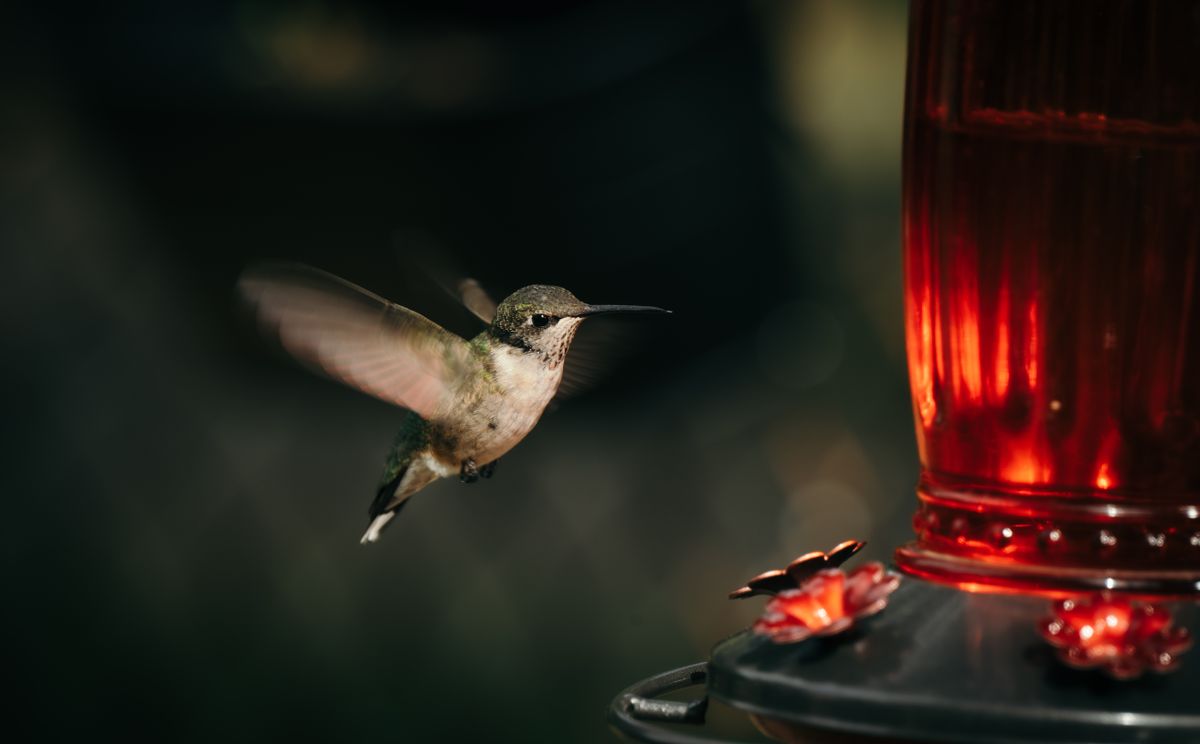
Combining hand-crafted beauty with practical outdoor durability makes maintaining your garden bird haven effortless.
Regional Heatwave Adjustments across the US
Hummingbird care requires regional adjustments across North America during the peak summer migration months of July and August:
- Humid Southeast (FL, GA, TX Gulf Coast): High ambient humidity combined with 90°F+ heat creates prime conditions for rapid fungal mold growth. Fill your 32 oz feeder only halfway (16 oz) to minimize sugar waste, and hang under deep porch eaves.
- Arid Southwest (AZ, NM, NV, Inland CA): Temperatures frequently top 100°F with single-digit humidity. Nectar evaporates rapidly through feeding ports, raising sugar concentration and attracting yellow jackets. Shift feeders into complete afternoon shade and replace solution every morning at sunrise.
- Moderate Northern & Midwest States (OH, PA, WA, OR): While daytime highs hover between 78°F and 85°F, sudden mid-summer heatwaves can catch gardeners off guard. Keep an eye on local forecasts and immediately switch to a 48-hour cleaning cycle when temperatures cross 80°F.
The 5-Minute Mid-Summer Feeder Sanitization Checklist
- [ ] Unscrew and isolate the plastic solar top cap; wipe clean with a slightly damp microfiber cloth (never submerge).
- [ ] Discard all leftover or cloudy sugar water from the glass reservoir into the sink.
- [ ] Rinse the hand-blown glass bottle with lukewarm tap water to avoid thermal shock.
- [ ] Scrub internal glass curves and feeder ports using a narrow bottle brush dipped in a 1:4 white vinegar-water solution.
- [ ] Rinse the coated metal base and glass bottle thoroughly with cold water until no vinegar aroma remains.
- [ ] Air dry completely on a clean towel before refilling with fresh, pre-chilled 1:4 white sugar nectar.
Frequently Asked Questions: Summer Care & Insect Defense
Clear up mid-summer care confusion with these authoritative answers to essential solar feeder maintenance questions.
Your Mid-Summer Action Plan
Your decision: Transition to a temperature-indexed 3-2-1 cleaning routine immediately whenever daily highs exceed 80°F.
Do this next: Inspect your feeder's ports for black mold specks today, switch to a 1:4 white vinegar cleaning flush, install a hanging water ant moat, and keep solar electronics completely dry during rinses.
- Read next: Best Ant Moats for Hummingbird Feeders: Built-in vs. Hanging Hooks
🌟 LUJII Hand-Blown Solar Hummingbird Feeder with 32 oz See-Through Glass and Rust-Proof Metal Base 🌟
Take immediate action today to safeguard your resident hummingbirds from summer heat hazards.
Explore Further Seasonal Care Guides
Provide contextual outbound internal links to cluster articles.
Cover photo by Chris F on Pexels.