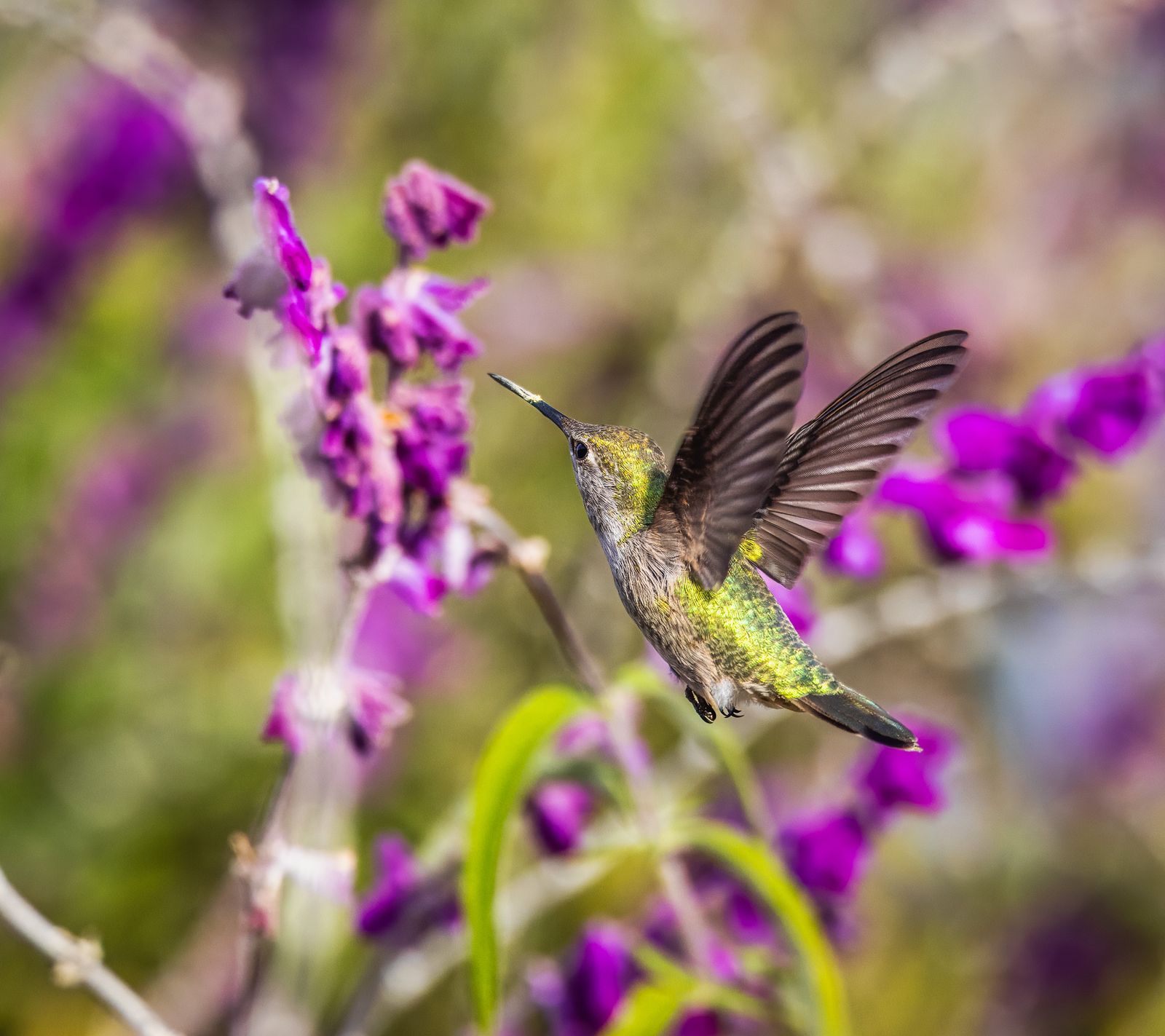
US Hummingbird Migration Map: Spring & Fall Schedules by State
2 weeks before historical average arrival dates—or when consistent spring temperatures cross 50°F—is the exact time to hang your hummingbird feeder. In the United States, migration progresses northward at 25 miles per day, beginning March 1 along the Gulf Coast and reaching northern border states by May 15. Placing clean feeders out 14 days early ensures exhausted scout birds find vital 4:1 sugar-water nectar calories upon arrival.
Core Takeaways for North American Hummingbird Migration
- 14 Days Early: Hang feeders 2 weeks prior to your state's median arrival date to capture early migratory scouts.
- 50°F Isotherm Trigger: Northward flight follows the 50°F daily average temperature line as insects and early flowers emerge.
- 4:1 Nectar Recipe: Mix 4 parts water with 1 part refined white sugar; avoid red dye, honey, or artificial additives.
- Daylight Controls Migration: Feeders never trap birds in autumn—shortening daylight triggers south-bound travel, so keep feeders up 14 days past the last sighting.
- Twilight Feeding Support: Solar-powered RGB illuminated glass feeders help dusk and dawn migrants spot food during critical low-light feeding windows.
Temperature Triggers: The 50°F Nectar Threshold
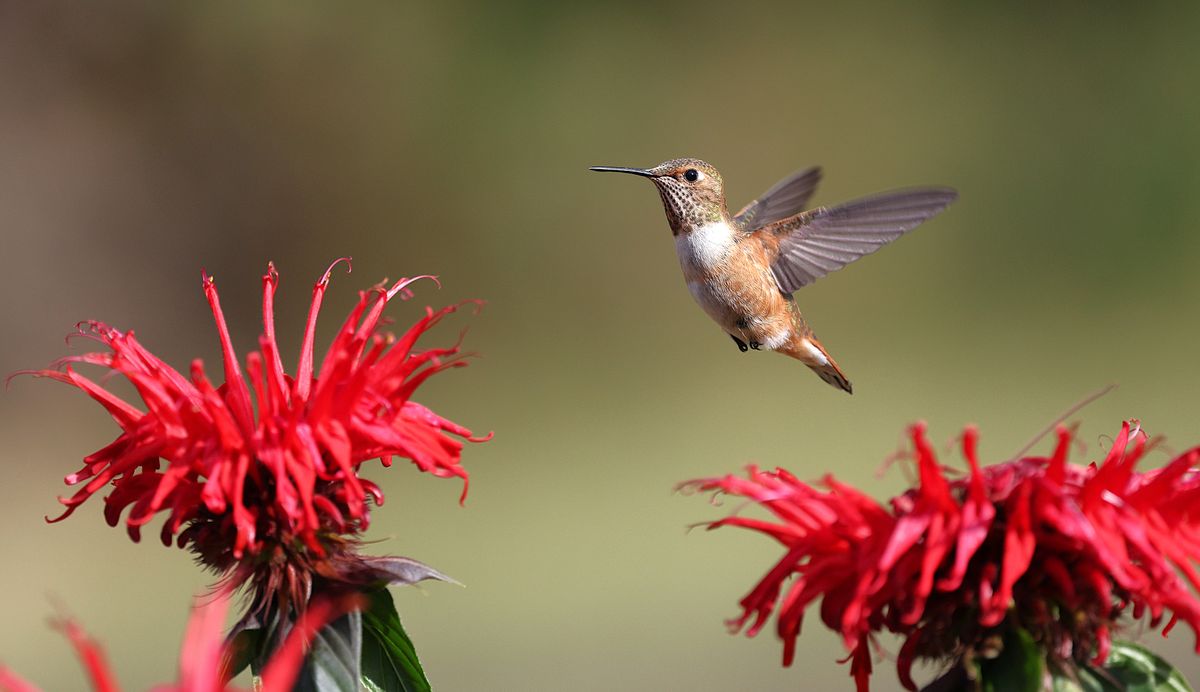
Photo by Veronika Andrews on Pexels
Hummingbird spring migration across North America does not follow a strict calendar; it follows a temperature contour. When local daily mean air temperatures consistently reach 50°F (10°C), tree sap begins to flow, gnats and small spiders emerge, and early flowering plants uncurl. Migrating hummingbirds track this 50°F line northward at an average speed of 20 to 25 miles per day.
In early spring, overnight air temperatures across Central and Northern states frequently drop into the 35°F–42°F range. Hummingbirds survive these cold nights by entering torpor—a state of deep metabolic slowdown where their body temperature drops from 104°F down to near ambient levels and their heart rate slows from 1,200 beats per minute to fewer than 50. When they awaken at dawn, their fat reserves are dangerously depleted. Having a fresh, ungelled 4:1 nectar solution available at first light gives these tiny travelers immediate calorie absorption to fuel their morning flights.
Regional Migration & Feeder Prep Matrix
| Geographic Zone | Latitude Range | Spring Arrival Window | Target Feeder Hang Date | Autumn Departure Window |
| --- | --- | --- | --- | --- |
| Zone 1: Deep South & Gulf Coast (TX, LA, MS, AL, FL, GA) | 25°N – 32°N | February 15 – March 15 | February 1 | October 15 – November 15 |
| Zone 2: Mid-Latitude & Heartland (NC, VA, KY, OH, IL, MO, KS) | 32°N – 40°N | March 15 – April 15 | March 1 | October 1 – October 31 |
| Zone 3: Northern Tier & Lakes (NY, PA, MI, WI, MN, MT, ME) | 40°N – 49°N | April 15 – May 15 | April 1 | September 15 – October 15 |
| Zone 4: Pacific Coast Corridor (CA, OR, WA) | 32°N – 48°N | Year-round (Anna's) / March 1 (Rufous) | February 15 | October 1 – November 30 |
Use this state-tier matrix to cross-reference your geographic latitude, expected spring arrival window, target feeder hang date, and autumn take-down timeline.
Expert Dusk & Dawn Prep for Early-Spring Migrants
Early-season migratory scouts often land during the low-light hours of late dusk or early dawn, when temperatures are lowest and visibility is dim. Standard plastic or clear glass feeders blend into dark foliage, making them difficult for exhausted birds to spot.
Using a hand-blown glass feeder featuring a solar-powered LED cap provides up to 8 hours of ambient RGB light after a full day's solar charge. Crafted at 2,300°F by skilled glass artists, the colorful translucent reservoir glows gently at twilight. This illumination acts as a visual beacon for birds making late dusk arrivals, letting them fuel up on high-energy nectar before roosting for the night.
US Hummingbird Arrival & Feeder Date Estimator
This interactive tool estimates your local spring arrival window and ideal feeder setup schedule based on state-level migration tracking data and elevation adjustments.
Annual Migration & Nectar Supply Calendar
| Month | Migratory Phase | Regional Activity | Feeder & Garden Action |
| --- | --- | --- | --- |
| March | Spring Northbound Wave | Scouts arrive along Gulf Coast and South; flight speed averages 25 miles/day. | Hang clean 32 oz feeders filled with 4:1 nectar; activate solar RGB lighting caps. |
| April | Mid-Latitude Surge | Ruby-throated and Rufous expand across Central and Western flyways; territorial disputes begin. | Inspect leak-proof sealed bases; refresh nectar every 3 to 4 days during warm spells. |
| May – July | Breeding & Nesting Season | Females build nests and rear chicks; heavy reliance on nectar and small protein insects. | Maintain multiple feeders spaced 15 feet apart to reduce dominant male aggression. |
| August – September | Fall Southbound Staging | Hyperphagia begins; birds double body mass (up to 6.0 grams) to store migratory fat. | Keep feeders 100% full; monitor translucent hand-blown glass levels daily. |
| October – November | Late Straggler Window | Final southbound push finishes; late-hatched juveniles and stragglers pass through. | Leave feeders up 14 days past last sighting; deep clean metal and glass parts before storage. |
Track the annual cycle of migratory flights, breeding behavior, and backyard feeder maintenance tasks across North America.
North American Hummingbird Species & Their Major Flyways
| Species | Primary Flyway Corridor | Spring Arrival Range | Fall Departure Range | Key Identification Feature |
| --- | --- | --- | --- | --- |
| Ruby-throated (Archilochus colubris) | Atlantic & Mississippi Flyways | March 1 (South) – May 10 (North) | September 15 – October 31 | Emerald green back with brilliant iridescent ruby throat patch on adult males. |
| Rufous (Selasphorus rufus) | Pacific & Central Flyways | February 15 (NW) – May 1 (AK) | August 15 – October 15 | Bright orange-rufous plumage; extraordinary long-distance traveler up to 3,900 miles. |
| Black-chinned (Archilochus alexandri) | Central & Mountain West Flyways | March 15 – April 30 | September 1 – October 15 | Matte black throat gorget bordered below by a metallic violet iridescent stripe. |
| Anna's (Calypte anna) | Pacific Coast Corridor | Year-Round Resident / Feb movement | Resident / Minor altitude shifts | Iridescent magenta-pink crown and gorget; extremely cold-hardy winter feeder visitor. |
| Broad-tailed (Selasphorus platycercus) | Rocky Mountain Corridor | April 15 – May 15 | August 30 – October 1 | Rose-pink gorget; adult males produce a distinct trilling metallic whistle with wings in flight. |
Explore the five most common North American migratory species, their travel corridors, and seasonal schedules.
The 5-Month Spring Migration Sequence: Gulf Coast to Canada
- February 1 – February 28 — Gulf Coast Staging: Ruby-throated hummingbirds assemble along Yucatan beaches and complete the 500-mile, 18-hour nonstop flight across the Gulf of Mexico, landing exhausted on U.S. shores.
- March 1 – March 31 — Southern Tier Expansion: Migrants advance across Texas, Louisiana, Georgia, and the Carolinas at 20 to 25 miles per day, following the 50°F temperature line.
- April 1 – April 30 — Heartland & Mid-Atlantic Progression: Central and Eastern flyways fill with active territory scouts. Rufous hummingbirds reach northern Oregon and Washington.
- May 1 – May 31 — Northern Tier & Canadian Border Arrival: High-latitude breeding sites across Maine, Minnesota, Montana, and southern Canada reach peak arrival density.
- August 1 – October 31 — Southbound Fall Return: Shortening autumn photoperiods trigger hyperphagia. Birds feed intensely, doubling weight from 3.2g to 6.0g before departing south.
Flyway Comparison: Atlantic vs. Mississippi vs. Central vs. Pacific
| Flyway Corridor | Dominant Species | Primary Terrain Obstacles | Average Daily Speed | Peak Arrival Window |
| --- | --- | --- | --- | --- |
| Atlantic Flyway | Ruby-throated Hummingbird | Appalachian Mountains, Atlantic Coastline | 25 miles per day | April 15 – May 5 |
| Mississippi Flyway | Ruby-throated Hummingbird | Gulf of Mexico (500-mile nonstop sea crossing) | 25 miles per day | April 1 – April 25 |
| Central / Mountain West | Rufous, Black-chinned, Broad-tailed | High-elevation mountain passes (8,000+ ft), arid deserts | 20 miles per day | April 20 – May 15 |
| Pacific Flyway | Rufous, Anna's, Allen's, Calliope | Cascade & Sierra Nevada ranges, coastal headwinds | 30 miles per day | March 1 – April 15 |
Compare the flight characteristics, geographic obstacles, and travel speeds across North America's four primary migratory corridors.
Best Feeders to Welcome Migrating Hummingbirds at Dusk
When setting up your yard for spring migrants, choosing a high-capacity, weather-resistant feeder ensures birds find reliable nectar from early morning through twilight hours.
The LUJII Solar-Powered Hummingbird Feeder combines artistic elegance with field-tested functionality:
- Hand-Blown Glass Artistry: Each 32 fl. oz. reservoir is individually handcrafted at 2,300°F, creating translucent, colorful glass patterns that make nectar level monitoring effortless.
- Solar-Powered RGB Lighting: An automatic solar cap charges during the day and lights up at dusk for up to 8 hours, featuring multiple RGB lighting modes that transform your garden into an inviting twilight sanctuary.
- Leak-Proof & Durable Construction: Features a slender, drip-resistant sealed base and an anti-rust coated metal foundation built to withstand rain, wind, and late spring snow snaps.
State-by-State Feeder Action Plan
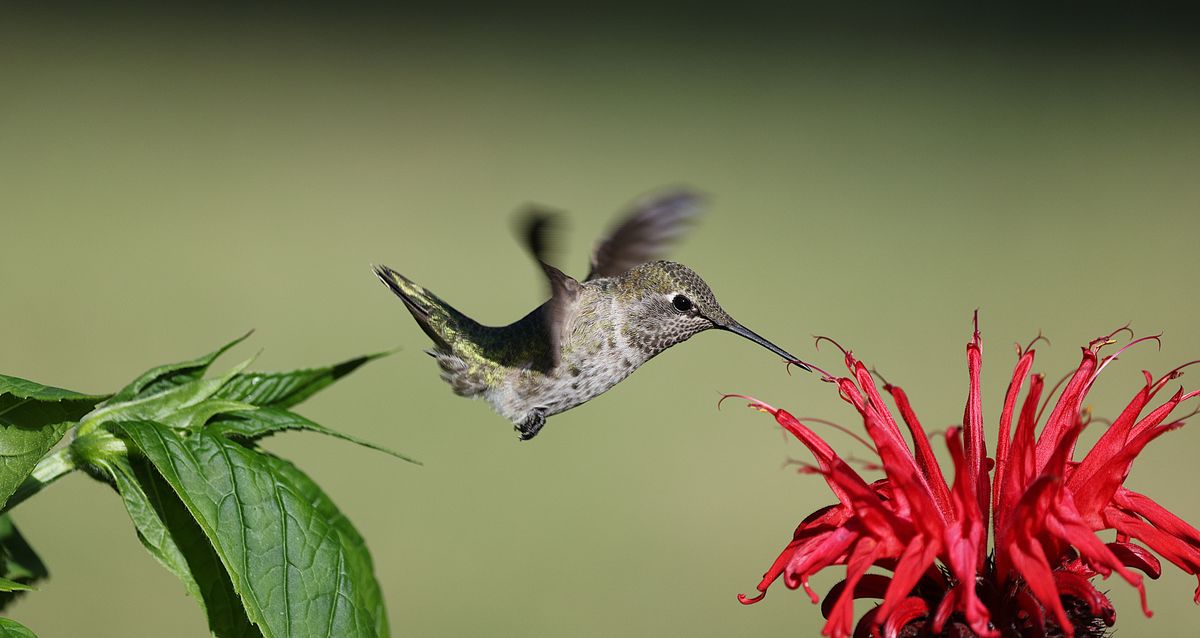
Photo by Veronika Andrews on Pexels
- Deep South & Gulf Coast (TX, LA, MS, AL, FL, GA) — Hang feeders by February 1. Post-trans-Gulf migrants land thoroughly exhausted; offer 32 oz capacity hand-blown glass feeders near natural shrub shelter to accommodate high initial flock density.
- Mid-Atlantic & Midwest (OH, IL, PA, VA, MO, NC) — Hang feeders by March 15. Spring weather shifts rapidly; position feeders where morning sunlight warms the nectar and inspect bases after severe rainfall.
- Mountain West & High Elevation (CO, UT, WY, MT, NM) — Hang feeders by April 1. Elevation delays natural green-up by ~3 days per 1,000 ft; place solar-illuminated feeders in areas shielded from harsh mountain gusts.
- Pacific Northwest & West Coast (CA, OR, WA) — Keep feeders active year-round for resident Anna's hummingbirds, and clean all feeding ports by February 15 ahead of northbound Rufous waves.
Action Plan: Preparing Your Yard for the Migration Wave
Your decision: Determine your state's arrival zone and target feeder setup date.
Do this next: Clean and fill your hand-blown glass feeder 10-14 days prior to estimated arrival, placing it in a sheltered area visible to early morning and late dusk scouts.
- Read next: Hot Weather Nectar Ratios: How to Keep Hummingbird Food Fresh in Summer
- Read next: Do Hummingbirds Feed at Night? Understanding Dusk Behavior Around Illuminated Feeders
LUJII Solar-Powered Hand-Blown Glass Hummingbird Feeder for enhanced dusk visibility.
Follow this step-by-step checklist to ensure your outdoor space is ready before the first scouts arrive in your area.
Selecting Your Regional Feeder Setup Strategy
Match your feeder selection and setup timeline to your geographic region's migration volume and early spring low-light feeding needs.
Best choice for
- 32 oz High-Capacity Hand-Blown Glass Feeder — Prevents rapid nectar depletion when large migrant flocks land simultaneously after long flights.
- Solar-Illuminated Glass Hummingbird Feeder — Provides low-light visual guidance during 35°F–50°F early morning and late dusk feeding windows.
- Taking down feeders early in autumn out of fear of stopping migration; daylight length triggers migration, not feeder availability.
- Multiple 16 oz or 32 oz feeders spaced 15 feet apart — Prevents dominant male birds from monopolizing a single feeding station during peak spring arrival weeks.
Real-World Migration Scenarios & Weather Delays
Late Spring Cold Snap (Temperatures Drop Below 35°F) — Bring feeders indoors overnight to prevent nectar from slushing or freezing. Rehang them outside 15 minutes before dawn so early morning scouts get immediate high-energy calories.
High Feeder Bullying & Territorial Aggression — Space two or three hand-blown glass feeders 15 to 20 feet apart, around corners, or out of direct line of sight so subordinate females and young birds can feed undisturbed.
Lingering Stragglers in Late October or Early November — Maintain clean 4:1 nectar in your feeders until 14 days after your last sighting. Leaving feeders up provides crucial fuel for late-hatched juveniles and does not delay their natural migration instinct.
Here is how to handle unexpected weather shifts and unusual bird behaviors during spring and autumn migration windows.
Frequently Asked Questions About US Hummingbird Migration
Find clear answers to common questions about feeder setup dates, winter feeding myths, and migratory flight habits.
Explore Related Hummingbird Guides
Expand your knowledge with these related behavioral, feeding, and garden lighting guides:
- Hot Weather Nectar Ratios: How to Keep Hummingbird Food Fresh in Summer
- Do Hummingbirds Feed at Night? Understanding Dusk Behavior Around Illuminated Feeders
- Hand-Blown Glass vs. Plastic Hummingbird Feeders: Which Elevates Your Garden Experience?
- How to Hang Your Solar Hummingbird Feeder to Block Ants and Crawling Insects
Final Preparation Checklist
Your decision: Finalize your state's spring arrival date and feeder setup schedule.
Do this next: Hang your clean, filled LUJII solar glass feeder 14 days before expected arrival to welcome early scouts.
- Read next: Hot Weather Nectar Ratios: How to Keep Hummingbird Food Fresh in Summer
LUJII Solar-Powered Hand-Blown Glass Hummingbird Feeder
Prepare your backyard sanctuary for this season's migratory wave by hanging a clean, solar-illuminated feeder two weeks ahead of schedule.
Cover photo by Robert So on Pexels.