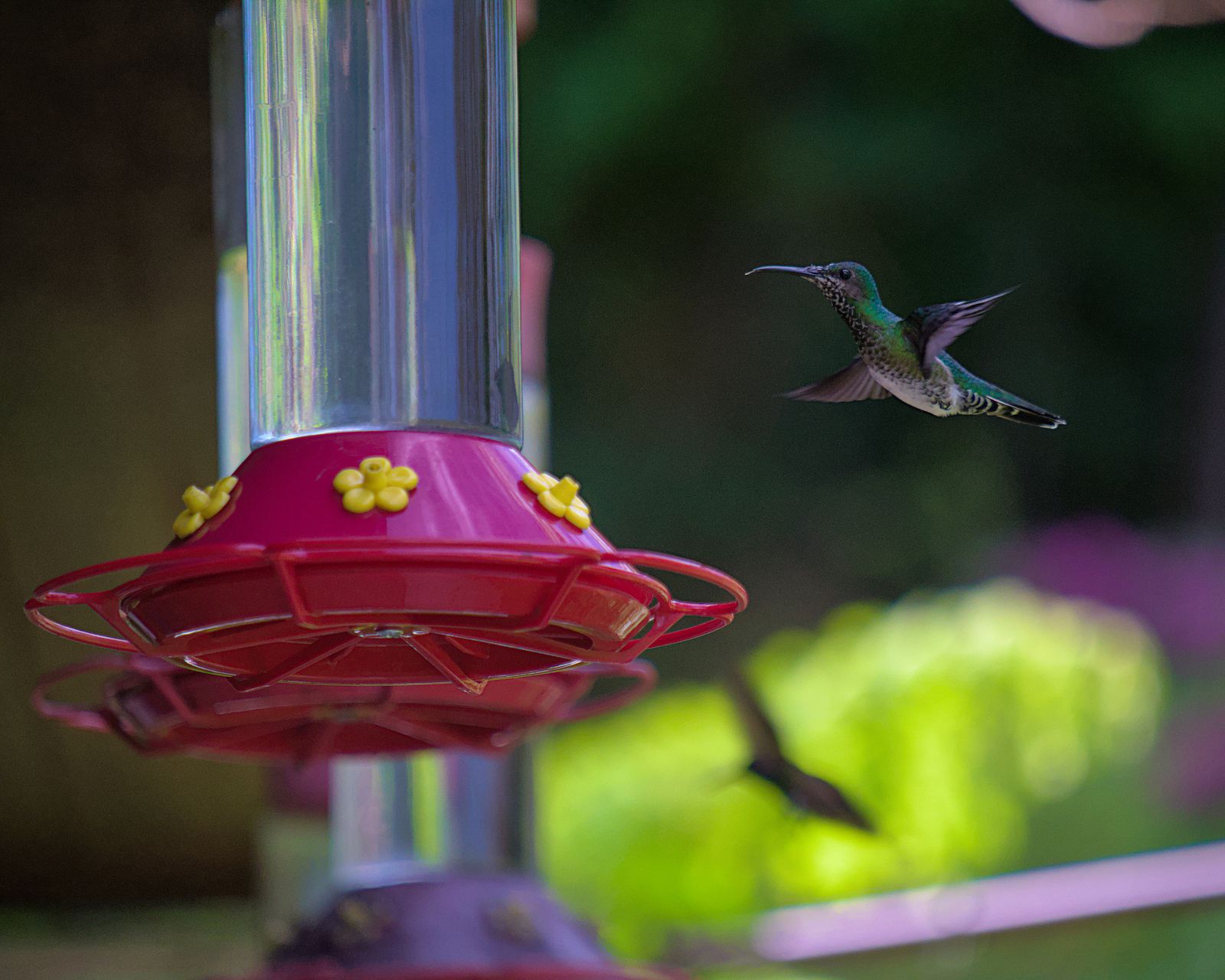
How to Maintain Anti-Rust Solar Garden Lights & Feeders: Safe Cleaning Checklist
How do you clean accumulated nectar, sap, and outdoor grime from an anti-rust metal light base without stripping its protective finish or shorting the solar electronics? Clean monthly with warm water and a few drops of mild dish soap using a soft microfiber cloth. Avoid harsh chemical solvents, wire brushes, or submersion. Always shield the solar housing cap, rinse gently with a damp cloth, and dry completely to prevent trapped moisture.
Step-by-Step Metal Base Cleaning Checklist
- [ ] Unplug or switch off solar light cap prior to cleaning
- [ ] Inspect metal base for sticky nectar spills or organic debris
- [ ] Prepare warm water mixed with a few drops of mild dish soap
- [ ] Wipe metal surfaces gently using a non-abrasive microfiber towel
- [ ] Keep liquid away from solar cap gasket seals
- [ ] Rinse metal base with clean water using a damp soft cloth
- [ ] Towel dry completely to eliminate standing water in crevices
- [ ] Inspect anti-rust finish for minor chips or scratches
- [ ] Reassemble components securely
Quick Care Summary & Printable Cleaning Reference
- Frequency: Wipe down metal base bi-weekly in peak summer; perform deep clean monthly.
- Cleaning Agent: Warm water + 2 drops mild liquid dish soap (no bleach, ammonia, or vinegar on metal).
- Tools: Microfiber cloth, soft cotton rag, soft-bristled detail brush for crevices.
- Solar Rules: Never submerge the solar cap; wipe top solar glass with damp cloth only.
- Drying: Always hand-dry thoroughly with a dry towel—do not leave metal to air-dry in humid sun.
Expert Care Tip: Protecting Solar Seals & Wildlife
The Two Golden Rules of Solar Decor Preservation
When caring for multi-material garden accents like hand-blown glass and powder-coated metal, failure modes usually stem from two avoidable mistakes: caustic cleaning agents and high-pressure water entry.
> Pro Tip: Treat the anti-rust metal base and the solar cap as two distinct systems. Use your mild soap bath exclusively for the metal perch and hand-blown glass reservoir. For the solar panel cap, use only a tightly wrung, damp microfiber cloth to gently buff away dust and pollen. Keeping liquid off the rubber gasket seal prevents moisture from penetrating the RGB lighting housing, ensuring your garden glows reliably for up to 8 hours every night.
Troubleshooting Anti-Rust Failure Modes & Base Wear
| Failure Scenario / Symptom | Root Cause Analysis | Immediate Corrective Action | Long-Term Prevention Strategy |
| --- | --- | --- | --- |
| White chalky film on metal base | Hard water mineral deposits or dried sugar residue | Wipe with warm water and a soft microfiber cloth; buff dry immediately | Avoid spraying with garden hoses; dry thoroughly after rain or cleaning |
| Minor scratch or nick exposing raw metal | Accidental impact from tree branches or garden tools | Clean area, dry 100%, and dab clear exterior rust-inhibiting paint | Hang feeder with adequate clearance from hard structures |
| Solar lights flicker or stay dark | Water breach past cap gasket or dirty solar glass panel | Wipe top glass clean; ensure cap is seated tightly; dry housing if damp | Never submerge solar cap in water buckets during maintenance |
| Sticky nectar buildup in base crevices | Overfilling 32 oz reservoir or tipping during high winds | Soak base in warm soapy water (cap removed); scrub with soft brush | Fill reservoir to recommended mark and use sturdy mounting hooks |
If you notice sticky sugar accumulation, cloudy solar panels, or unexpected finish wear, use this scenario guide to diagnose the root cause and apply safe fixes immediately.
Next Steps for Outdoor Lighting Maintenance
Your decision: Inspect your outdoor solar illuminations for surface nectar or moisture build-up today.
Do this next: Wipe down the anti-rust metal base with warm soapy water, avoiding high-pressure water near the solar housing cap.
- Read next: Summer Storm Protection: Weatherproofing Your Glass Solar Hummingbird Feeder Setup
- Read next: Hand-Blown Glass Solar Hummingbird Feeders: A Buyer's Guide to Artisan Garden Lighting
🌟 LUJII Solar-Powered Hummingbird Feeder 🌟 featuring anti-rust metal base and hand-blown glass art.
Ready to keep your garden sanctuary glowing bright and welcoming your feathered visitors?
Key Takeaways for Long-Term Solar Base Preservation
- Mild Dish Soap Only: Avoid harsh chemical cleaners, bleach, or acidic vinegar on anti-rust coated metal bases.
- Zero Submersion for Electronics: Never dunk the top solar cap; clean it with a damp cloth only.
- Thorough Drying is Essential: Hand-dry all metal joins and crevices to prevent water spots and rust traps.
- Routine Inspection: Check the powder coating for chips or nicks every time you refill nectar.
- Safe Winterization: Bring metal decor indoors during hard freezing weather to prevent freeze-thaw finish stress.
Seasonal Base Maintenance Schedule
- Spring Setup — Inspect anti-rust coating for winter storage wear. Clean solar panel top glass and replace rechargeable battery if solar runtime drops below 6 hours.
- Summer Peak (Bi-Weekly) — Wipe down metal perches with warm soapy water every 3–5 days during nectar refills to eliminate sugar spills that attract ants or degrade coatings.
- Autumn Transition — Perform deep cleaning of glass art and metal base. Touch up any minor scratches using a clear rust-inhibiting outdoor touch-up pen.
- Winter Storage — Before hard freezes arrive, dry all components thoroughly, remove batteries for long storage, and store indoors in a dry, temperate space.
Common Cleaning Pitfalls That Ruin Anti-Rust Coatings
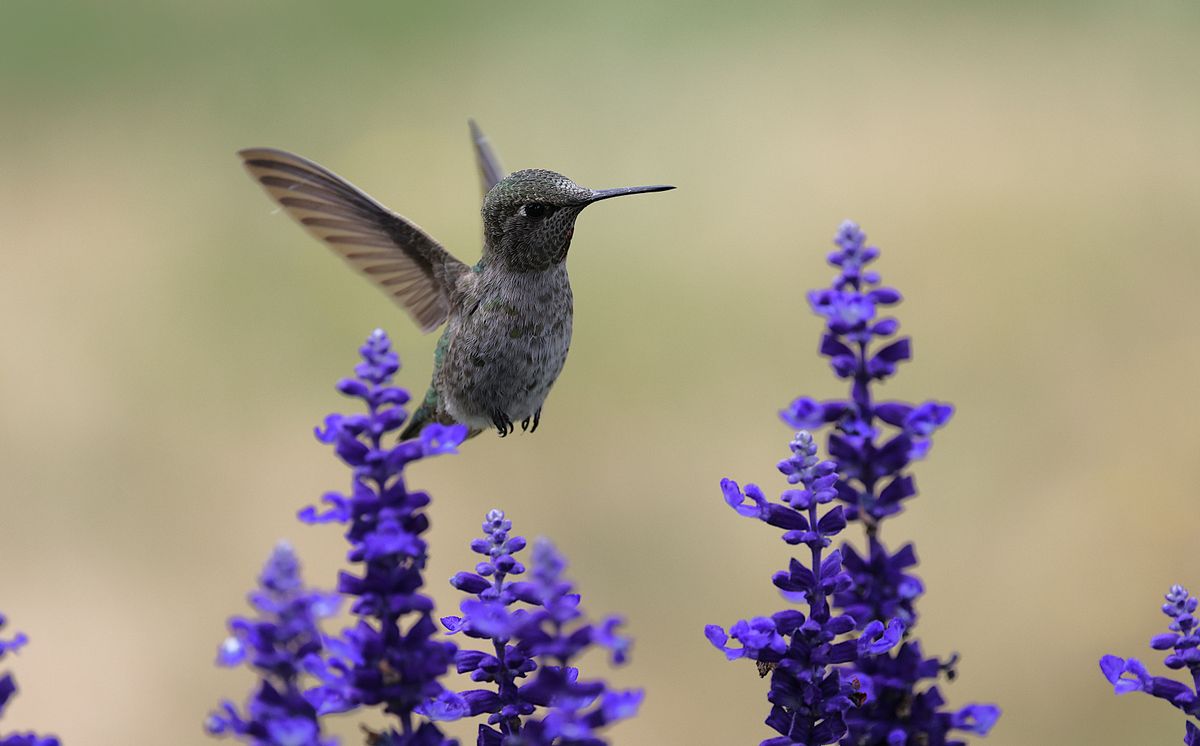
Photo by Veronika Andrews on Pexels
Even well-meaning garden lovers can accidentally compromise their feeder's anti-rust coating. Watch out for these four frequent maintenance errors:
Lifespan Timeline of Anti-Rust Coated Metals
- Year 1: Factory Perfection — Coating is completely hydrophobic. Maintain monthly soft-cloth wipe downs and avoid scratch-inducing tools.
- Years 2–3: Environmental Exposure — UV rays and rain test the finish. Inspect seams and perches biannually; touch up microscopic nicks immediately.
- Years 4–5+: Long-Term Resilience — With proper winter indoors storage and gentle cleaning, powder-coated metal retains structural integrity and vibrant appearance.
Related Outdoor Lighting & Decor Guides
- How Do RGB Solar Garden Lights Work? The Science, Setup, and Maintenance FAQ
- Seamlessly Blending Modern Solar Accents into Classic Victorian Backyard Designs
- Winter Solar Garden Lights Protection: Glass & Battery Care Guide
Frequently Asked Questions
Here are expert answers to the most common questions regarding anti-rust metal base maintenance and solar cap protection.
Recommended Solar Garden Illuminations
Looking for the ultimate blend of handcrafted art, anti-rust durability, and magical evening lighting? Elevate your backyard sanctuary with our centerpiece solar feeder.
Next Steps & Action Plan
Your decision: Transform your outdoor space with durable, low-maintenance solar glass art.
Do this next: Follow our non-toxic cleaning checklist monthly to protect your feeder's finish and enjoy years of stunning daytime visitors and glowing nighttime ambiance.
- Read next: Summer Storm Protection: Weatherproofing Your Glass Solar Feeder
🌟 LUJII Solar-Powered Hummingbird Feeder 🌟
Keep your garden glowing safely! Explore our handcrafted LUJII Solar-Powered Hummingbird Feeders featuring durable anti-rust metal bases and brilliant RGB nighttime illumination.
Cover photo by Heru Vision on Pexels.