
Protecting Nectar in Any Weather: How to Prevent Leaks, Spills, and Rain Dilution
To fix leaks and rain dilution on a solar glass hummingbird feeder, always fill the reservoir with completely chilled nectar to establish an internal air vacuum, align the silicone base gasket flush, and position the feeder where it catches morning sun for solar charging and afternoon shade to prevent heat pressure drips.
Visual Leak Diagnostics Flowchart
- Where is liquid escaping or overflowing? → Yes: Dripping from feeding ports. No: Seeping from threaded base joint.
- Does dripping happen mainly during hot, sunny afternoons? → Yes: Thermal Expansion: Move to afternoon shade and chill nectar before filling.. No: Wind Sloshing or Overfilled Ports: Level pole and check vacuum seal..
- Is the fluid inside the base clear and watery after rain? → Yes: Rain Ingress: Install a clear 12-inch weather baffle above the solar cap.. No: Gasket Misalignment: Clean sugar crystals, un-twist silicone ring, and re-seat..
Solar Glass Feeder Leak & Spill Matrix
| Scenario / Symptom | Root Cause | Immediate Fix | Prevention Strategy |
| --- | --- | --- | --- |
| Direct Sun Afternoon Dripping | Thermal expansion of trapped air inside glass bottle pushing nectar down | Relocate feeder to receive morning sun (for solar light) and afternoon shade | Chill nectar in fridge for 2 hours before filling reservoir |
| Rainstorm Watery Nectar | Rainwater splashing into feeding ports or entering top seal | Drain diluted syrup, sanitize base, and refill with 1:4 sugar solution | Hang a clear acrylic weather baffle above top solar cap |
| High Wind Sloshing & Spills | Unstable hanging pole causing feeder to tilt beyond port equilibrium | Shorten hanging chain and ensure pole is plumb and rigid | Use heavy hand-blown glass feeders like LUJII that resist wind sway |
| Continuous Thread Joint Seepage | Pinched silicone gasket or sugar crystal buildup on glass threads | Unscrew base, wash threads with warm water, re-align gasket flat | Hand-tighten base until snug; avoid over-torquing glass threads |
Match your specific feeder symptom and environmental conditions to the exact root cause and physical fix.
Expert Secret: The Vacuum Seal and Thermal Expansion Dynamic
Hand-blown glass hummingbird feeders operate on a delicate balance of atmospheric pressure and internal vacuum. When you invert the 32 fl.oz glass bottle, a small vacuum bubble forms at the top. If nectar is poured warm, the air bubble expands rapidly as it heats under direct sunlight, forcing sweet syrup out through the feeding ports.
Pro Tip: Always chill your fresh sugar water before filling. Cold syrup creates a stronger initial vacuum seal, instantly reducing heat-induced drips by up to 90% during hot summer days.
Weatherproofing & Placement Decision Tree
- Does your hanging spot receive 6+ hours of direct afternoon sunlight? → Yes: Risk of high thermal pressure leaks. Shift 5-10 feet toward an eastern canopy.. No: Proceed to evaluate rain exposure.
- Is the feeder sheltered from driving rain and overhead drips? → Yes: Ideal location! Solar cap will charge while ports stay dry.. No: Attach a 12-inch clear acrylic weather baffle 2 inches above the solar cap.
- Is the mounting pole subjected to high wind gusts above 15 mph? → Yes: Anchor pole with heavy ground stakes and use a rigid heavy-duty S-hook.. No: Setup complete—enjoy leak-free twilight LED birdwatching!
Essential Rules for Leak-Free All-Weather Feeding
Follow these core principles to ensure your solar glass feeder remains leak-free and dry across changing seasons.
Weather Resistance: Hand-Blown Glass vs. Standard Plastic Feeders
| Feature / Scenario | Hand-Blown Glass (LUJII) | Standard Thin Plastic |
| --- | --- | --- |
| Thermal Expansion Resistance | High: Heavy 2,300°F hand-crafted glass insulates air pocket against rapid temp swings | Low: Thin plastic walls heat quickly, causing frequent afternoon nectar drips |
| High Wind Stability | Excellent: Heavyweight 32 fl.oz reservoir resists swaying and port sloshing | Poor: Lightweight body sways dramatically in 10 mph winds, spilling nectar |
| Gasket Seal Longevity | Durable: Anti-rust coated metal base with heavy-duty silicone ring | Moderate: Plastic threads distort over time, leading to base joint leaks |
| Rain Ingress Protection | Protective Solar Cap: Directs water runoff away from feeding ports | Basic: Flat top cap allows rain to pool and drip directly into ports |
Comparing thermal stability, wind displacement, and sealing performance between heavy hand-blown glass and lightweight plastic.
Selecting the Best Anti-Leak & Shielding Setup
To prevent nectar waste, ant infestations, and rain dilution, combine a heavy-gauge hand-blown glass solar feeder with a clear weather baffle and morning-sun/afternoon-shade placement.
Best choice for
- LUJII Hand-Blown Solar Glass Feeder in Eastern Shade — Thick glass insulates internal air, preventing rapid expansion while morning sun powers RGB night illumination.
- Solar Cap Feeder + 12-Inch Clear Acrylic Dome Baffle — Clear dome deflects rainwater away from feeding ports without obscuring top-mounted solar photovoltaic cells.
- Hanging lightweight plastic feeders on long, flexible tree branches in windy yards
- Filling glass reservoirs with warm sugar syrup before letting it cool completely
- Coating solar caps or glass threads with oils or petroleum jelly to repel water
- Clear Acrylic Weather Baffle Attachment — Offers 360-degree rain shelter for ports while allowing 98% PAR light transmission to solar panels.
Recommended Leak-Proof Solar Feeders & Accessories
Upgrade your garden display with engineered hand-blown glass feeder stations built for all-weather durability.
LUJII Sealed Base & Solar Protection Specifications

| Component | Material & Craftsmanship | Functional Anti-Leak / Weather Benefit |
| --- | --- | --- |
| Nectar Reservoir | Hand-blown artisan glass (2,300°F forged) | Thick glass provides thermal insulation against rapid air expansion |
| Base Assembly | Coated anti-rust metal with silicone gasket | Precision-threaded sealed base prevents fluid seepage and rusting |
| Solar Cap Module | Weatherproof protective plastic shield | Shields against rain, snow, and direct sunlight while housing RGB solar light |
| Capacity & Port Count | 32 fl. oz volume with multiple flower ports | Optimized fluid weight keeps feeder plumb and stable during gusty winds |
| Lighting System | Solar-rechargeable LED (up to 8 hrs runtime) | Automatic dusk-to-dawn sensor lights up garden without external wiring |
Detailed engineering specifications of the LUJII solar hand-blown glass feeder assembly.
5-Step Reset Procedure to Restore an Airtight Seal
If your feeder is currently dripping or contaminated with rainwater, perform this complete reset procedure.
5 Mistakes That Cause Unnecessary Leaks and Dilution
Avoid these common pitfalls to keep your nectar fresh, dry, and insect-free.
Further Weatherproofing & Feeder Care Guides
Explore more insights on maintaining handcrafted solar glass feeders and attracting hummingbirds year-round.
Frequently Asked Questions About Feeder Leaks
Clear answers to common solar glass feeder troubleshooting questions.
Immediate Action Plan for a Dry, Fresh Feeding Station
Your decision: Determine whether your feeder leak is caused by thermal pressure, loose base gaskets, or rain dilution.
Do this next: Inspect the rubber base gasket for clean seating, fill reservoir only with thoroughly chilled nectar, and re-hang in a location receiving morning sun and afternoon shade.
Related resource: Pillar Guide: The Thoughtful Gift Guide for Garden Enthusiasts and Bird Watchers
Upgrade to the LUJII Hand-Blown Solar Hummingbird Feeder featuring a heavy 32 fl. oz sealed glass reservoir and rust-proof metal base.
Follow these final troubleshooting steps to secure your solar feeder.
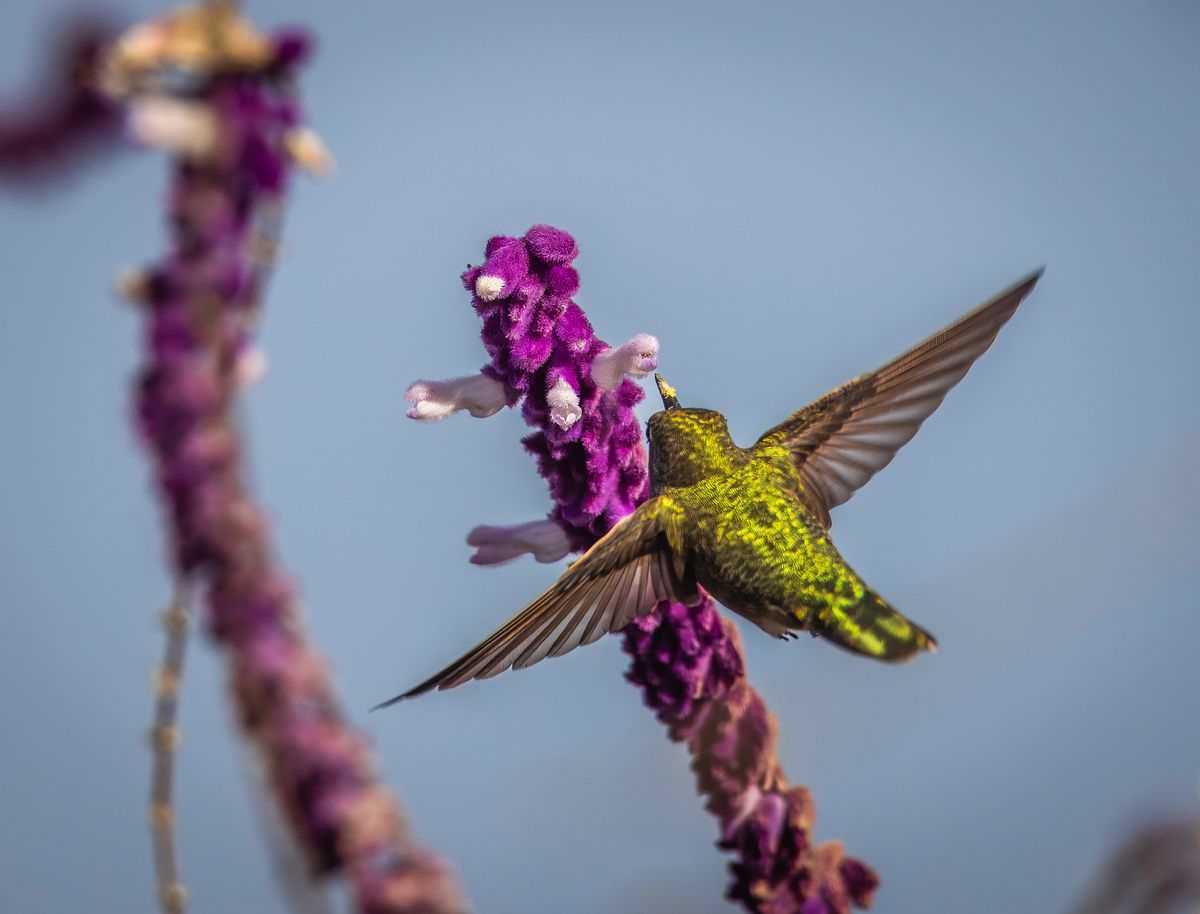
Cover photo by Skyler Ewing on Pexels.