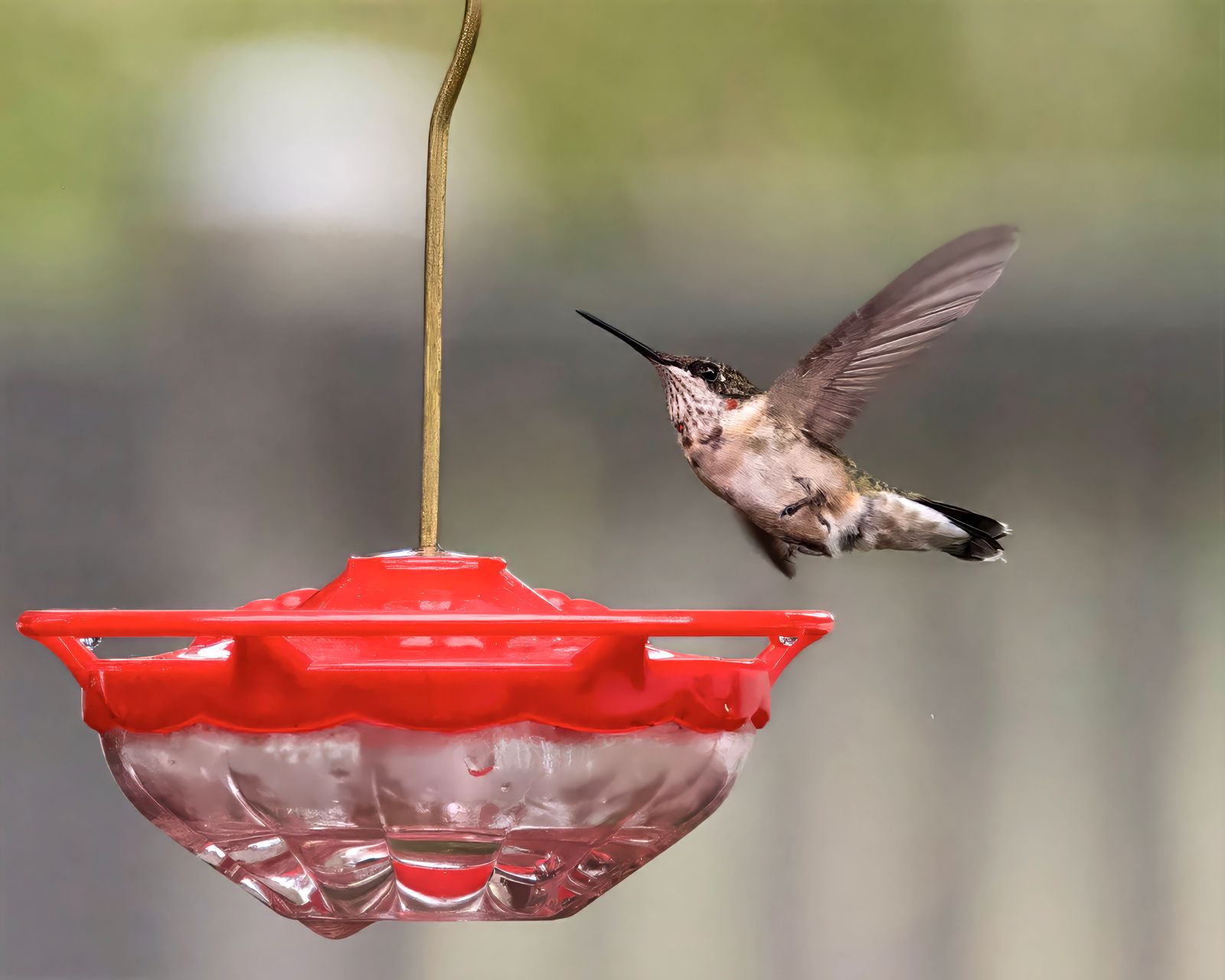
Late-Summer Yellowjacket Surge: Seasonal Strategies to Safeguard Your Feeder
Apply the 20-foot decoy trap rule: hang sugar or protein yellowjacket traps 20 to 30 feet downwind from your feeder. Pair this distance barrier with an exact 4:1 water-to-sugar nectar ratio and a drip-free, sealed feeder base to immediately end late-summer swarms.
Essential Fall Yellowjacket Defense Takeaways
- Deploy decoy traps 20 to 30 feet downwind from feeding stations—never hang traps on the same pole as the feeder.
- Maintain a strict 4:1 water-to-refined-white-sugar nectar ratio; concentrations higher than 25% sugar draw 3x more wasps.
- Upgrade to a sealed, heavy-gauge glass reservoir with a metal base to stop sun-induced pressure drips at 80°F+ temperatures.
- Clean feeding ports every 48 hours in late summer to remove micro-residue before scent trails spread across 1,000 feet.
- Relocate troubled feeders by 3 to 4 feet into full shade to disrupt established wasp flight paths.
Late-Summer Wasp Behavior & Migration Timeline (August – October)
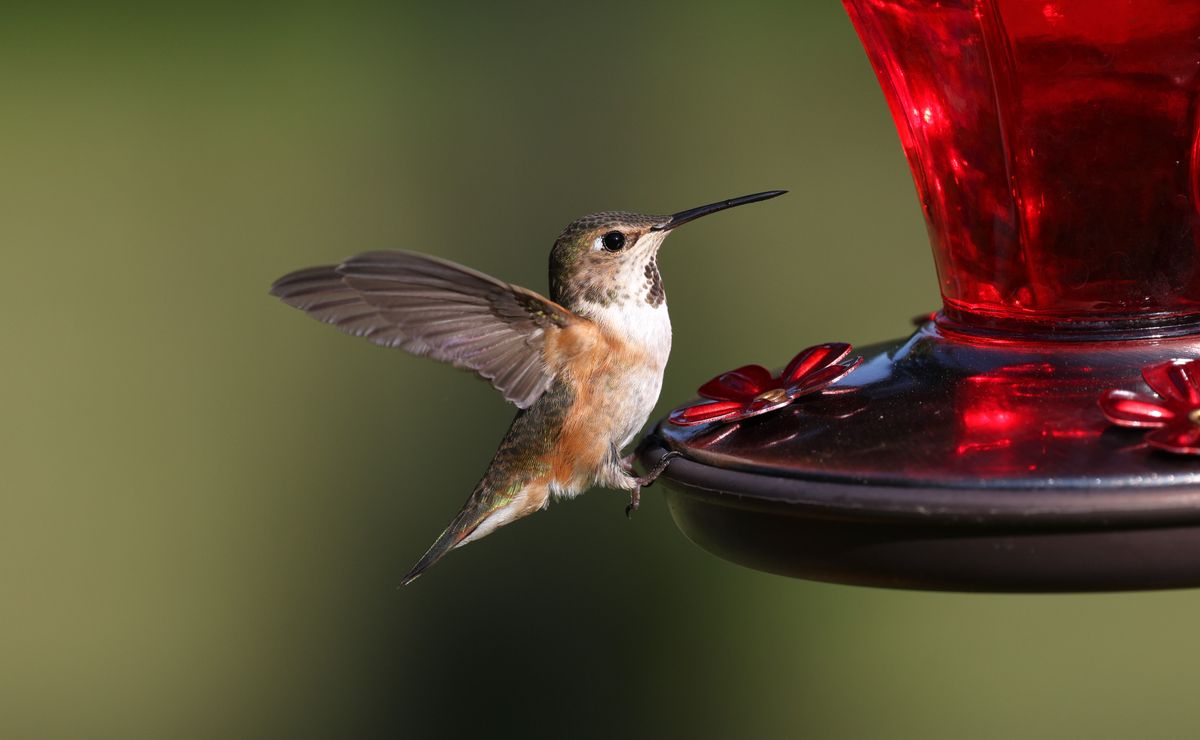
Photo by Veronika Andrews on Pexels
- August 1 – August 15 — Yellowjacket queens cease egg-laying. Colony worker wasps transition from protein hunting (caterpillars) to carbohydrate seeking (sugar).
- August 16 – August 31 — Wasp foraging radius expands to 1,000 feet. Scout yellowjackets inspect garden feeding ports for nectar micro-leaks.
- September 1 – September 15 — Peak hummingbird fall migration begins. Birds enter hyperphagia, doubling daily nectar intake while wasp colony populations reach maximum annual density.
- September 16 – September 30 — Late-summer heat spikes above 80°F cause unsealed plastic feeders to expand, forcing nectar drips onto bases and triggering heavy wasp swarms.
- October 1 – October 31 — Nighttime temperatures drop below 45°F, dramatically slowing yellowjacket metabolism while southern hummingbird migration wraps up.
Fall Feeder Sanitation & Inspection Schedule
- Daily — Inspect feeder base gaskets for micro-drips and wipe ports clean with hot water.
- Every 48 Hours — Replace 4:1 nectar during 80°F+ weather to prevent fermentation and ethyl acetate scent release.
- Twice Weekly — Shift feeder position 3 to 4 feet into shade if scout wasps begin hovering predictably.
- Weekly — Perform a full scrub of the glass reservoir and metal base using a 1:5 white vinegar-to-water solution; re-bait decoy traps 25 feet away.
Expert Field Tip: The 20-Foot Trap Placement Rule
The single biggest mistake backyard hosts make is hanging a yellowjacket trap directly from the feeder pole. Traps release chemical attractants designed to lure wasps from up to 100 yards away. When placed on the feeder hook, you effectively direct thousands of aggressive foragers right through your hummingbirds' drinking zone.
Instead, establish a perimeter defense. Hang commercial sugar or heptyl butyrate decoy traps 20 to 30 feet downwind from your feeder, near outer property line shrubs. Yellowjackets navigating upwind will intercept the trap scent first and enter the bait chamber, leaving your feeding zone completely clear for migrating hummers.
Side-by-Side Wasp Deterrence Method Comparison
| Deterrence Method | Hummer Safety (1-10) | Wasp Reduction (%) | Optimal Placement Distance | Maintenance & Cost |
| --- | --- | --- | --- | --- |
| Decoy Traps (Downwind) | 10 / 10 | 85% - 95% | 20 to 30 feet away | $10 - $15 / Weekly bait refresh |
| Sealed Leak-Proof Glass Feeder | 10 / 10 | 90% - 98% | Direct installation | One-time upgrade / Low upkeep |
| Shade Shift & Micro-Relocation | 10 / 10 | 60% - 75% | 3 to 4 feet moves | Free / Daily monitoring |
| Insect-Guard Port Baffles | 9 / 10 | 70% - 80% | Fitted at port openings | $5 - $12 / Bi-weekly cleaning |
| Traps Attached to Feeder Pole | 2 / 10 | 0% (Increases swarms) | 0 feet (Avoid entirely) | Not recommended |
Evaluate the efficacy, safety, and operational costs of common backyard wasp control strategies.
Late-Summer Feeder Protection Flowchart
- Are yellowjackets actively hovering or clinging to feeder ports during daylight? → Yes: Inspect the feeder base for sticky nectar drips or micro-leaks.. No: Maintain standard 4:1 nectar freshness and monitor daily.
- Is nectar dripping from the base due to heat expansion or wind swinging? → Yes: Move feeder into 100% shade and switch to a leak-proof hand-blown glass reservoir with a sealed metal base.. No: Deploy a commercial decoy trap 20 to 30 feet downwind near outer foliage.
- Do wasps persist after cleaning and moving the feeder to shade? → Yes: Relocate feeder 4 feet away to break the wasps' visual memory, and verify decoy traps are baited with sweet liquid 25 feet away.. No: Your feeding station is successfully protected!
Regional Yellowjacket Activity & Nectar Calendar
| US Region | Peak Wasp Pressure Period | Migration Window | Recommended Feeder Strategy |
| --- | --- | --- | --- |
| Southern & Sunbelt States | Late August through November | September 15 – October 30 | Swap nectar every 48 hours; keep feeders under full covered porch shade. |
| Midwest & Mid-Atlantic | Mid-August through October | August 25 – October 15 | Deploy decoy traps 25 ft downwind by August 15; audit base seals daily. |
| Pacific Northwest & West Coast | August through Late October | August 15 – October 10 | Use red handcrafted glass feeders with narrow ports to obscure nectar levels from wasps. |
| Northeast & Mountain West | August through Early October | August 10 – September 30 | Shift feeders into shaded zones early; place sugar-bait traps along yard boundaries. |
Wasp activity and hummingbird migration schedules vary across United States climate zones. Use this reference to time your seasonal defense.
Recommended Leak-Proof & Wasp-Resistant Feeder Hardware
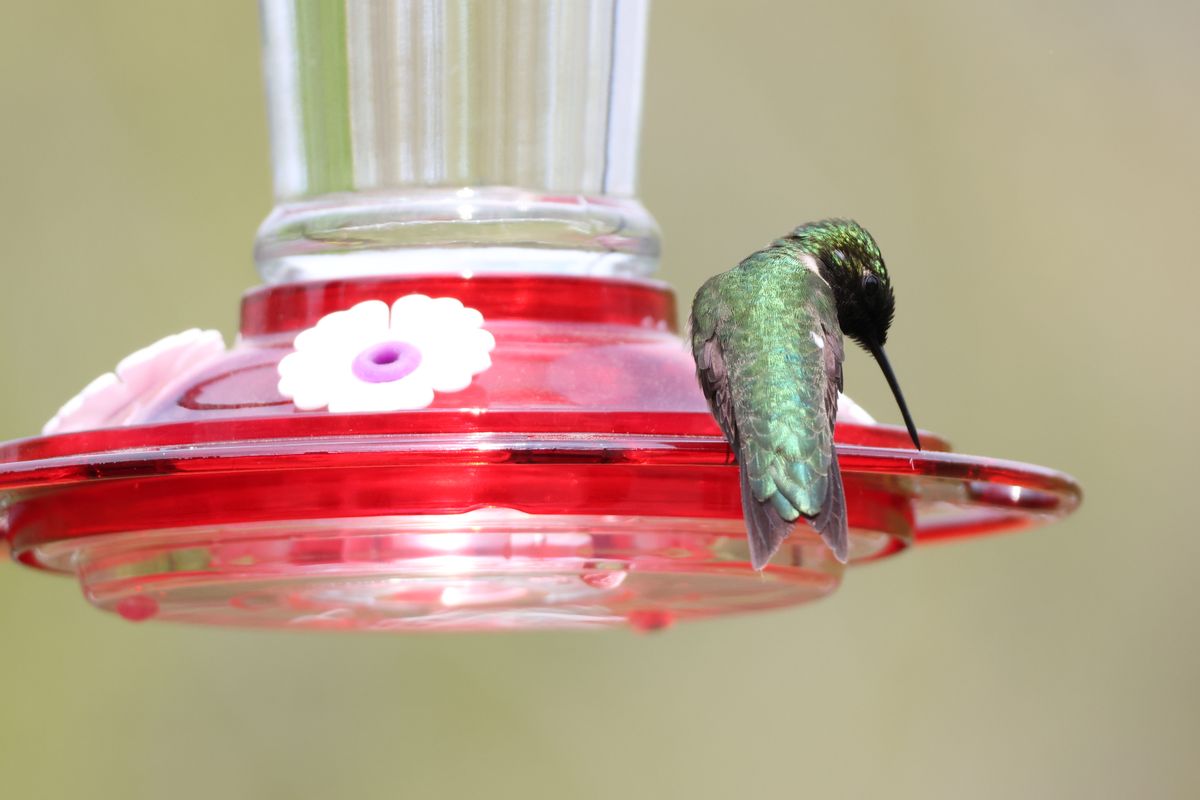
Photo by Catherine Dempsey on Pexels
To stop late-summer yellowjackets, your feeder hardware must combine zero-leak engineering with visual hummingbird lures. The LUJII Solar-Powered Hummingbird Feeder is specifically designed to eliminate the drip hazards that attract wasps while providing a stunning centerpiece for your autumn garden.
- Hand-Blown Glass Artistry: Each reservoir is individually handcrafted at 2,300°F by master glass artisans. The thick, durable translucent glass allows easy nectar monitoring while preventing thermal warping.
- Sealed Leak-Proof Metal Base: Features an engineered anti-rust coated metal base with tight rubber gaskets that contain a generous 32 fl. oz nectar capacity without micro-dripping.
- Protective Solar Weather Shield: The top plastic solar cap shields feeding ports from rain, harsh sunlight, and falling autumn debris, keeping nectar cool and fresh.
- Solar RGB Night Lighting: Automatically lights up at night for up to 8 hours after a full daytime charge. Because wasps sleep at night, the mesmerizing RGB light modes add magical garden ambiance without attracting yellowjackets or bees.
Temperature & Weather Considerations for Late-Summer Nectar
Late summer in North America brings unpredictable temperature spikes. When ambient air reaches 80°F or higher, the air trapped inside a partially empty feeder reservoir expands. In lightweight plastic feeders, this air pressure forces liquid nectar out through the submerged feeder ports, creating sticky pools on the grass below.
Yellowjackets possess specialized olfactory receptors capable of detecting fermenting sugar molecules (specifically ethyl acetate) from over 1,000 feet away. By placing your feeder in deep afternoon shade and choosing a heavy hand-blown glass reservoir, you stabilize internal temperatures, prevent air expansion, and eliminate the scent cues that summon yellowjacket scout swarms.
Late-Summer Yellowjacket Audit Checklist
- [ ] Audit feeder base daily for micro-leaks or sweet sticky residue.
- [ ] Verify nectar concentration is exactly 4 parts water to 1 part white refined sugar.
- [ ] Position decoy wasp traps 20 to 30 feet downwind from feeding stations.
- [ ] Relocate feeders into partial or full shade to reduce sun-induced pressure leaks.
- [ ] Flush feeder ports with hot water every 48 hours during 80°F+ heat spells.
- [ ] Ensure solar caps and weather shields are clear of dripping nectar.
Frequently Asked Questions About Fall Wasp Control
Answers to common questions about managing wasps around hummingbird feeding stations.
Related Pest-Free Feeding Guides
- Summer Hummingbird Feeder Maintenance: Stop Leaks & Mold
- Beat Summer Heatwaves: How to Keep Nectar Fresh and Leak-Free During Extreme Heat
- How Summer Heat Causes Feeder Leaks (and How to Prevent Nectar Spills)
Your Immediate Fall Feeder Defense Plan
Your decision: Determine whether your feeder issue stems from nectar leakage, poor trap placement, or sun exposure.
Do this next: Inspect your feeder base for drips, shift the feeder to full shade, and hang a commercial wasp trap 20 feet away downwind.
Related resource: Explore our complete Pest-Free Feeding Hub for ant moat guidelines and weather baffle installation tips.
Upgrade to the LUJII Hand-Blown Glass Solar Feeder featuring a 32 oz capacity, leak-proof sealed metal base, and protective top cap.
Take action today to safeguard your migrating hummers and keep your garden peaceful.
Cover photo by A. G. Rosales on Pexels.