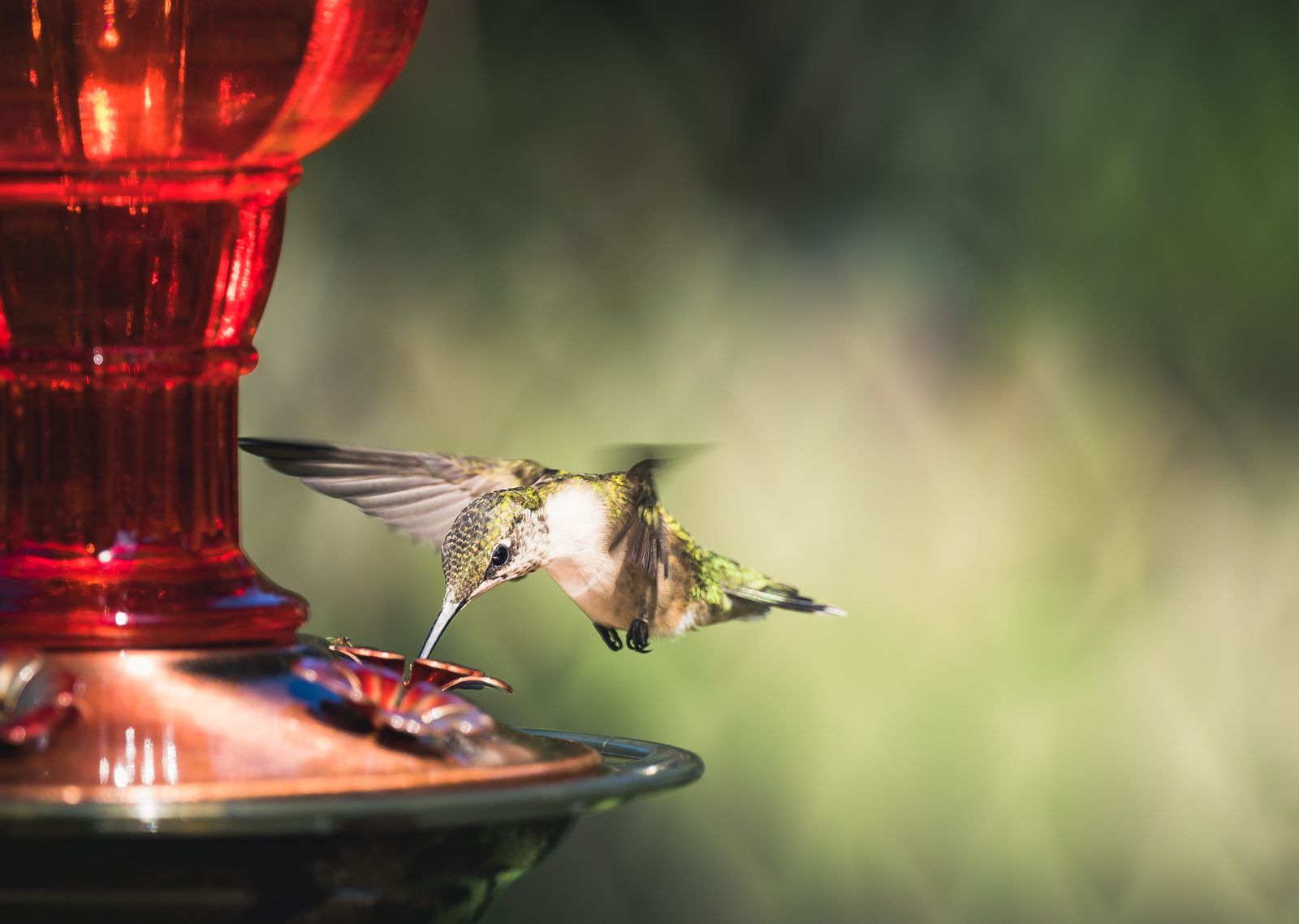
Solar Hummingbird Feeder FAQs: RGB Lighting, Nectar Safety, and Handcrafted Art Care
Contrary to common myths, solar-powered RGB lights do not disturb hummingbirds or alter their feeding habits. Hummingbirds are strictly diurnal creatures; at night, they enter a deep, energy-conserving sleep state called torpor in high tree branches, making them completely oblivious to soft evening LED glows.
Furthermore, modern low-voltage solar caps do not heat or spoil nectar. The protective solar housing creates an insulating air barrier above the 32 fl. oz hand-blown glass reservoir, shielding the sugar water from direct sunlight and ambient thermal transfer. For maximum performance and nectar longevity, position your feeder where it receives 4 to 6 hours of partial daily sunlight.
Decision Guide: Is a Solar Hand-Blown Glass Feeder Right for Your Garden?
Choose a hand-blown solar feeder if you want high nectar capacity (32 fl. oz), enchanting evening garden decor, and heavy thick-walled glass that stabilizes nectar temperatures better than thin plastic.
Best choice for
- LUJII 32 fl. oz Solar RGB Hand-Blown Glass Feeder — Provides up to 8 hours of soft, multi-mode RGB ambient illumination while nourishing diurnal hummingbirds throughout the day.
- Thick-Walled Hand-Blown Glass Reservoir — High thermal mass and top-insulated solar housing protect nectar against sudden temperature spikes compared to thin molded plastic.
- Your desired hanging location is located under a deep covered porch receiving zero direct sunlight to charge the solar cap.
- You prefer disposable, ultra-lightweight plastic feeders that can be run through high-heat commercial dishwashers.
- Standard Non-Illuminated Hand-Blown Glass Feeder — Best for fully shaded patio roofs where solar panels cannot catch sufficient sun rays, while still offering heritage glass craftsmanship.
Featured Craftsmanship: LUJII Solar-Powered Hand-Blown Glass Hummingbird Feeder
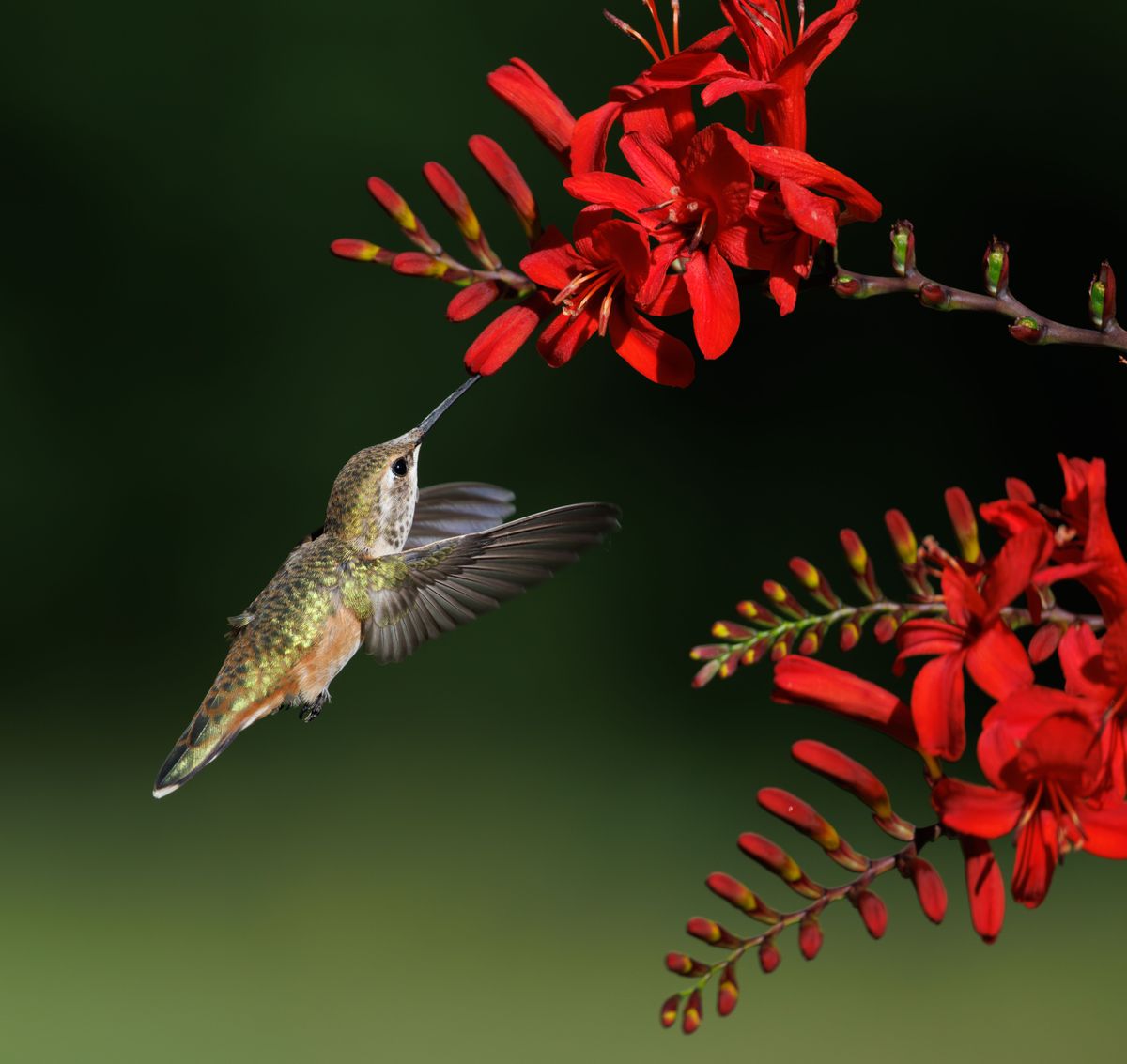
Photo by Veronika Andrews on Pexels
The LUJII Solar-Powered Hummingbird Feeder represents the perfect intersection of ancient glassblowing artistry and modern solar engineering. Designed for wild bird enthusiasts who value both backyard aesthetic beauty and wildlife safety, each piece offers unmatched durability and functional elegance.
Expert Tip: The Avian Science of Torpor & Dusk Lighting
> Biological Insight: Hummingbirds have one of the highest metabolic rates in the animal kingdom. To survive the night without feeding, they enter torpor—a physical state where their heart rate drops from 1,200 beats per minute to as low as 50, and their body temperature plunges near ambient levels. > > Because hummingbirds roost in dense foliage high off the ground during torpor, soft garden LED lighting (under 15 lumens) located 5 to 6 feet high has zero effect on their circadian rhythm or sleep quality. Furthermore, as the solar battery naturally depletes after 6 to 8 hours, the RGB light gently shuts off well before pre-dawn hours when hummingbirds begin waking up.
Feature Matrix: Solar Illuminated Glass vs. Standard Feeders Across Outdoor Scenarios
| Garden Environment Scenario | LUJII Solar RGB Hand-Blown Glass Feeder | Standard Unlit Glass Feeder | Budget Molded Plastic Feeder | Optimal Recommendation |
| --- | --- | --- | --- | --- |
| | | | | |
| | | | | |
| | | | | |
| | | | | |
Compare how solar hand-blown glass feeders evaluate against traditional unlit glass and plastic models in real-world backyard environments.
Solar Feeder Troubleshooting: Solar Caps, Nectar Flow & Pest Control
| Symptom / Issue | Root Cause | Diagnostic Check | Instant Corrective Action |
| --- | --- | --- | --- |
| | | | |
| | | | |
| | | | |
| | | | |
Quickly identify and resolve operational issues to keep your solar feeder performing flawlessly season after season.
Next Steps: Setting Up Your Solar Sanctuary
Your decision: Select the LUJII 32 fl. oz Hand-Blown Solar Hummingbird Feeder for an eco-friendly union of heritage glass craftsmanship and dusk garden illumination.
Do this next: Hang your solar feeder 5 feet above ground level in a spot receiving 4 to 6 hours of morning sun, maintaining a 10-foot flight path clearance from dense predatory foliage.
Related resource: Pillar Resource: Sustainable Backyard Living — Blending Solar Energy with Heritage Glass Art
LUJII Hand-Blown Solar Hummingbird Feeder (32 oz, RGB Solar Cap, Leak-Proof Metal Base)
Ready to bring color, art, and wildlife into your garden? Follow these immediate steps to unbox, charge, and position your feeder for maximum hummingbird visits.
Key Takeaways: Solar Feeder Essentials
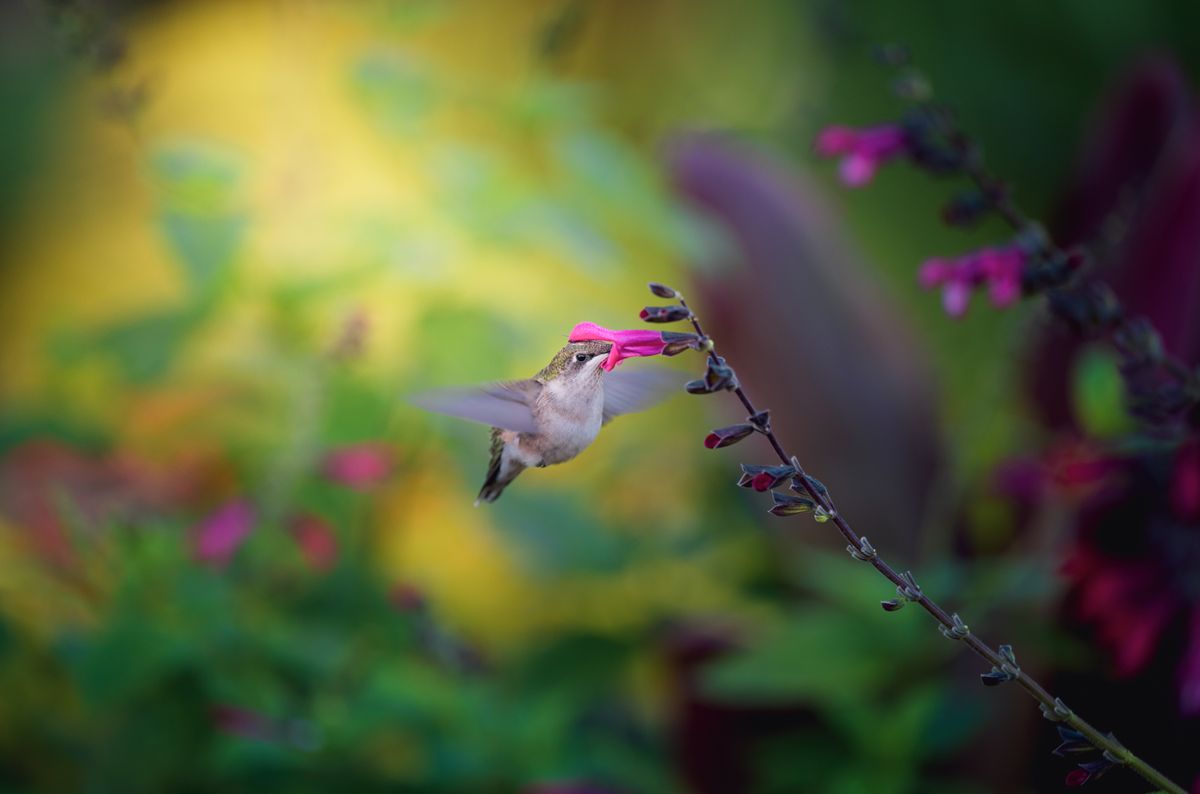
Review the essential facts regarding solar-powered hummingbird feeders, avian sleep safety, and glass maintenance.
Solar Hummingbird Feeder Setup & Seasonal Maintenance Checklist
- [ ] Charge solar cap in direct sunlight for 6 to 8 hours before first nighttime activation.
- [ ] Mix pure sugar nectar at a 1:4 ratio (1 part white table sugar to 4 parts warm water); never use red dye or honey.
- [ ] Ensure the internal silicone sealing ring on the anti-rust metal base is securely seated to prevent leakage.
- [ ] Hang feeder 5 feet above the ground and at least 10 feet away from dense feline or predator hiding spots.
- [ ] Wipe solar top collector monthly with a damp microfiber cloth to clear pollen and preserve solar charging efficiency.
- [ ] Clean glass reservoir with warm water and a soft bottle brush every 2 to 4 days depending on regional summer heat.
Common Mistakes to Avoid with Solar Glass Feeders
Avoid these frequent mistakes to protect your wild birds and keep your hand-blown glass artwork looking brilliant.
Comprehensive Solar Hummingbird Feeder FAQs
Explore detailed, scientifically grounded answers to the most frequently asked questions regarding solar lighting, hand-blown glass care, and nectar safety.