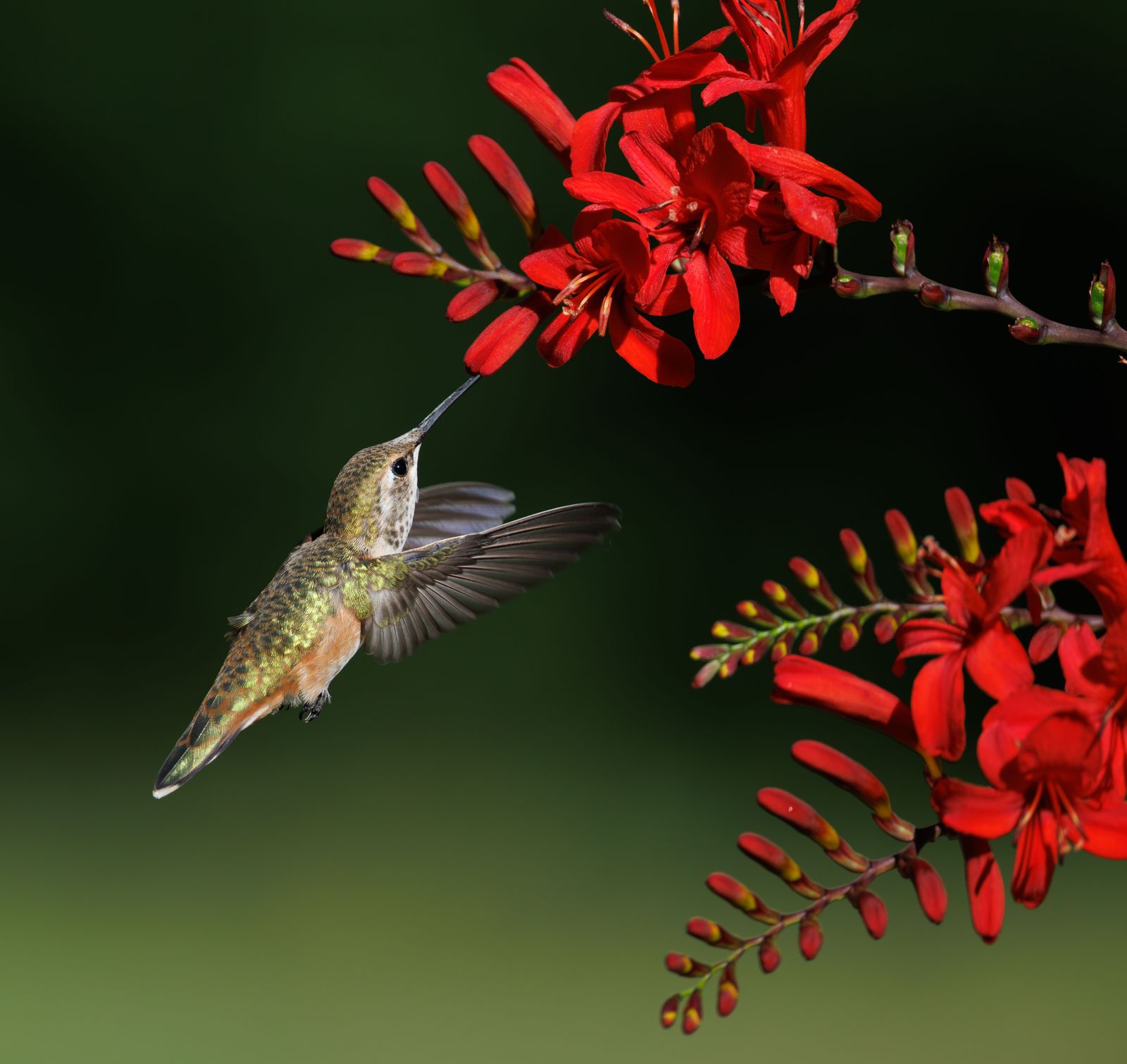
How to Keep Hummingbird Nectar Fresh in Summer Heat: The Temperature-Based Guide
Follow the Rule of 90: When daily high temperatures stay below 80°F, replace nectar every 3 to 4 days. Between 80°F and 88°F, refresh every 48 hours. Once outdoor temperatures reach 90°F or higher, replace nectar every 24 hours without exception and rinse your feeder thoroughly with hot water.
Core Nectar Preservation Rules at a Glance
- The 90°F Hard Cutoff: Daily nectar replacement is mandatory once ambient temperatures cross 90°F to prevent lethal bacterial growth.
- Strict 4:1 Water-to-Sugar Ratio: Never increase or decrease the standard 4 parts water to 1 part white refined sugar ratio during hot weather; concentrated sugar dehydrates hummingbirds.
- Dappled Shade Balancing: Position solar hummingbird feeders so the top solar panel receives morning direct sun for battery charging, while the glass reservoir stays shaded during 12:00 PM – 4:00 PM heat spikes.
- Vinegar Sanitization: Use a 1:10 white vinegar solution to clean ports; avoid synthetic soap detergents that leave chemical residues.
Summer Spoilage Timeline: Sugar Water Fermentation under the Sun
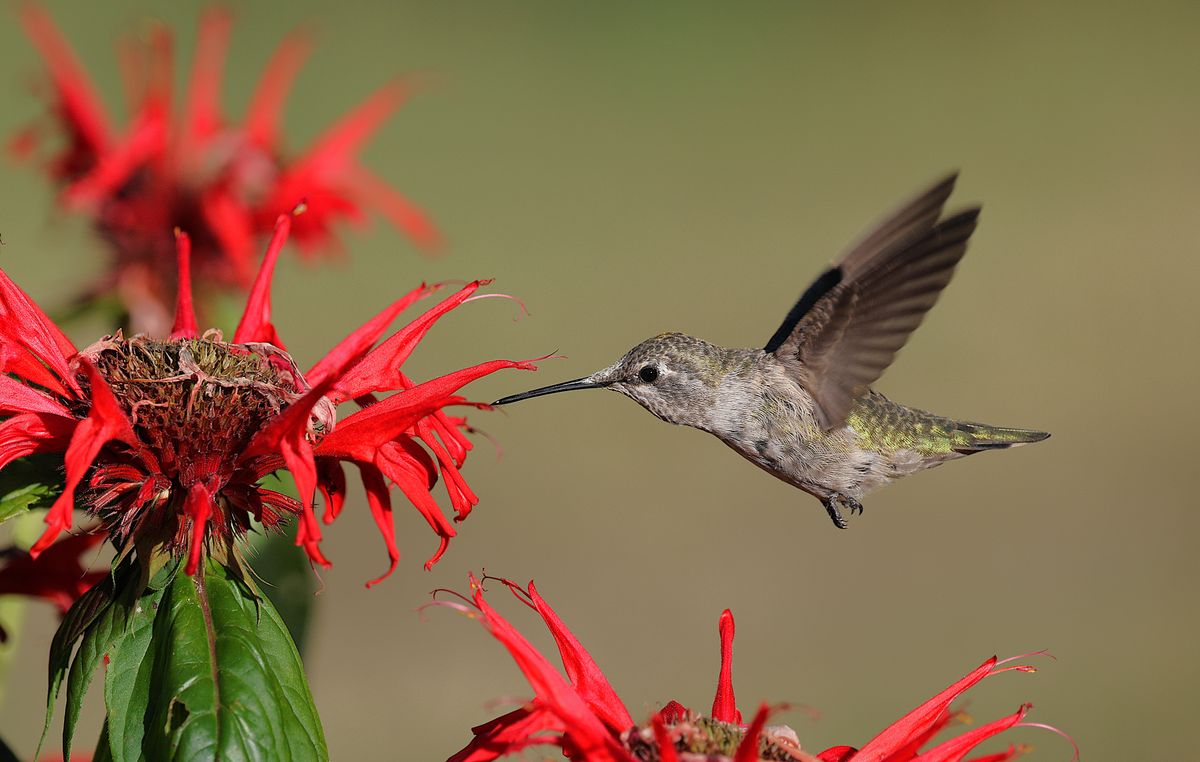
Photo by Veronika Andrews on Pexels
- Hour 0 to 6 — Fresh solution in the feeder. Liquid remains 100% clear with zero bacterial activity.
- Hour 7 to 12 — Ambient heat reaches daily peak. Wild airborne yeast spores enter feeding ports and begin consuming dissolved sucrose.
- Hour 13 to 24 — Microbial colonies double every 20 minutes. Nectar clarity drops slightly; trace alcohol fermentation begins without visible cloudiness.
- Hour 25 to 36 — Nectar turns visibly hazy with a faint sour odor. Rapid bacterial proliferation makes liquid unsafe for hummingbirds.
- Hour 37 to 48 — Black mold spores (Cladosporium) root into interior glass walls and feeding ports. Solution becomes highly toxic.
Temperature-to-Replacement Maintenance Schedule
- Under 70°F — Replace nectar every 5 days. Full feeder rinse with warm tap water during each refill.
- 70°F – 79°F — Replace nectar every 3 to 4 days. Perform visual check for cloudiness every morning.
- 80°F – 88°F — Replace nectar every 48 hours. Rinse base ports with a 10% white vinegar solution.
- 89°F – 94°F — Replace nectar every 24 hours. Fill reservoir to only 30% capacity (8–10 fl oz) to avoid wasting nectar.
- 95°F and Above — Replace nectar every 12 to 18 hours. Clean feeder ports daily with a micro-port brush.
Pro Tip: Dappled Shade and Solar Panel Angle Balance
Hanging a solar-powered hummingbird feeder presents a unique opportunity: the top solar panel needs solar radiation to charge its internal battery, while the nectar reservoir requires protection from direct afternoon heat.
Position your solar feeder under an east-facing leaf canopy or tree branch. This setup captures 4 to 6 hours of early morning sunlight—fully charging the RGB light system for up to 8 hours of evening illumination—while providing thick foliage shade from 12:00 PM to 4:00 PM, keeping nectar temperatures up to 15°F cooler than unshaded glass.
5 Deadly Hot-Weather Nectar Mistakes to Avoid
Avoid these common mistakes that endanger hummingbirds during summer heatwaves:
Seasonal Heatwave Calendar & Nectar Care Adjustments
| US Region | Peak Heat Months | Average High Temp | Nectar Refresh Frequency | Solar Maintenance Tip |
| --- | --- | --- | --- | --- |
| Southern Sunbelt (AZ, TX, FL) | May – September | 95°F – 110°F | Every 12 to 24 Hours | Wipe dust off top solar cap weekly to maintain solar charging efficiency. |
| Midwest & Plains (IL, KS, OH) | June – August | 85°F – 98°F | Every 24 to 48 Hours | Ensure 5 hours of morning sunlight exposure for solar charging. |
| Pacific Northwest (WA, OR) | July – August | 75°F – 88°F | Every 2 to 3 Days | Maximize morning light while keeping the glass base shaded. |
| Northeast Corridor (NY, PA, MA) | June – August | 80°F – 92°F | Every 48 Hours | Clean rain runoff off solar collector after summer thunderstorms. |
Track regional peak heat windows across the United States to align your nectar replacement schedule.
Your Hot-Weather Nectar Action Plan
Your decision: Transition your summer feeding routine to match daily high temperatures and position your solar feeder in dappled shade.
Do this next: Check today's local weather forecast. If temperatures exceed 89°F, pour out current nectar, rinse the feeder with warm water, and fill only 8–10 oz of fresh 4:1 solution.
Related resource: Downloadable Summer Nectar Care PDF Cheat Sheet
LUJII Hand-Blown Glass Solar-Powered Hummingbird Feeder (32 fl. oz., leak-proof metal base).
Take these immediate steps to safeguard your yard's hummingbirds during summer heatwaves.
Designed for Summer: Hand-Blown Glass & Metal Solar Feeders
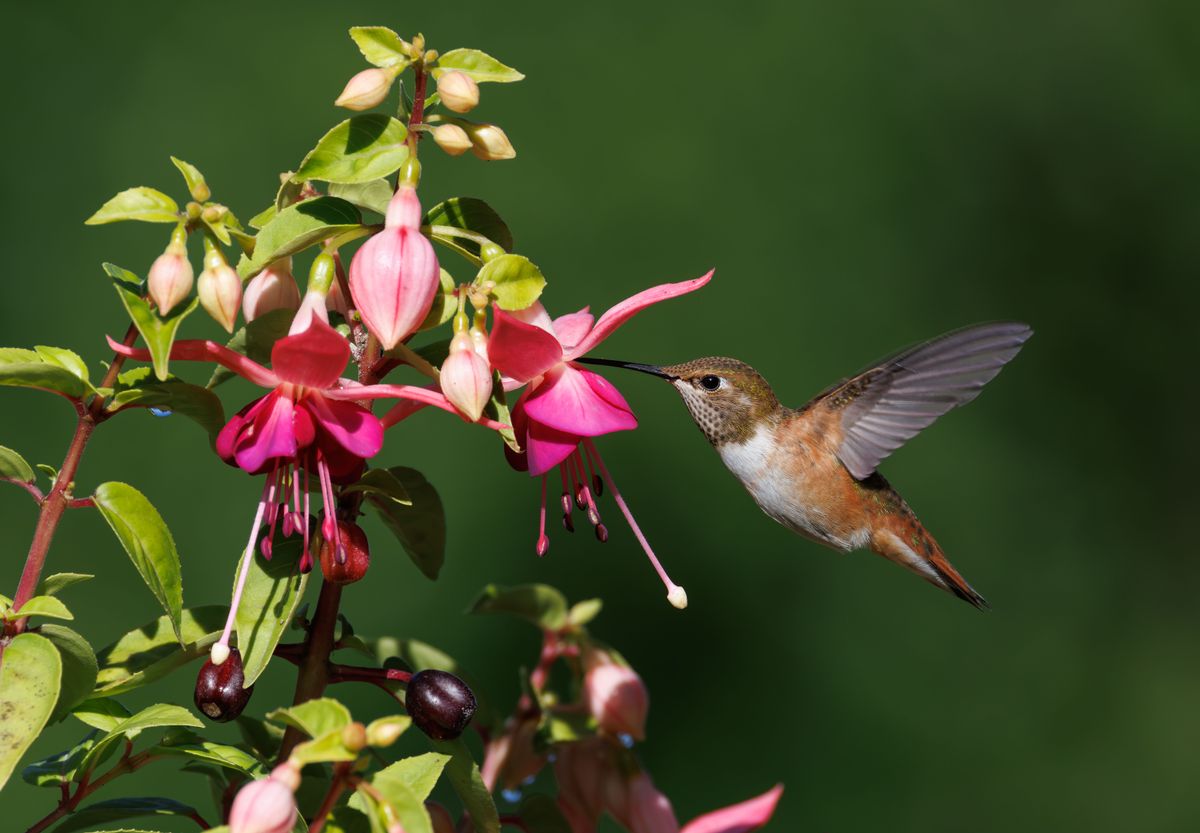
Photo by Veronika Andrews on Pexels
Upgrade your garden display with handcrafted glass solar feeders built to withstand hot summer weather while illuminating your yard at night.
Regional Summer Climate Adjustments (Humidity vs. Arid Heat)
Summer weather impacts nectar differently depending on humidity level:
High Humidity Regions (Southeast & Gulf Coast)
In humid climates (70%+ relative humidity), airborne fungal spores thrive. Black mold can form on feeding ports within 24 hours at 85°F. Wash feeder ports every 48 hours using a 1:10 white vinegar solution and micro-brush.High Arid Heat Regions (Southwest & Intermountain West)
In dry climates (under 25% relative humidity), water evaporates rapidly through feeding ports, increasing sugar concentration. This sweeter, thicker nectar ferments quickly and can dehydrate birds. Fill feeders with only 8 to 10 oz of 4:1 nectar and top off daily with fresh liquid.Daily Summer Hummingbird Feeder Inspection Checklist
- [ ] Is the liquid translucent and completely clear (no cloudiness or white floaters)?
- [ ] Are the feeding ports free of black spots or mold film?
- [ ] Is the solar top receiving morning sunlight while keeping the bottle shaded?
- [ ] Is the nectar level matched to daily consumption so excess isn't wasted?
Frequently Asked Questions About Hot-Weather Nectar Care
Clear answers to common questions about managing solar hummingbird feeders during summer heat.
Explore Related Guides for Backyard Hummingbird Care
Expand your knowledge on hummingbird care and backyard sanctuary maintenance:
- How to Clean and Maintain Your Hand-Blown Solar Hummingbird Feeder
- Hand-Blown Glass vs. Plastic Hummingbird Feeders: Which Elevates Your Garden Experience?
- Hot Weather Nectar Ratios: How to Keep Hummingbird Food Fresh in Summer
Cover photo by Veronika Andrews on Pexels.