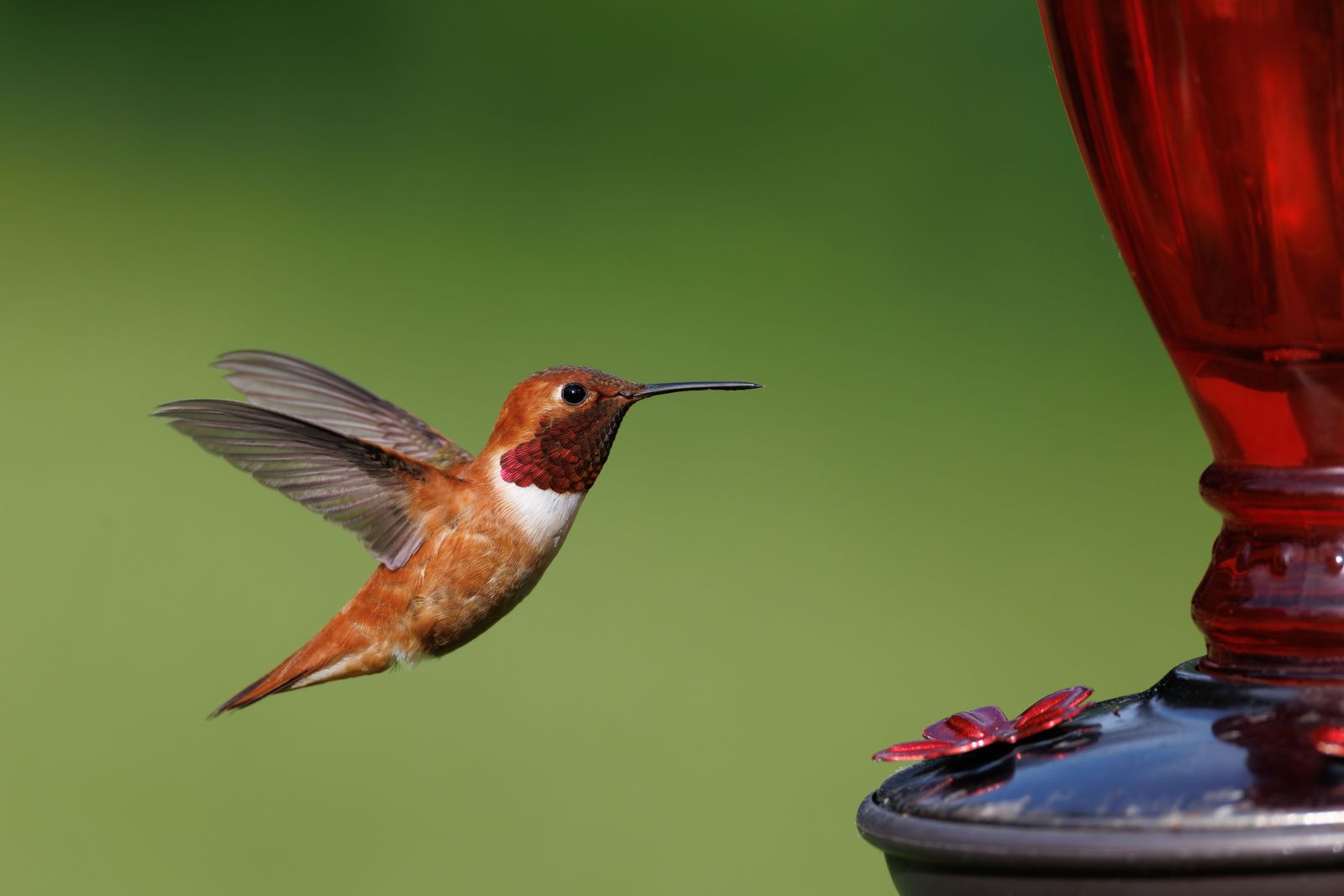
How to Keep Hummingbird Nectar Fresh in Summer Heat: A Complete Safety Guide
To keep hummingbird nectar safe during summer heat, replace nectar every 48 hours when ambient temperatures reach 80–88°F, daily at 89–94°F, and twice daily above 95°F. Hang solar glass feeders in dappled tree shade where leaf canopy shields the glass reservoir from direct heat while allowing the top solar panel to capture ambient skylight for evening RGB illumination.
Nectar Safety Diagnosis Flowchart
- Is your nectar crystal clear with no visible haze, floaters, or bubbles? → Yes: Nectar is fresh. Check local weather forecast for today's high temperature.. No: Is the nectar hazy, cloudy, or forming micro-bubbles near the top liquid line?.
- Is the nectar hazy, cloudy, or forming micro-bubbles near the top liquid line? → Yes: Fermentation underway! Immediately dump nectar, scrub reservoir with warm water and vinegar, and refill with cold 4:1 syrup.. No: Are there black dots, dark rings, or film inside the feeding ports?.
- Are there black dots, dark rings, or film inside the feeding ports? → Yes: Black mold hazard! Perform a full deep clean with 1:1 vinegar and micro-port brushes before refilling.. No: Nectar is safe for today. Re-inspect daily during heatwaves..
Summer Nectar Spoilage & Placement Matrix
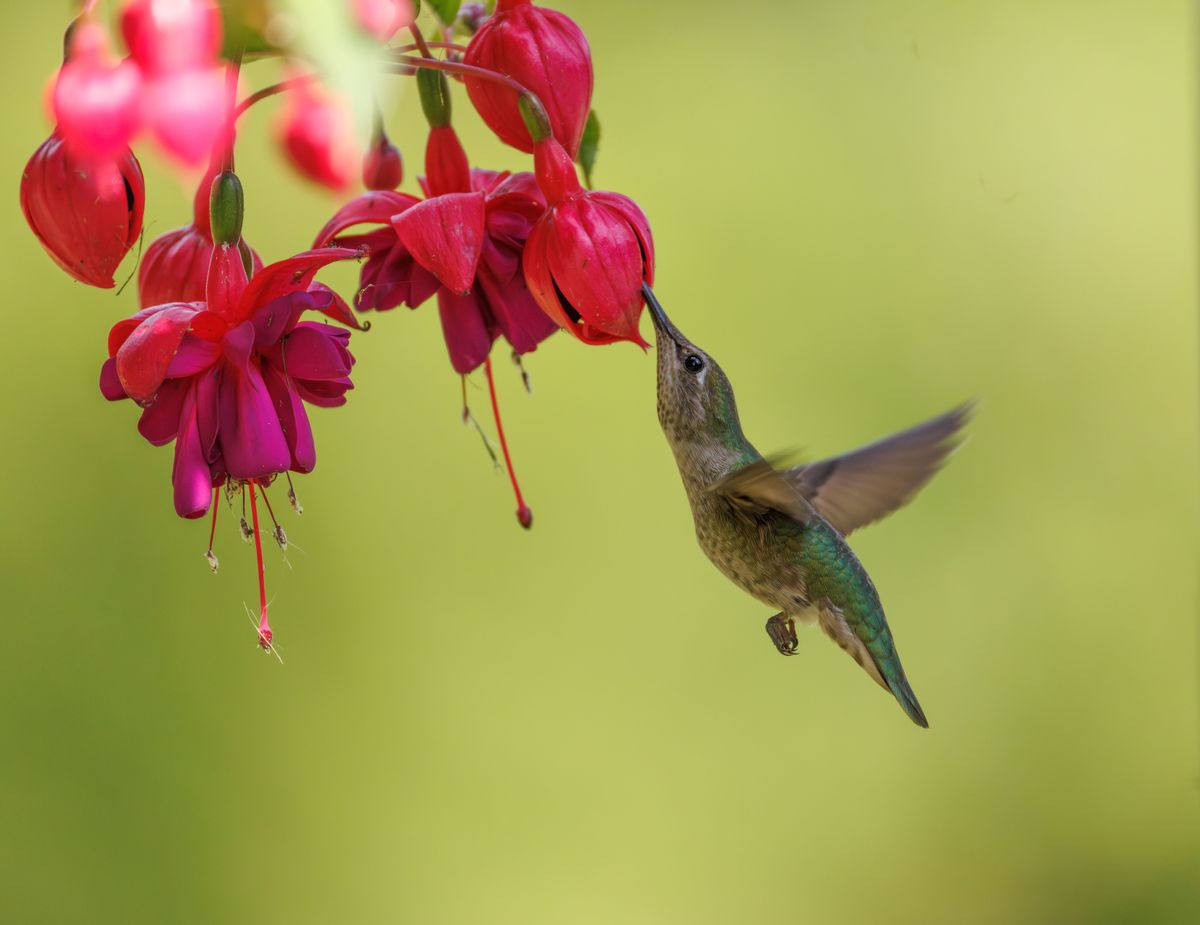
Photo by Veronika Andrews on Pexels
| Temperature Range & Scenario | Visual & Smell Indicators | Fermentation Risk Level | Required Action & Change Frequency |
| --- | --- | --- | --- |
| Under 70°F (Mild Weather) | Crystal clear liquid, no odor, completely fluid | Low | Change nectar every 5–7 days. Inspect weekly during routine yard checks. |
| 70°F – 79°F (Warm Spring/Early Summer) | Slightly warm reservoir, clear liquid, fresh scent | Moderate | Change nectar every 3–4 days. Flush base with warm water between fills. |
| 80°F – 88°F (Hot Summer Days) | Faint cloudiness after 48h, subtle sweet-sour yeast aroma | High | Change nectar every 48 hours. Shift feeder location to dappled afternoon shade. |
| 89°F – 94°F (Severe Heatwave) | Visible milky haze, small micro-bubbles rising along glass walls | Critical | Change nectar every 24 hours. Wash reservoir and ports with vinegar solution daily. |
| 95°F+ (Extreme Desert / Midday Sun) | Stringy cloudy film, pungent alcohol yeast smell, rapid mold spots | Severe Toxicity Hazard | Change nectar twice daily (8 AM and 2 PM). Fill reservoir only 1/3 full to avoid wasting food. |
Outdoor ambient heat dictates how rapidly yeast and bacteria multiply in sugar water. Match your local forecast to the required action plan below.
Interactive Brief: Summer Nectar Freshness & Change Calculator
Use this interactive calculator specification to estimate your exact safe nectar lifespan based on local outdoor high temperatures, sunlight exposure, and feeder construction material.
Infographic Brief: Temperature vs. Nectar Spoilage Safety Matrix
A visual guide mapping rising outdoor temperatures directly to bacterial growth acceleration and required feeder maintenance intervals.
Expert Tip: The Dappled Shade Solar Angle Hack
The biggest dilemma with solar-powered hummingbird feeders is keeping the sugar solution cool while giving the top solar panel enough sunlight to charge for evening light shows. You do not need to choose between safe nectar and magical night garden decor!
Position your feeder on the southeast lower branch of a leafy deciduous tree. At midday when summer heat peaks (12 PM to 4 PM), upper branch leaves overhead cast complete thermal shade onto the hand-blown glass reservoir below. However, because tree leaves flutter and branch gaps allow angled sunrays to pass through, the top solar cap continues receiving direct and ambient skylight to charge its internal battery for up to 8 hours of multi-mode RGB night lighting.
Temperature-Based Summer Nectar Maintenance Schedule
- Daily Morning Inspection (7:00 AM) — Check clarity of liquid in the glass reservoir. Wipe solar cap clean of dust, pollen, or bird droppings to ensure maximum daily charge.
- Every 48 Hours (80°F - 88°F) — Dump unused nectar. Rinse glass reservoir and metal base with warm tap water. Refill with fresh, cool 4:1 sugar water solution.
- Every 24 Hours (89°F - 94°F) — Perform full nectar dump and hot water flush every afternoon. Inspect soft rubber port seals for micro-bacterial film.
- Twice Daily (95°F and Above) — Replace nectar at 8:00 AM and 2:00 PM. Keep pre-mixed 4:1 syrup in a sealed pitcher inside your refrigerator for quick ice-cool refills.
- Weekly Deep Sanitation — Submerge glass body and anti-rust metal base in a solution of equal parts warm water and distilled white vinegar for 15 minutes. Scrub feeding ports with small nylon brushes.
Solar Feeder Shade vs. Charging Angle Decision Tree
- Do you have mature trees or large shrubs in your yard? → Yes: Hang feeder on lower branches of an east-facing tree. Foliage shades the glass from midday heat while letting ambient sunlight charge the top solar cap.. No: Do you have a covered patio, porch, or deck awning?
- Do you have a covered patio, porch, or deck awning? → Yes: Hang the feeder along the outermost edge under the eave. The roof protects nectar from vertical overhead sun while angled morning sun charges the solar panel.. No: Install an overhead weather baffle or solar umbrella shield above the feeder to block direct downward solar radiation.
Immediate Nectar Safety Action Plan
Your decision: Evaluate today's temperature forecast and evaluate your yard's shade-to-sun positioning.
Do this next: Dump any hazy or warm nectar immediately, scrub your feeder with warm water and white vinegar, and move your feeder to a dappled shade spot.
- Read next: Hot Weather Nectar Ratios: How to Keep Hummingbird Food Fresh in Summer
Upgrade to a thick LUJII Hand-Blown Solar Hummingbird Feeder for superior thermal buffering and night decor.
Take these three immediate steps today to safeguard your backyard hummingbirds through hot summer afternoons:
Key Takeaways for Summer Nectar Care
- High summer heat rapidly ferments sugar syrup into harmful alcohol and toxic fungal spores.
- Adjust replacement frequency strict to weather: 48 hours at 80–88°F, daily at 89–94°F, and twice daily above 95°F.
- Position solar glass feeders in dappled shade to protect nectar while charging solar lighting cells.
- Thick 2,300°F hand-blown glass provides natural thermal buffering, slowing heat absorption compared to thin plastic.
- Clean feeders using only hot water and white vinegar—never use dish soaps, bleach, or synthetic cleaners.
Decision Support: Feeder Placement & Materials for Hot Climates
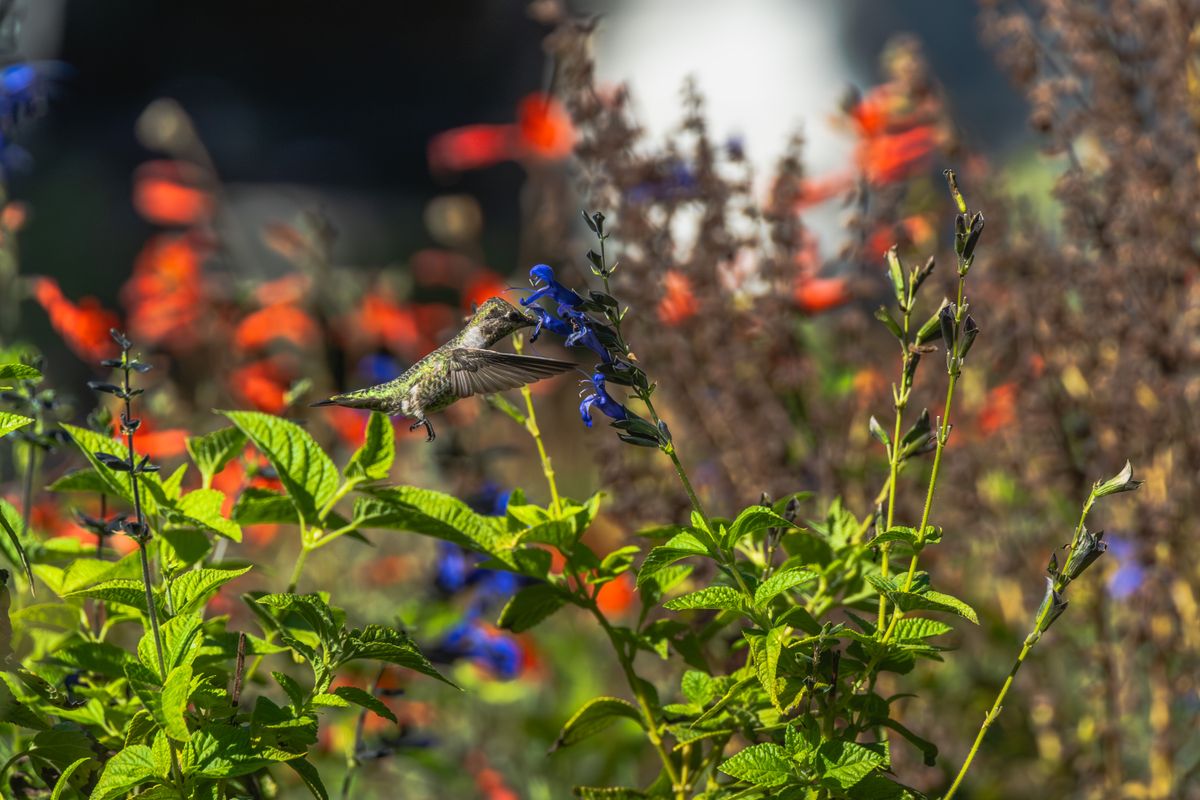
Choose high-thermal-mass hand-blown glass feeders placed under dappled leaf canopies to keep sugar water cool while charging top solar lighting cells.
Best choice for
- Hand-Blown Solar Glass Feeder in Dappled Tree Canopy — Thick glass buffers against rapid temperature spikes while leaf gaps pass enough sunlight to charge solar lights.
- Solar Feeder Edge-Hanging with Weather Baffle — Keeps nectar entirely out of solar radiation while exposing the top cap to direct morning sky.
- Thin plastic feeders exposed to direct southern afternoon sunlight
- Leaving nectar unchanged for more than 48 hours when ambient temperatures exceed 80°F
- Standard Non-Lighted Glass Feeder under Solid Porch Roof — Offers complete shade but sacrifices evening RGB solar garden illumination.
Recommended Solution: LUJII Hand-Blown Solar Hummingbird Feeder
Highlight product features (thick hand-blown glass buffering, leak-proof metal base, solar LED).
Thermal Performance: Hand-Blown Glass vs. Plastic Feeders
Compare material thermal dynamics under extreme sunlight.
5-Step Protocol to Prevent Summer Nectar Fermentation
Step-by-step instructions for boiling, cooling, partial filling, and hanging.
6 Critical Summer Nectar Mistakes to Avoid
List dangerous birding errors like using honey, dyes, or unboiled water.
Related Hummingbird Care Guides
- 7 Best Hummingbird Feeders to Keep Nectar Fresh & Pest-Free
- How to Keep Hummingbird Nectar Fresh in Summer Heat: The Temperature-Based Guide
- Summer Heat Spoilage: How to Keep Hummingbird Nectar Fresh on Scorchers
Frequently Asked Questions
Answer specific edge-case questions at the end of the guide.
Cover photo by Veronika Andrews on Pexels.