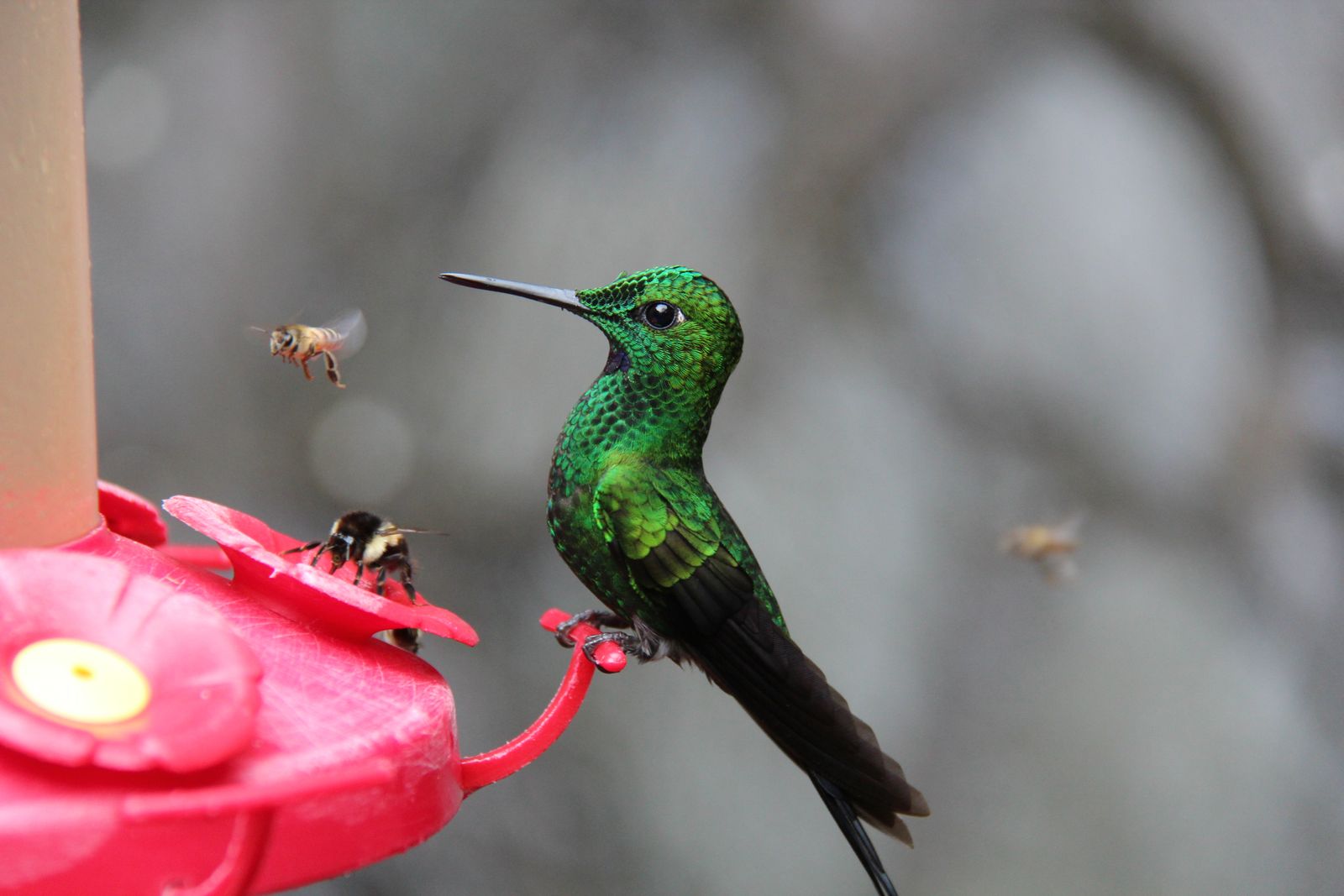
Troubleshooting Pest Barriers: Keeping Wasps Away Without Blocking Solar Lights
Wasps and bees come to a hummingbird feeder for two reasons — accessible nectar at the ports and spilled sugar on the outside — and both are fixable without taping anything over the solar cap or smearing substances near the ports. The effective moves are keeping the exterior dry, removing yellow from the setup, and relocating the feeder a short distance so the insects lose the address. Everything that blocks the panel or coats the feeder creates a new problem instead of solving the old one.
Why are wasps at the feeder in the first place?
Because sugar water is exactly what a late-season wasp is looking for. Wasp colonies shift their focus toward sugars as the season progresses, which is why a feeder that was insect-free in June can be crowded in August. Bees arrive for the same reason, though they are usually less persistent and less aggressive about it.
Two features make a particular feeder attractive:
- Reachable liquid. If a wasp can get its mouthparts to the nectar through a port, it will return and recruit others.
- Anything sticky on the outside. Drips down the body, a wet ring at the base, or dried residue around the ports are stronger attractants than the sealed nectar inside.
How do you keep wasps away without covering the solar panel?
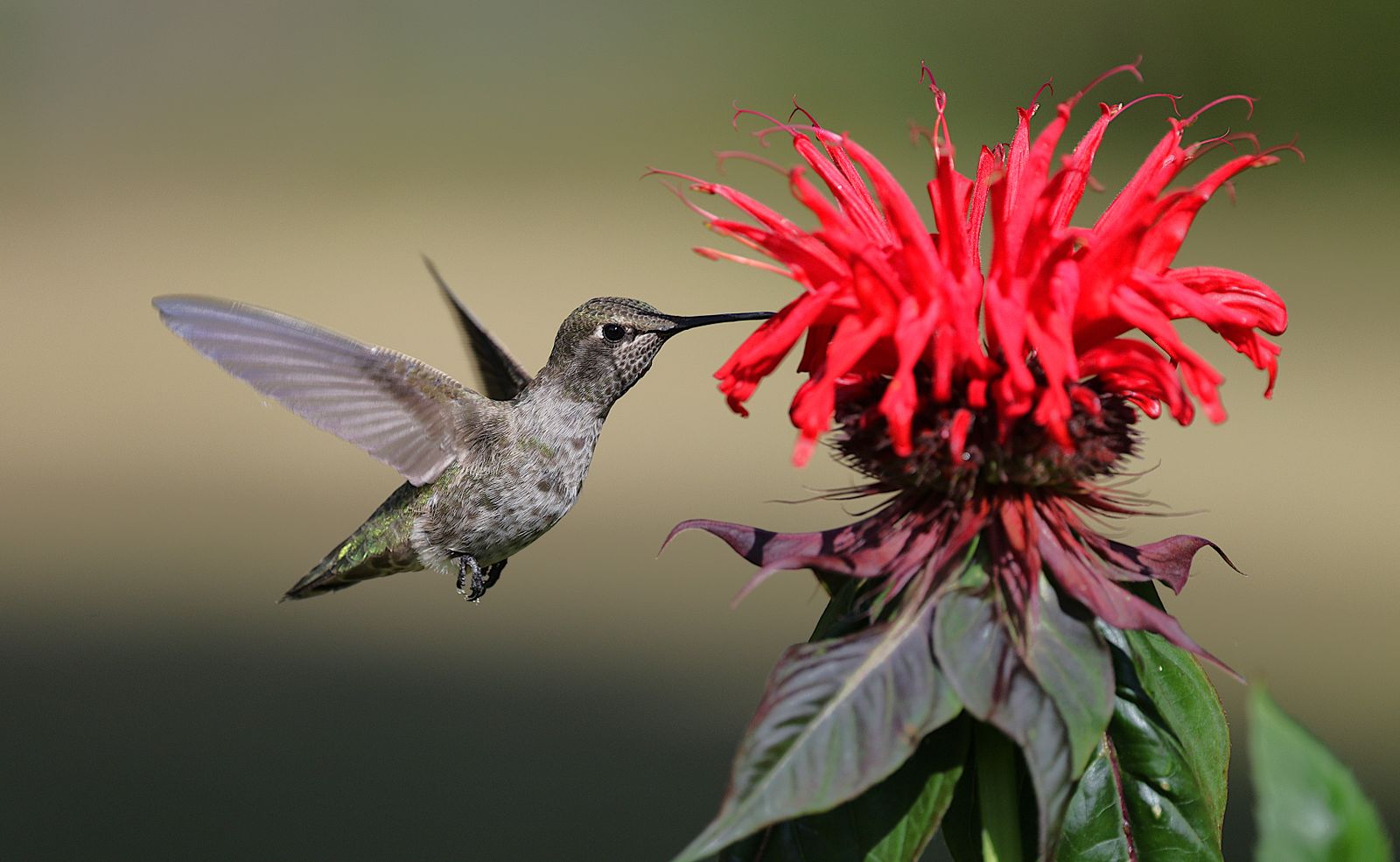
Photo by Veronika Andrews on Pexels
Never obstruct the cap. A solar feeder depends on daylight reaching its panel, and covering it with tape, mesh, foil, or a homemade shade trades your evening lighting for nothing — insects are working at the ports and the body, not the top. Work at the ports and the exterior instead.
What to avoid entirely
| Popular fix | Verdict | Why | |---|---|---| | Petroleum jelly, oil, or grease near the ports | Avoid | Can foul feathers, which is genuinely harmful to birds | | Insecticide sprayed on or near a feeder | Avoid | Contaminates the nectar and removes the insects nestlings need | | Taping or shading the solar cap | Avoid | Disables charging; does nothing about port access | | Diluting the nectar to make it less appealing | Avoid | Stay with one part sugar to four parts water | | Placing a wasp trap right beside the feeder | Avoid | Concentrates wasps in the exact spot you want clear | | A wasp trap well away from the feeder | Reasonable | Draws traffic to a different part of the yard | | Moving the feeder and cleaning the exterior | Best first step | Addresses both attractants at once |
Do bees need to be handled differently from wasps?
Somewhat. Bees are pollinators worth protecting, and they are usually easier to redirect than wasps because they respond well to an alternative. Rather than trying to exclude them, give them a better option: flowering plants nearby will hold most bee traffic away from a feeder whose ports are hard for them to use.
Bees also tend to work in a narrower window of the day and are less inclined than wasps to escalate. If you have bees rather than wasps, port design plus a good planted layer usually settles it, and there is no need for traps of any kind. The balance between planting and feeders as nectar sources is covered in this comparison of live nectar plants and glass solar feeders.
Where should the feeder go after you move it?
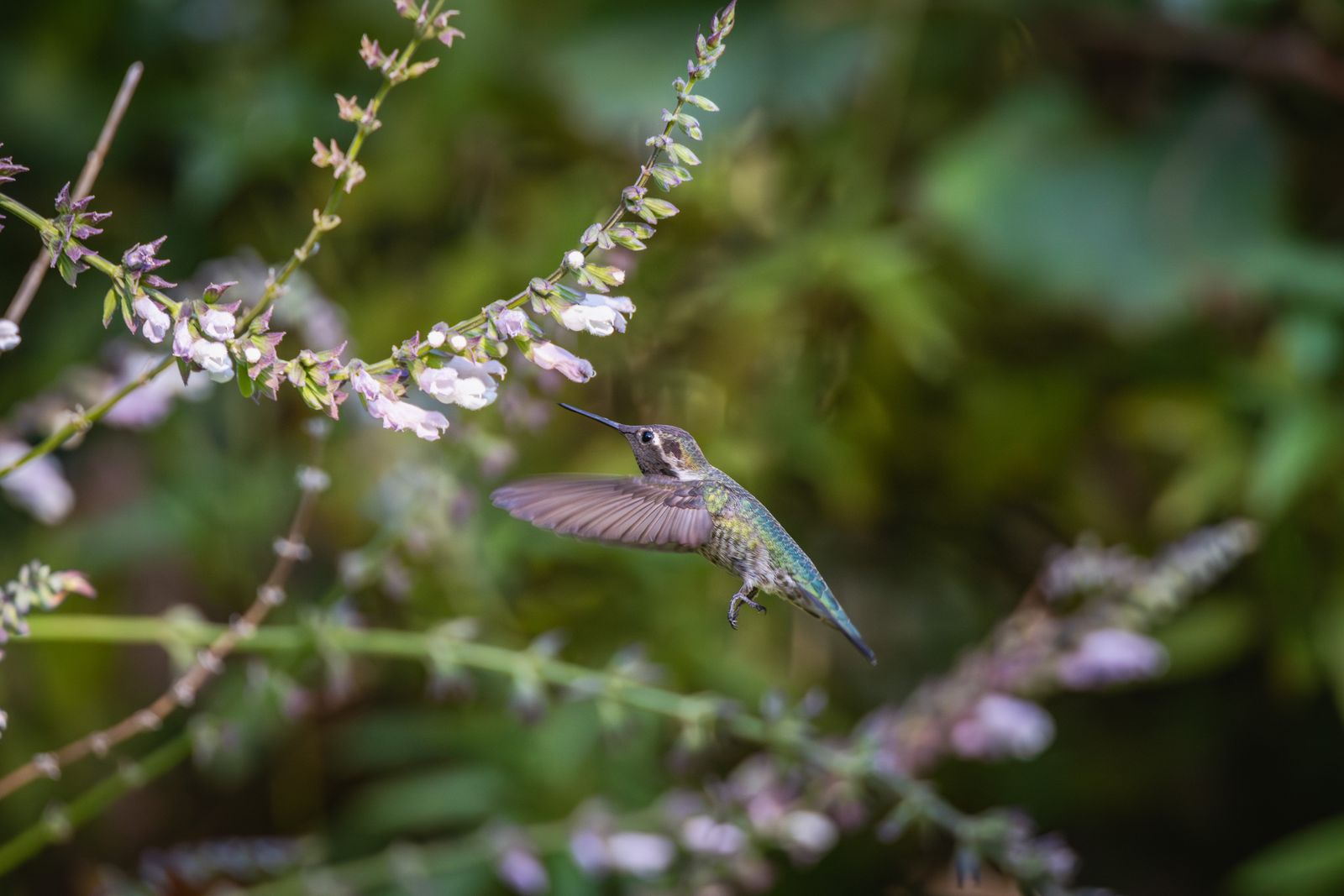
Pick a spot that satisfies four requirements at once: several hours of direct sun on the cap so the lighting still charges, afternoon shade on the reservoir if you can arrange it, a clear approach and a perch within about ten to fifteen feet for the birds, and a position that is not above concrete or decking where drips accumulate and attract more insects.
Ten to twenty feet of separation is enough. You are not trying to hide the feeder from birds — they will find it within a day or two — you are breaking the fixed route the wasps have established.
While the feeder is down for its cleaning pause, wash it thoroughly with hot water and a brush, paying attention to the ports and to the seam around the base where residue collects. A see-through glass reservoir makes it easy to confirm the interior is genuinely clean rather than merely rinsed, and glass tolerates repeated hot-water washing well through an insect-heavy season — the durability side of that is covered in this hand-blown glass and plastic comparison.
Does insect pressure change the nectar routine?
The recipe stays the same: one part plain white sugar to four parts water, no red dye, never honey or brown sugar. Wasp season overlaps with the hottest part of the year, so the interval between changes should already be short, and shorter intervals help twice over — less time for nectar to spoil, and more frequent opportunities to wipe down the exterior.
Ants are a separate issue with a separate answer. Use an ant moat filled with plain water only; nothing else belongs in a moat, and oils or repellents in one can harm birds.
FAQ
Will wasps hurt the hummingbirds? Direct harm is uncommon, but heavy wasp traffic does deter birds from feeding, and a defended port effectively removes access. The practical damage is lost feeding time rather than injury.
How long does moving the feeder take to work? Often two or three days. Birds usually relocate within a day; wasp traffic fades as the old location stops paying off.
Can I keep the feeder up if there are only a few bees? Yes. A handful of bees is normal and not worth intervention. Keep the exterior clean, and act only if the ports become genuinely crowded.
Do decorative solar lights attract wasps at night? No. Wasps and bees are active in daylight, and the lighting on a solar feeder runs after they have stopped foraging. The insects are responding to sugar, not to light.
A practical next step
Take the feeder down today, wash the outside as carefully as the inside, and leave it off for two or three days. Then rehang it fifteen feet from the old spot — somewhere with morning sun, afternoon shade, and nothing yellow nearby — filled only partway with fresh one-to-four nectar.
Cover photo by Dick Scholten on Pexels.