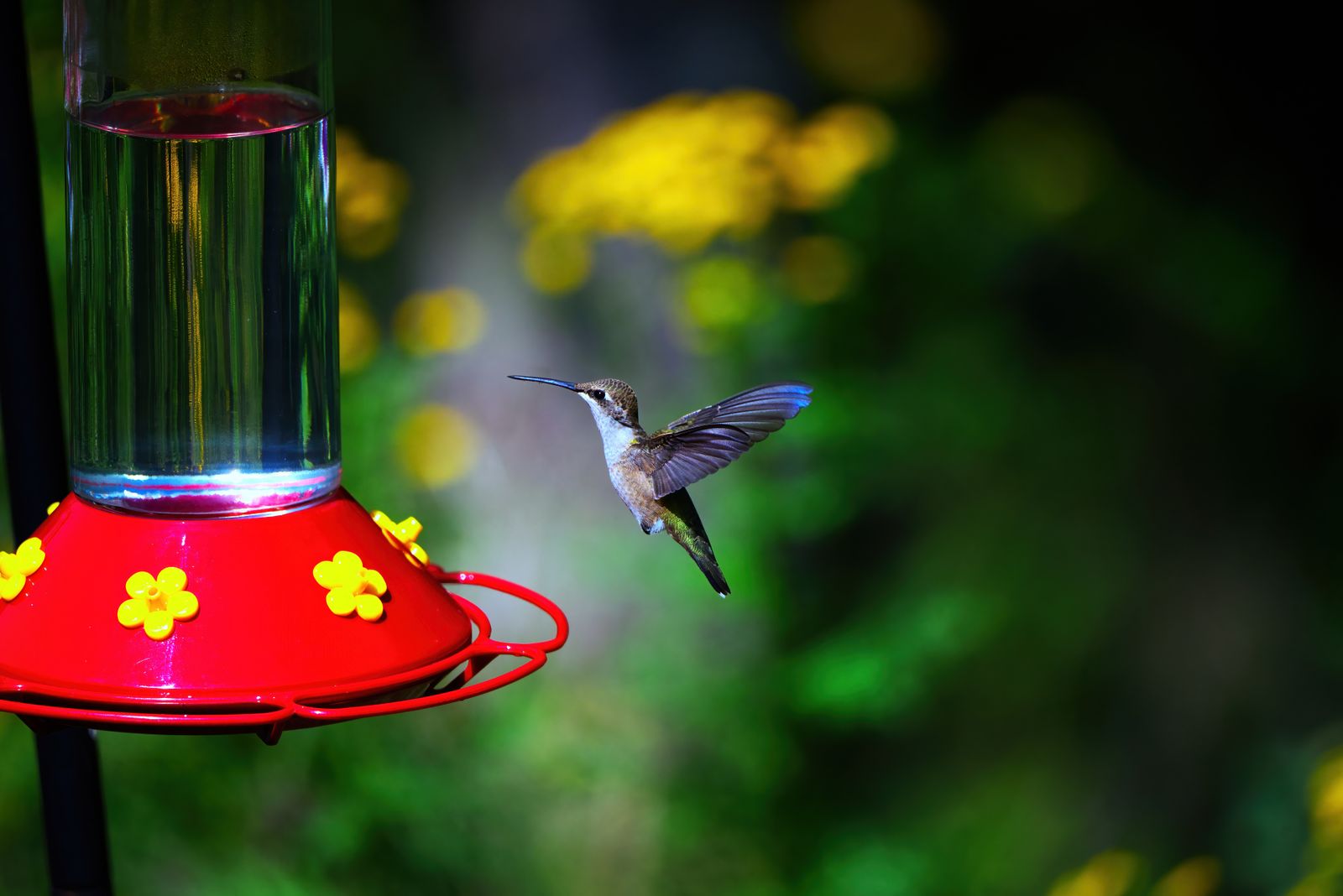
Can You Use Honey in a Hummingbird Feeder? Safe vs. Toxic Sugars Explained
No, you must never use honey in a hummingbird feeder. Honey ferments rapidly in outdoor temperatures and harbors fungal spores that cause Candidiasis, a fatal disease that causes a hummingbird's tongue to swell painfully. Only use standard white refined table sugar mixed 1:4 with plain water; all other sugars, honey, raw cane, and artificial sweeteners are toxic or fatal.
Biological Impact Flowchart: Honey vs. White Sugar
- Which sweetener did you mix into the feeder reservoir? → Yes: Honey or Unrefined/Raw Sugar (Proceed to Biological Hazard Path A). No: White Refined Table Sugar (Proceed to Safe Digestion Path B).
- Path A: Honey & Unrefined Sugars introduced to outdoor warmth. → Yes: Spores & iron multiply rapidly -> Candida yeast overgrowth occurs -> Avian ingests nectar -> Tongue swells painfully (Candidiasis) -> Bird cannot feed and starves.. No: Immediate organ toxicity from iron accumulation occurs in liver..
- Path B: Pure Sucrose (White Sugar + Water 1:4 Ratio). → Yes: Dissolves cleanly without iron or fungal spores -> Rapid enzymatic breakdown into glucose & fructose -> Provides clean flight energy for rapid metabolism.. No: Re-check ratio to ensure no over-concentration..
Sweetener Safety Matrix: What Is Safe and What Is Lethal
| Pantry Ingredient | Safety Level | Chemical Profile & Impurities | Avian Biological Risk | Required Remediation |
| --- | --- | --- | --- | --- |
| White Refined Table Sugar (Cane or Beet) | SAFE & RECOMMENDED | 100% Pure Sucrose (Zero Iron, Zero Spores) | Safely mimics natural flower nectar; metabolized easily without organ stress. | None. Use in a standard 1:4 ratio with clean water. |
| Raw Honey / Commercial Honey | FATAL / TOXIC | Contains naturally occurring yeast spores and high moisture content | Causes avian Candidiasis (tongue rot/swelling) leading to inability to eat and starvation. | Dump nectar immediately. Sanitize feeder with 1:9 bleach solution. |
| Brown Sugar (Light or Dark) | TOXIC | Sucrose mixed with molasses (High Iron levels) | Causes Iron Storage Disease (hemochromatosis), destroying liver and kidney tissue. | Remove immediately. Rinse reservoir thoroughly and replace with white sugar. |
| Raw, Turbinado, or Demerara Sugar | DANGEROUS | Partially refined sucrose with residual molasses ash | Chronic iron accumulation damages internal organs over short feeding periods. | Discard nectar mix and clean feeding ports thoroughly. |
| Artificial Sweeteners (Splenda, Stevia, Equal) | FATAL | Zero-calorie chemical substitutes (Sucralose, Aspartame) | Provides zero metabolic energy. Hummingbirds burn out calorie reserves and starve within hours. | Remove feeder instantly. Hang fresh 1:4 sucrose mix. |
| Powdered / Confectioners' Sugar | DANGEROUS | Finely ground sugar with 3% cornstarch added | Cornstarch ferments rapidly in sunlight and forms severe intestinal blockages. | Dump mix immediately and scrub feeder ports with warm soapy water. |
| Agave Nectar / Maple Syrup | UNSAFE | High fructose plant syrup, rich in complex minerals and wild bacteria | Triggers rapid fermentation and bacterial gastrointestinal distress. | Discard and sanitize glass reservoir before refilling. |
Evaluate pantry sweeteners before hanging your feeder. Different sugar structures and impurities create radically different biological reactions in wild birds.
Avian Rehabilitator Warning: Why 'Natural' Sugars Are Deadly
Many caring gardeners naturally assume that unprocessed honey or raw organic sugar must be healthier for wild birds than refined white sugar. However, wildlife rehabilitators frequently treat hummingbirds suffering from severe, preventable conditions caused by these exact natural sweeteners.
> "Hummingbird metabolisms process sucrose with astonishing efficiency, but their livers cannot filter out iron or fight off fungal spores found in honey. Honey creates a warm broth for bacterial yeast that causes Candidiasis—a condition where the bird's tongue swells to twice its size, preventing it from pulling into its bill or drinking. Standard refined white sugar is not 'unhealthy junk food' for hummingbirds; chemically, it is the safest, purest equivalent to real floral nectar on the planet." > > — Dr. Ellen Vance, Avian Wildlife Specialist
When choosing sweeteners, remember that human dietary logic does not apply to avian biology. Pure white table sugar combined with clean water is the gold standard.
Feeder Contamination Emergency Decision Tree
- Is the unsafe sweetener currently hanging outside in your feeder? → Yes: Remove the feeder immediately from your garden to stop birds from feeding.. No: If the mix was never hung, simply pour it down the drain and start over.
- Was honey or raw sugar left in the feeder for more than 2 hours in warm weather? → Yes: Perform a complete chemical sterilization using a 1:9 unscented household bleach to water soak to kill lingering fungal spores.. No: Perform a deep hot-water and white vinegar soak, scrubbing all port openings thoroughly.
- Are you using a hand-blown glass feeder with a rust-resistant metal base? → Yes: Disassemble the glass bottle and metal base safely. Soak glass in sanitizing bath while hand-cleaning rubber seals.. No: Check plastic components for micro-scratches where mold spores may hide and replace if necessary.
Immediate Feeder Remediation Plan
Your decision: Remove and replace any non-standard nectar immediately to prevent avian illness.
Do this next: Immediately dump contaminated nectar into the sink. Completely disassemble your feeder and soak the glass reservoir and feeding base in a 1:9 bleach water solution for 15 minutes before refilling with standard 1:4 white sugar nectar.
- Read next: safe 4:1 white sugar nectar recipe
- Read next: adjusting nectar care during summer heat waves
Upgrade to a non-porous LUJII Hand-Blown Glass Solar Hummingbird Feeder to easily monitor nectar clarity and protect birds from mold buildup.
Take action immediately if an unsafe sweetener was offered to your backyard hummingbirds.
Core Rules of Safe Hummingbird Nectar
Keep these five essential rules in mind every time you mix a batch of homemade hummingbird food:
Sweetener Selection Guide: What to Use and What to Avoid
Only pure, white refined cane or beet table sugar mixed with boiled water in a 1:4 ratio closely mimics floral nectar and protects hummingbirds from lethal pathogens and mineral overload.
Best choice for
- White Refined Granulated Sugar (Cane or Beet) — Provides clean, easily digestible sucrose without trace metals or fungal spores.
- Plain Water Only (Temporary) — Hummingbirds will seek natural flower nectar elsewhere until pure white sugar is purchased. Never substitute pantry alternatives.
- Using honey (causes fatal fungal tongue infection Candidiasis)
- Using brown sugar or molasses (causes lethal iron storage disease)
- Using raw, turbinado, or organic unrefined sugar (contains high iron levels that damage organs)
- Using zero-calorie artificial sweeteners (causes starvation due to zero caloric value)
- Using powdered sugar (contains toxic cornstarch anti-caking agents)
- Boiled Tap Water or Filtered Water — Reduces chlorine and impurities when dissolving refined white sugar for optimal fresh nectar.
Hand-Blown Glass Feeders for Safe Cleaning & Nectar Monitoring
Maintaining pristine nectar safety requires a feeder that is easy to inspect, easy to clean, and built from non-porous materials that resist fungal buildup.
Comprehensive Sweetener Toxicity & Chemical Profile Matrix
| Sweetener Name | Primary Carbohydrate | Iron Content (mg/100g) | Fermentation Speed | Avian Toxicity Rating |
| --- | --- | --- | --- | --- |
| White Refined Table Sugar | Sucrose (99.9%) | 0.05 mg (Safe) | Slow (2-4 days) | 100% Safe |
| Honey (Raw or Processed) | Fructose/Glucose Mix | 0.42 mg | Extremely Fast (<12 hrs) | Fatal (Candidiasis) |
| Light Brown Sugar | Sucrose + Molasses | 1.91 mg | Fast (24 hrs) | Toxic (Iron Storage) |
| Dark Brown Sugar | Sucrose + High Molasses | 3.47 mg | Fast (24 hrs) | Highly Toxic (Iron Storage) |
| Turbinado / Raw Sugar | Sucrose + Molasses Ash | 0.85 mg | Moderate (24-48 hrs) | Unsafe / Chronic Organ Damage |
| Splenda / Stevia / Equal | Sucralose / Stevioside | 0.00 mg | Does not ferment | Fatal (Caloric Starvation) |
Compare chemical composition, iron content, fermentation speed, and biological safety across common kitchen sweeteners.
How to Decontaminate and Sanitize Your Solar Glass Feeder
If your feeder was filled with honey, unrefined sugar, or fermented nectar, follow this deep decontamination routine to completely neutralize harmful pathogens.
5 Critical Hummingbird Nectar Blunders to Avoid
Avoid these frequent mistakes to ensure your garden remains a safe haven for wild hummingbirds:
Essential Guides on Nectar Preparation and Feeder Care
- safe 4:1 white sugar nectar recipe
- adjusting nectar care during summer heat waves
- twilight nectar safety FAQ
Frequently Asked Questions About Hummingbird Sweeteners
Get rapid answers to essential safety and cleaning questions regarding household sweeteners.
Next Steps: Protect Your Garden Visitors
Your decision: Choose the right feeder design and stick strictly to safe 1:4 white refined sugar nectar.
Do this next: Safely discard any non-standard sweetening agents today, clean your feeder with dilute bleach or hot vinegar, and make fresh sucrose nectar using standard white table sugar.
- Read next: safe 4:1 white sugar nectar recipe
Elevate your backyard sanctuary with the LUJII Hand-Blown Glass Solar Hummingbird Feeder for clear nectar visibility, rust-proof metal construction, and beautiful twilight RGB illumination.
Ensure your backyard feeding station remains safe, hygienic, and beautiful for every passing hummingbird.
Cover photo by DANNIEL CORBIT on Pexels.