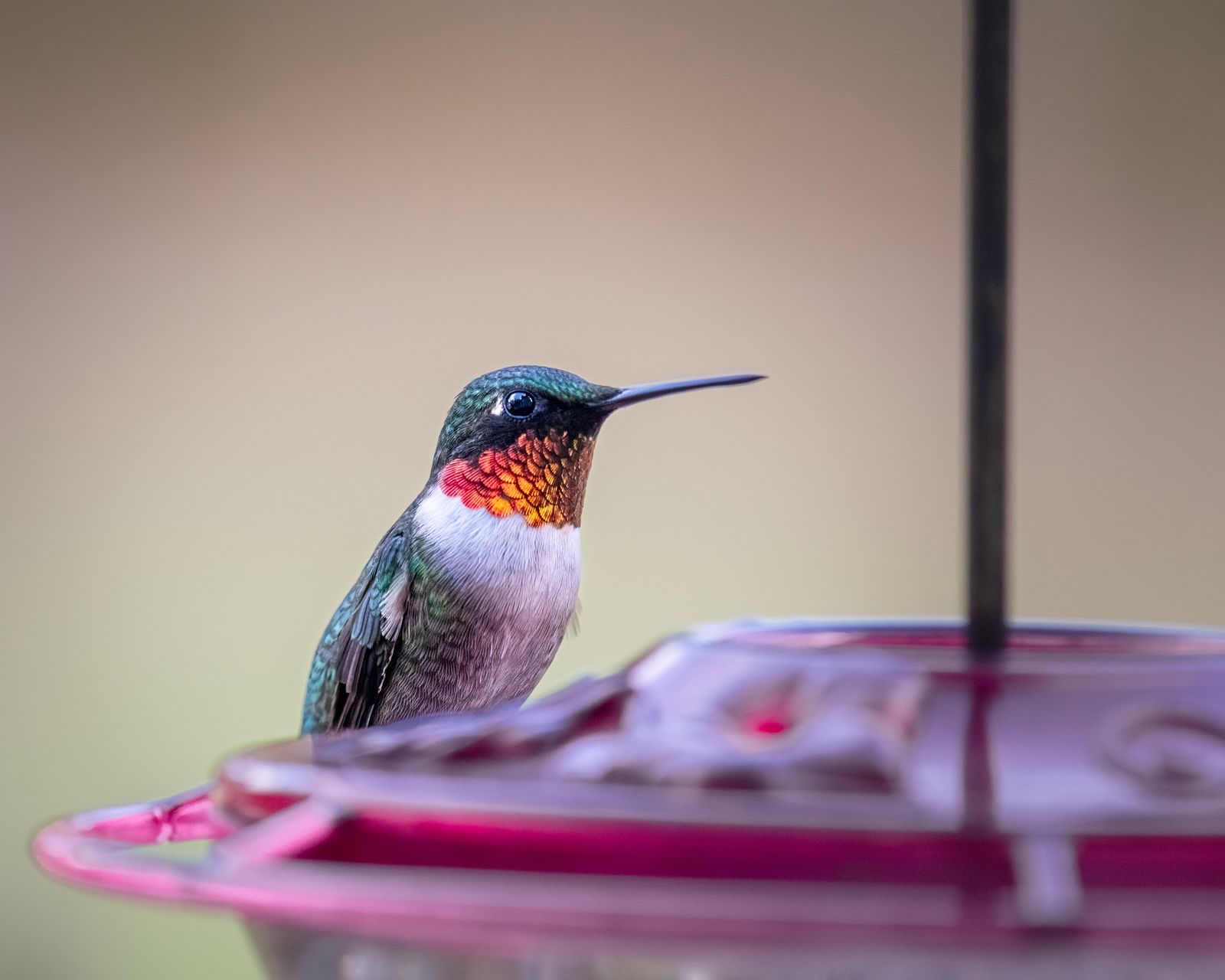
Hummingbird Feeder Pest Control & Leak Fix Guide
To fix hummingbird feeder leaks and stop pests, suspend a water-filled ant moat above the feeder, move the reservoir into partial afternoon shade to stop thermal air expansion, and wipe ports with plain water. Avoid sticky oils or insecticides, which harm bird feathers and health.
Hummingbird Feeder Pest & Leak Diagnostic Flowchart
- What primary symptom are you observing at your solar glass feeder? → Yes: Nectar dripping onto the ground or base -> Go to Step 2 (Thermal vs. Seal Inspection). No: Insects clustering on feeder -> Go to Step 3 (Insect Category Identification).
- Does dripping happen primarily between 1:00 PM and 5:00 PM on warm days? → Yes: Thermal Expansion Issue: Air inside the top of the glass reservoir expands in mid-day heat, pushing nectar out. Move feeder to partial shade.. No: Seal or Gasket Failure: Check silicone O-ring alignment between the glass reservoir and metal base; ensure threads are clean and screwed tight..
- Are the pests crawling insects (ants) or flying insects (bees, wasps, night moths)? → Yes: Crawling Ants: Install a top water-filled ant moat and trim any tree leaves touching the feeder body.. No: Flying Insects: For daytime bees/wasps, switch to 4:1 nectar ratio and wipe exterior ports. For night moths near solar RGB lights, hang feeder 5–10 feet clear of heavy foliage..
Solar Glass Feeder Diagnostic & Solution Matrix
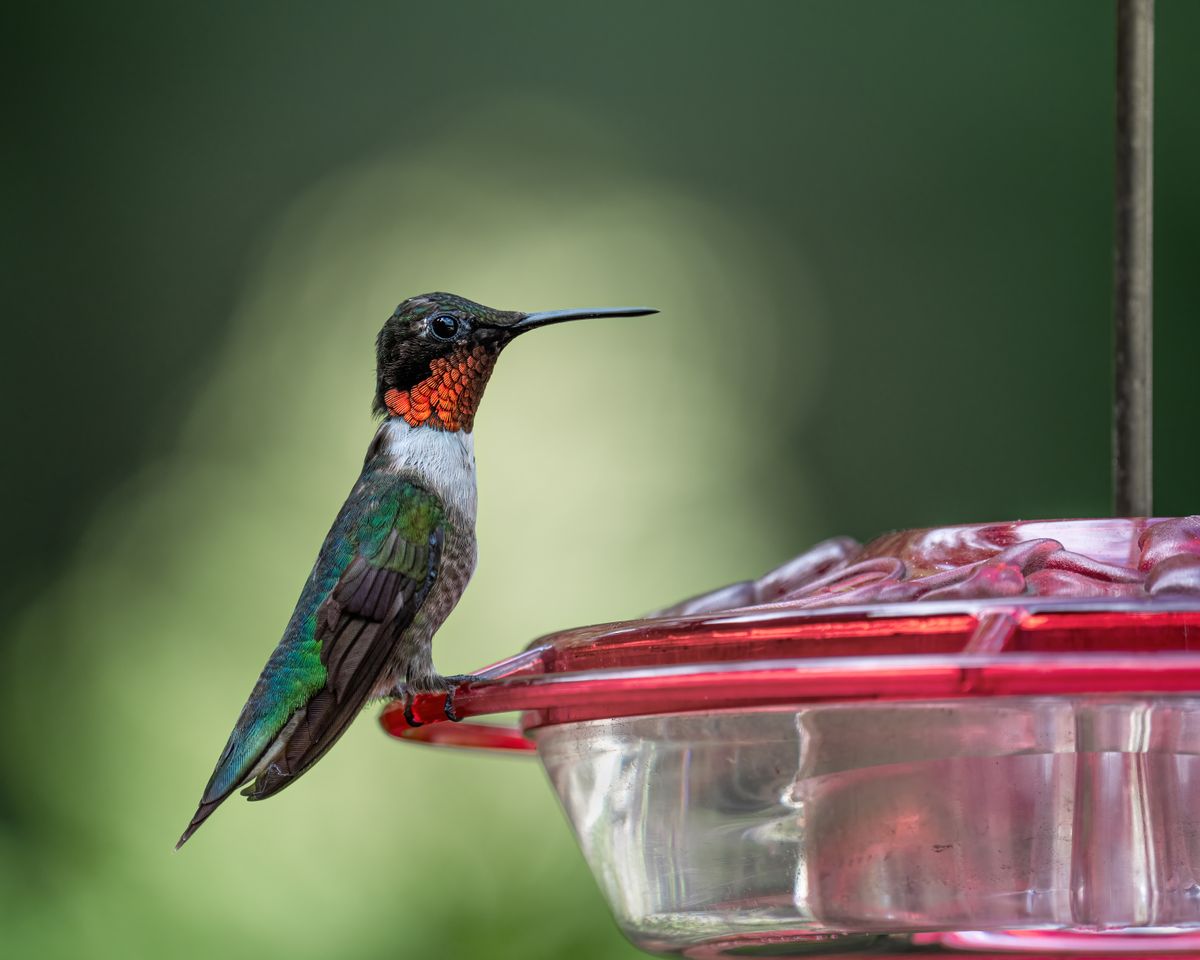
Photo by Skyler Ewing on Pexels
| Scenario / Observed Symptom | Root Cause | Immediate Non-Toxic Fix | Long-Term Prevention Strategy |
| --- | --- | --- | --- |
| Mid-Afternoon Base Dripping (Hot Days) | Sunlight heats the air pocket trapped inside the inverted hand-blown glass reservoir, creating positive pressure that forces nectar down through ports. | Move feeder to receive direct morning sun but complete afternoon shade from 1 PM to 4 PM. | Fill reservoir 80-90% full with cool nectar during summer peaks to decrease the internal air pocket volume. |
| Ant Lines Climbing Down Hanging Rod | Ant scouts detect microscopic sugar residue and establish pheromone trails down hanging hardware. | Hang a 2-3 oz water-filled ant moat between the hanging hook and the solar cap. Flush existing ants off with plain water. | Inspect weekly to refill moat water and ensure no overhanging tree branches create secondary bridge pathways. |
| Yellowjackets & Bees Swarming Ports | Nectar spilled on exterior metal base or port openings with sweet sugar concentration higher than 4:1 ratio. | Wipe outer metal base and feeding ports thoroughly with a damp microfiber cloth soaked in plain warm water. | Maintain a strict 4:1 water-to-refined white sugar nectar ratio. Avoid 3:1 rich mixtures in midsummer heat. |
| Night Flying Insects Near Solar RGB Lights | Solar RGB LED illumination attracts nocturnal moths, beetles, and midges after dark. | No action needed for bird safety (hummingbirds sleep at night). If insect density is high, position feeder slightly away from dense shrubs. | Ensure solar cap is kept clean so dusk-to-dawn sensors turn lighting off efficiently as dawn arrives. |
| Slow Continuous Leak at Base Threads | Misaligned silicone gasket or sugar crystal buildup in the metal base screw threads breaking the vacuum seal. | Unscrew reservoir, wash metal base threads with warm water, re-align internal silicone seal, and screw firmly tight. | Perform a full warm-water base rinse during every nectar refill cycle to prevent sticky sugar buildup. |
Locate your specific feeder symptom below to apply immediate, non-toxic physical remedies without using harmful chemicals.
Expert Tip: Managing Thermal Expansion in Hand-Blown Glass Feeders
Hand-blown glass reservoirs—like those crafted at 2,300°F for high clarity and durability—are completely impermeable, making them fantastic for hygiene. However, physics dictates that the trapped air pocket above your nectar will expand significantly when ambient temperatures rise from 70°F in the morning to 95°F by mid-afternoon.
The secret? Never hang an inverted glass feeder in unfiltered mid-afternoon sun. Positioning your solar feeder where it catches sunlight for evening solar charging while receiving shade during peak 2:00 PM summer heat prevents thermal pressure drops, ensuring your nectar stays inside the bottle rather than dripping onto your patio.
Weekly Anti-Leak & Pest Defense Checklist
- [ ] Inspect silicone rubber seal between glass reservoir and metal base for cracks or misalignments.
- [ ] Refill top hanging ant moat with clean tap water; remove leaves or floating debris.
- [ ] Wipe external ports and anti-rust metal base with warm water to eliminate sticky nectar residue.
- [ ] Check that feeder is hung perfectly level on shepherd's hook to maintain balanced vacuum pressure.
- [ ] Verify feeder receives partial shade during peak mid-afternoon heat (1 PM – 4 PM).
- [ ] Clean solar light cap housing so the light sensor operates correctly and shields nectar from rain.
- [ ] Ensure no tree branches directly touch the feeder body, eliminating bridge pathways for ants.
Decision Tree: Selecting the Right Physical Barrier for Your Garden Setup
- Is your primary challenge crawling insects or flying insects? → Yes: Crawling Insects -> Do you hang your feeder from a shepherd's hook or a tree branch?. No: Flying Insects -> Is the swarming occurring during daytime (bees) or nighttime (moths)?
- Hanging from a Shepherd's Hook or Tree Branch? → Yes: Shepherd's Hook: Install a standalone top water ant moat. Apply a light dab of food-grade mineral oil ONLY to the middle section of the metal pole (well out of bird reach).. No: Tree Branch: Install an extra-wide hanging ant moat and prune leaves within 12 inches of the feeder body.
- Daytime Bees or Nighttime Moths? → Yes: Daytime Bees/Wasps: Move feeder 15 feet away from bright floral garden beds temporarily, ensure 4:1 nectar mix, and verify ports have no drips.. No: Nighttime Moths/Beetles: Relax and enjoy the ambient glow! Nocturnal bugs do not disturb roosting hummingbirds. Ensure feeder is rinsed weekly.
Immediate Action Plan for a Clean Feeding Station
Your decision: Determine whether your feeder issue is caused by physical seal failure, thermal air expansion, or unshielded sugar trails.
Do this next: Install an external water-filled ant moat, move the feeder to receive afternoon shade, and perform a warm-water seal inspection.
- Read next: Best Ant Moats for Hummingbird Feeders: Built-In vs. Hanging Hooks
- Read next: How to Clean and Maintain Your Hand-Blown Solar Hummingbird Feeder
Upgrade to the LUJII Solar Hand-Blown Glass Hummingbird Feeder with sealed anti-rust metal base for enhanced drip resistance.
Follow these simple steps right now to stabilize your feeder, stop leaks, and prevent insect swarms.
Key Takeaways for Pest-Free & Drip-Free Feeding
Remember these core principles of non-toxic pest management and structural feeder care for your garden.
Pest Defense Strategy Selector: Physical Barriers vs. Relocation
Choose physical barriers like ant moats for crawling pests, partial afternoon shade for thermal leaks, and simple water rinses over chemical sprays to protect birds.
Best choice for
- Water-filled Hanging Ant Moat — Creates a physical water barrier ants cannot cross without introducing toxic chemicals near feeding birds.
- Partial Sun Placement / Afternoon Shade — Prevents air inside hand-blown glass reservoirs from overheating and pushing nectar down through ports.
- Solar RGB Light Cycling or Strategic Shrub Distance — Reduces insect attraction near ports while maintaining glowing garden decor illumination.
- Using petroleum jelly, grease, or sticky gels on hanging rods (can smear onto bird feathers and destroy flight capabilities).
- Using chemical insecticides or bug sprays anywhere near feeding stations.
- Overfilling inverted glass reservoirs above the shoulder line without establishing an air vacuum seal.
- Built-in Nectar Guards vs. External Bee Guards — Built-in narrow ports allow hummingbird extendable tongues while physically blocking wide bee bodies.
Recommended Solution: Leak-Proof Hand-Blown Solar Hummingbird Feeders
If your current feeder suffers from cracked plastic, rusty metal fittings, or persistent dripping base threads, upgrading to a precision-engineered glass feeder makes all the difference.
🌟 LUJII Solar-Powered Hummingbird Feeder
- Hand-Blown Glass Artistry: Each reservoir is individually handcrafted at 2,300°F, creating thick, durable glass with vibrant translucent colors that let you monitor nectar levels at a glance.
- Sealed Leak-Proof Metal Base: Features an anti-rust coated metal base with precision silicone O-rings engineered to maintain internal vacuum pressure and prevent drips.
- Solar RGB Ambient Lighting: Automatically lights up at night for up to 8 hours with glowing color-changing modes, turning your bird sanctuary into a magical garden centerpiece.
- Generous 32 fl. oz Capacity: Holds plenty of nectar while the protective plastic solar cap shields nectar from hot sun and rain diluting your mix.
Comparison of Physical Pest Deterrents for Hummingbird Feeders
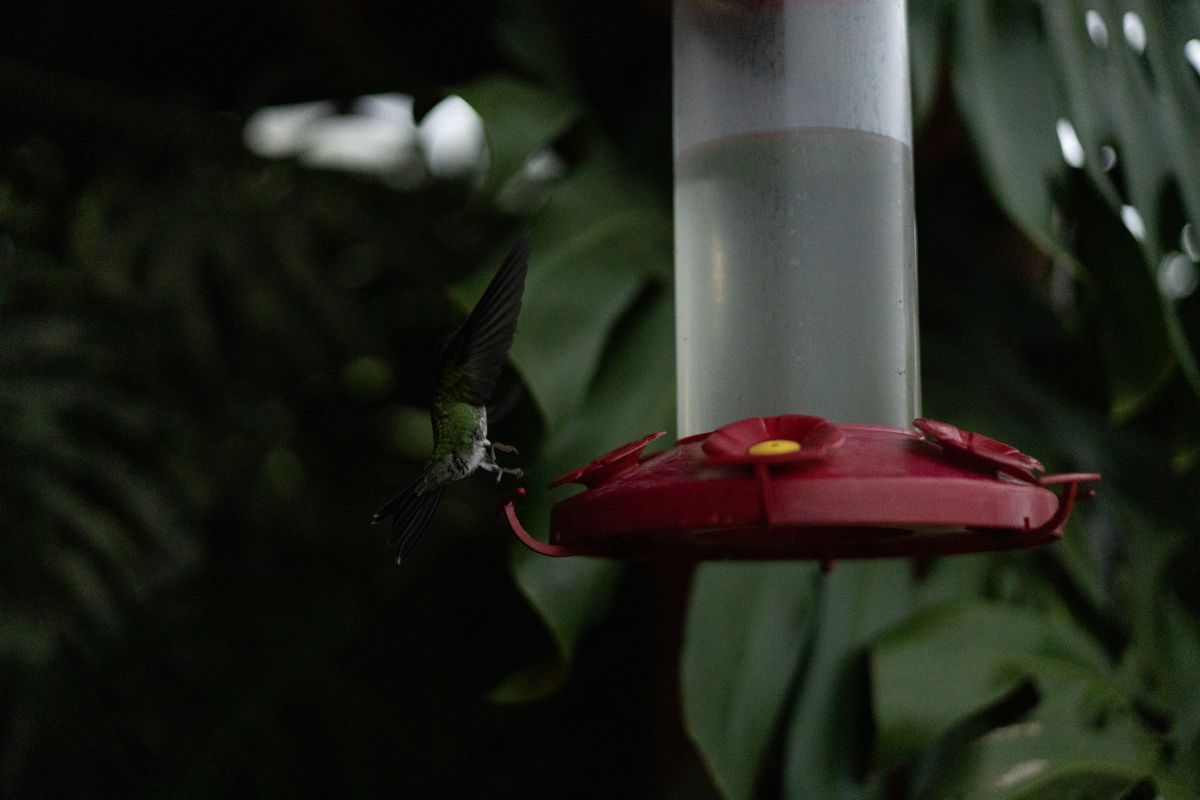
Photo by Dante Muñoz on Pexels
| Deterrent Method | Target Pest / Issue | Safety for Hummingbirds | Maintenance Level | Overall Effectiveness |
| --- | --- | --- | --- | --- |
| Water-Filled Hanging Ant Moat | Crawling Ants & Spiders | 100% Safe (Provides drinking water for small birds) | Low (Refill water weekly) | High (Completely stops ant pathways) |
| Afternoon Shade Canopy Placement | Thermal Leakage & Rapid Fermentation | 100% Safe (Protects birds from overheating) | Zero Maintenance once positioned | Very High (Eliminates heat-induced dripping) |
| Silicone Base Thread Gasket | Base Seams & Thread Dripping | 100% Safe (Contained within hardware) | Low (Rinse during regular refills) | High (Maintains liquid vacuum seal) |
| Petroleum Jelly on Rods (DO NOT USE) | Crawling Ants | HAZARDOUS (Matts feathers; prevents flight) | High (Collects dirt and dead bugs) | Unsafe / Not Recommended |
Evaluate how different non-toxic physical barriers perform across maintenance ease, safety, and effectiveness.
5 Steps to Reset a Leaking or Infested Solar Glass Feeder
Follow this thorough cleaning and assembly protocol to restore a complete leak-proof vacuum seal and clear pest attractants.
Common Mistakes That Cause Nectar Leaks and Insect Swarms
Avoid these four frequent errors that inadvertently invite pests or break your feeder's vacuum seal:
Related Guides on Nectar Safety and Solar Feeder Maintenance
- Best Leak-Proof Hummingbird Feeders: Engineering, Physics, and Garden Aesthetics
- Hummingbird Feeder Leak Troubleshooting: Stop Nectar Drips Fast
- Hummingbird Feeder Pest Control FAQ: Safe Solutions for Ants, Bees, and Night Visitors
Frequently Asked Questions: Feeder Pest Control & Solar Lighting
Find authoritative answers to common troubleshooting questions regarding solar illuminated glass feeders.
Your Action Plan for a Drip-Free, Magical Garden Sanctuary
Your decision: Determine whether your feeder issue is caused by physical seal failure, thermal air expansion, or unshielded sugar trails.
Do this next: Install an external water-filled ant moat, move the feeder to receive afternoon shade, and perform a warm-water seal inspection.
- Read next: Best Ant Moats for Hummingbird Feeders: Built-In vs. Hanging Hooks
- Read next: How to Clean and Maintain Your Hand-Blown Solar Hummingbird Feeder
Upgrade to the LUJII Solar Hand-Blown Glass Hummingbird Feeder with sealed anti-rust metal base for enhanced drip resistance.
Ready to turn your yard into a peaceful, bug-free haven for hummingbirds? By combining simple physical barriers like water ant moats with smart afternoon shade placement, you can enjoy drip-free feeding by day and gorgeous hand-blown RGB glass art by night.
Cover photo by Skyler Ewing on Pexels.