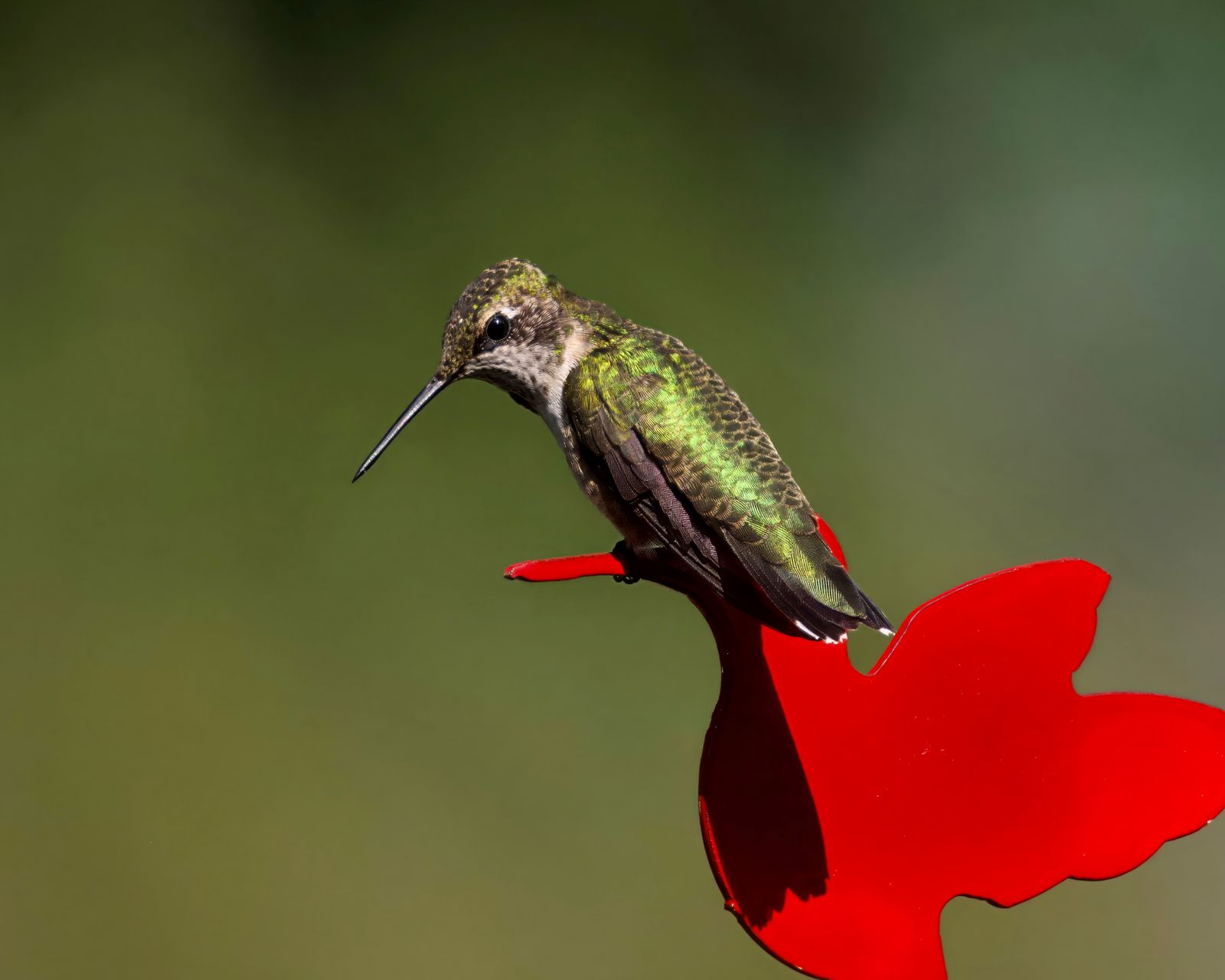
How to Keep Rain Out of Your Hummingbird Feeder: Weather Shielding & Nectar Safety Guide
Are sudden rainstorms continually diluting your hummingbird nectar and ruining your solar garden display? To stop rainwater from entering your feeder, mount a 12- to 14-inch clear optical polycarbonate rain dome 2 to 4 inches above the top cap and add a hardware drip loop to your hanging wire. For solar feeders, crystal-clear baffles let over 90% of solar radiation pass through to recharge internal batteries while deflecting water away from feeding ports.
Technical Specifications: Rain Shields & Weather Limits
| Parameter / Criterion | Optimal Specification | Impact on Solar & Nectar Safety |
| --- | --- | --- |
| Dome Diameter | 12 to 14 Inches | Extends physical shelter 4–6 inches beyond feeding perches to deflect wind-slanted rain. |
| Material Optical Clarity | ≥90% Solar Transmission (Polycarbonate / Acrylic) | Ensures top solar cap receives direct UV rays to charge RGB lighting for 8 hours of evening light. |
| Vertical Clearance | 2 to 4 Inches Above Solar Cap | Prevents ambient heat trapping over solar cap while maintaining an effective deflection angle. |
| Hanging Hardware | Stainless Steel S-Hook with Integrated Drip Loop | Breaks capillary action along hanging wires so runoff drips off before reaching top seals. |
| Wind Gust Threshold | 30 mph Maximum Exposed Limit | Hand-blown glass vessels should be moved under solid cover during severe thunderstorm warnings. |
Anatomy of Rain Intrusion & Shielding Vectors
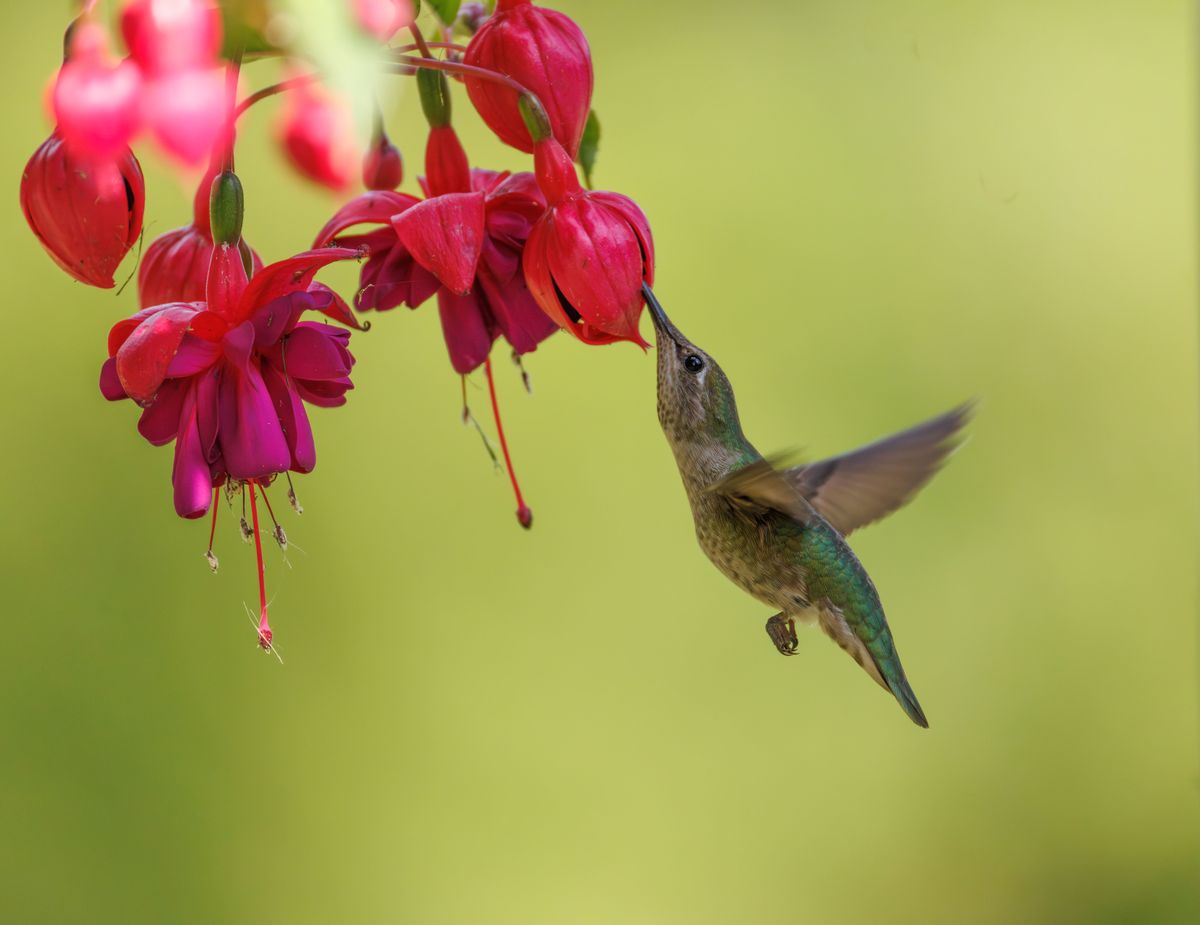
Photo by Veronika Andrews on Pexels
Post-Storm Failure Modes & Solutions
| Failure Mode / Symptom | Root Cause | Risk Level | Immediate Corrective Action |
| --- | --- | --- | --- |
| Cloudy Nectar & Fast Mold Growth | Rainwater entry diluted sugar concentration below 4:1 ratio, accelerating microbial fermentation. | High (Avian Health Hazard) | Discard diluted nectar immediately, sanitize the glass reservoir with warm water, and refill with fresh 4:1 sucrose solution. |
| RGB Solar Light Flickering or Dead | Water pooling on top cap or unsealed battery compartment during torrential downpours. | Moderate (Electrical Component Short) | Wipe top solar cap dry, inspect rubberized seals, and verify that the overhead rain baffle is clear to allow daytime recharge. |
| Nectar Dripping from Metal Base Ports | Wind-driven swaying creating internal pressure shifts or rain accumulating inside feeding wells. | Moderate (Attracts Pests & Wasps) | Confirm the anti-rust metal base gasket is seated tightly; lower feeder hanging height to reduce storm sway. |
| Water Layer Sitting on Top of Nectar | Direct vertical rainwater runoff tracking down hanging chain into top opening. | High (Spoilage & Dilution) | Install a drip loop bend on hanging wire 2 inches above the top cap and add a 12-inch clear rain dome. |
Rainstorms introduce several distinct failure modes that threaten hummingbird health and feeder integrity. Use this diagnostic matrix to identify symptoms, root causes, and immediate corrective steps.
Pre-Storm Weatherproofing Checklist
- [ ] Position a 12- to 14-inch clear rain baffle 2 to 4 inches directly above the top feeder cap.
- [ ] Verify the rain dome material is crystal-clear optical polycarbonate to permit solar panel charging.
- [ ] Form a physical drip loop or knot in the hanging wire to interrupt downward capillary water flow.
- [ ] Inspect the rubberized waterproof solar cap seal for proper alignment, cracks, or debris.
- [ ] Confirm the anti-rust coated metal base and rubber port gaskets are firmly seated.
- [ ] Keep nectar fill level slightly below the maximum 32 fl. oz capacity to prevent storm-sway sloshing.
Pro Tip: Protecting Solar Panels Without Sacrificing Nighttime Glow
Never place opaque, tinted, or dark plastic weather baffles over solar-powered feeders like the LUJII hand-blown glass model. Dark baffles block the photovoltaic cells from receiving UV rays, leaving your evening RGB lights uncharged. Always opt for UV-stabilized, optical-grade clear polycarbonate domes. They provide 100% overhead rain shedding while letting up to 92% of ambient solar radiation pass straight through to charge the internal battery for a full 8 hours of magical night illumination.
Frequently Asked Questions About Rain & Weather Shielding
Essential Rules for All-Weather Feeding
- Optical Transparency is Mandatory: Only use clear polycarbonate rain domes over solar feeders so photovoltaic cells receive sunlight.
- Break Capillary Action: A simple drip loop bend on your hanging wire stops rainwater from funneling down into the reservoir.
- Protect the 4:1 Nectar Ratio: Diluted nectar ferments quickly and poses severe health risks to hummingbirds; replace spoiled nectar post-storm.
- Safeguard Artisan Glass: Move delicate 2,300°F hand-blown glass feeders under solid patio shelter when severe wind warnings exceed 30 mph.
Choosing the Right Rain Shield Setup for Your Backyard
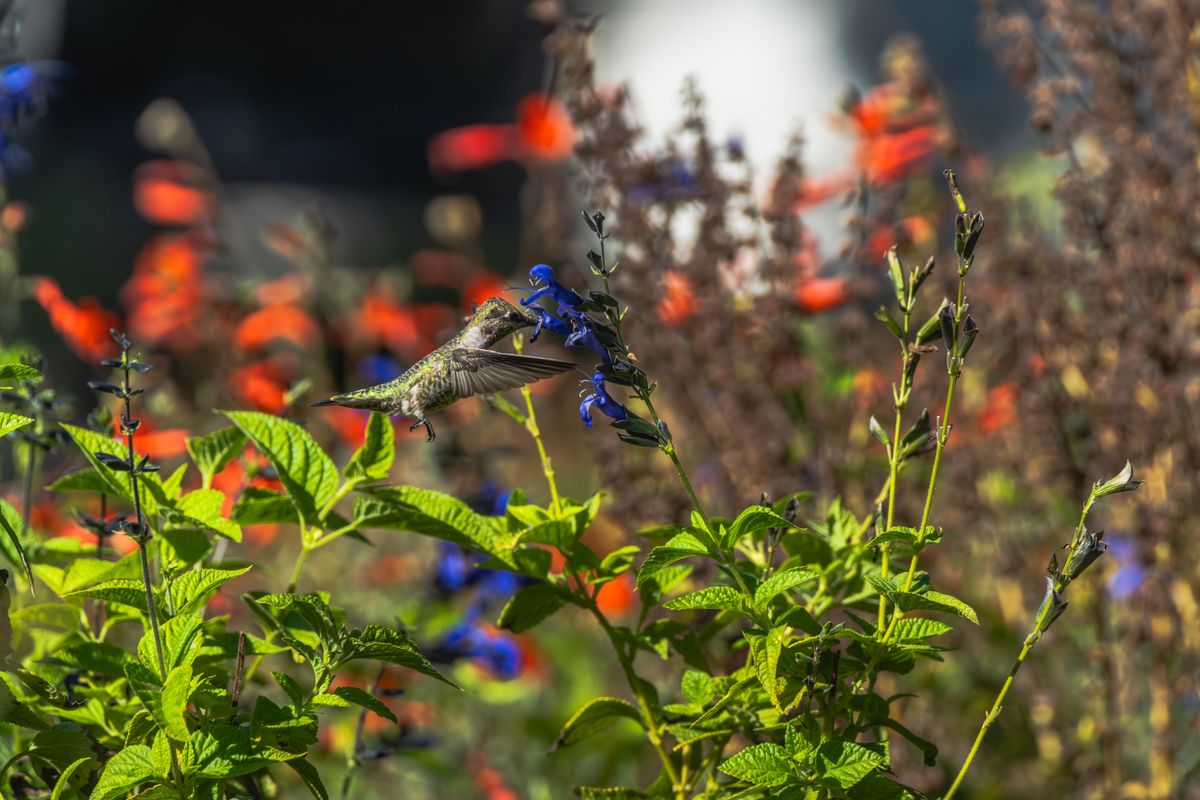
To prevent rain intrusion, install a 12- to 14-inch clear UV-stabilized polycarbonate rain baffle 2 to 4 inches above the feeder. For solar-powered hand-blown glass models, clear acrylic ensures full sunlight hits the solar cap while deflecting water away from port seals.
Best choice for
- 14-Inch Clear Polycarbonate Dome — Allows 92%+ sunlight penetration to recharge top solar caps while providing wide coverage over artistic glass bodies.
- Weighted Metal Dome with Sealed Hanging Hook — Resists tipping and lateral rainwater drift during coastal or high-wind rainstorms.
- Natural Dense Foliage Canopy + Drip Loop — Utilizes natural leaf protection combined with a hardware drip bend to prevent water from tracking down the hanging wire.
- Opaque or dark solid plastic baffles placed over solar-powered feeders, as they completely block battery recharging.
- Sealing feeding ports with grease or petroleum jelly, which contaminates hummingbird feathers and infects birds.
- Built-In Waterproof Cap Feeders — Feeders engineered with integrated rubberized solar cap gaskets and slender leak-proof bases minimize the need for oversized external baffles.
The Chemistry of Nectar Spoilage
Natural floral nectar consists of approximately 20% sucrose, which bird enthusiasts replicate using a strict 4:1 water-to-refined-white-sugar ratio. This specific concentration provides the intense calorie density hummingbirds need to fuel their rapid metabolisms. When rainwater enters the reservoir, it dilutes the mixture below 15% sugar concentration.Dilute sugar water creates an ideal breeding ground for airborne wild yeasts and bacterial spores. Within 6 to 12 hours during warm summer temperatures, diluted nectar ferments into alcohol and acetic acid. Consuming fermented nectar causes liver damage in hummingbirds, while proliferating Candida albicans fungi cause avian candidiasis—a painful tongue swelling that prevents birds from feeding.
Capillary Action along Hanging Wires
Water possesses high surface tension, allowing it to cling to smooth metal rods, S-hooks, and hanging chains. During steady rainfall, water streams down hanging hardware directly onto the top cap of your feeder. If the top cap lacks a rubberized seal or protective overhang, water forces its way past screw threads and into the glass reservoir.Creating a physical drip loop interrupts this flow. By bending your hanging wire into a downward loop or adding a metal drip ring 2 inches above the top cap, surface tension is broken, causing water droplets to fall harmlessly into the garden below.
Micro-Climate Placement and Tree Canopy Shelter
Where you hang your feeder determines how much rain exposure it endures. Hanging feeders on the eastern side of your home shields them from prevailing westerly storm fronts. Alternatively, hanging under a mature tree canopy provides partial leaf deflection, though falling rain eventually drips through. When utilizing natural foliage shelter, ensure the solar cap still receives at least 4 to 6 hours of unshaded sunlight during peak midday hours.Rain Shield Material & Solar Compatibility Matrix
| Shield Material Type | Solar Light Pass-Through | Rain Deflection Efficiency | Wind Load Durability | Best Application |
| --- | --- | --- | --- | --- |
| Clear Optical Polycarbonate | 90% – 94% (Excellent) | High (12–14" Coverage) | High (Shatter-Resistant) | Solar-Powered Glass Feeders |
| Dark / Opaque Tinted Plastic | 0% – 10% (Fails Solar) | High (12–14" Coverage) | Moderate (Degrades in UV) | Non-Solar Standard Feeders |
| Stamped Copper / Aluminum | 0% (Fails Solar) | Very High (Rigid Deflection) | Very High (Heavy Duty) | High-Wind Non-Solar Setups |
| Dense Tree Leaf Canopy | 20% – 50% (Variable) | Moderate (Drips After Storms) | N/A (Natural Shelter) | Secondary Shelter Supplement |
Compare shield materials using these criteria to find the right balance between water protection, solar efficiency, and storm durability.
Critical Mistakes That Accelerate Nectar Dilution and Feeder Damage
Featured Weather-Resistant Solar Hummingbird Feeders
Action Plan: Implement Your Weather Shielding System
Your decision: Determine whether your hanging location requires an external clear polycarbonate dome, a hardware drip loop adjustment, or a high-durability solar feeder upgrade.
Do this next: Inspect your hanging hardware today. Add a drip loop to your S-hook, mount a clear optical dome 2 to 4 inches above the solar cap, and ensure your nectar ratio stays at a strict 4:1 balance.
Related resource: Hummingbird Nectar Essentials: Preparation, Freshness, and Feeding Safety
🌟 LUJII Solar-Powered Hand-Blown Glass Hummingbird Feeder with Anti-Rust Metal Base and Waterproof Solar Cap.
Further Nectar Care & Garden Lighting Guides
Direct users to related pillar guides on nectar recipes, hot weather care, and night safety.
Cover photo by A. G. Rosales on Pexels.