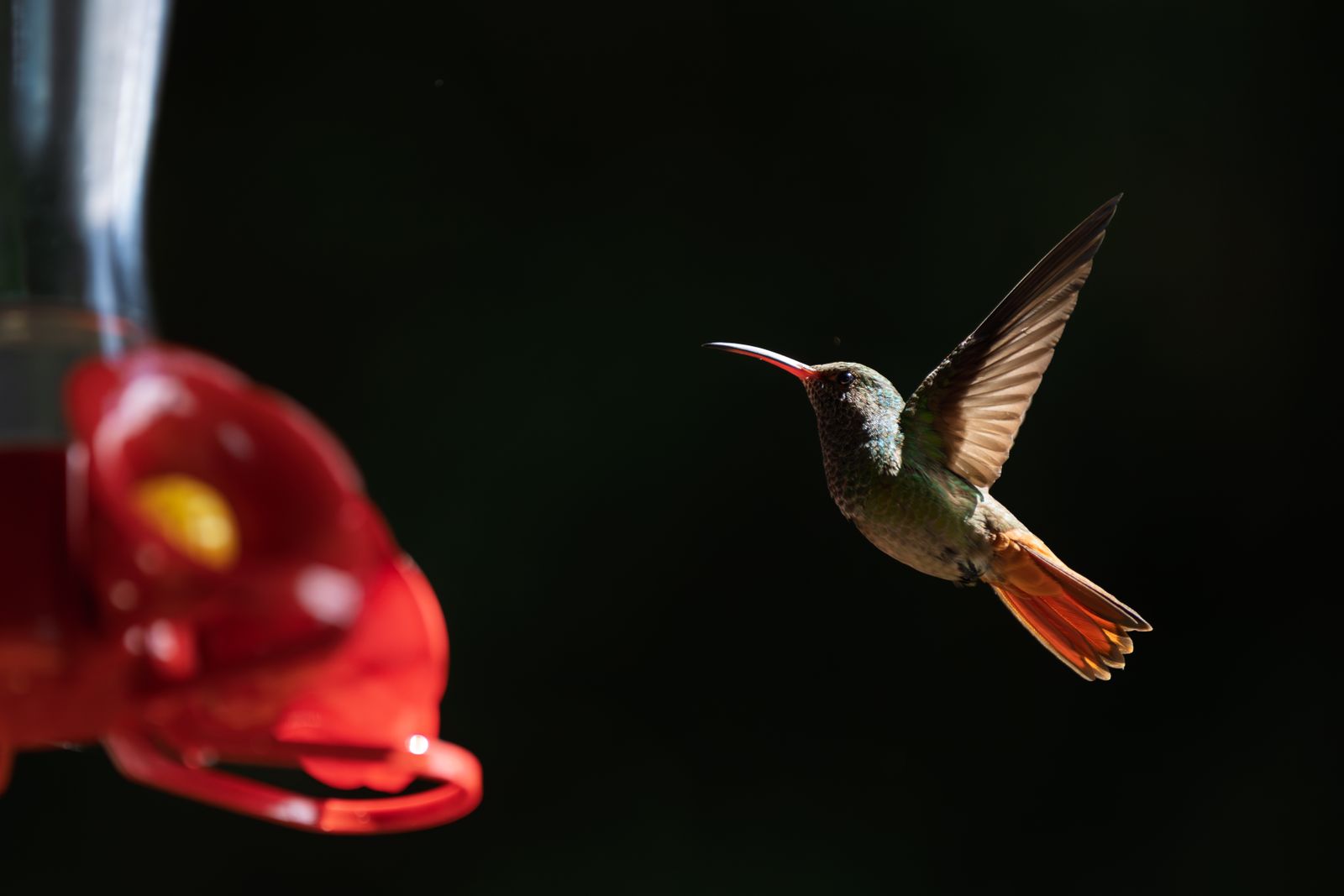
How to Keep Ants and Wasps Away From Hummingbird Feeders in Mid-Summer: Safe, Non-Toxic Defenses
To stop ants and wasps from raiding your hummingbird feeder, install a water-filled ant moat directly above the hook to block crawling insects, and relocate the feeder 10 to 15 feet into deep shade while switching to a leak-proof reservoir. Never apply petroleum jelly, oils, or chemical pesticides to hanging wires or feeders, as these substances destroy hummingbird feather insulation, pollute sugar nectar, and cause fatal preening ingestion.
Visualizing Your Pest Defense System
- Is the insect crawling down the hanging wire (Ants) or flying directly to the feeding ports (Wasps/Bees)? → Yes: Crawling Ants: Install a water-filled ant moat between tree branch and feeder hook. Keep water level filled daily.. No: Flying Wasps: Relocate feeder 10-15 ft into deep shade, switch to leak-proof base, and lower nectar ratio to 5:1..
Mid-Summer Insect Invasion Troubleshooting Matrix
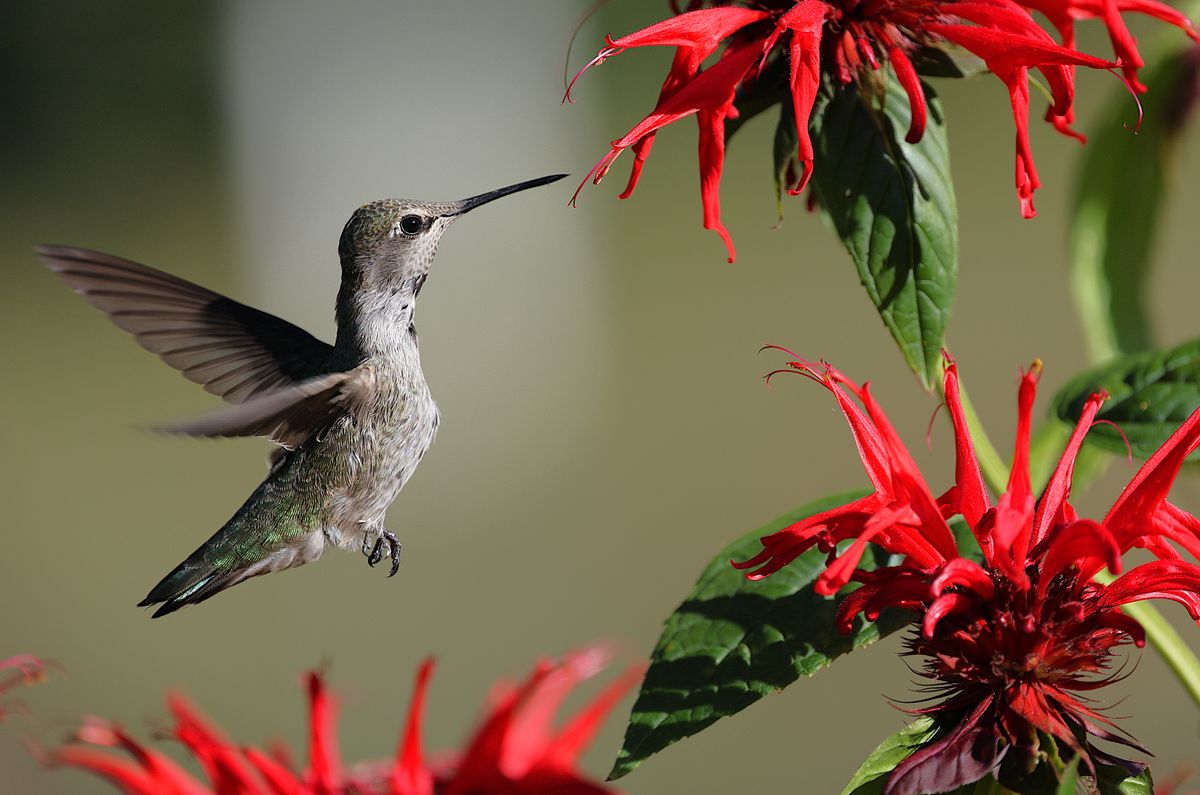
Photo by Veronika Andrews on Pexels
| Symptom | Pest Type | Root Cause | Immediate Safe Solution |
| --- | --- | --- | --- |
| Column of small black insects marching down wire into reservoir | Argentine / Sugar Ants | Unprotected hanging hook provides direct bridge to sugar source | Install 3-inch water ant moat above top hook; refill water daily. |
| Aggressive yellow insects swarming ports & fighting birds | Yellowjackets / Paper Wasps | Feeder hung in direct sunlight causing heat expansion & exterior nectar drips | Move feeder to deep canopy shade; wipe base with warm water to remove sticky drips. |
| Small flying insects drowned inside hand-blown glass reservoir | Fruit Flies / Gnats | Fermenting nectar emitting strong yeast smell due to 90°F+ heat | Clean reservoir thoroughly; change fresh 4:1 nectar every 24-48 hours. |
| Honeybees hovering in large groups blocking ports | European Honeybees | High sugar concentration (3:1 or higher) attracting honeybee scouts | Dilute nectar ratio slightly to 5:1 water-to-sugar; relocate feeder 15 feet away. |
Mid-summer temperature spikes create unique challenges for garden feeding stations. Match your observed feeder symptom to the specific insect invader to restore peaceful feeding for your hummingbirds.
Pro Tip: Relocating Feeders Without Disorienting Hummingbirds
Hummingbirds possess exceptional spatial memory and keen sightlines. If aggressive yellowjackets have claimed a feeder in direct sunlight, move the feeder 10 to 15 feet away into deep shade immediately. Do not worry about your hummingbirds getting confused—they will hover at the old spot for less than two minutes before following their visual memory straight to the new shaded branch. Shifting to shade lowers internal reservoir temperatures, preventing thermal nectar expansion and eliminating the sticky port drips that wasps feed on.
Mid-Summer Anti-Pest Daily & Weekly Checklist
- [ ] Check water level in top ant moat daily (refill as mid-summer heat accelerates evaporation).
- [ ] Inspect feeder base for sticky nectar drips caused by thermal expansion during peak afternoon heat.
- [ ] Wipe exterior hand-blown glass with warm water during every nectar change (avoid soap residues).
- [ ] Ensure feeder is hung in deep shade during peak solar radiation hours (11 AM - 4 PM).
- [ ] Verify nectar ratio remains strictly 4 parts water to 1 part white refined sugar (no artificial red dyes).
Pest Strategy Decision Tree & Selector
- Are ants crawling past your mounting point? → Yes: Add a standalone water-filled ant moat above the feeder hook.. No: Check for airborne wasp activity.
- Are wasps hovering at ports during peak afternoon sun? → Yes: Relocate feeder to deep shade canopy and inspect base for leak points.. No: Maintain routine 48-hour cleaning schedule.
Immediate Action Steps for Your Garden
Your decision: Identify whether your primary threat is crawling ants or flying yellowjackets.
Do this next: Install a water ant moat immediately for ants, and move feeders into deep shade with a leak-proof glass reservoir to prevent wasp-attracting drips.
- Read next: Hot Weather Nectar Ratios: How to Keep Hummingbird Food Fresh in Summer
LUJII Hand-Blown Glass Solar Hummingbird Feeder with Sealed Leak-Proof Base
Protect your hummingbirds today by establishing a non-toxic perimeter and maintaining pristine feeder mechanics.
Key Takeaways: Non-Toxic Summer Protection
- Water-filled ant moats create an impassable physical moat against crawling sugar ants.
- Direct sunlight expands air inside glass reservoirs, forcing nectar out of ports and creating sticky wasp-attracting drips.
- Never use Vaseline, oils, or insecticides on hanging hardware—grease coats bird feathers, rendering them unable to fly or regulate body heat.
- Solar RGB lights operate on low-lumen ambient frequencies that illuminate hand-blown glass without heating nectar or luring night pests.
Choosing the Right Defense for Your Feeder Setup
For crawling ants, water-filled physical moats are 100% effective. For flying wasps and yellowjackets, combining feeder shade relocation, strict leak prevention, and nectar ratio adjustments yields the safest results.
Best choice for
- Built-in or standalone water ant moat — Ants cannot swim across water barriers, completely cutting off access without chemicals.
- Relocating feeder to deep shade & using leak-proof base feeders — Wasps forage primarily in direct sun and are drawn to exterior nectar drips caused by heat expansion.
- Using petroleum jelly, oils, or sticky traps on hanging wires (can coat bird wings and cause fatal preening failure)
- Applying commercial pesticides or insect sprays near bird feeding stations
- Distraction Feeder Station — Place a higher-concentration sugar water tray 25 feet away in sun to draw yellowjackets away from the main hummingbird feeder.
Pest-Resistant Feeder Features to Look For
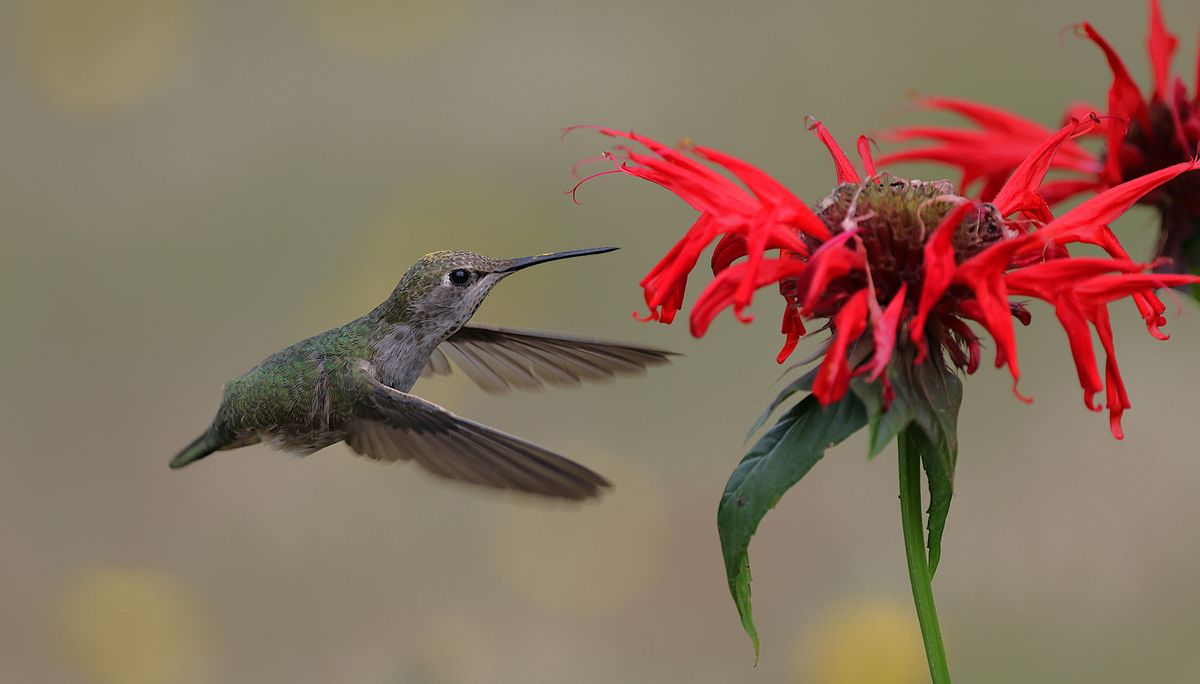
Photo by Veronika Andrews on Pexels
When selecting a hummingbird feeder engineered to withstand mid-summer heat and block pests naturally, physical design makes all the difference.
Safe vs. Harmful Pest Remedies Comparison
| Remedy / Method | Target Pest | Hummingbird Safety Impact | Long-Term Effectiveness | Recommended Usage |
| --- | --- | --- | --- | --- |
| Water-Filled Ant Moat | Crawling Ants | 100% Safe (Uses clean water barrier) | 100% Effective as long as filled | Strongly Recommended above top feeder hook |
| Shade Canopy Relocation | Wasps & Yellowjackets | 100% Safe (Protects birds from heat stress) | High (Reduces wasp activity & nectar fermentation) | Strongly Recommended for mid-summer |
| Petroleum Jelly / Vaseline on Wires | Crawling Ants | DANGEROUS (Coats feathers, prevents flight & preening) | Low (Melted by heat, gathers dust/debris) | NEVER USE on any bird hardware |
| Peppermint / Essential Oils | Wasps & Bees | TOXIC (Poisons nectar, causes avian respiratory damage) | Low (Evaporates rapidly in heat) | NEVER USE in or near feeder |
| Commercial Insecticide Sprays | All Insects | FATAL (Direct toxicity to hummingbirds via contact/ingestion) | Temporary | STRICTLY PROHIBITED in bird habitats |
Compare proven physical insect barriers against popular home remedies to see why toxic or greasy hacks should never be used around birds.
Step-by-Step Guide: Isolate and Protect Your Hummingbird Feeder
Execute this quick 4-step emergency protocol to clear active insect invasions and secure your feeding station in under 15 minutes.
5 Dangerous DIY Pest Hacks to Avoid
Many viral insect-repelling tips floating around the internet pose severe safety hazards to hummingbirds. Avoid these five common traps:
Explore Related Summer Hummingbird Care Guides
Expand your knowledge on seasonal garden maintenance and hummingbird care with these detailed reference topics:
- Hot Weather Nectar Ratios: How to Keep Hummingbird Food Fresh in Summer
- How to Clean and Maintain Your Hand-Blown Solar Hummingbird Feeder
- When to Put Out Hummingbird Feeders in Spring and Keep Them Safe All Season
Frequently Asked Questions About Summer Feeder Pests
Got additional questions about nighttime solar lights, feeder relocation, or mid-summer heat management? Find fast expert answers below.
Cover photo by Mario Spencer on Pexels.