How to Hang Your Solar Hummingbird Feeder to Keep Ants Away (Without Blocking Solar Power)
Scenario: You step into your garden to watch hummingbirds, only to find a trail of ants invading your feeder's sweet nectar. To block ants without shading your solar panel, suspend your feeder from a sturdy metal Shepherd’s hook using an inline hanging water moat filled with clean water. Maintain 5 feet of ground clearance and 3 feet of side clearance from foliage, ensuring full direct sunlight hits the solar cap while completely avoiding sticky gels or grease.
Pre-Installation Ant-Defense Checklist
- [ ] Heavy-duty metal Shepherd's hook (rated for 5+ lbs to hold 32 oz glass + nectar)
- [ ] Standalone hanging water ant moat (metal or durable ABS plastic)
- [ ] Minimum 5 feet of clearance from the ground to bottom of feeder
- [ ] Minimum 3 feet of clearance from surrounding trees, bushes, or walls
- [ ] Unobstructed direct sunlight path to the top solar cap (6-8 hours daily)
- [ ] Strict zero-grease policy (no Vaseline, oils, or sticky gels on wire/hook)
Step-by-Step Guide to Ant-Proof Solar Feeder Hanging
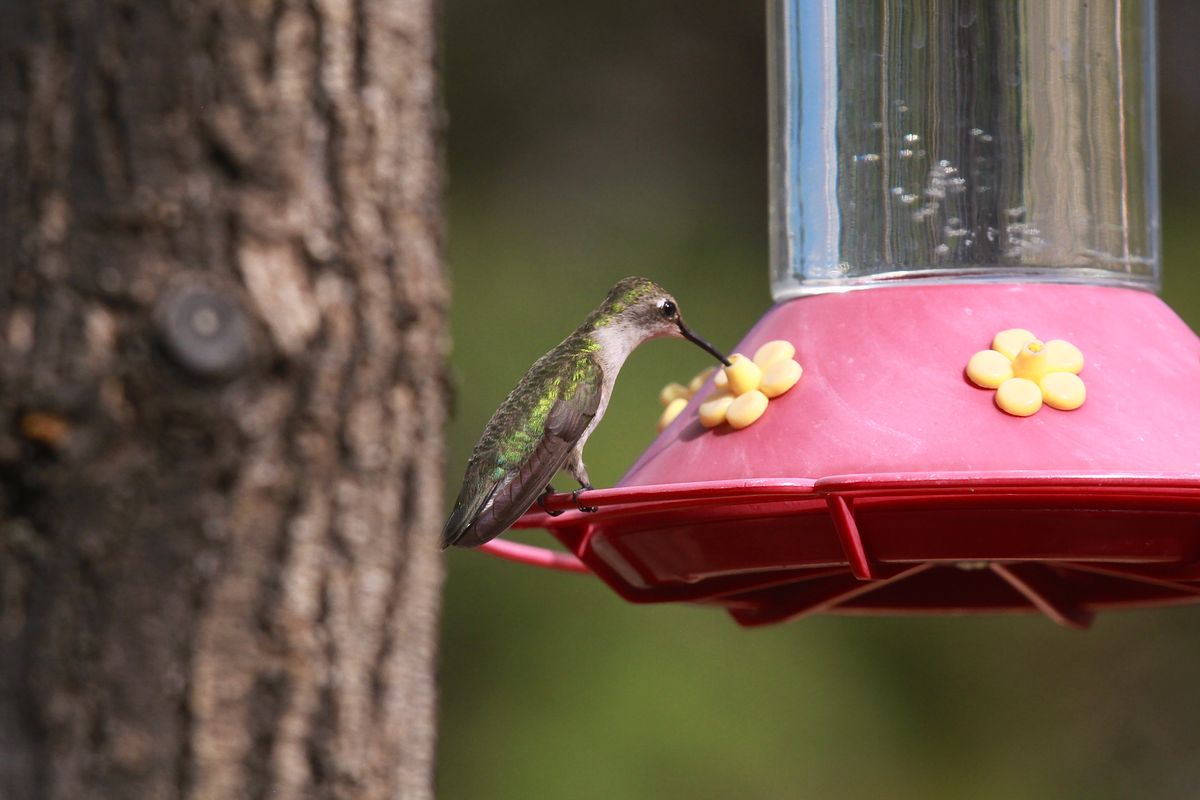
Photo by Jennelope 🩷 on Pexels
Follow these steps to build an impenetrable barrier against crawling ants while ensuring your solar cell receives maximum daylight energy.
Step 1: Choose an Open, High-Sunlight Location
Select a garden spot that receives at least 6 to 8 hours of unshaded sunlight daily. Position the location at least 3 feet away from nearby tree branches, deck railings, or shrubs to prevent ants from jumping onto the feeder.Step 2: Install a Heavy-Duty Shepherd's Hook
Drive a strong, powder-coated metal Shepherd's hook into firm ground. Make sure the hook stem extends high enough so the base of your glass feeder hangs at least 5 feet off the ground, out of reach of jumping pests and ground predators.Step 3: Attach the External Water Moat
Hang a dedicated water-filled ant moat onto the top hook of your Shepherd's pole. Fill the moat reservoir with fresh tap water. Because ants cannot swim, this creates an impassable liquid barrier on the only crawling route to the feeder.Step 4: Suspend the Glass Feeder Below the Moat
Connect the top loop of your solar glass feeder directly to the bottom hook of the water moat. Ensure the top solar panel cap remains completely exposed to open sky without any overhead shading from wide opaque umbrellas or low leaves.Step 5: Test Balance and Sunlight Clearance
Fill the reservoir with nectar, secure the leak-proof base, and verify the feeder hangs perfectly level. Confirm that no overhanging leaves shade the solar charging cell during peak afternoon hours.Expert Tip: Protecting Hand-Blown Glass and Solar Panels
When hanging premium art glass feeders weighing up to 32 fl. oz when full, hardware strength is critical. Always use an inline water moat positioned above the solar cap rather than wide plastic umbrella baffles. Dark or opaque rain guards cast shadows over the top solar panel, shortening night illumination time. A slim, inline water moat blocks 100% of crawling insects without casting shadows on the solar cap, ensuring full 8-hour nighttime RGB lighting performance.
Immediate Action Plan for Your Garden Setup
Your decision: Choose a sturdy metal Shepherd's hook and an inline water moat designed for heavy glass feeders.
Do this next: Mount the hook in an open garden area with 6+ hours of direct sunlight, fill the moat with clean water, and hang your feeder.
- Read next: Best Ant Moats for Hummingbird Feeders: Built-In vs. Hanging Hooks
- Read next: How to Clean and Maintain Your Hand-Blown Solar Hummingbird Feeder
Explore the LUJII Solar-Powered Hand-Blown Glass Hummingbird Feeder (32 oz capacity with leak-proof metal base).
Get your feeding station ready for an ant-free season with these immediate setup actions.
Core Rules of Solar Feeder Ant Defense
Keep these key principles in mind when building an ant-proof feeding station:
- Water Moats Are King: An external water moat suspended above the feeder provides 100% protection against crawling ants.
- Maintain Visual & Distance Clearances: Keep 5 feet ground clearance and 3 feet side clearance to stop ants from bridging across foliage.
- Protect Solar Access: Never place opaque baffles directly over solar caps; keep top sensors clear for maximum ambient charging.
- Zero Grease Policy: Never apply Vaseline, petroleum jelly, or motor grease to poles or wires; sticky substances transfer to feathers and harm birds.
- Keep Base Sealed: Use leak-proof, rubber-gasket bases to prevent sugar drips that attract scouts.
Choosing the Right Barrier for Your Yard Setup
Water-filled hanging ant moats are the single safest and most effective barrier for solar glass hummingbird feeders when hung on sturdy metal poles in open sunlight.
Best choice for
- External inline water moat hook — Offers 100% physical ant blockage without shading the solar panel cap.
- Deck-mount extension arm + top-mounted water moat — Extends feeder away from climbing deck posts while maintaining full sun exposure.
- Applying petroleum jelly, grease, or sticky gel onto hanging wires (feathers get matted, leading to hypothermia/death).
- Hanging directly beneath dense tree foliage that blocks the solar cap from receiving 6+ hours of direct sunlight.
- Built-in moat feeders — Useful, but often have smaller capacities or interfere with top-mounted solar glass designs.
- Wide dome weather baffles — Protects against rain, but must be clear/transparent to avoid blocking sunlight to top solar panels.
Recommended Hardware for Hand-Blown Glass Feeders
To achieve maximum ant protection and gorgeous nighttime light, pair your garden setup with handcrafted solar glass art.
🌟 LUJII Solar-Powered Hand-Blown Glass Hummingbird Feeder 🌟
- Solar Power & RGB Lights: Automatically illuminates at dusk for up to 8 hours with vibrant multi-mode lighting.
- Handcrafted Glass Art: Hand-blown at 2,300°F by skilled artisans, giving every reservoir unique color patterns.
- 32 fl. oz Capacity & Leak-Proof Base: Slender glass body with a precision-sealed anti-rust metal base prevents sugar drips.
- All-Weather Shield: Waterproof solar cap keeps nectar fresh in rain and snow.
Ant Barrier Safety & Performance Comparison
| Garden Scenario | Recommended Barrier | Ant Exclusion Rate | Hummingbird Safety | Solar Battery Impact |
| --- | --- | --- | --- | --- |
| Shepherd Hook in Open Sun | Inline Water Moat | 100% Effective | 5/5 (100% Safe) | Zero Shadowing (Full Solar Charge) |
| Tree Branch Suspension | Water Moat + Extension Chain | 95% Effective | 5/5 (100% Safe) | Partial Shade (Reduced Light Hours) |
| Covered Porch Mount | Deck Extension Arm + Water Moat | 98% Effective | 5/5 (100% Safe) | Low Charging (Needs Sunlight Reflector) |
| Any Hook (DIY Grease Trick) | Petroleum Jelly / Oil on Pole | 80% Effective | 1/5 (HAZARDOUS / LETHAL) | No Solar Impact (Damages Bird Feathers) |
Here is how common ant barrier techniques compare in real-world garden placement scenarios.
Anatomy of an Ant-Proof Solar Feeder Setup
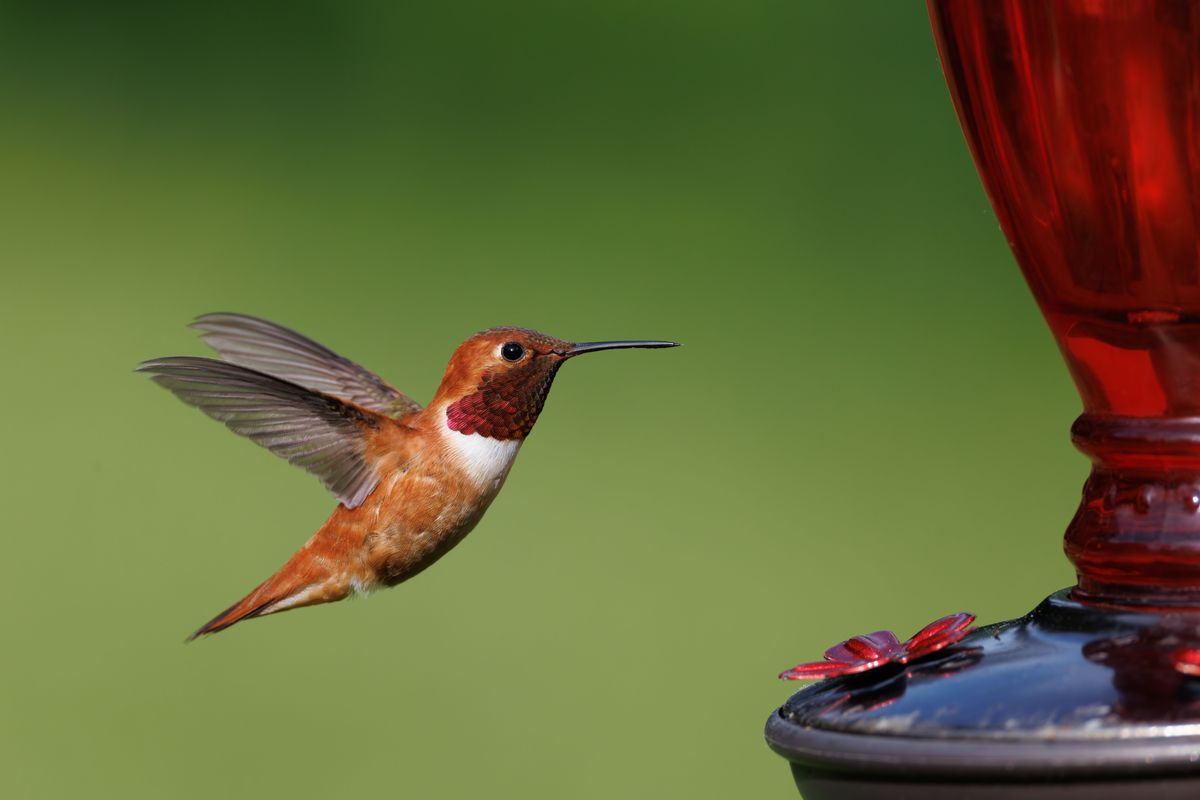
Photo by Veronika Andrews on Pexels
This diagram illustrates the required clearances and vertical component order for an ant-free solar feeder installation.
Dangerous Hacks & Common Installation Mistakes
Avoid these frequent mistakes that endanger wild birds or ruin your feeder's solar capabilities:
Ant Defense Maintenance Schedule
- Daily (Summer Heat) — Check water level in hanging ant moat; top off if evaporation occurs in direct sun.
- Weekly — Dump and scrub ant moat to remove trapped debris; wipe nectar drips off the leak-proof base.
- Bi-Weekly — Clean top solar panel glass cap with a damp soft cloth to remove dust, pollen, and bird drops.
- Monthly — Inspect Shepherd's hook stability, ground anchor tightness, and anti-rust base seals.
Further Guides on Pest Prevention & Feeder Care
Explore our expert guides to build a thriving, low-maintenance garden sanctuary:
- Best Ant Moats for Hummingbird Feeders: Built-In vs. Hanging Hooks
- How to Clean and Maintain Your Hand-Blown Solar Hummingbird Feeder
- Hot Weather Nectar Ratios: How to Keep Hummingbird Food Fresh in Summer
- Keeping Bees and Wasps Away from Nectar Feeders
Frequently Asked Questions About Ant-Proofing Feeders
Answers to common questions about keeping crawling insects away while keeping solar lights active.
Your Next Steps for an Ant-Free Sanctuary
Your decision: Upgrade your garden display with an ant-proof water moat and solar glass feeder.
Do this next: Order your LUJII Solar-Powered Hand-Blown Glass Hummingbird Feeder today to add handcrafted elegance and bright RGB nighttime lights to your garden.
- Read next: Best Ant Moats for Hummingbird Feeders
LUJII Solar-Powered Hummingbird Feeder (32 oz Hand-Blown Glass Art)
Ready to transform your outdoor space? Protect your nectar investment and enjoy luminous garden artwork every night.
Cover photo by Chris F on Pexels.