How to Create an Eco-Friendly Backyard Bird Sanctuary Using Solar Energy
Can you build an eco-friendly bird sanctuary using solar technology without overheating delicate nectar or disrupting nocturnal bird roosting? Yes. By dividing your backyard into four distinct zones—charging, feeding, hydration, and shelter—you can maximize solar collection in full sun while keeping hand-blown glass feeders and water stations in protective dappled shade with ambient, low-lumen RGB twilight illumination.
Sanctuary Hardware & Solar Requirements Specifications
| Hardware / Component | Solar Charge Req. | Waterproof / Build Rating | Optimal Shade Ratio | Avian Safety Clearance |
| --- | --- | --- | --- | --- |
| LUJII Solar Hummingbird Feeder | 6–8 Hours Direct Sunlight | IP65 Waterproof / Anti-Rust Metal Base | 70% Dappled Shade / 30% Sun | 10–15 ft from dense foliage cover |
| Solar Fountain Pump & Bubbler | 4–6 Hours Direct Sunlight | IP68 Submersible Motor Unit | 0% (Requires full direct sun) | 5–10 ft from primary feeding station |
| Low-Lumen RGB Twilight Accent | 4–6 Hours Direct Sunlight | IP65 Weather-Shielded Solar Cap | 50% Partial Overhead Canopy | 8+ ft away from primary night roosts |
| 32 fl. oz. Hand-Blown Glass Reservoir | N/A (Nectar Compartment) | 2,300°F Hand-Blown Annealed Glass | 80% Shade to prevent fermentation | 5+ ft ground clearance from predators |
Review the technical environmental specifications for integrating solar technology into wildlife garden spaces safely.
Visual Blueprint: 4-Zone Eco-Friendly Solar Sanctuary Layout
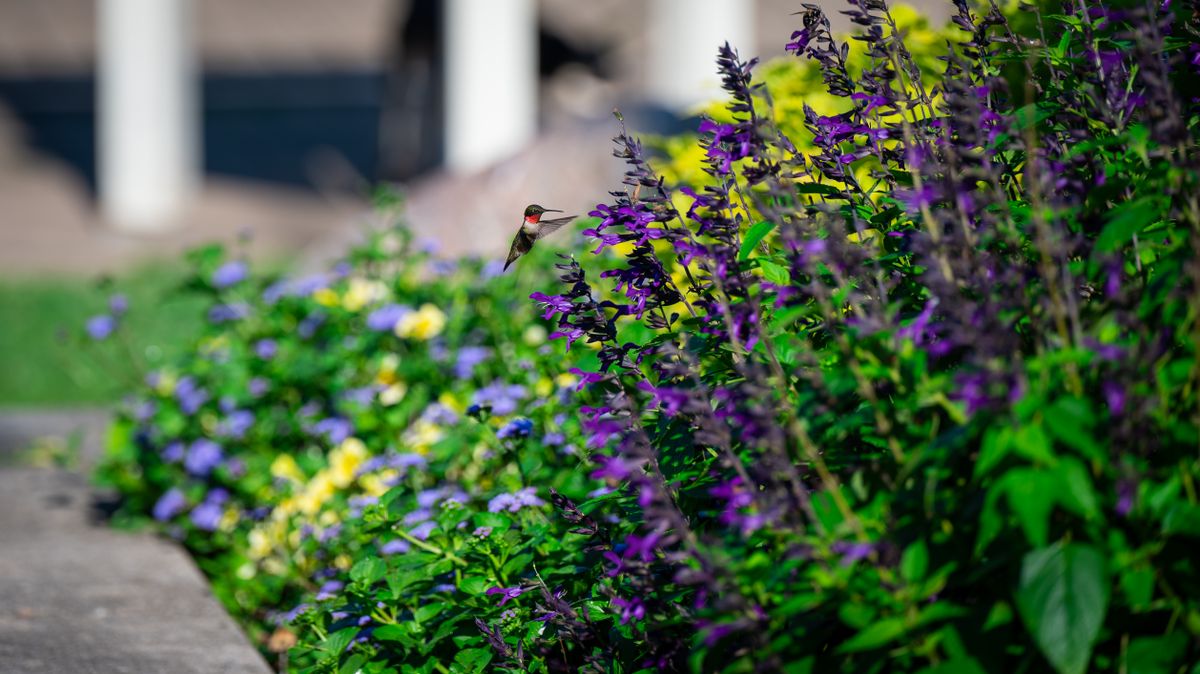
The diagram below maps the spatial layout required to capture solar energy while insulating bird feeding and sleeping areas from direct heat and excessive artificial light.
Top Sanctuary Anchor: LUJII Hand-Blown Glass Solar Hummingbird Feeder
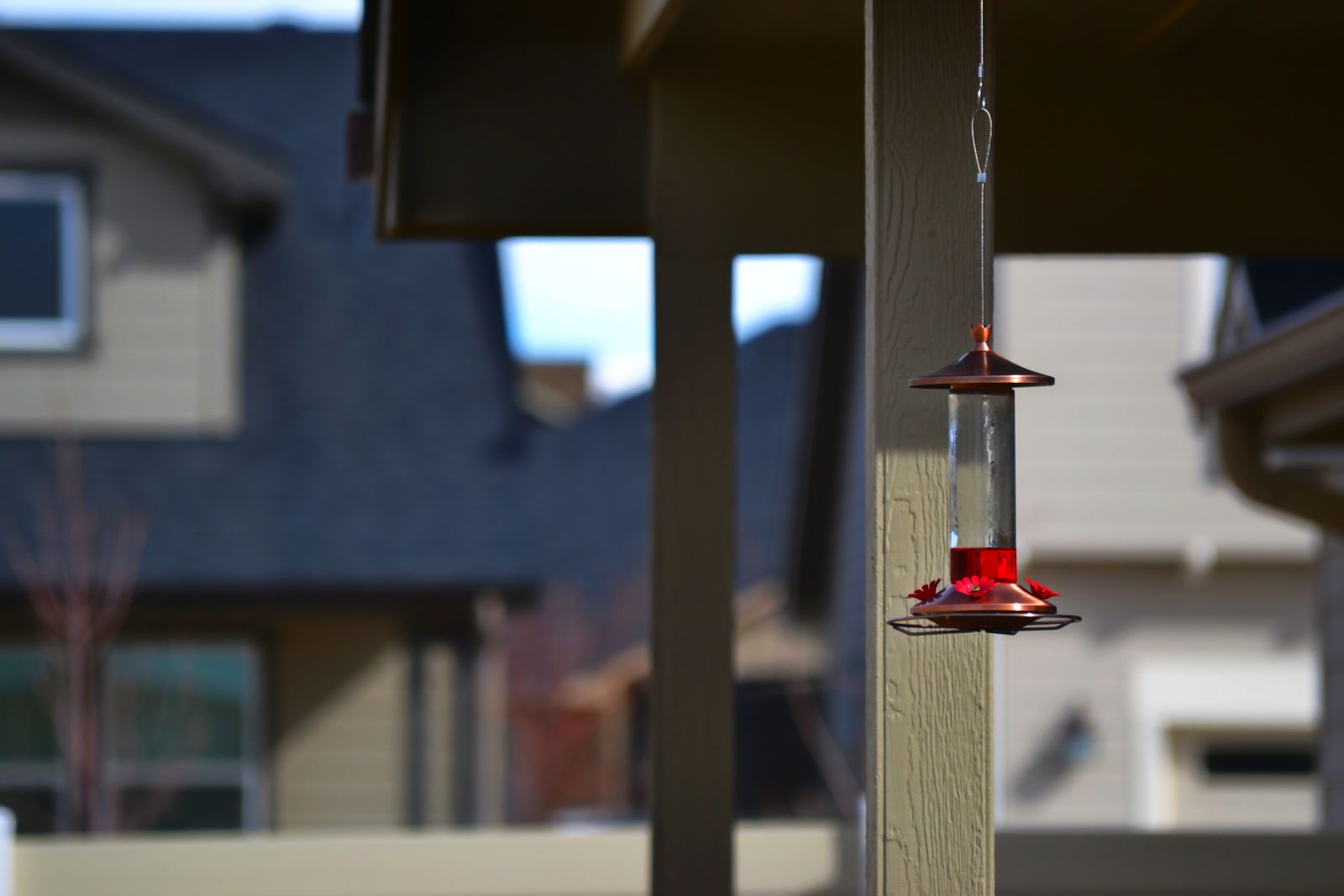
For gardeners seeking a central focal point that combines sustainable night lighting with safe nectar delivery, the LUJII Solar-Powered Hummingbird Feeder is the premier choice. Crafted from hand-blown art glass shaped at 2,300°F, it features a 32 fl. oz. leak-proof reservoir, anti-rust coated metal base, and an automated solar RGB cap that provides up to 8 hours of gentle, low-lumen twilight glow without disturbing nocturnal wildlife.
Solar Hardware vs. Bird Safety Placement Checklist
- [ ] Position solar glass feeders in dappled morning sun/afternoon shade to prevent nectar fermentation above 85°F.
- [ ] Ensure solar charging caps receive at least 6 hours of unshaded sunlight daily.
- [ ] Hang feeders 10 to 15 feet from dense shrubbery to offer quick escape cover from predators.
- [ ] Verify solar lighting uses soft warm spectrum or low-intensity RGB cycle that shuts off after 6 to 8 hours.
- [ ] Set up solar water bubblers within sight of nectar stations to encourage preening and drinking.
- [ ] Confirm all metal bases feature non-toxic anti-rust coatings to protect avian feet.
Pro Tip: Managing Nectar Temperatures Under Solar Caps
To preserve nectar freshness while keeping solar batteries fully charged, angle your solar feeder so the solar panel cap catches intense morning sun while the glass reservoir hangs behind a leafy deciduous branch. This shields the 32 oz nectar solution from afternoon thermal spikes above 85°F—preventing rapid yeast growth—while still delivering a full 8-hour charge to the RGB lighting module.
Frequently Asked Questions: Solar Tech & Bird Habitats
Common questions regarding nighttime solar lights, cleaning procedures, and native plant corridors.
Key Sanctuary Principles at a Glance
Building an eco-friendly solar bird sanctuary requires balancing light capture with shade protection:
- Zone Isolation: Keep solar collection in full sun, but shield nectar reservoirs in dappled shade.
- Low-Lumen Lighting: Use auto-shutoff solar RGB LEDs (under 8-hour runtime) to protect natural avian sleep rhythms.
- Hydration Alignment: Place moving solar water features within 10 feet of feeders to encourage preening.
- Durable Materials: Choose hand-blown glass and powder-coated, rust-resistant metal over heat-trapping plastics.
Solar Power Options for Wildlife Landscaping
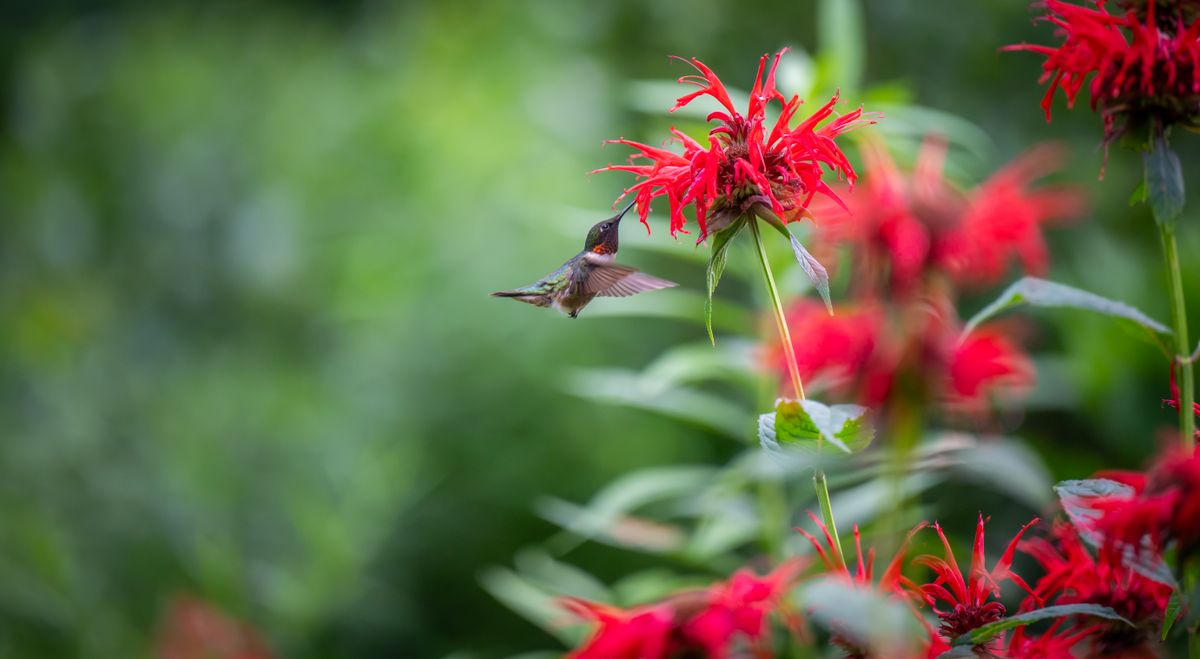
When choosing solar fixtures for a bird sanctuary, balance integrated aesthetic units with low-lumen output to prevent ecological disruption.
Best choice for
- Integrated Hand-Blown Glass Solar Hummingbird Feeders — Provides dual-purpose nectar feeding and ambient lighting without cluttering ground space with external wires or separate solar arrays.
- Remote Panel Solar Fountain Pumps paired with Hanging Solar Feeders — Allows solar collection panels to sit in open lawn areas while placing water features and nectar stations deep within tree-shaded refuges.
- High-lumen floodlights (6000K cool white) that cast direct beam paths into dense roosting shrubs.
- Unshielded plastic solar feeders that trap radiant heat and rapidly ferment sucrose nectar solutions.
- Battery-powered timed LED garden accents — Useful if your yard receives zero direct sunlight, though requires manual battery replacements and lacks eco-friendly solar charging.
Creating a thriving backyard bird sanctuary powered by renewable energy requires thoughtful spatial planning. Homeowners often face a dilemma: solar panels require direct, unshaded sunlight to charge efficiently, but hummingbird nectar rapidly spoils when exposed to high heat. Furthermore, harsh nighttime floodlighting can disorient nocturnal birds and disturb their natural torpor cycles.
The solution lies in a 4-Zone Micro-Climate Strategy, which harmonizes solar power harvesting with wildlife habitat restoration.
Zone 1: The Full-Sun Solar Charging Zone
Position solar collectors—such as the top solar cap of a hanging glass feeder or a ground-mounted solar panel—where they receive 6 to 8 hours of uninterrupted sunlight daily. This is typically along the outer perimeter of your garden, above the main drip line of trees, or on decorative shepherd's hooks that extend past heavy branch cover.Zone 2: The Dappled-Shade Nectar & Feeding Station
Hummingbirds prefer feeding in areas that offer protection from aerial predators like hawks while providing refuge from midday thermal heat. Hang your hand-blown glass feeder under the dappled shade of a deciduous tree (such as a Japanese Maple or Dogwood). The translucent glass body allows you to monitor liquid levels effortlessly, while the slender, leak-proof design keeps nectar secure from drips and insects.Zone 3: Moving Water Solar Bubbler Station
Birds are naturally attracted to the sound of moving water. Integrating a solar-powered water fountain or bubbler within 10 feet of your nectar feeding station encourages visiting hummingbirds to bathe and preen. Because solar water pumps operate during daylight hours, they require no external electrical wiring or battery bank, turning off automatically as dusk settles.Zone 4: Deep Canopy Roosting & Flight Corridors
Hummingbirds require dense foliage—such as native evergreens, arborvitae, or thick shrubs—for nighttime roosting. Keep all solar illumination sources pointed away from these deep roosting hedges. The low-lumen RGB lights integrated into modern solar glass feeders produce a gentle ambient glow that naturally fades after 6 to 8 hours, ensuring zero light pollution penetrates deep roosting cover.Sanctuary Zone Attributes & Failure Point Matrix
| Design Criteria | Zone 1: Charging Hub | Zone 2: Nectar Station | Zone 3: Water Feature | Zone 4: Roosting Cover |
| --- | --- | --- | --- | --- |
| Primary Failure Mode | Overheating foliage & solar glare | Nectar fermentation above 85°F | Algae blooms from stagnant heat | Light pollution disturbing avian sleep |
| Sunlight Requirement | 100% Full Sun (6+ hrs) | Dappled Shade (70% shade) | Direct Sun for solar pump | Deep Shade / Dense Canopy |
| Avian Safety Clearance | N/A (Utility zone) | 10–15 ft to escape cover | 5–10 ft to nectar feeders | Boundary buffer (15+ ft back) |
| Optimal Hardware Spec | Monocrystalline Panel | 32 oz Hand-Blown Glass Feeder | Low-voltage Solar Bubbler | Dense Native Evergreens |
| Heat Risk Mitigation | Heat-resistant mounts | Translucent glass heat shield | Continuous water circulation | Natural leaf canopy thermal mass |
Compare the performance attributes and primary failure modes of the four sanctuary zones.
Critical Eco-Landscaping Failure Modes to Avoid
Avoid these frequent sanctuary design errors to ensure bird safety and hardware longevity:
Recommended Solar Sanctuary Essentials
Upgrade your yard with these thoughtfully designed, bird-friendly solar fixtures:
- LUJII Solar-Powered Hummingbird Feeder: Hand-blown glass art feeder featuring a 32 fl. oz. leak-proof reservoir, anti-rust metal base, and multi-mode RGB solar lighting cap for an eco-friendly evening glow.
Your Action Plan for Building a Solar Sanctuary
Your decision: Decide on your sanctuary's primary focal point (e.g., combining a solar-lit hand-blown glass hummingbird feeder with native nectar flora).
Do this next: Map your yard's sunlight patterns across a 6-hour window to identify where full-sun charging zones overlap with morning-shaded feeding spots.
- Read next: Choosing the Best Hand-Blown Glass Solar Hummingbird Feeder: A Collector's Buying Guide
LUJII Hand-Blown Glass Solar-Powered Hummingbird Feeder
Follow these steps to map your yard and select the right solar features for your local wildlife.
Expand Your Sustainable Garden Knowledge
Internal links to related pillar content.
Cover photo by Brett Sayles on Pexels.