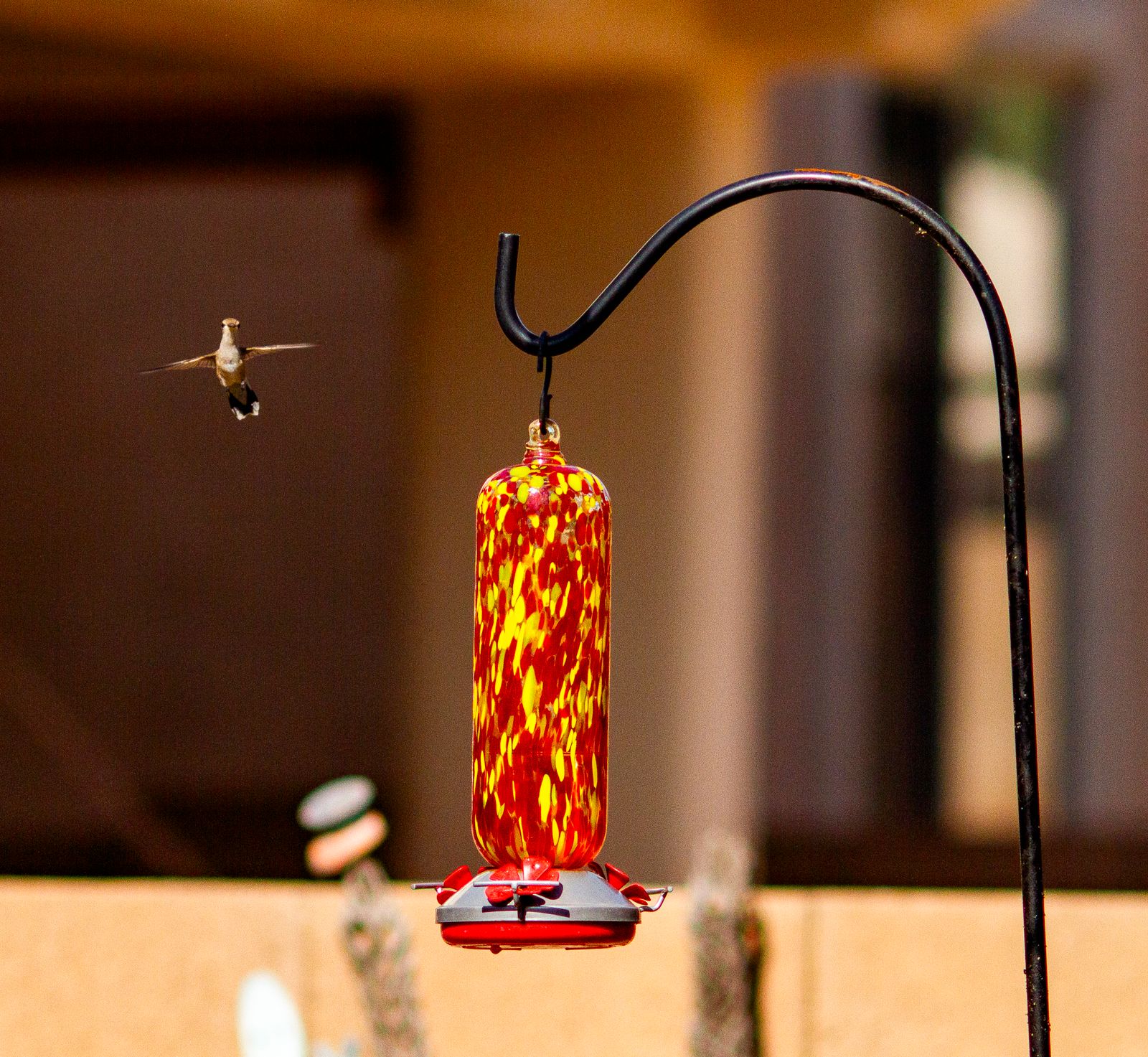
How to Clean a Solar Hummingbird Feeder in Late Autumn
Should you wash your hand-blown solar hummingbird feeder with hot water, and how do you protect the solar battery cap while ensuring late migrating birds have clean nectar?
No, never use hot water or submerge the top solar cap. To clean your solar hummingbird feeder in late autumn, wipe the solar cap with a damp microfiber cloth—never submerge it. Wash the hand-blown glass reservoir using lukewarm water and a 1:4 white vinegar solution. Avoid hot water to prevent thermal glass shock, and dry all seal contacts completely before hanging.
Step-by-Step Autumn Cleaning Protocol
- [ ] Unscrew solar top cap gently and set aside on a dry surface; never submerge.
- [ ] Wipe solar cap glass lens and plastic housing with a slightly damp microfiber cloth.
- [ ] Empty remaining autumn nectar down the drain.
- [ ] Flush hand-blown glass reservoir with lukewarm water (never hot or boiling water).
- [ ] Scrub interior glass walls using a soft bottle brush and 1:4 white vinegar-to-water solution.
- [ ] Rinse base and metal feeding ports thoroughly with lukewarm water.
- [ ] Inspect rubber seals and anti-rust metal coating for wear.
- [ ] Allow all components to air dry completely before refilling with fresh 4:1 sugar water.
- [ ] If overnight freeze is forecasted, bring feeder indoors after dusk and hang back out at dawn.
Printable Late-Season Maintenance One-Pager
- Solar Cap Rule: Wipe top and bottom with damp cloth only. Zero submersion.
- Glass Wash Temp: Lukewarm water only (60°F–75°F). Never introduce boiling or hot tap water to cold autumn glass.
- Cleaning Ratio: 1 part white distilled vinegar to 4 parts warm water. No dish soap or harsh bleach.
- Nectar Ratio: 4 parts water to 1 part pure white granulated cane sugar. No artificial dyes.
- Freeze Warning: Bring feeder inside when overnight forecasts dip below 30°F (-1°C).
Artisan Glass Stress & Thermal Shock Prevention Tip
Each handcrafted glass reservoir is shaped at 2,300°F, leaving unique internal stress lines within the artistic curves. When exposed to chilly autumn air (40°F–50°F), introducing hot tap water (120°F+) creates rapid thermal expansion along these stress points, causing immediate hairline fractures or sudden breakage. Always allow your outdoor glass feeder to warm up to room temperature inside for 20 minutes before washing, and stick strictly to lukewarm water.
Autumn Feeder Failure Modes & Direct Solutions
| Scenario / Failure Mode | Root Cause | Corrective Action |
| --- | --- | --- |
| RGB Solar LED lights fail to turn on at night or flicker erratically | Water ingress into battery compartment during submersion, or dirty solar lens | Remove solar cap. Gently wipe lens clean with dry microfiber cloth. Inspect battery chamber for moisture; air-dry upside down indoors for 24 hours. Wipe only in future. |
| Hand-blown glass reservoir develops hairline crack during washing | Thermal shock caused by rinsing cold autumn glass with hot tap water | Replace glass vessel. Always let cold glass acclimatize to room temperature for 20 minutes before rinsing with lukewarm water. |
| Nectar turns cloudy or displays black specs near base | Slower autumn mold spores forming inside anti-rust metal base crevices | Disassemble base, remove rubber seal, and scrub flower ports with small tube brush using 1:4 vinegar solution. Rinse thoroughly. |
| Feeding ports frozen solid at dawn | Overnight temperatures dropped below 27°F freezing threshold for 4:1 sugar solution | Bring feeder indoors overnight after dusk. Hang back outdoors at sunrise so early morning stragglers have liquid nectar immediately. |
Address common late-season operational issues quickly to protect your feeder's longevity and keep late-migrating hummingbirds safe.
Core Principles of Late-Season Solar Feeder Care
Keep these essential practices top of mind as autumn temperatures drop.
Autumn Temperature-Based Cleaning Schedule
- Daytime Highs Above 70°F (21°C) — Clean and refill every 3 days. Full vinegar flush of glass reservoir and metal base.
- Daytime Highs 60°F to 70°F (15°C–21°C) — Clean and refill every 4 to 5 days. Wipe solar cap lens to remove autumn dust and fallen leaves.
- Daytime Highs 50°F to 60°F (10°C–15°C) — Clean and refill every 7 days. Inspect rubber gaskets for cracking or hardening in cool air.
- Overnight Lows Below 32°F (0°C) — Activate overnight freeze protection. Bring feeder inside at dusk after solar lights illuminate, rehang at dawn.
5 Disastrous Autumn Cleaning Mistakes to Avoid
Avoid these critical errors that ruin solar components or harm visiting birds.
Late Autumn to First Hard Freeze Transition Timeline
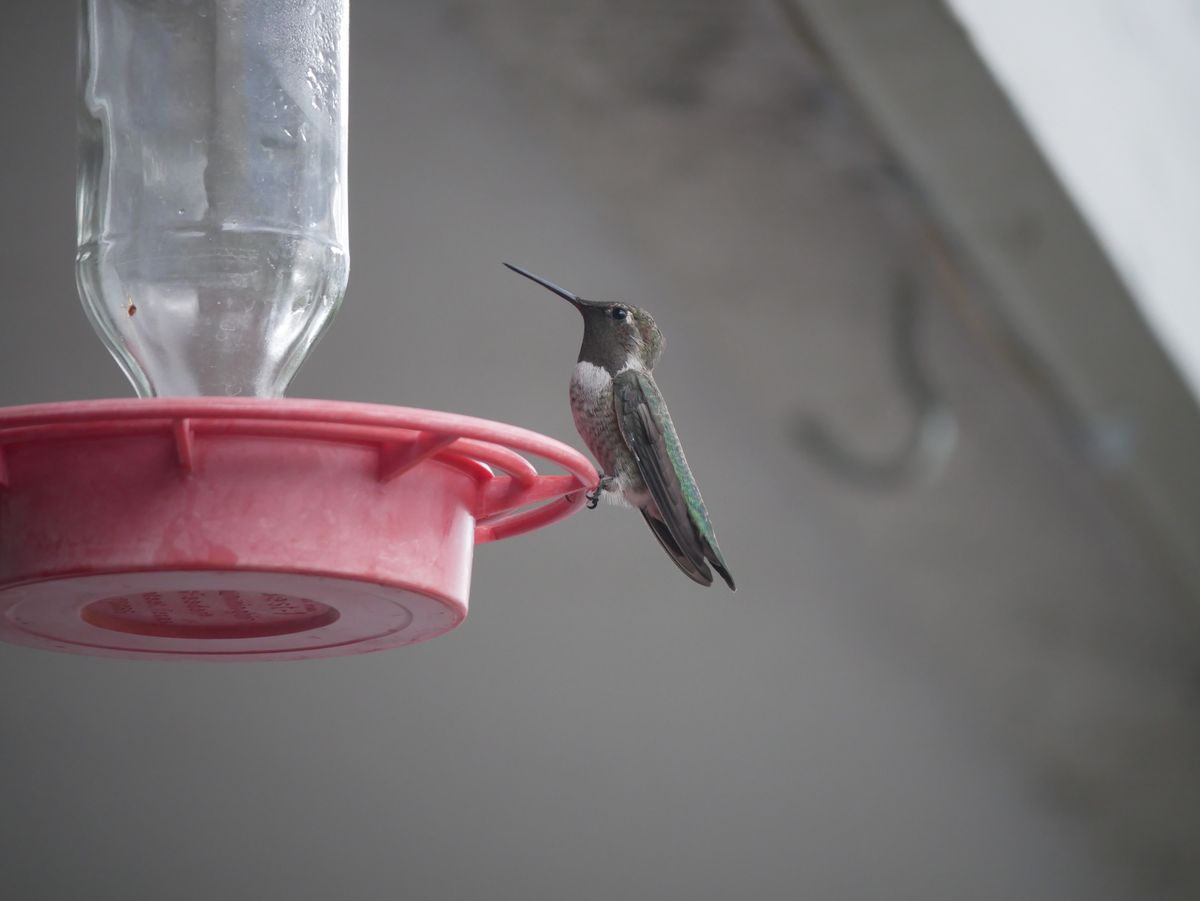
Photo by Connor kane on Pexels
- Late September – Early October — Peak southbound migration. Clean feeder every 4 days. Keep solar cap clear of falling leaves to ensure full day recharge for night lighting.
- Mid October – Late October — Straggler season. Monitor daily temperatures. Switch to weekly vinegar cleaning schedule as daytime temps drop below 60°F.
- First Expected Overnight Frost — Begin nightly indoor storage routine. Bring feeder inside after dusk and rehang at sunrise.
- Two Weeks After Final Sightings — Final winter breakdown. Perform complete vinegar deep clean, dry fully, turn off solar switch, and store indoors in a padded box.
Explore Related Seasonal Hummingbird Guides
Expand your knowledge on seasonal hummingbird care and garden setup:
- When to Put Out Hummingbird Feeders in Spring: A Regional Arrival Guide – Learn when early spring scouts return to your area.
- Early Spring Hummingbird Nectar FAQ – Discover cold-weather nectar formulas and feeding tips.
- Hand-Blown Glass vs. Plastic Feeders – Compare aesthetic durability and weather resilience for your garden.
Recommended Seasonal Feeder Care Gear
Elevate your garden aesthetic while providing a reliable refueling station for migratory hummingbirds with handcrafted solar feeders.
Frequently Asked Questions About Autumn Solar Feeder Care
Can I submerge the solar cap when washing my feeder?
No. The solar cap is weather-resistant against rain and snow, but submerging it in sink water forces moisture into the RGB electronic battery housing. Wipe it clean with a damp cloth only.
Why did my hand-blown glass feeder crack when I washed it?
Artisan glass subjected to sudden temperature changes suffers from thermal shock. Washing cold autumn glass with hot water creates rapid expansion stress, cracking the glass.
When should I take down my solar hummingbird feeder for the winter?
Keep your feeder active for two weeks after seeing your last hummingbird. This ensures late autumn stragglers receive vital fuel before their long flight south.
Will nectar freeze in my solar feeder during autumn nights?
Standard 4:1 sugar water freezes at roughly 27°F (-3°C). If temperatures are predicted to drop below 30°F, bring the feeder inside overnight and rehang it at dawn.
Clear answers to common questions about solar battery protection, glass safety, and autumn feeding schedules.
Immediate Actions for Tonight's Forecast
Your decision: Determine if local overnight temperatures are dropping below 32°F.
Do this next: Wipe your solar cap with a damp microfiber cloth today and switch to a 7-day lukewarm vinegar wash schedule as temperatures hover in the 50s.
- Read next: When to Put Out Hummingbird Feeders in Spring: A Regional Arrival Guide
- Read next: Early Spring Hummingbird Nectar FAQ: Ratios, Cold Weather Care, and Feeder Prep
LUJII Hand-Blown Solar Hummingbird Feeder with RGB Lighting
Take action today to safeguard your glass solar feeder and protect visiting autumn hummingbirds.
Cover photo by Jon Champaigne on Pexels.