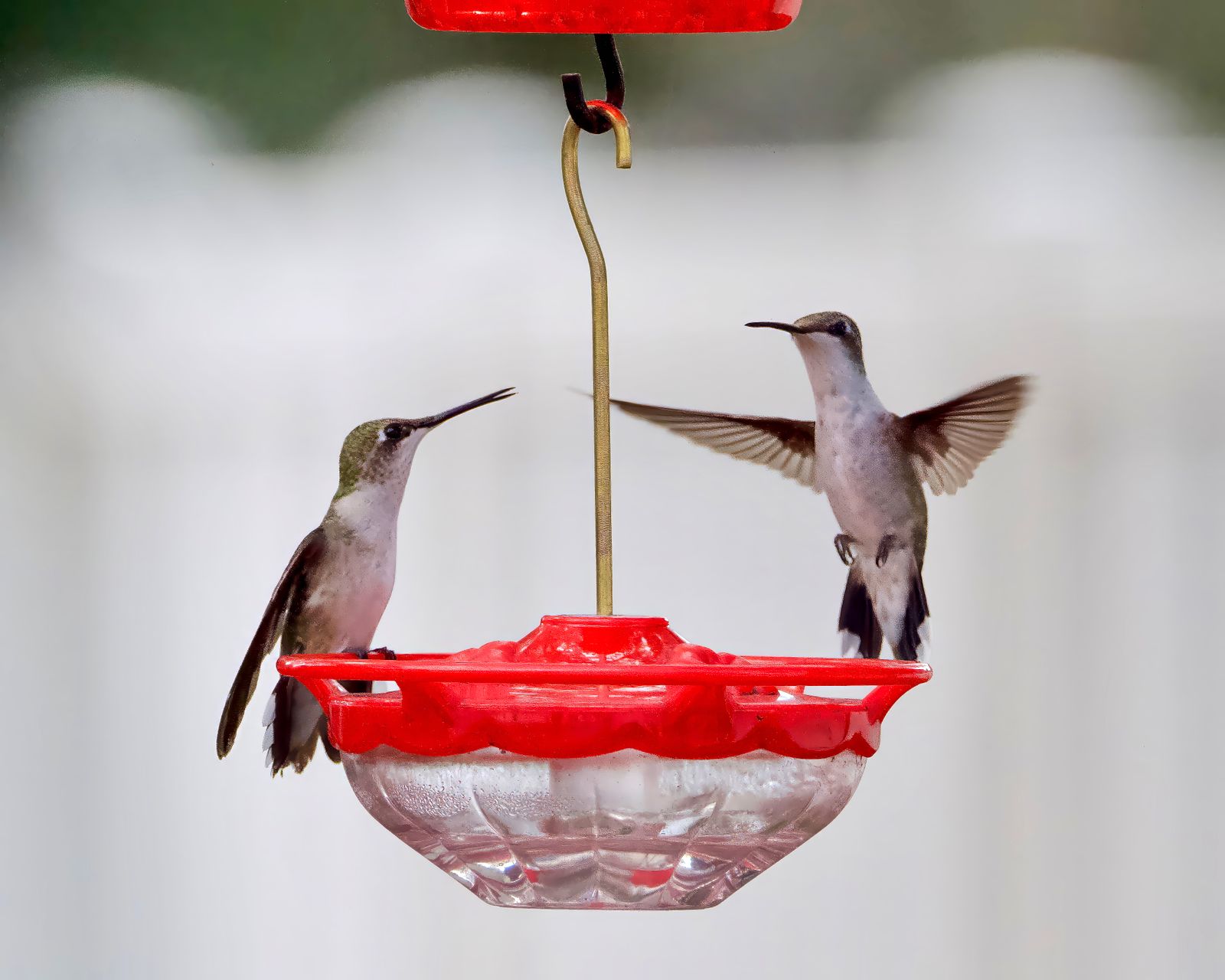
How to Attract Hummingbirds to Your Yard This Spring: A Step-by-Step Guide
To attract spring hummingbirds successfully, follow the 10-15-2 rule: position your feeder 10 to 15 feet from natural perching cover (like trees or shrubbery), prepare a 4:1 ratio of clean water to refined white cane sugar, and hang your feeder 2 weeks before your region's average spring arrival date. This ensures early-migrating male scouts find a reliable, safe nectar source immediately upon arrival.
Essential Spring Hummingbird Attraction Strategies
- Deploy 14 Days Early: Hang your primary feeder 2 weeks before local historical arrival dates to catch early male scouts seeking territory.
- Stick to the 4:1 Nectar Ratio: Mix 4 parts water to 1 part pure white refined cane sugar. Never use red dyes, honey, or brown sugar.
- Maintain the 80°F Threshold: Swap nectar every 3 to 4 days in cool spring weather below 70°F, but increase to every 2 days once temperatures top 80°F.
- Opt for High-Visibility Hand-Blown Glass: Vibrant translucent glass crafted at 2,300°F naturally catches sunlight to draw birds in without artificial chemicals.
- Combine Nectar with 8-Hour Solar Ambiance: Solar-powered RGB feeder lids charge during the day and cast a gentle glow for up to 8 hours at dusk, creating an inviting twilight backyard sanctuary.
Spring Migration Timeline: When to Hang Your Feeder
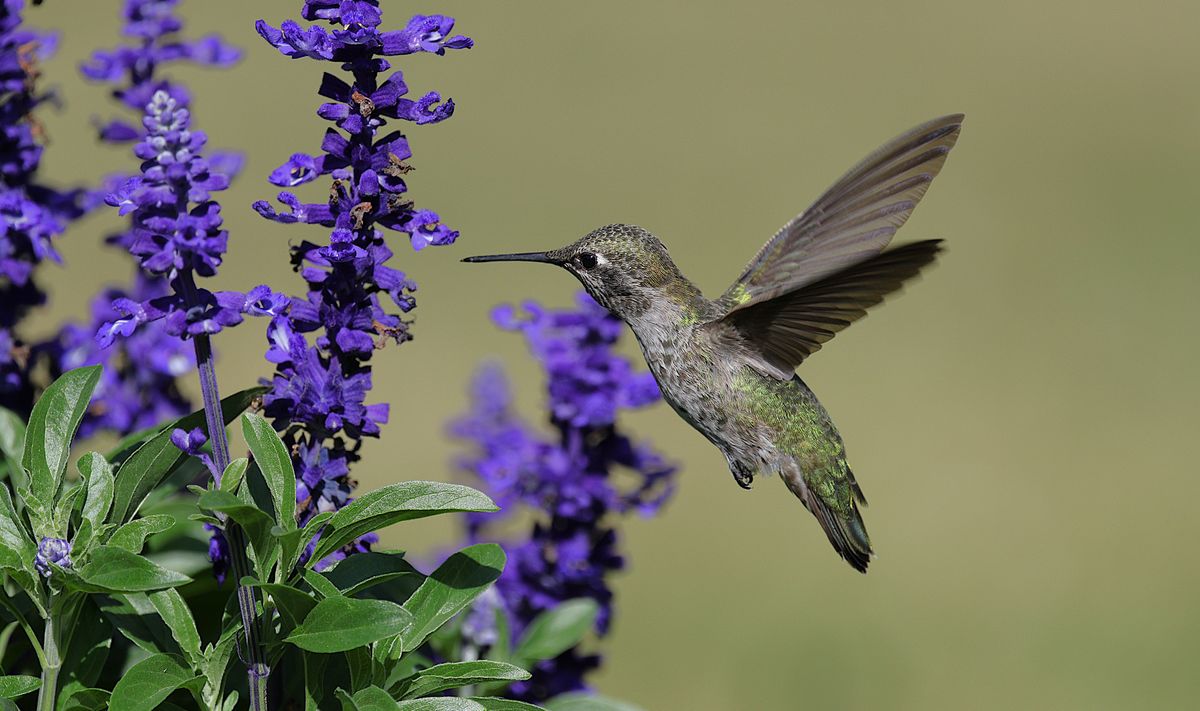
Photo by Veronika Andrews on Pexels
- Late February – Early March — Gulf Coast & Deep South (Zones 8–10): Deploy 32 oz feeders with fresh 4:1 nectar as the first waves of Ruby-throated scouts cross the Gulf.
- Late March – Early April — Mid-Atlantic, Midwest & Central US (Zones 6–7): Clean existing hardware, install ant moats, and hang hand-blown glass feeders 10–15 ft from brush.
- Mid to Late April — Northern Tier & New England (Zones 4–5): Mount feeders in sunny patches to ensure solar batteries charge fully despite cooler spring daylight.
- Early May — High Altitude & Pacific Northwest (Zones 3–4): Monitor nighttime temperatures to prevent nectar freezing during late spring cold snaps.
Spring Nectar & Feeder Maintenance Schedule
- Below 70°F (Early Spring) — Replace nectar every 3 to 4 days. Wash reservoir with warm water and a scrub brush.
- 70°F to 80°F (Mid Spring) — Replace nectar every 2 to 3 days. Inspect built-in ant moats and top off water levels.
- 81°F to 90°F (Late Spring) — Replace nectar every 2 days. Scrub feeding ports and metal base thoroughly with mild soap.
- Above 90°F (Early Summer) — Replace nectar daily. Shift feeders into partial afternoon shade to minimize fermentation.
Featured Garden Upgrade: Hand-Blown Solar Glass Feeders
If you want to combine functional wildlife support with breathtaking garden aesthetics, the LUJII Solar-Powered Hummingbird Feeder is an ideal seasonal upgrade.
- 2,300°F Hand-Blown Artistry: Each thick glass reservoir features unique color swirls that brilliantly refract daytime sunlight.
- 32 fl. oz Leak-Proof Capacity: Slender silhouette paired with a sealed, anti-rust metal base minimizes drips and keeps bees away.
- Automatic 8-Hour Solar RGB Illumination: The waterproof solar cap converts daytime sunlight into up to 8 hours of gentle nighttime RGB illumination, transforming your garden into an evening showcase.
Pro Tip: Strategic Feeder Placement & Shade Dynamics
Hummingbirds burn energy at a rate of nearly 12,000 calories per day relative to human body mass. They prefer feeding where they feel secure from predators like sharp-shinned hawks or domestic cats.
Position your feeder exactly 10 to 15 feet away from a shelter tree or dense shrub. This distance is close enough for a hummingbird to dart to safety in under 1 second, yet far enough to prevent lurking predators from jumping out at feeding birds. Additionally, ensure the solar cap receives at least 6 hours of direct sunlight during the day while the glass nectar bulb rests in soft partial shade during peak 2:00 PM heat.
Spring-to-Summer Garden Action Calendar
| Month | Focus Area | Key Action Tasks | Nectar Ratio |
| --- | --- | --- | --- |
| March | Scout Arrival Prep | Sanitize feeders, hang primary station, fill built-in ant moats with clean water. | 4 parts water : 1 part sugar |
| April | Flora Integration | Plant tubular native perennials (Salvia, Bleeding Heart, Bee Balm) near feeding stations. | 4 parts water : 1 part sugar |
| May | Territory Peak | Add secondary feeders 20+ feet apart to prevent aggressive territorial dominant males. | 4 parts water : 1 part sugar |
| June | Nesting Support | Provide water misters or drippers nearby for bathing; increase feeder cleaning to 2-day cycles. | 4 parts water : 1 part sugar |
Align your yard care activities with migration cycles to build a permanent, thriving habitat.
Recommended Artisan Glass Feeders for Spring
When selecting a spring feeder, prioritize material durability, ease of cleaning, and visual attraction. Hand-blown solar glass feeders stand out by providing natural daytime radiance and glowing garden accents after dusk.
Look for models featuring a 32 fl. oz translucent reservoir so you can check nectar levels from across the yard without disturbing feeding birds. A heavy-duty, anti-rust metal base with a rubber leak-proof gasket ensures your feeder withstands spring thunderstorms while preventing sticky drips that attract unwanted wasps and crawling ants.
Regional Climate Adjustments: Southern, Northern, and Coastal Zones
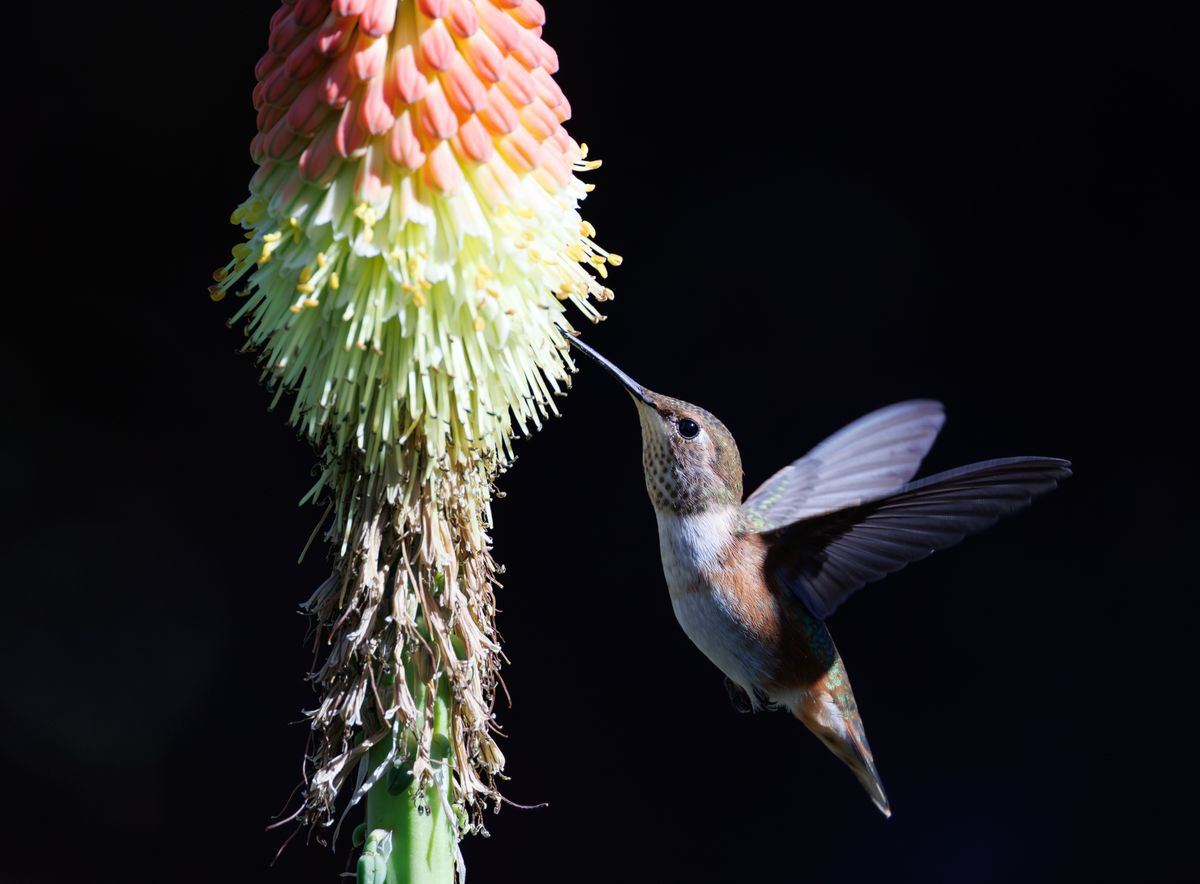
Photo by Veronika Andrews on Pexels
Every American garden experiences different spring weather patterns. Adjust your setup based on your localized climate conditions:
- Southern & Desert Zones (AZ, TX, FL): Intense early sun can heat nectar rapidly. Choose feeders with powder-coated anti-rust metal bases and shaded hanging spots to prevent nectar boiling. Replace liquid every 48 hours starting in April.
- Northern & High-Altitude Zones (MN, ME, CO): Early spring nights often dip below freezing (32°F). Bring glass feeders indoors at dusk and re-hang them at dawn so early morning scouts find liquid nectar rather than ice.
- Coastal & Wind-Prone Zones (NC, CA, WA): Spring wind gusts can cause lightweight plastic feeders to tip and leak. Heavy handcrafted glass feeders weighing 2 to 3 lbs remain steady on Shepherd's hooks during windy weather.
Spring Yard Preparation Checklist
- [ ] Check regional migration calendar for estimated local scout arrival dates.
- [ ] Inspect hand-blown glass reservoir and anti-rust metal base for wear or cracked seals.
- [ ] Boil clean water and mix a fresh batch of 4:1 refined white sugar nectar.
- [ ] Position feeder station 10–15 feet from brush or protective tree cover.
- [ ] Ensure top solar cap receives 6+ hours of unshaded daylight for nighttime lighting.
- [ ] Hang feeder at least 5 feet off the ground to deter outdoor cats and ground pests.
- [ ] Fill built-in ant moats with plain water to stop crawling insects.
- [ ] Plant early-blooming tubular native perennials (like Coral Honeysuckle) nearby.
- [ ] Set a recurring calendar reminder for 2 to 3 day nectar replacement cycles.
- [ ] Install a fine water mister or dripper nearby for bird feather maintenance.
Frequently Asked Questions About Spring Hummingbird Care
Common questions from home gardeners preparing for spring arrival:
Your Next Steps for a Flourishing Spring Sanctuary
Your decision: Determine your regional migration arrival date and select an artisan feeder setup.
Do this next: Clean existing hardware, order a hand-blown glass solar feeder, and set up your nectar station 14 days before scouts arrive.
- Read next: How to Make Safe DIY Hummingbird Nectar: The Ultimate 4:1 Recipe
LUJII 32 oz Hand-Blown Glass Solar Hummingbird Feeder with RGB Lighting
Transforming your yard into an inviting hummingbird refuge is simple when you combine accurate timing, safe nectar, and high-visibility artisan glass feeders.
Explore Related Hummingbird & Garden Decor Guides
Offer next internal readings for deep dive.
Cover photo by A. G. Rosales on Pexels.