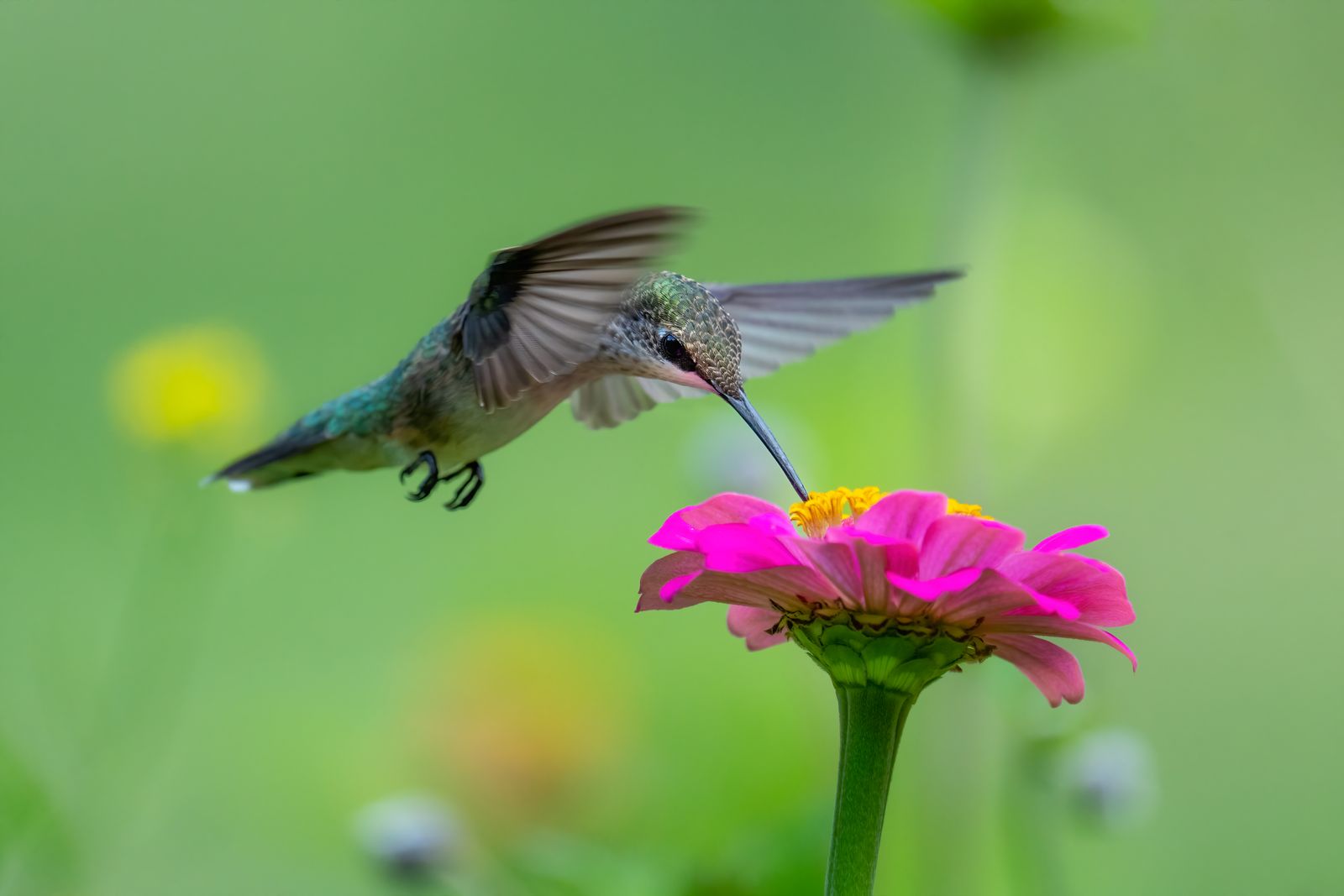
How Often Should You Change Hummingbird Nectar? Outdoor Temperature & Care Guide
Many backyard bird lovers assume sugar water remains safe until it turns cloudy or grows visible mold. In reality, yeast fermentation begins hours before any visual signs appear. You must change hummingbird nectar every 2 to 7 days, depending strictly on outdoor temperatures: up to 7 days in cool spring weather (below 60°F), every 3 to 4 days in moderate climates (70–80°F), and daily during hot summer spikes over 90°F.
Matching Capacity to Your Yard's Hummingbird Traffic
Base your nectar refill frequency and fluid volume strictly on peak daily outdoor temperatures and local bird traffic to keep food fresh while avoiding wasteful refills.
Best choice for
- Daily replacement with 1/3 feeder capacity (10–12 oz) — Extreme ambient heat accelerates fungal spoilage within 24 hours. Partial fills ensure birds get ice-cold, fresh food daily without throwing away 30 ounces of unconsumed syrup.
- Full 32 oz capacity fill replaced every 4 to 5 days — Cooler air suppresses yeast multiplication, permitting maximum capacity so active migrating flocks stay fueled without risk of rapid fermentation.
- Leaving nectar unchanged for more than 48 hours when outdoor temperatures exceed 85°F in direct sun.
- Filling a 32 oz artisan glass reservoir to the top when hosting only 1 or 2 territorial hummingbirds.
- Refrigerated Nectar Batch Storage — Boil a large batch of 4:1 water-to-sugar nectar, store it sealed in your refrigerator for up to 2 weeks, and pour small, chilled portions into your feeder as needed.
Featured Solution: Artisan Glass & Solar Lighted Feeder Care
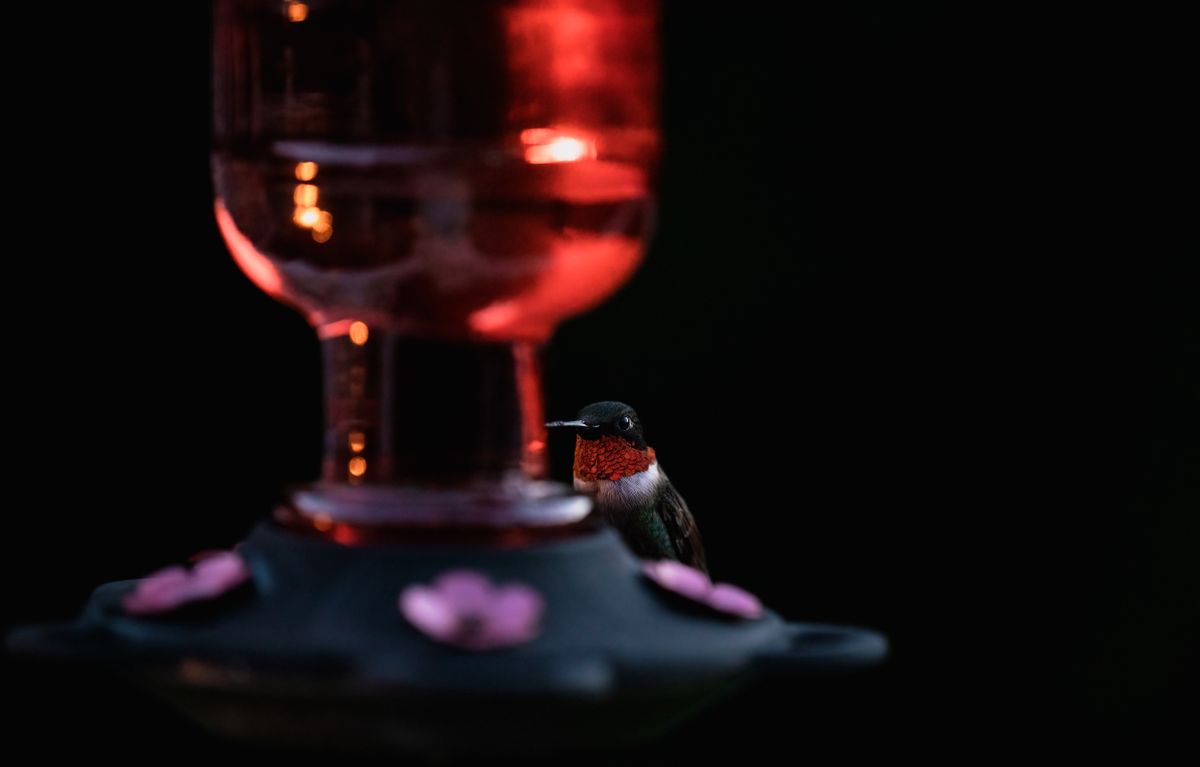
Crafted by hand at 2,300 degrees Fahrenheit, each LUJII Solar-Powered Hummingbird Feeder combines stunning hand-blown glass art with practical wild bird care. Its translucent 32 fl. oz reservoir lets you monitor nectar clarity at a glance, while the slender profile and sealed metal base minimize drips. When dusk falls, integrated RGB lights automatically glow for up to 8 hours without transferring any thermal energy to the nectar reservoir.
Ready to elevate your garden experience while protecting your local hummers? Explore our flagship hand-blown solar feeders today.
Expert Advice: Solar Thermal Dynamics & Solar LED Impact
A common worry among solar garden decor enthusiasts is whether twilight lighting warms the sugar water and accelerates fermentation. Fortunately, solar-powered LED caps are engineered with high-efficiency top-mounted diodes that emit zero infrared thermal energy downward. Because heat naturally rises and dissipates into the night air above the plastic cap, the illumination has no measurable effect on internal nectar temperatures.
Additionally, high-density hand-blown glass acts as a natural thermal buffer compared to thin plastic feeders. Thick artisan glass absorbs ambient temperature shifts gradually, protecting nectar from sudden midday heat spikes.
Seasonal Nectar Freshness Maintenance Routine
- Every Morning (Peak Summer >90°F) — Perform a 5-second clarity check. Discard unused nectar, rinse the glass reservoir with hot water, and refill with fresh, chilled nectar.
- Every 3 Days (Warm Spring/Fall 70–80°F) — Empty remaining nectar. Clean feeding ports and metal base with a soft nylon brush and warm water. Refill to half capacity.
- Every 7 Days (Cool Weather <60°F) — Perform a complete teardown wash. Soak the glass reservoir and metal base in a 1:4 white vinegar to hot water solution, rinse thoroughly, and dry.
- Monthly Solar Cap Care — Wipe the top solar panel collector clean with a damp microfiber cloth to remove dust, bird drops, or pollen so the battery charges at peak efficiency.
Temperature-to-Nectar-Spoilage Matrix
| Temperature Range (°F) | Max Safe Refill Interval | Fermentation Risk Level | Recommended Fill Level (32 oz Capacity) |
| --- | --- | --- | --- |
| Under 60°F (Cool Spring) | 6 to 7 Days | Low (Yeast dormant) | Full Fill (24–32 oz) |
| 61°F – 70°F (Mild Days) | 4 to 5 Days | Moderate | 3/4 Fill (20–24 oz) |
| 71°F – 80°F (Warm Summer) | 3 Days | Elevated | 1/2 Fill (16 oz) |
| 81°F – 90°F (Hot Summer) | 2 Days | High (Rapid Fermentation) | 1/3 Fill (10–12 oz) |
| Above 90°F (Extreme Heatwave) | Daily (24 Hours) | Critical (Risk of Mold & Sour Crop) | 1/4 Fill (8 oz) |
Refer to this matrix to adjust your feeder maintenance schedule according to real-time weather forecasts.
Actionable Next Steps for Safe Feeding
Your decision: Determine your local 3-day outdoor temperature forecast to select the appropriate nectar changing cycle today.
Do this next: Inspect your feeder nectar using our 4-point visual checklist below. If it has been outdoors for more than 48 hours in warm weather, dump, wash, and refill with fresh 4:1 sugar water.
- Read next: Hummingbird Feeder Gasket and O-Ring Maintenance: FAQs for a Drip-Free Garden
LUJII Hand-Blown Glass Solar Hummingbird Feeder (32 oz Leak-Proof Artisan Design)
Keep your hummingbird feeding station safe, vibrant, and drip-free with these clear next steps.
Key Takeaways for Fresh Nectar
Photo by Veronika Andrews on Pexels
Keep these essential rules in mind to maintain a thriving, healthy hummingbird habitat:
Visual Inspection Checklist: 4 Signs Your Nectar Has Spoiled
- [ ] Cloudiness or Milkiness: The clear sugar solution loses transparency and looks hazy or murky.
- [ ] Black Specks: Fungal spores or black mold clusters appearing around feeding ports or floating inside the glass reservoir.
- [ ] Stringy or Slime Texture: Yeast proliferation creating delicate threads or a slippery film when poured.
- [ ] Sour Fermented Odor: The liquid gives off a faint wine, beer, or vinegar odor rather than clean sugar water.
5 Critical Mistakes That Fast-Track Nectar Fermentation
Avoid these common setup and care errors that accidentally speed up spoilage or harm visiting birds:
Related Maintenance & Care Guides
- How Often Should You Change Hummingbird Nectar to Prevent Fermentation? (Temperature Guide)
- How Often to Change Hummingbird Nectar in Summer: Complete Heat & Shade Guide
- How Often to Change Hummingbird Nectar: Temperature & Weather Guide
Frequently Asked Questions About Nectar Freshness
Get quick answers to the most common questions regarding solar lights, shade, cleaning, and hummingbird behavior.
Cover photo by Skyler Ewing on Pexels.