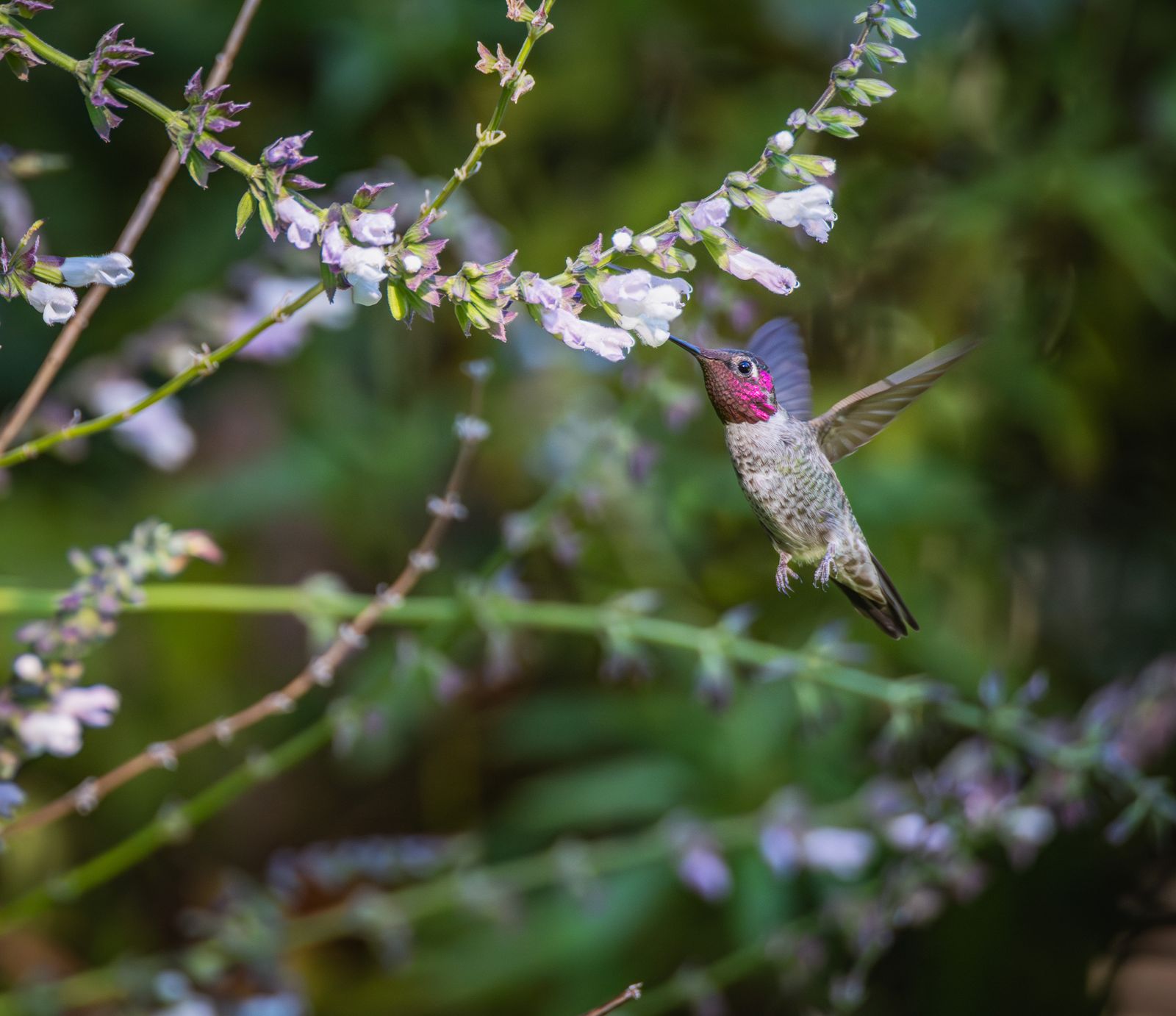
How Often to Change Hummingbird Nectar in Summer: Complete Heat & Shade Guide
Should you change your hummingbird nectar every single day during summer? Yes, whenever temperatures exceed 90°F. In milder summer weather (70–80°F), change nectar every 3 to 4 days. Between 81–88°F, replace it every 2 days. Above 90°F, rapid fermentation creates toxic alcohol and deadly black mold within 24 hours.
The Daily Summer Nectar Safety Checklist
- [ ] Check liquid clarity: Is the nectar crystal clear or starting to look hazy, milky, or cloudy?
- [ ] Inspect port seals: Are there black specks or dark rings of mold forming inside the drinking flowers or base threads?
- [ ] Verify shade alignment: Is the feeder fully shaded during the peak heat window between 12:00 PM and 4:00 PM?
- [ ] Touch the glass reservoir: Is the outer surface hot to the touch from direct sunlight exposure?
- [ ] Check the ant moat: Has the protective water moat evaporated in the summer heat, leaving an open highway for crawling pests?
Printable Summer Care Quick-Reference Sheet
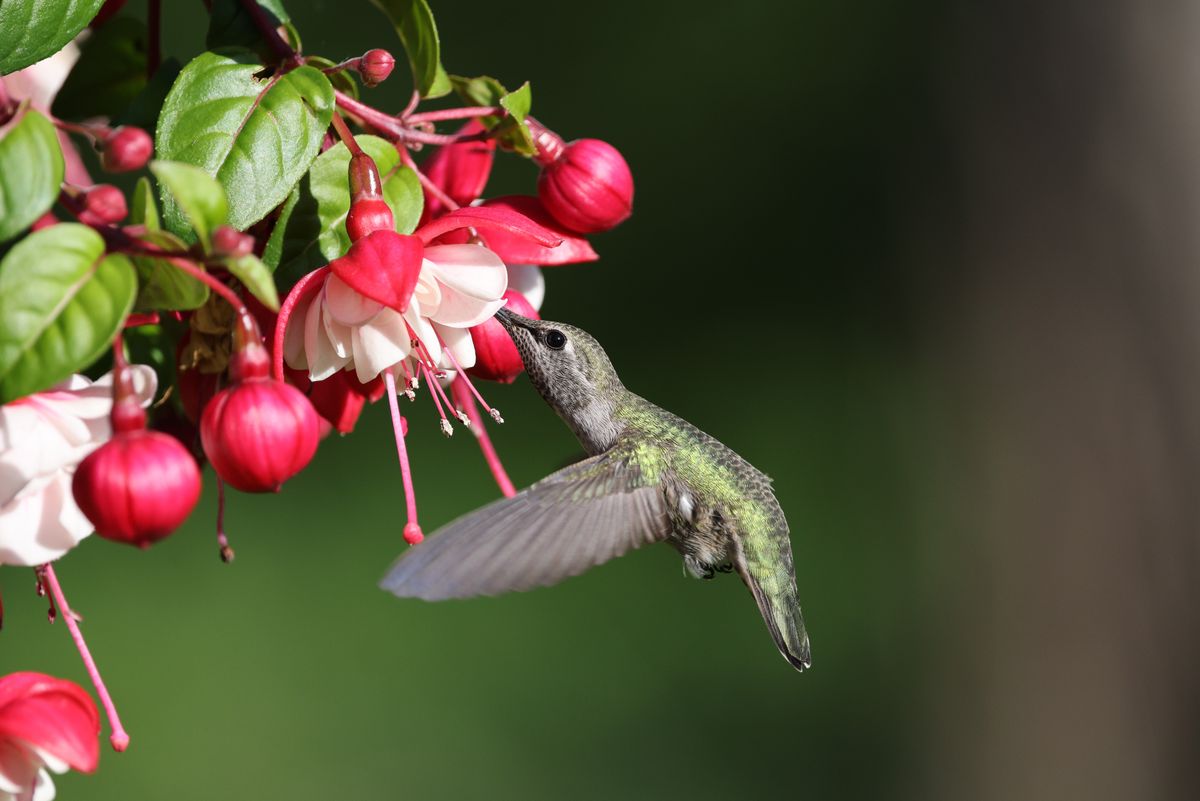
Photo by Veronika Andrews on Pexels
- Under 70°F: Replace nectar every 5 to 7 days.
- 70°F – 80°F: Replace nectar every 3 to 4 days.
- 81°F – 88°F: Replace nectar every 2 days.
- 89°F – 95°F+: Replace nectar EVERY 24 hours (Daily).
- Golden Ratio: Stick strictly to 4 parts water to 1 part white granulated sugar. Never add honey, artificial sweeteners, or red dye.
- Partial Fills: During 90°F+ heatwaves, only fill your feeder 1/3 full (10 oz) to avoid throwing away large batches of unused nectar daily.
- Cleaning Rule: Flush with hot water and white vinegar during every replacement. Never use harsh chemical dish soaps without exhaustive rinsing.
Expert Tip: Thermal Dynamics of Artisan Hand-Blown Glass
Did you know that feeder material directly dictates how fast sugar water ferments? Thin plastic feeders act like mini greenhouse chambers under solar rays, rapidly heating nectar above ambient outdoor air temperatures. In contrast, thick, handcrafted glass reservoirs—blown at 2,300°F—possess high thermal mass. This dense glass wall absorbs ambient temperature shifts gradually, buffering the nectar inside against rapid daytime temperature spikes. Hanging a translucent hand-blown glass feeder in morning sun and afternoon shade keeps nectar significantly cooler than thin plastic alternatives.
Temperature vs. Nectar Replacement Frequency Matrix
| Temperature Bracket | Max Outdoor Duration | Spoilage & Microbial Risk Level | Recommended Action & Partial Fill Strategy |
| --- | --- | --- | --- |
| Cool Spring / Early Summer (<70°F) | 5 – 7 Days | Low: Yeast growth is minimal; bacteria multiply slowly. | Fill reservoir to 75% capacity. Inspect ports weekly. |
| Moderate Summer (70°F – 80°F) | 3 – 4 Days | Moderate: Sugar water begins mild fermenting by day 4. | Fill reservoir to 50% capacity. Scrub ports during refills. |
| Warm Summer Heat (81°F – 88°F) | 2 Days (48 Hours) | High: Rapid yeast bloom. Alcohol forms within 48h. | Fill reservoir to 33% capacity. Rinse with warm water daily. |
| Severe Heatwave (89°F – 95°F) | 1 Day (24 Hours) | Critical: Toxic fermentation & black mold within 24h. | Fill reservoir to 25% capacity (10 oz). Drain and flush daily. |
| Extreme Thermal Spike (95°F+) | 12 – 18 Hours | Extreme: Nectar can scald avian tongues; high bacterial load. | Provide deep shade or ice-baffle caps. Swap nectar twice daily. |
Match your local daily weather forecast to the appropriate care protocol below to prevent microbial blooms and toxic fermentation.
Interactive & Static Summer Nectar Maintenance Schedule
- Every Morning (7:00 AM - 9:00 AM) — Visual inspection: Check nectar clarity and shade status. Refill ant moat with fresh tap water.
- Every 24 to 48 Hours (During 85°F+ Weather) — Complete drain and rinse: Dump remaining sugar water. Flush glass reservoir and base ports with hot tap water and a bottle brush.
- Twice Weekly Deep Clean — Sanitizing soak: Submerge disassembled glass base and feeding flowers in a 1:4 white vinegar and warm water solution for 15 minutes. Scrub ports with narrow wire brushes.
- Emergency Heatwave Adjustment (>92°F) — Reduce batch size to 8-10 ounces. Move feeder under dense eastern tree canopy to catch morning light for solar charging while maintaining afternoon shade.
Key Takeaways for Hot Weather Hummingbird Care
- Temperature rules everything: As ambient heat climbs above 80°F, nectar lifespan drops exponentially.
- Fermentation is invisible at first: Sugar water ferments into alcohol and acid before it turns visibly cloudy.
- Shade is your best friend: Position feeders where they receive morning sun for solar charging but deep afternoon shade during peak UV hours.
- Never change the 4:1 ratio: Extra sugar does not preserve nectar—it causes rapid dehydration in hot weather.
- Quality materials matter: Hand-blown glass buffers liquid against sudden heat spikes far better than lightweight plastic.
Fatal Summer Nectar Mistakes (Failure Modes to Avoid)
When maintaining a hummingbird feeder in high heat, small missteps can lead to tragic outcomes for wild birds. Avoid these critical failure modes:
1. Waiting for Nectar to Look Cloudy Before Changing
Many gardeners assume sugar water is fine as long as it remains clear. In reality, wild yeasts convert sucrose into toxic alcohol and acetic acid hours before visible cloudiness or stringy sediment appears. Ingesting fermented nectar impairs hummingbird coordination and damages delicate liver tissues.2. Adding Red Dye or Commercial Preservatives
During summer droughts, water evaporates through feeder ports, concentrating whatever is dissolved in the liquid. Artificial red dyes (FD&C Red No. 40) and sodium benzoate preservatives concentrate rapidly in heat, placing extreme strain on tiny avian kidneys. Pure white granulated sugar and clean boiled water are all they ever need.3. Hanging Feeders in Afternoon Direct Sun
Exposing a feeder to 2:00 PM summer rays bakes the reservoir, raising nectar temperatures past 100°F. Hot nectar can actually burn a hummingbird's sensitive tongue and accelerates mold growth tenfold. Always shield your feeder with leafy overhangs or dedicated weather baffles.4. Scrubbing Glass with Harsh Chemical Soap
Using synthetic dish detergents leaves behind micro-films of fragrance and chemical surfactant. When hummingbirds drink, these residues irritate their upper digestive tracts. Use natural white vinegar and hot water for routine sanitization.Fermentation Timeline: From Fresh Sugar Water to Toxic Mold
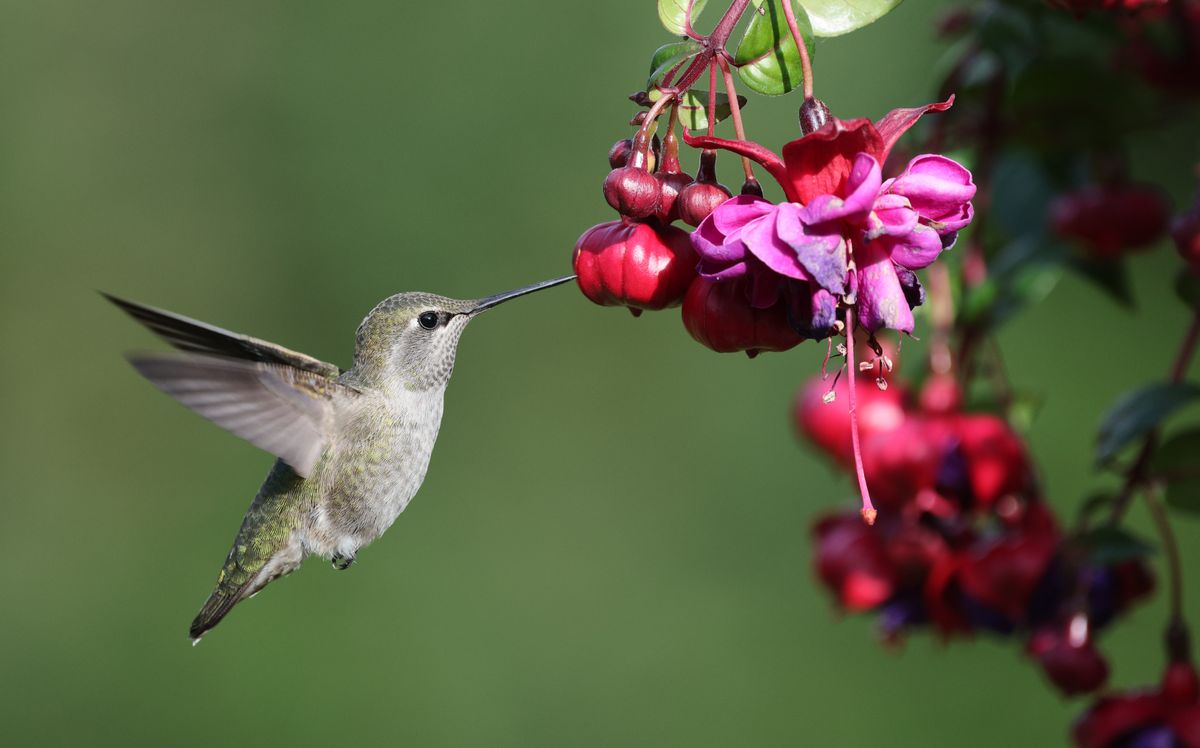
Photo by Veronika Andrews on Pexels
- Hour 0 - Fresh Fill — Nectar is boiled 4:1 sucrose solution. Completely sterile, crystal clear, and safe.
- Hour 12 - Initial Exposure (88°F+) — Airborne wild yeasts introduced via visiting hummer beaks begin feeding on dissolved sucrose molecules.
- Hour 24 - Fermentation Onset — Microscopic yeast colonies multiply rapidly, creating subtle alcohol traces. Nectar still looks clear but taste alters.
- Hour 48 - Bacterial Bloom & Cloudiness — Visible haze forms. Acetic acid bacteria transform alcohol into vinegar-like compounds. Avian candidiasis fungi begin germinating in port threads.
- Hour 72+ - Toxic Black Mold — Black mold (Cladosporium) blooms inside feeding ports. High toxicity causes severe tongue swelling and mortality in wild hummingbirds.
Recommended Articles on Seasonal Hummingbird Care
Expand your backyard birding knowledge with these essential guides:
- Hot Weather Nectar Ratios: How to Keep Hummingbird Food Fresh in Summer
- How to Make Safe DIY Hummingbird Nectar: The Ultimate 4:1 Recipe
- Seasonal Hummingbird Care: Spring Arrival Through Autumn Migration
- Twilight Nectar Care FAQ: Does Nighttime Solar Light Affect Nectar Freshness?
- Hand-Blown Glass vs. Plastic Hummingbird Feeders: Which Elevates Your Garden Experience?
Frequently Asked Questions About Summer Hummingbird Feeding
Does direct summer sunlight fade hand-blown colored glass feeders?
Not at all! High-quality handcrafted colored glass has mineral pigments fused directly into the silica matrix at 2,300°F during hand-blowing. Unlike cheap painted plastic or surface-coated glass that chips and fades under UV radiation, hand-blown glass colors remain permanently vibrant for a lifetime without leaching chemicals into the nectar.
Does the solar LED light generate heat that speeds up nectar fermentation at night?
No. Modern solar-powered hummingbird feeders utilize low-voltage, cold-emission RGB LEDs. These decorative diodes generate zero perceptible heat into the liquid glass reservoir below. Furthermore, ambient nighttime temperatures are naturally cooler, ensuring nighttime illumination is 100% safe for nectar freshness.
How do I thoroughly clean black mold out of narrow glass feeder ports?
Soak the disassembled metal base and glass reservoir in a 1:4 solution of plain white distilled vinegar and hot water for 20 minutes. Use a specialized narrow feeder port brush or a small mascara spoolie brush to gently scrub inside the tiny floral openings. Rinse thoroughly with warm tap water before refilling.
Should I change the 4:1 sugar water ratio during intense summer heatwaves?
No, always stick strictly to the classic 4:1 water-to-sugar ratio. Increasing sugar content during hot weather makes nectar thicker and accelerates dehydration, as birds require ample water to regulate their body temperature. Decreasing sugar dilutes vital calories. 4:1 provides the ideal balance of hydration and metabolic fuel.
Here are the top questions backyard birding enthusiasts ask about maintaining solar glass feeders in high summer heat:
Recommended Solar Glass Feeders for Summer Gardens
Elevate your outdoor sanctuary while keeping your feathered friends healthy with our flagship handcrafted solar feeder.
🌟 LUJII Solar-Powered Hummingbird Feeder 🌟
- Artisan Hand-Blown Glass: Each vibrant reservoir is handcrafted by master glassblowers at 2,300°F. The thick translucent glass provides excellent thermal buffering against summer sun while allowing effortless nectar monitoring.
- Solar-Powered RGB Ambiance: Features a built-in top solar cap that recharges during the daytime and automatically illuminates your garden at dusk with magical RGB lighting modes for up to 8 hours.
- Leak-Proof & Durable: Built with a generous 32 fl. oz capacity, slender ergonomic curves, a weather-sealed leak-proof base, and an anti-rust metal finish designed to withstand heatwaves, rain, and summer storms.
Summer Nectar Care: Next Steps & Action Plan
Your decision: Determine your region's peak daytime summer temperature and audit your feeder's current shade exposure.
Do this next: Check your feeder immediately: if nectar is cloudy, smells vinegary, or has been exposed to >85°F heat for more than 48 hours, dump it, sanitize the base with warm water and vinegar, and refill with a fresh 4:1 boiled mix.
- Read next: Hot Weather Nectar Ratios: How to Keep Hummingbird Food Fresh in Summer
- Read next: How to Make Safe DIY Hummingbird Nectar: The Ultimate 4:1 Recipe
Upgrade to a thick, hand-blown glass solar feeder like the LUJII Solar Hummingbird Feeder to naturally buffer nectar temperatures while illuminating your evening garden.
Take these immediate steps to ensure your backyard hummingbird station is safe, cool, and welcoming today.
Cover photo by Robert So on Pexels.