How Often to Change Hummingbird Nectar: Temperature & Weather Guide
Contrary to the widespread myth that weekly nectar changes are safe, hummingbird sugar water ferments rapidly above 60°F. You must replace nectar every 5–7 days in weather below 70°F, every 2–3 days between 71°F and 87°F, and daily once temperatures reach 88°F or higher.
Temperature Decision Guide: Setting Your Local Schedule
Nectar change frequency depends strictly on daily peak temperatures and solar exposure. Higher temperatures accelerate yeast growth, turning safe sugar water into toxic alcohol or mold.
Best choice for
- Change nectar every 5–7 days — Yeast growth is slow in cold ambient temperatures; nectar stays fresh longer without risk of fermentation.
- Change nectar every 2–3 days — Fermentation accelerates rapidly; 48 to 72 hours is the safe maximum threshold before micro-bubbles and cloudiness form.
- Change nectar daily (every 24 hours) — Extreme heat causes cloudiness and toxic bacterial growth within 24 to 36 hours, threatening bird health.
- Leaving nectar unchanged past 24 hours when ambient temperatures exceed 88°F.
- Waiting until black mold spots appear on feeding ports before cleaning and refilling the reservoir.
- Hanging glass feeders in direct, unfiltered afternoon sunlight during intense summer spikes.
- Partial Fill Strategy in Extreme Heat — Fill your 32 fl.oz reservoir only one-third full during hot weather spikes so you can discard and replace nectar daily without wasting sugar.
Recommended Feeder for Easy Nectar Monitoring
To make daily nectar visual checks quick and simple, choose a feeder built with crystal-clear translucent glass. The LUJII Solar-Powered Hummingbird Feeder features handcrafted, hand-blown art glass shaped at 2,300°F. Its colorful translucent reservoir allows you to monitor nectar clarity and fill levels instantly from your patio.
Equipped with a 32 fl.oz capacity, a sealed anti-rust metal base, and an insulated solar cap with automatic RGB night lighting, this feeder keeps nectar secure while adding a whimsical glow to your evening garden.
Explore the LUJII Hand-Blown Glass Solar Hummingbird Feeder
Expert Tip: Thermal Dynamics of Glass & Solar LED Feeders
A common concern among bird lovers is whether solar-illuminated feeders heat up nectar at night and speed up spoilage. High-quality hand-blown art glass has natural thermal insulation properties—it absorbs daytime solar warmth slowly and radiates it away quickly once twilight sets in.
Furthermore, modern solar hummingbird feeders house their solar panels and low-voltage micro-LEDs entirely inside an insulated top cap. These lights radiate zero downward heat into the fluid reservoir, ensuring your sugar water remains at ambient air temperature through the evening.
Seasonal & Daily Nectar Maintenance Routine
- Daily Morning Check (30 Seconds) — Hold the glass feeder up to morning light. Confirm liquid is translucent and clear. Check rubber port seals for black mold specks.
- Every 2–3 Days (71°F–87°F Weather) — Unscrew the reservoir, discard unused nectar, rinse thoroughly with hot tap water, and refill with fresh 4:1 white sugar solution.
- Daily Swap (88°F+ Heatwaves) — Empty the feeder completely every evening or early morning. Wash with warm water using a bottle brush before refilling 1/3 full.
- Weekly Deep Clean & Sanitize — Soak hand-blown glass reservoir and metal base in a 1:4 white vinegar to water bath for 15 minutes. Scrub ports, rinse with cold water, and air dry completely.
Key Takeaways: Nectar Freshness Rules at a Glance
- Temperature dictates replacement speed: Change nectar every 5–7 days below 70°F, every 2–3 days from 71°F to 87°F, and daily above 88°F.
- Fermentation happens before visual symptoms: Nectar becomes acidic and alcohol-rich before turning visibly cloudy or growing black mold.
- Stick to the strict 4:1 ratio: Mix 4 parts water to 1 part pure white granulated sugar. Never use honey, brown sugar, or red dye.
- Use translucent glass for easy checks: Hand-blown translucent glass reservoirs let you check nectar clarity without opening the feeder.
- Solar lights emit zero heat: Top-mounted solar cap micro-LEDs do not raise fluid temperatures or accelerate fermentation.
Temperature-to-Nectar Freshness Matrix
| Temperature Scenario | Max Replacement Interval | Fermentation Speed | Recommended Action |
| --- | --- | --- | --- |
| Cool Spring (<70°F) | 5–7 Days | Very Slow | Fill reservoir to 3/4 capacity; inspect clarity during weekly cleanings. |
| Moderate Summer (71°F–80°F) | 3 Days | Moderate | Fill reservoir 1/2 full; check daily for micro-bubbles near the neck. |
| Warm Summer (81°F–87°F) | 2 Days | Fast | Fill reservoir 1/3 full; swap nectar every 48 hours regardless of appearance. |
| Heatwave (88°F–95°F) | 24 Hours | Critical | Partial fill only; rinse feeder with warm water and refill every morning. |
| Extreme Heat (95°F+ Full Sun) | 12–18 Hours | Immediate | Relocate feeder to deep shade or swap nectar twice daily during peak sun hours. |
Refer to this weather matrix every morning when reviewing your local forecast to determine exact replacement frequency.
Nectar Condition & Safety Inspection Matrix
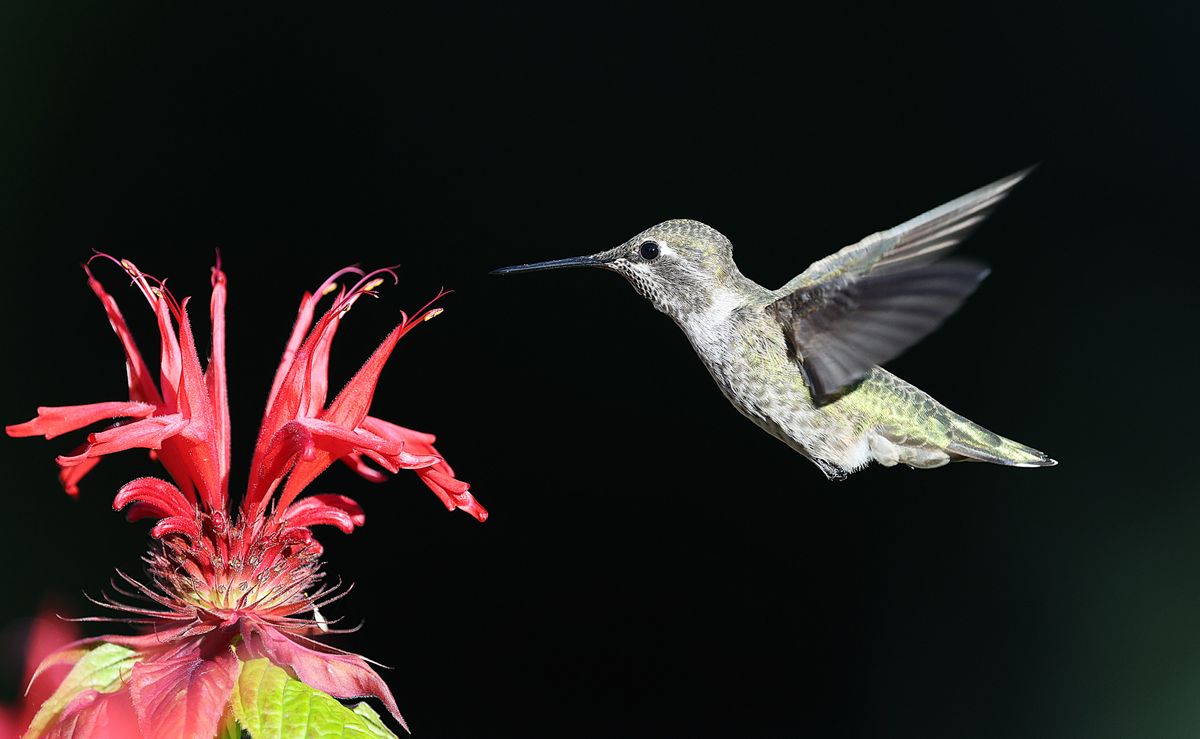
Photo by Veronika Andrews on Pexels
| Nectar State | Visual Indicators | Odor / Texture | Toxicity Risk to Birds |
| --- | --- | --- | --- |
| Pristine / Fresh | Crystal clear, completely transparent, no sediment | Odorless, thin fluid consistency | Zero Risk: Optimal caloric fuel for high-metabolism flight. |
| Early Fermentation | Slight haze, tiny floating micro-bubbles along glass rim | Faint sweet yeast or sour smell | Moderate Risk: Causes liver stress and digestive discomfort. |
| Advanced Spoilage | Milky appearance, stringy white yeast strands | Strong alcohol or vinegar aroma | High Risk: Can cause alcohol poisoning and severe dehydration. |
| Toxic Mold Growth | Black specks or fuzzy spots on feeding ports/base | Musty, damp, unpleasant odor | Critical Risk: Causes fatal fungal infections (avian candidiasis). |
Understand how nectar changes as it degrades so you can intervene before birds suffer illness.
Dangerous Nectar Care Mistakes to Avoid
Well-meaning bird lovers often make minor maintenance oversights that put hummingbirds at risk:
Related Hummingbird Care Guides
Expand your knowledge on backyard bird care and seasonal garden decor:
- How to Clean and Maintain Your Hand-Blown Solar Hummingbird Feeder
- How to Make Safe DIY Hummingbird Nectar: The Ultimate 4:1 Recipe
- Hand-Blown Glass vs. Plastic Hummingbird Feeders: Which Elevates Your Garden Experience?
- Twilight Nectar Care: Does Nighttime Solar Light Affect Nectar Freshness?
Frequently Asked Questions About Nectar Spoilage
Does nighttime solar light heat up nectar and cause it to spoil faster?
No. Modern solar hummingbird feeders use low-voltage micro-LED lights housed inside insulated top caps. They produce virtually no thermal output and will not raise nectar temperature or accelerate fermentation.
How do I safely clean hand-blown glass hummingbird feeders without damaging colors?
Hand-blown art glass features pigments embedded directly inside the glass at 2,300°F. Clean the reservoir with hot water and a soft bottle brush or a mild 1:4 white vinegar solution. Avoid boiling water or thermal shock, and never use harsh chemical detergents.
Should I adjust the sugar-to-water ratio during extreme summer heatwaves?
No. Always maintain the standard 4:1 ratio (4 parts water to 1 part white granulated sugar). Stronger sugar mixtures dehydrate birds during hot weather, while diluted mixtures fail to provide adequate calories.
How do I keep ants and bees away from my solar hummingbird feeder?
Choose a feeder with a leak-proof sealed base to eliminate sugary drips. You can also install a top water ant moat and hang the feeder in partial shade to deter sugar-seeking insects.
Find clear answers to common questions about managing sugar water in solar art-glass feeders.
Your Immediate Action Plan for Fresh Nectar
Your decision: Check your local 5-day weather forecast and set a recurring phone reminder for nectar swaps matching ambient heat.
Do this next: Inspect your feeder today against translucent glass light to check for early cloudiness or floating yeast strands.
Related resource: Download our printable Summer Nectar Temperature & Maintenance Chart.Upgrade to a handcrafted see-through LUJII Hand-Blown Glass Solar Hummingbird Feeder for easy nectar level and clarity monitoring.
Take these steps today to ensure your backyard hummingbirds enjoy pristine, energizing nectar all season long.
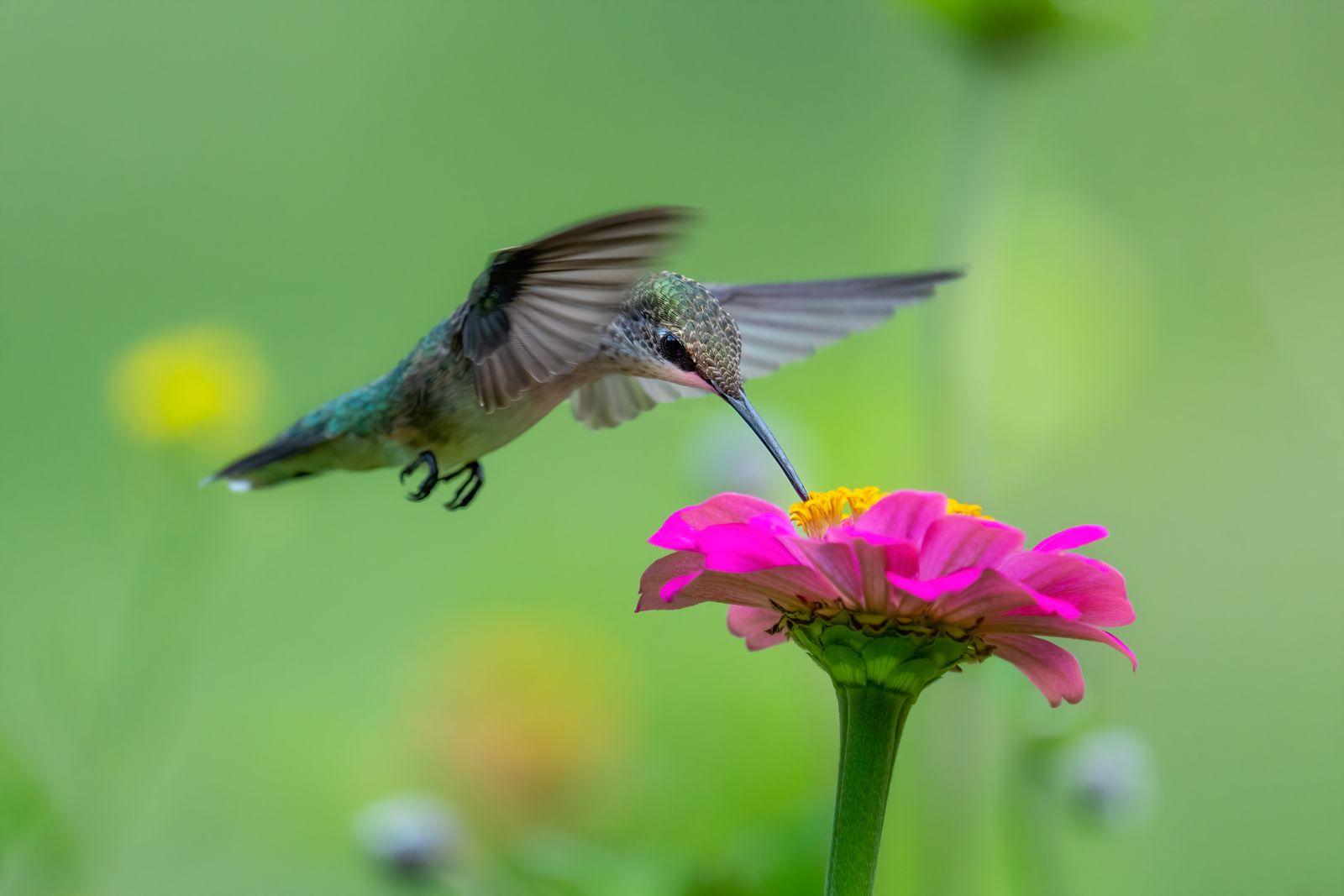
Cover photo by Skyler Ewing on Pexels.