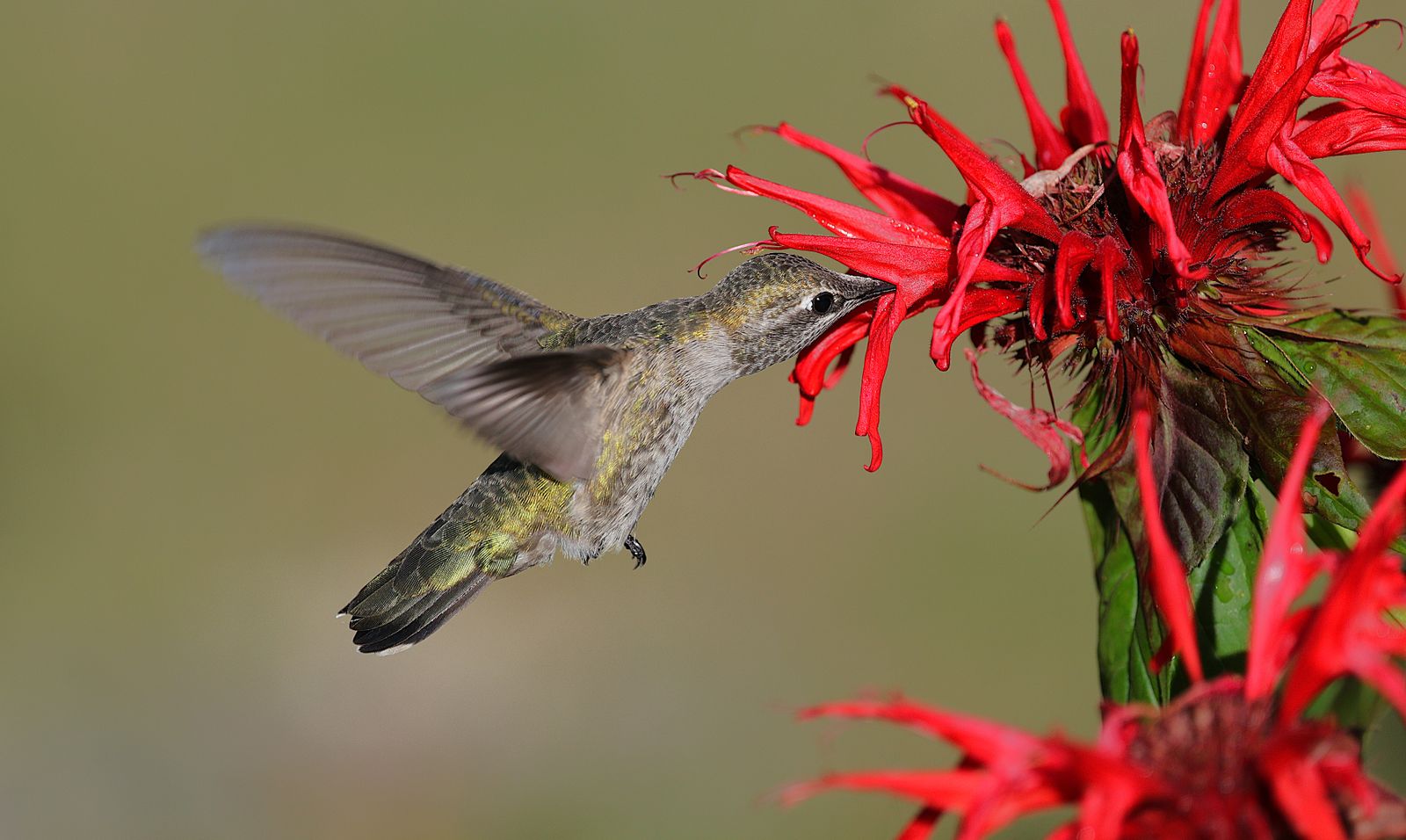
How Often Should You Change Hummingbird Nectar to Prevent Fermentation? (Temperature Guide)
Is your hummingbird nectar still safe today? You must change hummingbird nectar every 2 to 5 days depending on ambient outdoor temperatures: every 5 days below 70°F, every 3 days between 70–80°F, every 2 days between 80–90°F, and daily when temperatures exceed 90°F to prevent toxic yeast fermentation and fatal fungal infection.
Temperature vs. Nectar Freshness Threshold Matrix
| Temperature Bracket | Yeast Colonization Rate | Max Safe Duration | Visual Clarity Indicator | Required Action |
| --- | --- | --- | --- | --- |
| Below 70°F (Cool) | Low / Dormant | 5 - 7 Days | Crystal clear, no suspended haze | Routine swap every 5 days |
| 70°F - 80°F (Mild) | Moderate Growth | 3 Days | Slight loss of luster, faint micro-bubbles | Replace nectar every 3 days |
| 81°F - 89°F (Warm) | Rapid Multiplication | 2 Days (48 Hours) | Visible milky haze, slight sour odor | Replace nectar every 48 hours |
| 90°F+ (Extreme Heat) | Critical Exponential | 1 Day (24 Hours) | Cloudy syrup, carbonation, black port dots | Dump, scrub ports, and refill daily |
Outdoor ambient temperature directly dictates the rate at which airborne wild yeast cells colonize 4:1 sucrose solution. Use this threshold matrix to adjust your maintenance schedule based on peak daily heat.
Fermentation Diagnostic Flowchart: Visual Signs of Spoilage
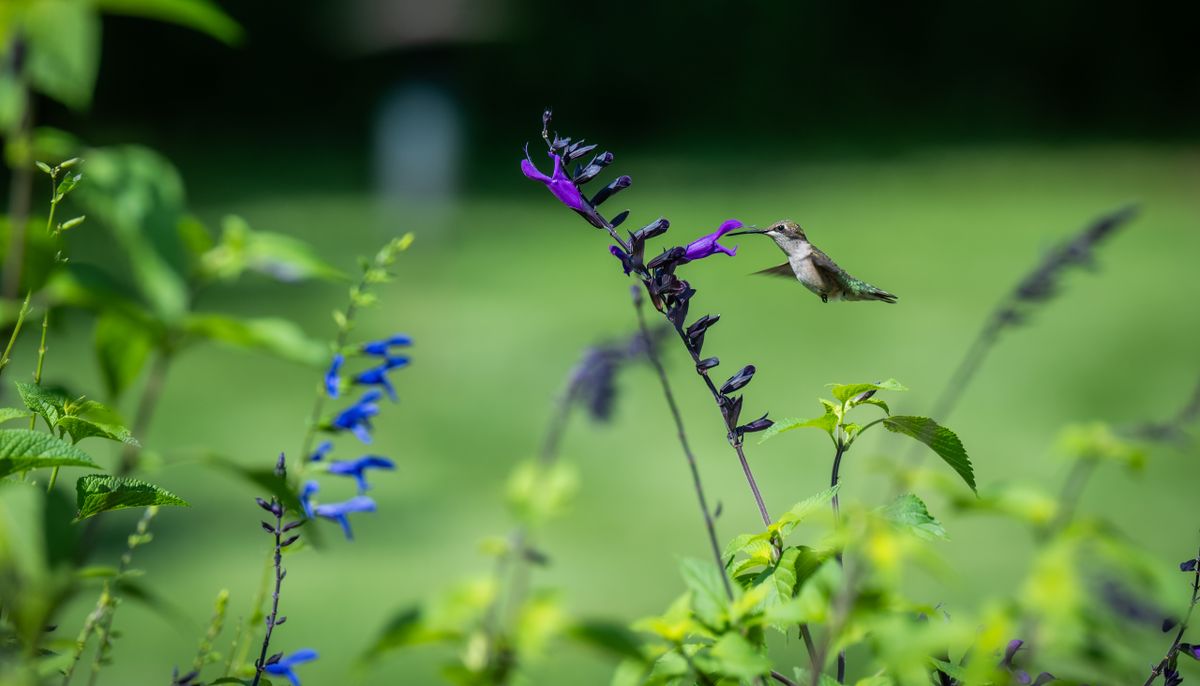
Monitoring nectar through translucent reservoir materials allows caretakers to catch early fermentation before toxic ethanol thresholds are reached.
Daily Nectar Freshness Diagnostic Checklist
- [ ] Check overall liquid transparency through clear glass reservoir (no haze or cloudiness).
- [ ] Look for tiny carbonation bubbles rising to the top liquid surface.
- [ ] Inspect feeding ports for black spots or dark micro-mold dots.
- [ ] Perform a quick smell test—discard immediately if sour, vinegary, or yeast-like.
- [ ] Verify outdoor thermometer reading to adjust change calendar if temperatures spike above 80°F.
Seasonal Nectar Replacement Schedule
- Spring Arrival (40°F - 65°F) — Change nectar every 5 to 7 days. Inspect reservoir base monthly for storage dust or mineral buildup.
- Early Summer (66°F - 80°F) — Replace nectar every 3 days. Perform hot water brush scrub on all feeding ports during every refill.
- Midsummer Heatwaves (81°F - 95°F+) — Swap nectar every 24 to 48 hours. Relocate feeder to full shade or afternoon shade zones.
- Late Autumn Migration (Cooling Down) — Maintain 5-day replacement schedule until two weeks after the last observed hummingbird sighting.
Expert Insight: Thermal Properties of Glass vs. Plastic Reservoirs
Thick, hand-blown glass possesses significantly higher thermal mass than thin molded plastic or acrylic. In field studies evaluating solar heat transfer, standard thin plastic feeders exposed to 85°F ambient heat experienced internal fluid temperature spikes up to 94°F within 4 hours, dramatically accelerating yeast cell division. Conversely, hand-blown glass acts as a thermal buffer, dampening rapid internal temperature swings and keeping the 4:1 sugar solution closer to cool shade baseline levels.
Frequently Asked Questions About Nectar Fermentation
Clear answers to common questions regarding solar components, cleaning methods, nectar ratios, and artificial dyes.
Your Action Plan for Fresh Nectar
Your decision: Determine your current local daily peak temperature and inspect your feeder reservoir.
Do this next: Dump any syrup older than the temperature threshold, perform a hot-water micro-brush scrub on the glass, and refill with fresh 4:1 sugar syrup.
- Read next: How to Clean and Maintain Your Hand-Blown Solar Hummingbird Feeder
- Read next: Beat the Summer Crawlers: Protecting Glass Hummingbird Feeders During Heatwaves
Upgrade to the LUJII Hand-Blown Glass Solar Hummingbird Feeder for crystal-clear nectar visibility and easy maintenance.
Take these immediate steps to safeguard your local hummingbird population.
Core Takeaways for Bird Health & Nectar Safety
Remember these essential principles to maintain a healthy feeding environment in your garden:
Decision Support: Feeder Material & Placement for Hot Climates
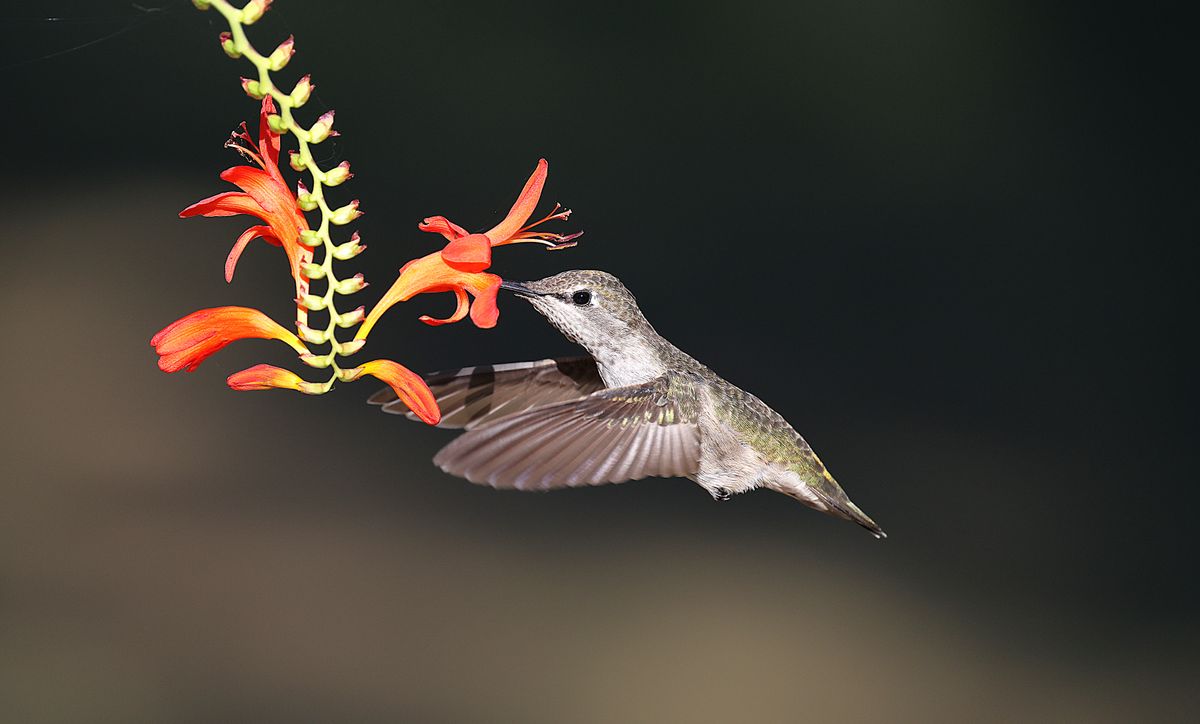
Photo by Veronika Andrews on Pexels
Selecting the right feeder material and placement strategy is critical to extending nectar freshness in hot summer regions.
Best choice for
- Hand-blown translucent glass feeder positioned under deep foliage shade — Thick hand-blown glass offers higher thermal mass than thin plastic, helping buffer sudden ambient heat spikes while allowing instant visual check of nectar clarity.
- Solar cap feeder with top-mounted LED shield and sealed lower glass base — Top-mounted solar LEDs dissipate negligible heat upward while illuminating the yard, keeping the lower glass sugar reservoir cool.
- Thin clear acrylic feeders exposed to direct southern afternoon exposure
- Top-off refilling practices where fresh syrup is mixed into leftover fermenting nectar
- Shade Baffles & Tree Canopy Hanging — Blocking direct ultraviolet radiation reduces internal liquid heating by up to 10°F.
Understanding why nectar spoils requires examining the microbiology of standard hummingbird food. Homemade nectar consists of a 4:1 water-to-refined-white-sugar solution, mirroring the natural sucrose concentration of flower nectar (approximately 20% sugar content). While this provides high-calorie fuel necessary for a hummingbird's intense metabolic rate (over 1,200 heartbeats per minute), it also creates an ideal biological growth medium for airborne wild yeasts (Saccharomyces species) and environmental bacteria.
The Failure Mode: How Fermentation Kills Hummingbirds
When wild yeast spores land in the sugar solution via air currents or contact with a hummingbird's bill, they consume sucrose and produce ethanol (alcohol) and carbon dioxide as metabolic byproducts. In cool weather below 70°F, yeast replication occurs slowly. However, as ambient temperatures exceed 80°F, yeast cell division accelerates exponentially.Drinking fermented nectar causes severe physiological damage to hummingbirds:
By establishing a strict replacement schedule governed by daily temperature thresholds, caretakers completely eliminate these biological threats.
Feeder Material Performance in Extreme Heat
| Evaluation Criteria | Hand-Blown Artisan Glass | Molded Thin Plastic | Clear Acrylic |
| --- | --- | --- | --- |
| Thermal Mass & Heat Buffering | High (dense glass buffers rapid ambient heat spikes) | Low (rapid heat transfer accelerates yeast division) | Moderate-Low (retains ambient daytime warmth) |
| Nectar Clarity Visibility | Exceptional (translucent glass permits instant inspection) | Poor (discolors and clouds over time) | Fair (scratches easily, obscuring early haze) |
| Resistance to Mold Micro-Fissures | High (smooth non-porous glass resists yeast anchoring) | Low (micro-scratches harbor bacterial colonies) | Moderate (susceptible to internal chemical etching) |
| Sanitizing Thermal Tolerance | High (handles hot water rinses safely) | Low (warps under hot water sanitation) | Moderate (crazes when exposed to hot water) |
Evaluating feeder construction materials across key performance criteria helps garden owners minimize thermal absorption and spot early nectar cloudiness.
Critical Mistakes That Accelerate Nectar Fermentation
Avoid these high-risk feeder maintenance habits that introduce yeast spores, heat traps, and chemical hazards:
Recommended Guides on Feeder Care & Insect Protection
Expand your sanctuary knowledge with our specialized maintenance guides:
- Beat the Summer Crawlers: Protecting Glass Hummingbird Feeders During Heatwaves — Learn how to set up ant moats and bee guards without contaminating nectar.
- How to Clean and Maintain Your Hand-Blown Solar Hummingbird Feeder — Step-by-step instructions for vinegar sanitation and maintaining glass luster.
- Summer Storm Weatherproofing for Glass Solar Feeders — How to protect artisan glass reservoirs during sudden summer downpours.
Recommended Equipment for Easy Nectar Monitoring
For effortless nectar clarity tracking and magical evening garden ambiance, consider the LUJII Hand-Blown Glass Solar Hummingbird Feeder.
- Handcrafted Glass Reservoir: Artisan glass made at 2,300°F provides thick thermal buffering and vibrant, non-fading translucent color for easy liquid checks.
- Sealed Leak-Proof Base: 32 fl. oz capacity with rust-resistant metal base minimizes drips that attract insects.
- Solar RGB Lighting: Top-mounted solar cap automatically illuminates multi-color lights for up to 8 hours at night without radiating heat down into the lower nectar chamber.
- Weatherproof Design: Durable metal and glass materials withstand intense summer sun, rain, and snow.
Your Complete Nectar Safety Action Steps
Your decision: Assess your current outdoor temperatures and check your feeder liquid for micro-bubbles or cloudiness.
Do this next: Dump old nectar, wash the reservoir with warm water and white vinegar, rinse thoroughly, and fill with a fresh 4:1 sugar water solution.
- Read next: How to Clean and Maintain Your Hand-Blown Solar Hummingbird Feeder
Explore the LUJII Solar-Powered Hand-Blown Glass Hummingbird Feeder at solarhummingbirdfeeder.com for easy maintenance and stunning day-to-night yard decor.
Follow this simple routine today to ensure your garden remains a safe, vibrant haven for visiting hummingbirds.
Cover photo by Veronika Andrews on Pexels.