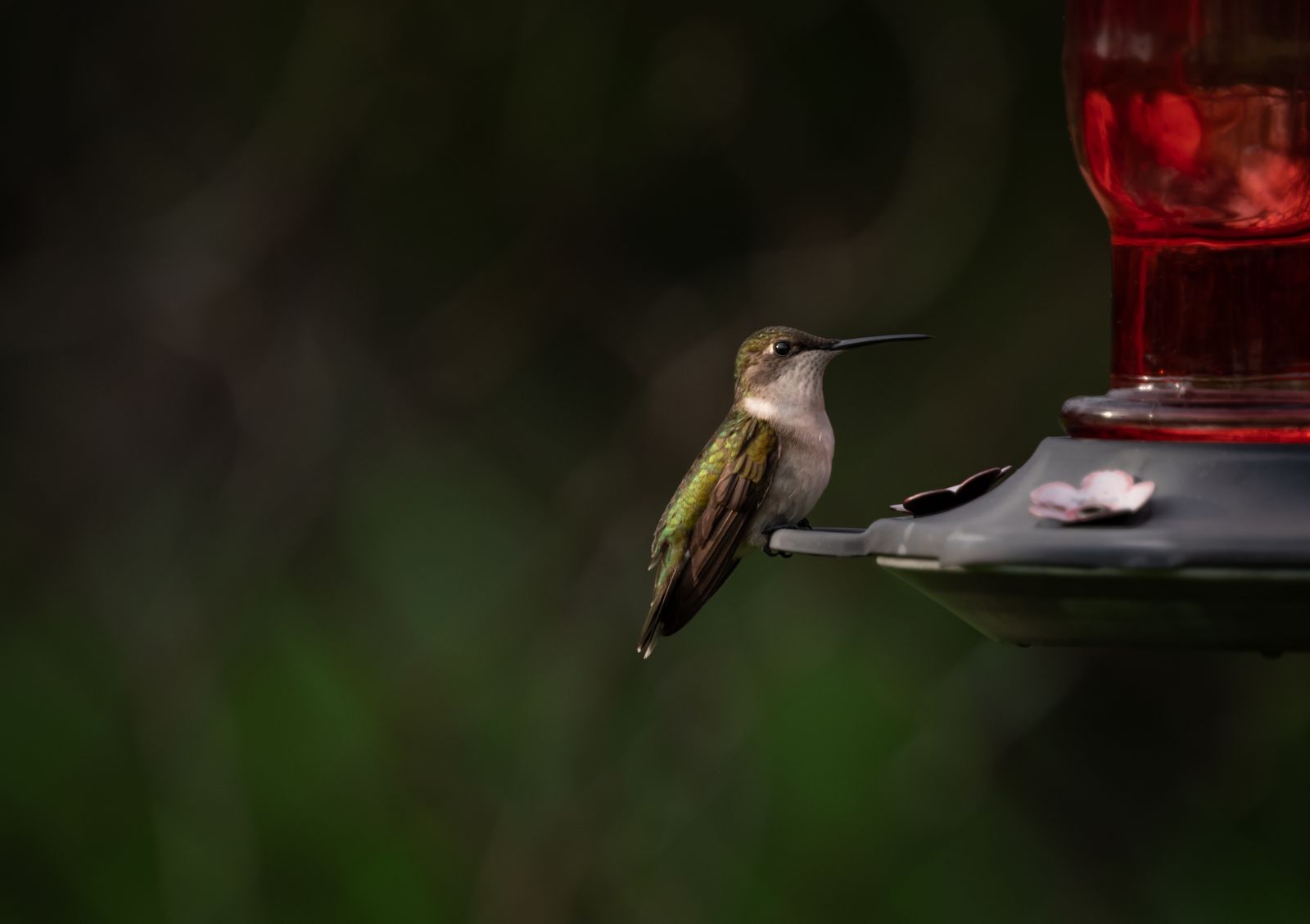
Glass Solar Hummingbird Feeder Capacity, Nectar Level Visibility & Care Guide
Should you fill your 32 fl. oz. hand-blown glass solar feeder completely every time? In hot summer weather (>80°F), fill the reservoir only halfway (16 fl. oz.) to prevent nectar fermentation before daily or bi-daily changes. Wash the glass body weekly with a 1:4 white vinegar solution, but never submerge the top solar cap in water.
Essential Solar Glass Feeder Maintenance Checklist
- [ ] Unscrew solar cap and set aside on a clean, dry towel (do not submerge).
- [ ] Empty remaining nectar into sink; do not reuse old nectar.
- [ ] Rinse glass reservoir with warm water (under 120°F to prevent thermal shock).
- [ ] Use a flexible bottle brush to scrub internal curves of the hand-blown glass.
- [ ] Soak metal base and silicone gaskets in a 1:4 white vinegar and water solution for 15 minutes.
- [ ] Wipe solar panel cover with a soft damp cloth to clear dust and solar-charging obstructions.
- [ ] Air dry all components completely before reassembling and refilling.
Feeder Component & Waterproofing Layout
Photo by Veronika Andrews on Pexels
Understanding which parts of your solar glass feeder can be submerged and which must remain dry prevents battery damage and seal degradation.
Printable Field Guide: Hand-Blown Glass Care & Fill Rules
- Capacity Rule: Fill 16 oz in summer heat (>80°F); fill 32 oz during cool spring/fall migration.
- Cleaning Frequency: Every 2 days in 85°F+ heat; every 4-5 days below 70°F.
- Electronics Rule: Wipe top solar lid dry with microfiber cloth; NEVER submerge in water.
- Glass Safety: Wash under 120°F water; never clean in hot dishwashers or use boiling water.
- Hard Water Scale Fix: Soak glass in 1 part white vinegar to 4 parts warm water for 15 minutes.
Artisan Tip: Preserving Hand-Blown Glass Color & Solar Seals
Hand-blown glass color is fused directly into the 2,300°F molten glass structure during crafting, meaning its vibrant hues will never fade or peel like painted plastic. However, harsh chlorine bleach or steel wool can scratch the translucent surface glaze and degrade the silicone water seals surrounding the solar LED compartment. Stick to gentle vinegar soaks and soft microfiber cloths to keep your garden centerpiece shining for years.
Troubleshooting Common Glass & Solar Feeder Failures
| Failure Scenario | Root Cause | Immediate Fix | Preventative Action |
| --- | --- | --- | --- |
| Nectar drips or leaks from metal base seam | Silicone gasket misaligned or metal base over-tightened | Unscrew metal base, realign rubber seal flat, and re-tighten gently until snug | Inspect gasket flexibility during weekly cleaning; do not cross-thread metal base |
| Solar RGB LED light fails to illuminate at night | Water ingress in solar housing or dirty solar panel lens | Wipe panel dry; set switch to OFF for 24 hours in direct sunlight to dry and recharge battery | Never submerge top solar cap; ensure solar cap sits flush on plastic housing |
| Cloudy white film coats hand-blown glass reservoir | Hard water mineral scale buildup on translucent glass exterior | Soak glass body in a 1:4 white vinegar to warm water solution for 15-20 minutes | Use filtered or distilled water when boiling home nectar batches |
| Black spot mold appears inside tight neck curves | Sugar nectar fermented in hard-to-reach hand-blown glass curves | Scrub internal neck curves using a flexible bottle brush and warm vinegar bath | Shorten cleaning cycles to every 48 hours during peak summer heat (>85°F) |
Identify and fix common issues before they lead to nectar leaks, mold, or battery failure.
Nectar Fill & Cleaning Schedule Calculator
Calculate your ideal fill volume and cleaning interval based on outdoor heat and local hummingbird visits.
Immediate Action Plan for Your Feeder
Your decision: Determine your current outdoor temperature zone and bird activity levels to adjust fill capacity.
Do this next: Inspect your solar feeder lid seal, perform a warm vinegar rinse on the glass body, and adjust fill volume to match local temperatures.
- Read next: How to Clean and Maintain Hand-Blown Glass Hummingbird Feeders Without Fading Color
- Read next: Hand-Blown vs. Factory-Molded Glass Feeders: Why Handcrafted Detail Matters
LUJII 32 oz Hand-Blown Solar Hummingbird Feeder with RGB Lights
Take these quick steps today to optimize your nectar supply and protect your solar feeder investment.
Key Takeaways for Solar Glass Feeder Longevity
- Match Fill to Climate: Half-fill (16 oz) during summer heat (>80°F) to prevent waste and fermented nectar; full fill (32 oz) only during peak migration or cool weather.
- Protect Solar Electronics: Wipe the solar cap with a damp cloth; never immerse the top housing in a sink or basin.
- Use Mild Vinegar Sanitization: Clean glass and metal components with a 1:4 white vinegar-to-water bath instead of bleach or harsh detergents.
- Prevent Thermal Shock: Keep cleaning water temperatures below 120°F to protect delicate hand-blown glass patterns crafted at 2,300°F.
Temperature-Based Cleaning & Refill Schedule
Photo by Pablo Asaroff on Pexels
- Above 90°F (Peak Summer Heat) — Fill 12-16 oz capacity; perform full wash and nectar swap every 24 to 48 hours.
- 75°F to 89°F (Warm Spring/Summer) — Fill 16-24 oz capacity; change nectar and rinse feeder every 3 days.
- Below 75°F (Cool Spring/Fall) — Fill up to 32 oz full capacity; clean and refill every 4 to 5 days.
- Freeze Warnings / Winter Months — Bring feeder indoors, clean thoroughly, turn off solar switch, and store in dry space.
Critical Mistakes That Damage Hand-Blown Solar Feeders
Avoid these common failure modes to preserve both the artisan glass body and internal RGB solar circuitry:
- Submerging the Solar Housing: Dunking the top electronic cap in water corrodes the internal rechargeable battery and LED control board.
- Thermal Shock Cleaning: Pouring boiling water directly into cold hand-blown glass stresses internal micro-structures created at 2,300°F, leading to cracks.
- Overfilling During Low Traffic: Filling the full 32 fl. oz. capacity when only one or two hummingbirds visit leads to fermented nectar, sour smell, and wasted sugar.
- Using Abrasive Scouring Pads: Steel wool or harsh abrasive sponges scratch translucent glass patterns and strip the protective anti-rust coating on the metal base.
Seasonal Feeder Maintenance Timeline
- Early Spring (March - April) — Inspect silicone gaskets, clean glass with a vinegar rinse, test solar RGB lights, and hang with 16 oz fill for early scouts.
- Peak Summer (May - August) — Maintain 48-hour nectar swaps, wipe solar panel monthly, inspect leak-proof base seal, and adjust fill volume for heat.
- Fall Migration (September - October) — Increase fill to full 32 oz capacity for migrating flocks; monitor solar charge times as daylight hours shorten.
- Winter Storage (November - February) — Deep clean glass, air dry completely, store in a dry, temperature-controlled space, and switch solar battery OFF.
Related Guides & Artisanal Care Insights
- Solar Glass Hummingbird Feeder FAQ: Color Durability, Solar Care, and RGB Lights
- Why Choose a Solar Glass Hummingbird Feeder?
- How to Winterize Glass Hummingbird Feeders: Solar & Hand-Blown Care
Frequently Asked Questions: Glass Feeder Visibility & Maintenance
Does the solar RGB light heat up the nectar and cause it to ferment faster at night?
No. Low-voltage LED lights emit negligible heat. The top solar housing is isolated from the glass nectar chamber by a protective plastic cap, ensuring nectar stays cool overnight while glowing beautifully.
How do I clean mold out of the narrow neck of a hand-blown glass feeder without scratching it?
Use a flexible, soft-bristled bottle brush or swirl warm water mixed with uncooked rice and mild dish soap. The rice acts as a gentle, non-abrasive scrub that reaches internal handcrafted curves safely.
Can hard water mineral deposits damage the color of hand-blown glass?
No, the color in hand-blown glass is embedded directly inside the glass during melting at 2,300°F. Hard water leaves a temporary white mineral film on the exterior, which easily dissolves with a 15-minute white vinegar soak.
What should I do with my solar glass feeder during freeze warnings or winter storms?
Bring your feeder indoors before freezing temperatures hit. Liquid nectar expansion can crack glass reservoirs, and sub-zero temperatures reduce solar lithium battery lifespan. Clean, dry, and store it indoors until spring.
Clear answers to essential maintenance, solar lighting, and glass care questions.
Featured Hand-Blown Solar Hummingbird Feeders
Transform your outdoor garden into a radiant wildlife sanctuary with handcrafted artisan glass and solar illumination.
LUJII 32 oz Solar-Powered Hand-Blown Glass Hummingbird Feeder
- Artisan Craftsmanship: Hand-blown glass shaped at 2,300°F, creating a unique, colorful translucent glass reservoir for effortless nectar viewing.
- Solar RGB Illumination: Automatically lights up at night for up to 8 hours with glowing multi-color LED modes.
- Weatherproof & Leak-Proof: Features an anti-rust metal base, sealed gasket, and a protective plastic solar cap that shields against rain and snow.
- 32 fl. oz. Capacity: Slender, drip-resistant design ideal for high-traffic hummingbird visits.