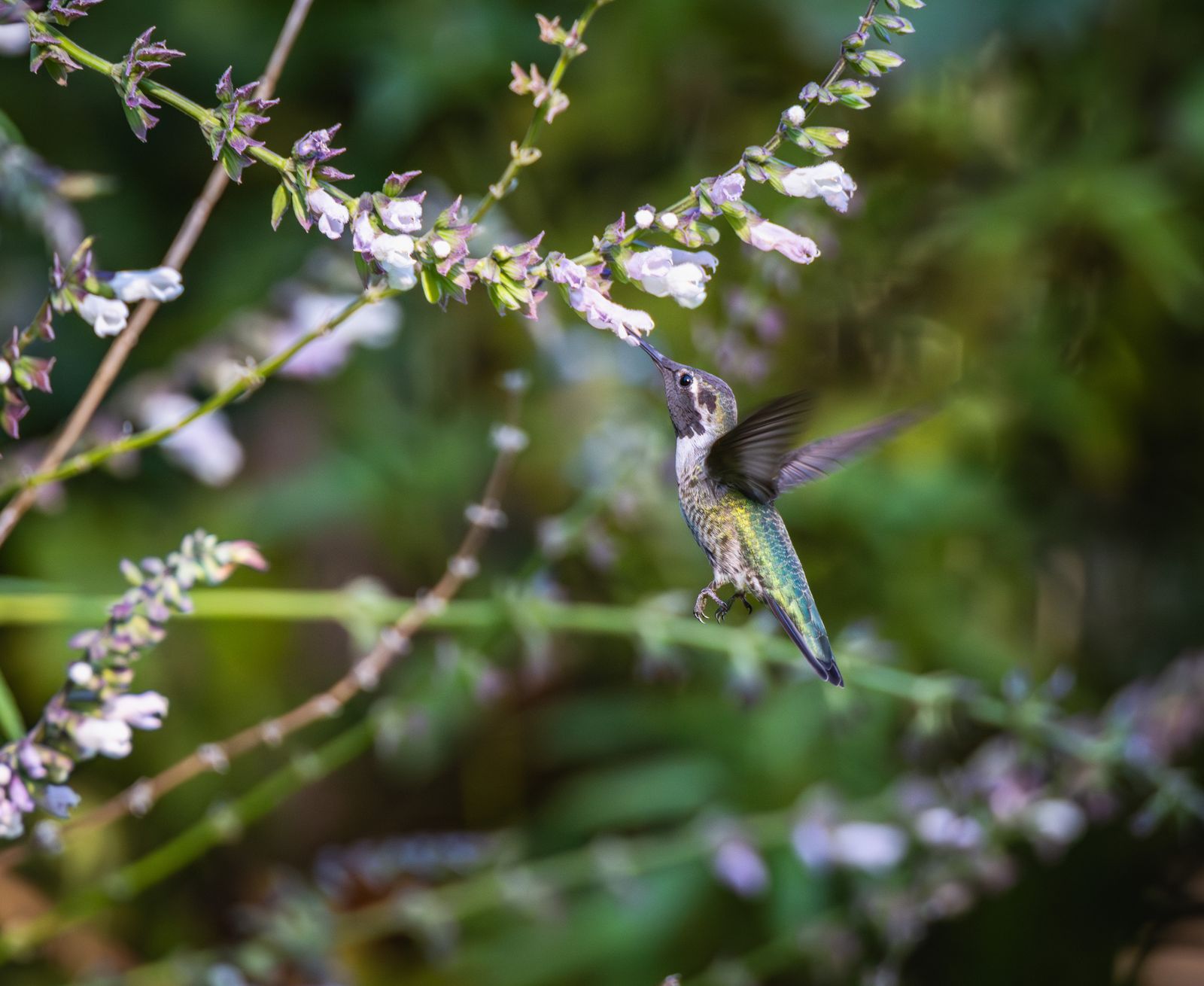
How to Winterize Glass Hummingbird Feeders: Solar & Hand-Blown Care
Should you bring your hand-blown solar glass hummingbird feeder indoors the moment autumn air turns crisp?
Yes—bring your feeder indoors when overnight temperatures consistently drop to 40°F (4°C), or two weeks after your last hummingbird sighting. Freezing nectar expands at 32°F and will shatter hand-blown artisan glass, while sub-freezing weather permanently damages integrated lithium solar batteries. Drain, deep-clean with warm vinegar water, fully dry, toggle the solar cap switch to OFF, and store all components in a climate-controlled room above 50°F.
The Master Glass & Solar Feeder Winterization Checklist
- [ ] Monitor local weather forecasts for the first 40°F night drop or track 14 days after your last hummingbird sighting.
- [ ] Remove the feeder from its outdoor hook in the warm afternoon to avoid handling freezing cold glass.
- [ ] Unscrew the anti-rust metal base from the hand-blown glass reservoir over a soft towel or padded surface.
- [ ] Discard any remaining nectar; do not pour freezing nectar down pipes with hot room-temperature water.
- [ ] Clean the glass reservoir with a solution of 1 part white vinegar to 4 parts warm (never boiling) water using a soft bottle brush.
- [ ] Rinse thoroughly with lukewarm water and let air dry completely on a microfiber towel for 24 hours.
- [ ] Wipe down the plastic solar module cap with a damp microfiber cloth; never submerge the electronic cap in water.
- [ ] Switch the solar RGB lighting toggle switch to the OFF position to prevent battery deep-discharge.
- [ ] Charge the solar cap in direct daylight for 3–4 hours so the lithium battery stores at ~50% capacity over winter.
- [ ] Wrap the hand-blown glass reservoir in bubble wrap or soft cotton cloth and store all parts in a climate-controlled indoor space above 50°F.
Printable Autumn Feeder Care Tear-Sheet
- Temperature Cutoff: Bring glass indoors when night lows touch 40°F (4°C).
- Migration Rule: Keep one feeder clean and filled until 14 days after the very last hummingbird sighting.
- Glass Wash Protocol: Warm water + white vinegar (4:1 ratio). No dish soap, no boiling water (prevents thermal stress cracks).
- Solar Battery Care: Clean top solar lens, charge to 50%, turn power switch OFF, store at room temperature.
- Storage Location: Indoor climate-controlled closet or insulated room (avoid unheated sheds or damp basements).
Artisan Glass Care: Preventing Thermal Shock Fissures
> Expert Insight from Master Glass Artisans: > Hand-blown art glass is shaped at extreme temperatures reaching 2,300°F, giving every reservoir unique swirls and breathtaking translucency. However, handcrafted glass retains internal microscopic stress lines. When cold glass (below 45°F) meets hot tap water (above 110°F), or when standing liquid nectar freezes solid inside the reservoir, the rapid molecular expansion causes immediate structural shearing—often cracking the bottle instantly. Always adjust water temperatures gradually when washing!
Immediate Winterization Steps to Take Today
Your decision: Determine if your overnight low is dipping below 40°F or if 14 days have passed since your last hummingbird visit.
Do this next: Bring the feeder inside before sunset, discard cold nectar, wash gently with lukewarm vinegar water, and switch the solar module to OFF.
Related resource: Consult our temperature calendar below to match local weather forecasts with proper feeder care.
Protect your garden aesthetics all spring and summer by storing your LUJII Hand-Blown Solar Hummingbird Feeder in its original padded storage box.
If freezing weather is forecasted for your region tonight, take these three emergency steps immediately to save your feeder:
Core Principles of Winter Solar Glass Preservation
Protecting handcrafted garden solar art requires balancing bird conservation with material science. Keep these critical rules in mind:
Autumn-to-Spring Feeder Maintenance Calendar
- Late Summer (Aug - Early Sept) — Inspect silicone seals for wear. Clean solar panel lens with a soft cloth to ensure maximum daytime charging for 8-hour nighttime RGB displays.
- Early Fall (Night Lows ~50°F) — Begin tracking local hummingbird migration counts. Refresh nectar every 3 days as ambient temperatures drop.
- Mid-Fall (First Night Drop to 40°F) — Prepare winter storage box. If hummingbirds are still visiting, bring feeder indoors overnight to prevent chilly nectar, re-hanging at dawn.
- Late Fall (14 Days Post Last Sighting / Freeze Warning) — Execute full winterization protocol: Drain nectar, wash with warm vinegar water, dry 24 hours, toggle solar switch to OFF, pack in padded indoor storage.
- Mid-Winter (January) — Check indoor storage space to ensure ambient temperature remains above 50°F and no moisture or heavy objects rest on the glass reservoir.
- Early Spring (First Warm 50°F Days) — Unpack feeder, place solar cap in direct sunlight for 6 hours to reactivate battery, fill with fresh 4:1 nectar, and hang to welcome returning migrants!
Winter Storage Locations vs. Material Failure Risks
| Storage Location Scenario | Hand-Blown Glass Risk | Solar RGB Battery Impact | Metal Base Corrosion Risk | Overall Suitability |
| --- | --- | --- | --- | --- |
| Climate-Controlled Closet (65°F–72°F) | Zero Thermal Shock; Protected from Impacts | Optimal Storage Charge Preserved | Zero Rust Risk (Low Humidity) | Recommended Perfect Setup |
| Heated Basement / Utility Room | Low Risk (Keep on High Shelf) | Safe Battery Operating Range | Low to Moderate Risk (Use Silica Gel) | Acceptable / Safe Option |
| Unheated Garage (Dips Below 32°F) | Moderate Risk (Vulnerable to Thermal Drops) | High Battery Capacity Loss | Moderate Moisture Rust Threat | Not Recommended |
| Outdoor Shed / Covered Porch | High Risk (Freeze Shock & Accidental Bumps) | Severe / Permanent Battery Death | High Humidity Oxidation Hazard | Strictly Avoid |
Where you store your solar hummingbird feeder over the winter directly impacts whether it survives until spring. Compare common storage scenarios below:
Decision Helper: Winterize Now vs. Keep Out for Late Migrants
Determining the exact right day to pack away your solar glass feeder depends on night temperature safety and local migration sightings.
Best choice for
- Immediate Full Winterization — Risk of glass freeze-shatter and battery damage is high; no local birds depend on the nectar.
- Overnight Indoor Warming Protocol — Bring feeder inside at night to prevent freezing; re-hang at sunrise with warm 68°F nectar to feed cold, hungry migrants.
- Keep Feeder Active & Solar Lit — Safe operating conditions for hand-blown glass and solar cap; enjoy evening RGB light shows while providing vital food.
- Leaving a full 32 fl. oz. glass feeder hanging outdoors when temperatures are predicted to drop below 30°F overnight.
- Using open-flame heaters or electric heat lamps directly attached to hand-blown glass.
- Switch to Heavy-Duty Plastic Feeder for Late Freeze Stragglers — If late migrants linger during hard freezes, bring your artisanal solar glass feeder indoors and hang a simple plastic feeder outdoors during freeze spikes.
Featured Garden Highlight: LUJII Solar-Powered Hummingbird Feeder
When spring arrives, elevate your garden with handcrafted elegance and solar-powered evening magic. Each LUJII Solar-Powered Hummingbird Feeder is individually hand-blown by glass artisans at 2,300°F, creating a translucent 32 fl. oz. reservoir that sparkles in natural sunlight and illuminates your flower beds at night with multi-mode RGB LED lights.
- Hand-Blown Glass Art: Unique color swirls with easy see-through nectar level monitoring.
- Solar RGB Illumination: Automatically lights up at dusk for up to 8 hours on a full charge.
- Weatherproof Design: Sealed solar cap shields against rain and snow; anti-rust metal base ensures season-after-season durability.
- Leak-Proof Construction: Slender leak-resistant base prevents wasted nectar and sticky garden mess.
Feeder Component Thermal & Environmental Specifications
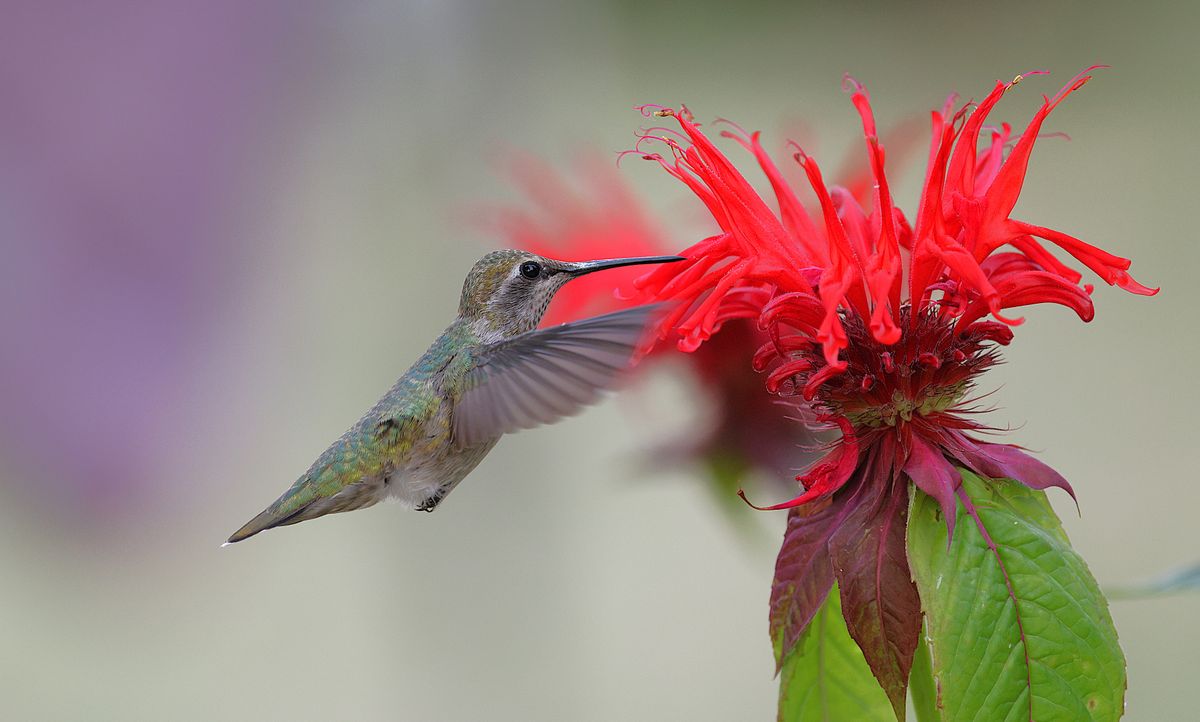
Photo by Veronika Andrews on Pexels
| Feeder Component | Material Crafting | Safe Operating Temp | Failure Mode Threshold | Winter Care Requirement |
| --- | --- | --- | --- | --- |
| Glass Reservoir | Hand-Blown Glass (2,300°F) | 40°F to 105°F | < 32°F (Liquid Freeze Expansion) or > 65°F Temp Delta (Thermal Shock) | Wash in lukewarm water; store indoors above 50°F. |
| Solar Module Cap | Weatherproof Polymer Shell | -4°F to 120°F | Submersion in Water (Seals compromised under pressure) | Wipe top solar lens with damp cloth; never submerge. |
| RGB Lighting Battery | Integrated Rechargeable Lithium Cell | 32°F to 113°F | < 20°F (Electrolyte freezing causes permanent capacity drop) | Charge to ~50%, turn switch OFF, store room temp. |
| Feeder Base & Perches | Coated Anti-Rust Alloy Base | -20°F to 140°F | Prolonged Freezing Standing Water in Crevices | Disassemble, dry completely, oil threads lightly if desired. |
Understanding the physical limits of each material in your solar glass feeder explains why winterization care is so essential:
5 Fatal Mistakes That Destroy Solar Glass Feeders in Winter
Avoid these common failure modes that ruin artisanal glass and electronic components during seasonal transitions:
The Fall Migration & First-Freeze Action Timeline
- Late August – Early September — Peak migration feeding. Clean feeder every 2-3 days; ensure solar top receives direct sun for maximum evening light.
- Mid-September – Early October — Most resident hummingbirds depart. Keep nectar fresh for passing migrants traveling from further north.
- Late October (First 40°F Night Forecast) — Begin bringing glass feeder indoors at night if hummingbirds are still spotted. Re-hang warm feeder at daybreak.
- November (14 Days After Final Sighting) — Official Winterization Day: Execute deep wash, battery store routine, and store glass safely indoors until spring.
Explore More Hand-Blown Glass & Garden Decor Guides
Expand your backyard wildlife knowledge and seasonal garden styling with our expert care guides:
- How to Clean and Maintain Hand-Blown Glass Hummingbird Feeders Without Fading Color — Learn gentle cleaning techniques that keep artisanal colors vibrant year after year.
- Hand-Blown Solar Glass Hummingbird Feeders: FAQ & Holiday Gift Guide — Discover why handcrafted solar garden art makes the ultimate thoughtful gift for nature lovers.
- Hand-Blown Glass vs. Plastic Feeders: Elevating Your Backyard Light & Color — Compare aesthetic brilliance, weight, solar integration, and longevity across feeder materials.
Frequently Asked Questions About Winterizing Solar Hummingbird Feeders
Clear up lingering questions regarding nectar freezing points, migration myths, solar battery care, and winter glass maintenance:
Your Autumn Winterization Checklist Summary
Your decision: Has your local night temperature touched 40°F or has it been two weeks since your last hummingbird visit?
Do this next: Follow our 10-step Master Checklist: dismantle the feeder, wash with warm vinegar water, dry thoroughly, switch the solar cap to OFF, and store in a cozy indoor spot.
Related resource: Download or print the tear-sheet above for your garden shed workbook.
Looking to add more handcrafted magic to your yard next spring? Explore the LUJII Solar-Powered Hummingbird Feeder collection for exquisite hand-blown art.
Protect your garden investment today and look forward to a radiant, bird-filled garden next spring:
Cover photo by Robert So on Pexels.