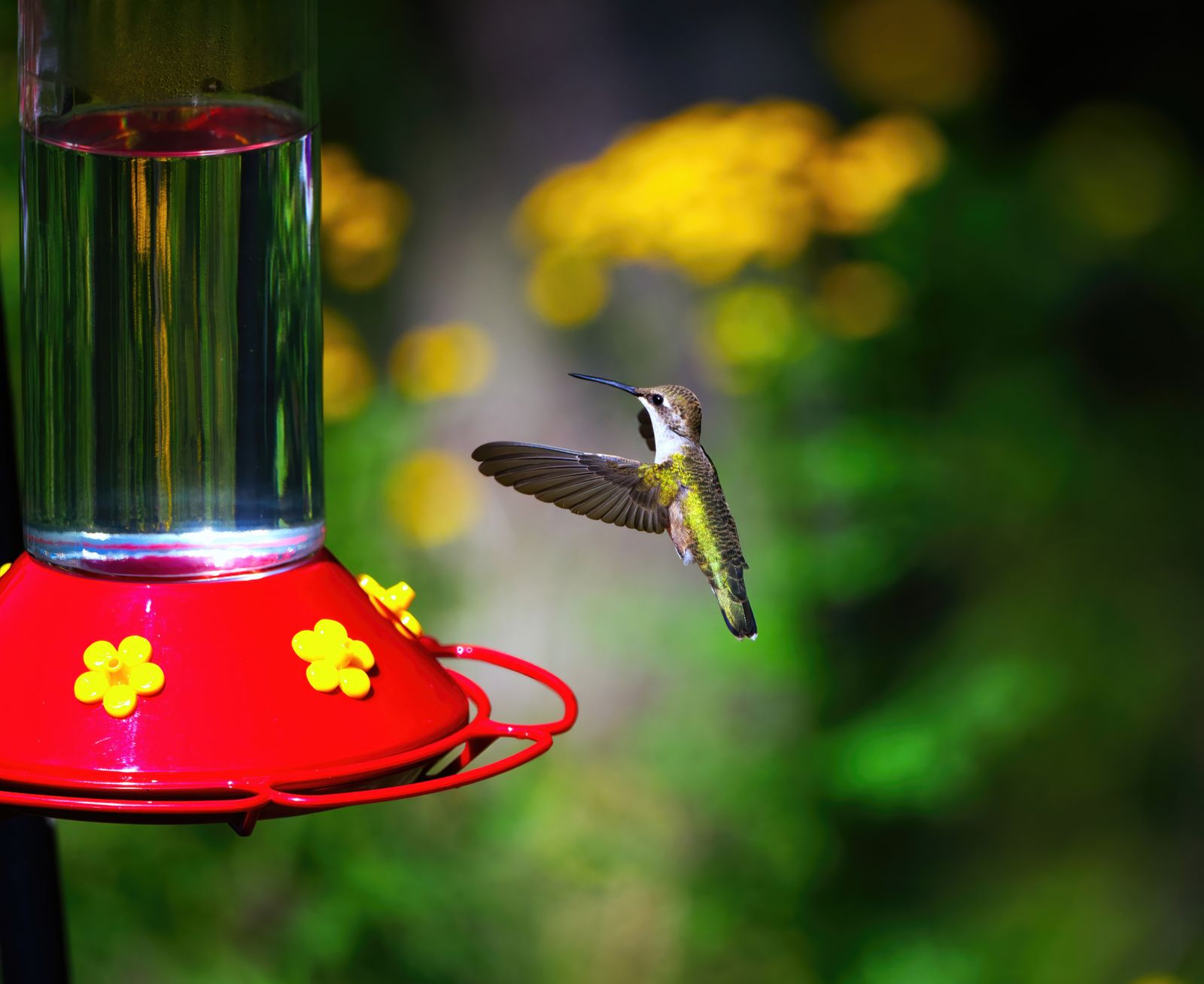
The Psychology of Garden Lighting Colors: How RGB Spectrums Transform Your Evening Sanctuary
Which garden lighting spectrum works best for your sanctuary? For relaxation, select amber (590–620 nm) or soft violet (380–450 nm) hues; these wavelengths lower cortisol without disrupting circadian rhythms. Use slow-transition RGB modes sparingly in social zones, and avoid harsh, constant strobe effects that cause visual fatigue.
RGB Color Spectrum Technical & Psychological Specifications
| Wavelength Range (nm) | Color Spectrum | Psychological Effect | Twilight Wildlife Impact | Best Garden Placement Zone |
| --- | --- | --- | --- | --- |
| 620–700 nm | Warm Red | Deep grounding, reduces heart rate, triggers relaxation | Minimal disruption; virtually invisible to most nocturnal species | Secluded seating nooks, dark perimeter boundaries |
| 590–620 nm | Amber / Warm Gold | Soothing warmth, promotes social ease, zero melatonin suppression | Extremely low insect attraction; safe for twilight pollinators | Patio dining areas, central focal points, water features |
| 495–570 nm | Emerald Green | Restorative, lowers cortisol, enhances perception of foliage depth | Low to moderate impact; blends naturally with living plants | Dense flower beds, shrubbery borders, garden pathways |
| 450–495 nm | Deep Cyan / Blue | Invigorating, heightens visual acuity, alertness | Moderate insect attraction; can delay melatonin if overly bright | Architectural accents, security perimeters (use sparingly) |
| 380–450 nm | Soft Violet / Magenta | Whimsical, sparks creative contemplation, meditative calming | Low wildlife impact; soft ambient diffusion through glass | Artisanal glass focal points, tranquil reflection gardens |
Understanding the physical properties of light wavelengths allows you to map specific solar RGB settings to your outdoor relaxation goals and ecological preferences.
Wavelength Refraction: Hand-Blown Artisan Glass vs. Flat Plastic Diffusers
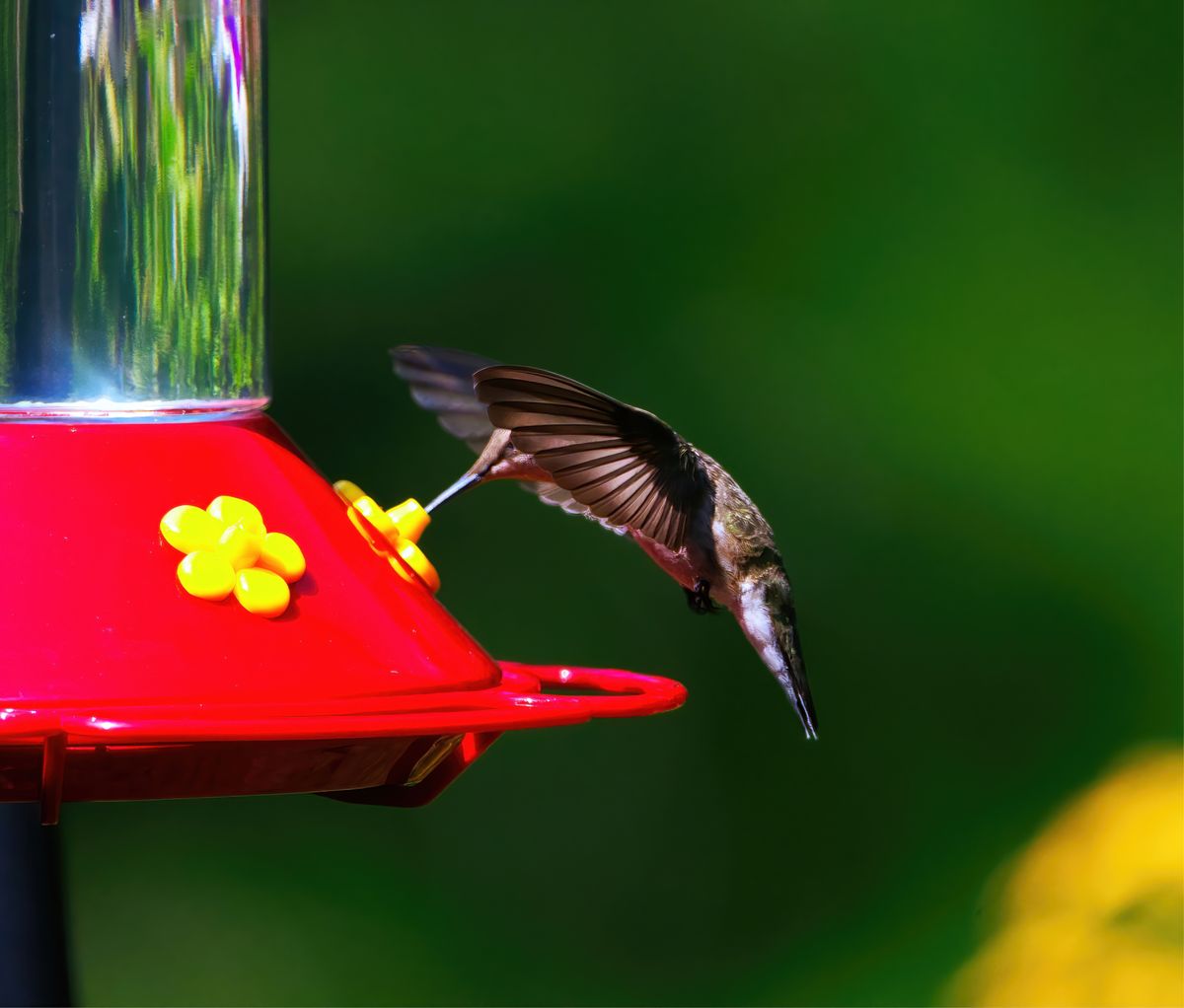
Photo by DANNIEL CORBIT on Pexels
This optical diagram illustrates how light waves behave when passing through handcrafted textured glass shaped at 2,300°F compared to flat plastic diffusers.
The Outdoor Color Psychology Matrix
A visual reference guide linking chromatic wavelengths to human physiological responses and optimal landscape positions.
Pro Landscape Tip: Avoid the 'Rainbow Overload' Failure Mode
When designing an evening sanctuary, the most frequent failure mode is deploying rapid, multi-color cycling across every fixture simultaneously. High-frequency color shifting keeps the sympathetic nervous system on high alert, mimicking commercial storefronts or emergency beacons rather than a soothing retreat.
To achieve true backyard harmony, adopt the 80/20 Color Rule: keep 80% of your outdoor fixtures on a fixed warm amber or soft emerald baseline (590–600 nm), and designate a single central artistic feature—such as a hand-blown glass solar feeder—as your dynamic accent. Ensure any multi-color mode utilizes a slow, continuous cross-fade rather than abrupt steps.
Frequently Asked Questions: RGB Light, Twilight Wildlife, and Glass Aesthetics
Addressing key scientific and practical questions regarding nighttime illumination, species safety, and optical glass craft.
Curating Your Sanctuary: Immediate Setup Steps
Your decision: Determine whether your evening garden is intended primarily for personal decompression or dynamic hosting.
Do this next: Set your solar RGB lights to a static warm amber or soft violet hue during weeknights to maximize relaxation, reserving dynamic multi-color transitions for weekend gatherings.
- Read next: How to Customize Your Garden Atmosphere Using Multi-Mode RGB Solar Lights
Transform your evening yard with the LUJII Solar-Powered Hummingbird Feeder featuring hand-blown glass art and customizable RGB modes.
Follow this practical sequence to optimize your evening lighting setup for biological wellness and visual comfort.
Core Principles of Nighttime Garden Color Psychology
- Wavelengths matter: Amber and red (590–700 nm) encourage relaxation and preserve melatonin, while cool blues heighten alertness.
- Texture diffuses glare: Artisan hand-blown glass crafted at 2,300°F refracts LED light into ambient art, eliminating harsh point-source glare.
- Insect neutrality: Longer amber wavelengths attract significantly fewer phototactic night insects to seating areas.
- Single focal points: Avoid uniform multi-color flashing across all fixtures; pair static ambient grounding light with one dynamic central feature.
- Durable construction: Protect your solar electronics with weather-shielding solar caps and anti-rust coated metal bases for multi-season performance.
Choosing the Right Spectrum Mode for Your Evening Routine
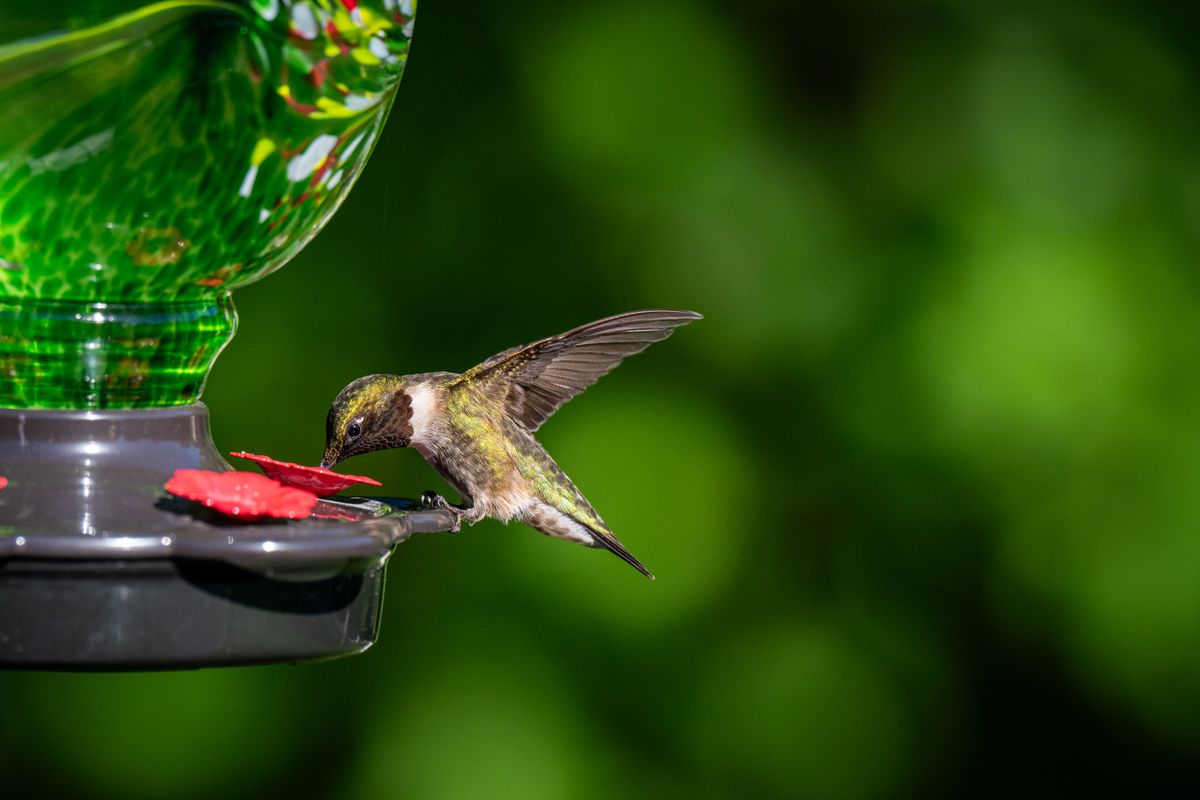
Selecting garden lighting spectrums requires balancing human relaxation goals with ecological neutrality. Static warm hues serve evening tranquility, while dynamic slow transitions suit social gatherings.
Best choice for
- Deep Violet / Amber Fixed Spectrum — Calms parasympathetic nervous system while preventing melatonin disruption.
- Slow-Fade Multi-Mode RGB — Creates dynamic visual interest and conversational energy across hand-blown glass decor.
- Using rapid strobe or high-frequency RGB flash modes near sleeping areas or quiet wildlife perches.
- Flooding dark foliage zones with high-intensity cold blue light during late-night hours.
- Filtered Translucent Glass Warm Light — Provides gentle focal lighting without bright LED point-source glare.
How Ambient Wavelengths Influence the Human Nervous System
Human biology evolved under the natural transition of dusk—a gradual shift from broad-spectrum daylight to the warm, low-intensity golden hues of sunset, followed by deep twilight blues and ambient starlight. Modern outdoor lighting frequently disrupts this physiological transition by flooding landscapes with high-intensity, short-wavelength blue-green light.
According to spatial neurobiology research published in environmental psychology literature, short wavelengths (below 480 nm) stimulate ipRGCs (intrinsically photosensitive retinal ganglion cells). These cells signal the brain's suprachiasmatic nucleus to suppress melatonin synthesis and spike cortisol production. When you step into a backyard illuminated by unshielded cool-white LEDs, your body interprets the environment as midday, delaying the onset of natural sleep readiness.
Conversely, warm spectrums above 590 nm (amber, warm gold, deep red) bypass ipRGC stimulation. Placing an amber-toned solar light fixture in your garden creates an optical environment that promotes parasympathetic nervous system activity—lowering resting heart rate and facilitating mental decompression after prolonged screen exposure.
The Artistic Optical Physics of 2,300°F Hand-Blown Glass
Light quality depends heavily on the medium through which it travels. Standard outdoor solar fixtures utilize flat plastic caps or thin factory-molded glass lenses. These materials allow point-source LED light rays to pass directly through, producing intense glares that cause visual fatigue.
In contrast, heritage hand-blown glass is created by glass artisans shaping molten silica at temperatures reaching 2,300 degrees Fahrenheit. As the artisan blows and turns the molten glass, natural structural variations emerge:
When paired with energy-efficient solar caps that charge during daytime hours, illuminated handcrafted glass decor serves a dual purpose: a vibrant hummingbird hub by day and a therapeutic ambient light sculpture by night.
For additional design ideas on integrating solar art into your outdoor sanctuary, read our comprehensive guide on creating seasonal color palettes with RGB solar lights or explore how to customize your garden atmosphere using multi-mode RGB solar lights.
Evaluating RGB Lighting Execution Criteria
| Evaluation Criteria | Amber / Warm Red (590–700 nm) | Cool Blue / Soft Violet (430–490 nm) | Dynamic RGB Multi-Color Cycle |
| --- | --- | --- | --- |
| Stress Reduction & Melatonin Safety | High (promotes relaxation, zero melatonin inhibition) | Moderate (invigorating; may suppress melatonin if bright) | Variable (slow cycles soothe; fast cycles elevate heart rate) |
| Twilight Insect Neutrality | High (attracts minimal nocturnal insects) | Low (blue light strongly attracts insects) | Moderate (depends on active color cycle) |
| Artisanal Glass Refraction | Renders warm gold tones through textured 2,300°F hand-blown glass | Highlights deep indigo patterns and micro-bubbles in hand-crafted glass | Creates shifting kaleidoscopic refraction across hand-blown glass curves |
Comparing lighting strategies against key psychological and functional criteria.
Evening Sanctuary Failure Modes: Common Garden Lighting Mistakes
Avoid these frequent outdoor lighting design errors to preserve a restorative twilight ambiance.
Expand Your Nighttime Garden Knowledge
- Glowing Garden FAQs: Do Nighttime Solar Lights and RGB Colors Affect Hummingbirds?
Artisanal Solar Lighting for Your Nighttime Haven
Integrate hand-blown glass art and solar RGB lighting into your evening landscape with this flagship feeder.
Final Actionable Steps for Your Backyard Sanctuary
Your decision: Choose the optimal lighting spectrum mode based on your planned evening activities.
Do this next: Audit your existing garden lighting, remove high-glare bare plastic LEDs near seating areas, and position an artisan hand-blown solar RGB feature where its light refracts softly against foliage.
Related resource: Consult our Solar RGB Garden Lighting FAQ for detailed maintenance and battery tips.Elevate your yard's ambiance with the LUJII Solar-Powered Hummingbird Feeder.
Implement these simple recommendations tonight to optimize your garden lighting.
Cover photo by DANNIEL CORBIT on Pexels.