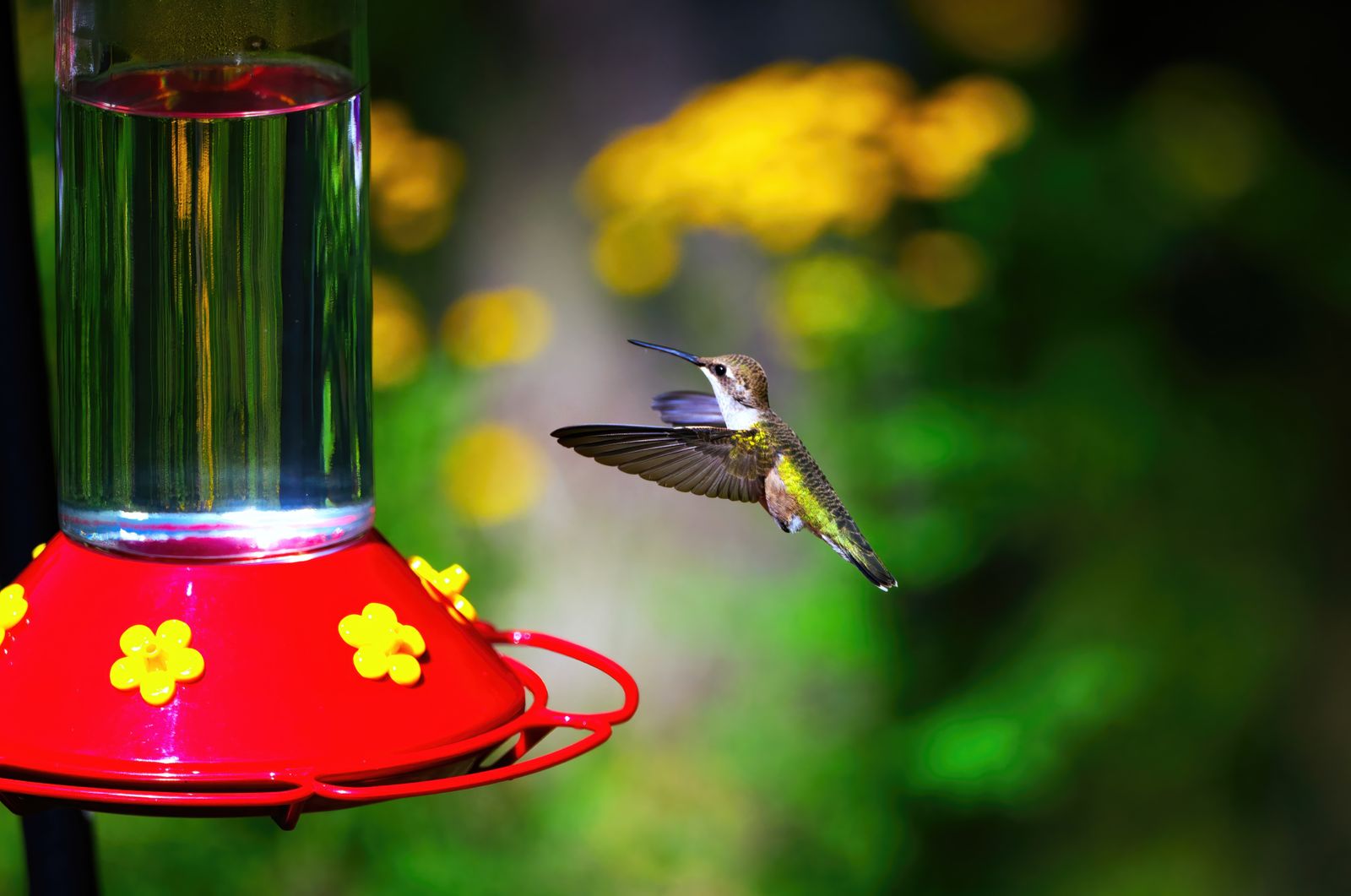
Solar RGB Garden Lighting FAQs: Color Science, Placement, and Nighttime Ambiance
Follow the 6-to-8 rule: 6 hours of unshaded, direct sunlight yields up to 8 hours of dynamic RGB illumination. Select warm red or amber spectrums (620–750 nm) for peaceful, insect-safe ambiance, and position solar caps with 180° overhead sky clearance away from porch eaves for maximum 100% lithium battery recharge.
Essential Rules for Solar RGB Garden Lighting
- Follow the 6-to-8 solar rule: 6 hours of full sun direct intake powers 8 hours of LED luminescence.
- Opt for 620–750 nm warm red and amber modes to minimize nighttime insect attraction by up to 80%.
- Ensure 180° unobstructed sky clearance above the solar cap collector to avoid shade penalties that drop charge efficiency by 40% to 60%.
- Hand-blown glass crafted at 2,300°F features internal texture variations that refract RGB light across a 10-foot radius.
- Hummingbirds enter deep physiological torpor at night; soft RGB lighting adds ambient beauty without disturbing their sleep cycles.
Solar Panel Angle & Overhead Clearance Diagram
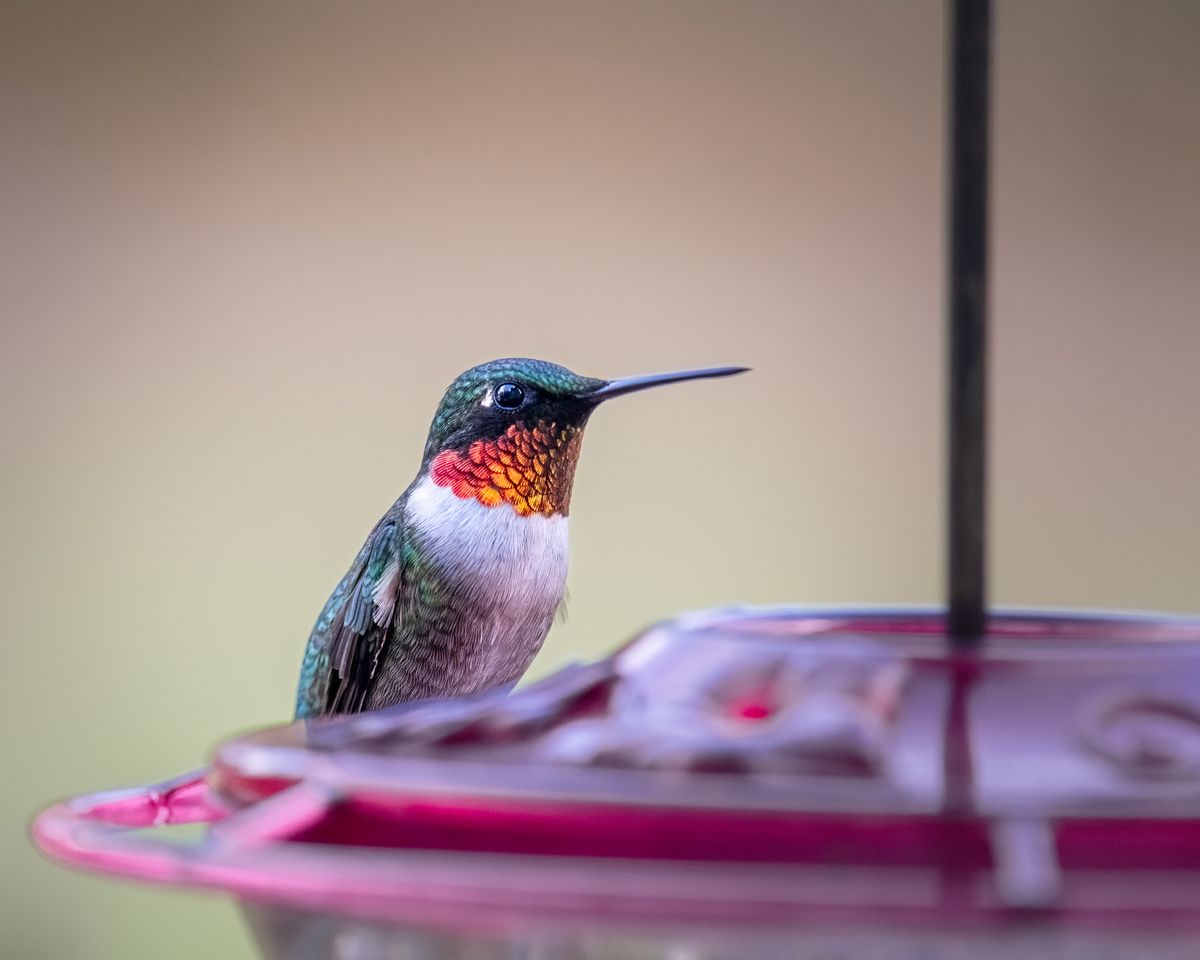
Photo by Skyler Ewing on Pexels
Proper placement determines whether your solar collector reaches its full 8-hour potential. Use this diagram brief to position your solar cap clear of deep roof eaves and dense tree branches.
Lighting Scenarios: Selecting the Right RGB Wavelength
Evening Relaxation near Seating Areas & Patios — Select Warm Red or Amber Mode (620–750 nm). Low wave frequencies promote human relaxation, create a cozy candle-like glow, and reduce flying insect draw by up to 80%.
Festive Evening Gatherings & Garden Parties — Activate Dynamic RGB Cycle Mode. Rotating through rich colors showcases the hand-blown glass textures, projecting shifting 360-degree light ripples across surrounding foliage.
Dusk Bird Watching & Wildlife Sanctuary Zones — Use Static Soft Warm White or Gold Spectrum (580–620 nm). Provides gentle visibility around perches while keeping ambient light non-intrusive for roosting birds.
High-Humidity Summer Nights — Avoid high-frequency Blue/Violet Modes (400–480 nm) near doors or seating, as these wavelengths attract nocturnal insects. Stick to warm tones to keep pests away.
Tailor your garden's nighttime character by matching specific RGB spectrum modes to outdoor scenarios, seating setups, and bird habitat proximity.
5 Common Solar RGB Lighting Pitfalls to Avoid
Avoid these frequent placement and maintenance errors to preserve battery life, maximize light refraction, and protect your garden setup:
Visual Gallery: Hand-Blown Glass & RGB Light Refraction
Discover how handcrafted 2,300°F glass geometry bends and magnifies single-LED light sources into wide, luminous patterns across outdoor spaces.
Frequently Asked Questions: Solar RGB Science & Operations
Get clear answers to common questions about garden light spectrums, solar panel cap care, and winter battery performance.
Your Nighttime Garden Transformation Checklist
Your decision: Determine the ideal sunny spot in your garden and select your preferred nighttime RGB lighting mode.
Do this next: Hang your solar glass feeder in a location receiving 6+ hours of unshaded sunlight, charge fully for one complete day, and turn on warm RGB mode at dusk.
- Read next: The Psychology of Garden Lighting Colors: How RGB Spectrums Transform Your Evening Sanctuary
- Read next: Do Hummingbirds Feed at Night? Understanding Dusk Behavior Around Illuminated Feeders
Explore the 🌟 LUJII Solar-Powered Hand-Blown Glass Hummingbird Feeder 🌟 featuring an anti-rust metal base, 32 oz capacity, and multi-mode RGB lighting.
Follow these simple steps to position, set up, and care for your solar-powered RGB glass accent piece.
Printable Field Cheat-Sheet: RGB Lighting & Placement
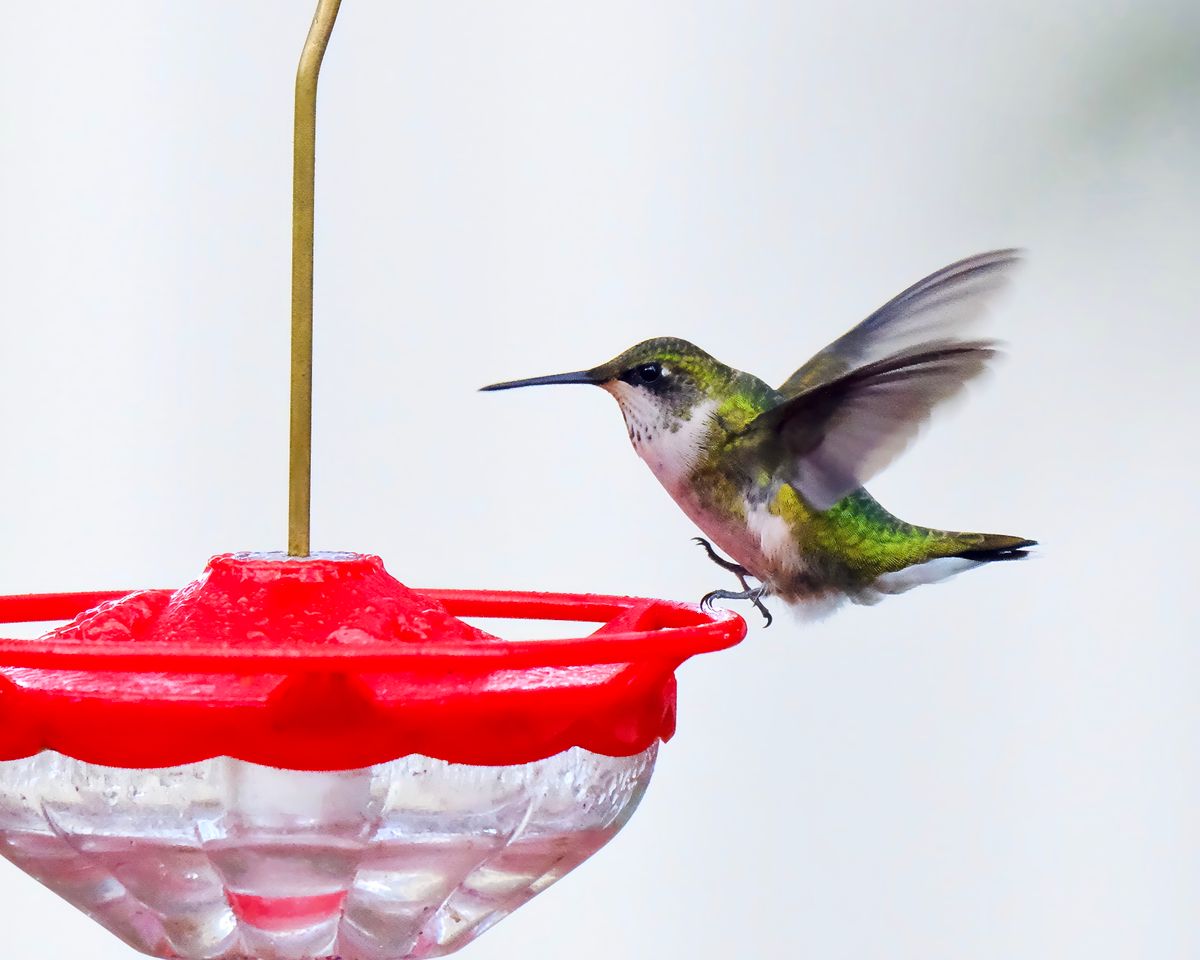
Photo by A. G. Rosales on Pexels
- Sunlight Target: 6 to 8 hours of direct, unshaded sunlight daily.
- Max Illumination Runtime: Up to 8 hours on a 100% full battery charge.
- Optimal Sky Arc: 180 degrees of overhead clearance, 3 feet clear of wall eaves.
- Pest-Reduction Spectrum: Warm Red / Gold (620–750 nm wavelength).
- Glass Reservoir Care: Hand wash with mild soap; do not put in dishwasher.
- Solar Cap Cleaning: Wipe top cap gently with damp cloth every 14 days.
Solar RGB Ambiance & Runtime Planner
Estimate your expected nighttime illumination hours based on sunlight exposure, outdoor temperatures, and active color settings.
RGB Light Spectrum & Garden Ambiance Matrix
| Evaluation Criteria | Warm Red (620–750nm) | Amber Gold (580–620nm) | Cool Blue (450–495nm) | Dynamic RGB Cycle |
| --- | --- | --- | --- | --- |
| Primary Garden Vibe | Cozy, intimate, relaxing | Warm candle-like glow | Modern, cool, crisp | Festive, dynamic, artistic |
| Battery Power Consumption | Low (100% efficiency baseline) | Moderate (95% efficiency) | Moderate-High (88% efficiency) | Highest (85% efficiency due to shifting) |
| Est. Runtime on 6h Sun Charge | 8.0 Hours Max | 7.5 Hours Max | 7.0 Hours Max | 6.5 Hours Max |
| Insect Draw Level | Very Low (80% reduction) | Low (65% reduction) | High (Attracts moths/midges) | Moderate (Varies by phase) |
| Glass Texture Magnification | Highlights warm red/yellow swirls | Enhances amber/copper tones | Accents blue/green swirls | Displays full 360° color shifts |
| Wildlife Friendliness | Excellent (Non-disruptive) | Excellent (Gentle tone) | Fair (Brighter frequency) | Good (Smooth slow transitions) |
Compare light spectrums across key metrics like power draw, mood impact, and bug resistance to pick the best setting for your space.
Pro Tip: Caring for Solar Caps & Anti-Rust Bases
To maintain reliable performance season after season, pair your solar cap maintenance with routine base care. Protect the metallic base coating by wiping away spilled sugar water during refilling—this prevents nectar buildup on the powder-coated anti-rust surface. When cleaning the hand-blown glass reservoir, unscrew the plastic solar cap and store it in a dry area. Never submerge the top solar cap in water to protect the silicone water seals around the LED circuit board.
Explore More Nighttime Garden Magic
- Best RGB Solar Garden Decor for Evening Ambiance: A Nighttime Aesthetic Guide
- How to Customize Your Garden Atmosphere Using Multi-Mode RGB Solar Lights
Featured Garden Accent: LUJII Hand-Blown Solar Hummingbird Feeder
Upgrade your garden with handcrafted glass beauty and glowing solar-powered RGB lighting.
Cover photo by DANNIEL CORBIT on Pexels.