Best Hummingbird Feeder Setup for Fall Migration (2025 Guide)
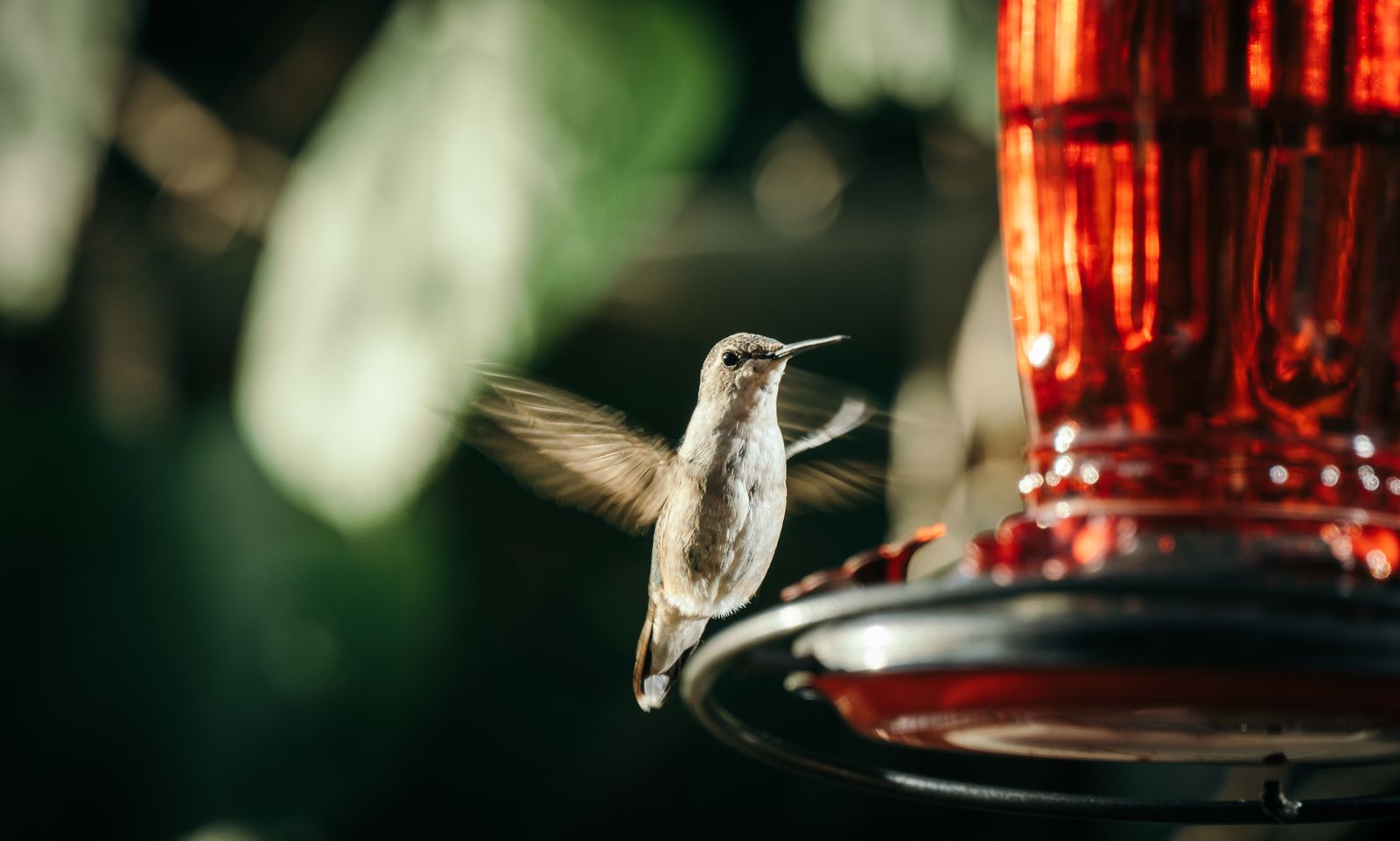
When cold autumn fronts arrive and daylight hours shrink rapidly, migrating hummingbirds face a desperate race against dusk to refuel. The ideal fall hummingbird feeder setup positions a heavy-duty, solar-illuminated glass feeder 5 feet above ground on a shepherd's hook, placed 10 feet from protective shrubbery and angled to catch afternoon sunlight. During cold snaps, transition from the standard 4:1 sugar ratio to a high-density 3:1 nectar solution, ensuring late-arriving migrants get maximum caloric energy before overnight roosting.
Autumn Feeder Station Readiness Checklist
- [ ] Position feeder 5 feet off the ground and 10 feet from dense evergreen shrubs for quick predator escape
- [ ] Ensure top solar panel cap receives 6+ hours of direct sun to power 8 hours of dusk RGB lighting
- [ ] Mix a 3:1 high-energy nectar ratio (1 cup white sugar to 3 cups water) when overnight temperatures dip below 45°F
- [ ] Attach a built-in ant moat and verify base gasket seals to block aggressive late-season yellowjackets
- [ ] Inspect hand-blown glass reservoir for hairline defects before early freeze warnings
- [ ] Maintain a strict 3-day cleaning cycle to stop mold growth in damp autumn humidity
Step-by-Step: Installing Your Autumn Hummingbird Feeding Station
Step 1: Select a Wind-Sheltered, Sun-Exposed Location
Mounting your feeder in autumn requires balancing wind protection with solar access. Autumn gusts can swing light feeders violently, spilling sticky nectar and attracting ground pests. Choose an east- or south-facing spot in your garden that sits within 10 feet of dense bushes or tree branches (such as juniper or holly) to act as a windbreak. Ensure the top cap of the feeder receives clear sky exposure during peak midday hours so the built-in solar battery recharges fully.Step 2: Establish the Standard Safe Mounting Height
Drive a sturdy steel shepherd's hook into firm ground until the hanging loop sits exactly 5 feet above the turf or garden bed. Mounting at 5 feet places the feeder above the leap zone of prowling domestic cats while keeping it at a comfortable eye level for easy daily refilling and cleaning. If hanging near windows to watch feeding activity, adhere to the 3-foot rule: place the feeder within 3 feet of the glass pane so birds taking flight cannot achieve enough speed to hurt themselves if startled toward the glass.Step 3: Mix and Cool High-Energy Autumn Nectar
During spring and summer, a standard 4:1 ratio (4 parts water to 1 part pure white cane sugar) mimics natural wildflower nectar. However, migrating hummingbirds double their body mass before their non-stop journey across the Gulf of Mexico or long overland tracks. When ambient autumn temperatures drop below 50°F, prepare a 3:1 nectar mix (3 parts water to 1 part sugar). Bring water to a brief boil, stir in white granulated sugar until completely dissolved, and allow it to cool to room temperature before filling the reservoir. Never use honey, brown sugar, raw sugar, artificial sweeteners, or red food dyes.Step 4: Secure the Base and Solar Light Assembly
Thread your hand-blown glass reservoir into the powder-coated anti-rust metal base. Verify that the inner silicone sealing ring is seated flush inside the threads to establish a vacuum lock. Fill the 32 fl.oz reservoir with your prepared nectar, invert the base tightly, and hang the unit from your shepherd's hook. Ensure the top waterproof plastic solar cap is clean and free of autumn leaf debris so the solar cell can collect ambient solar energy uninterrupted.Step 5: Install Secondary Pest Baffles
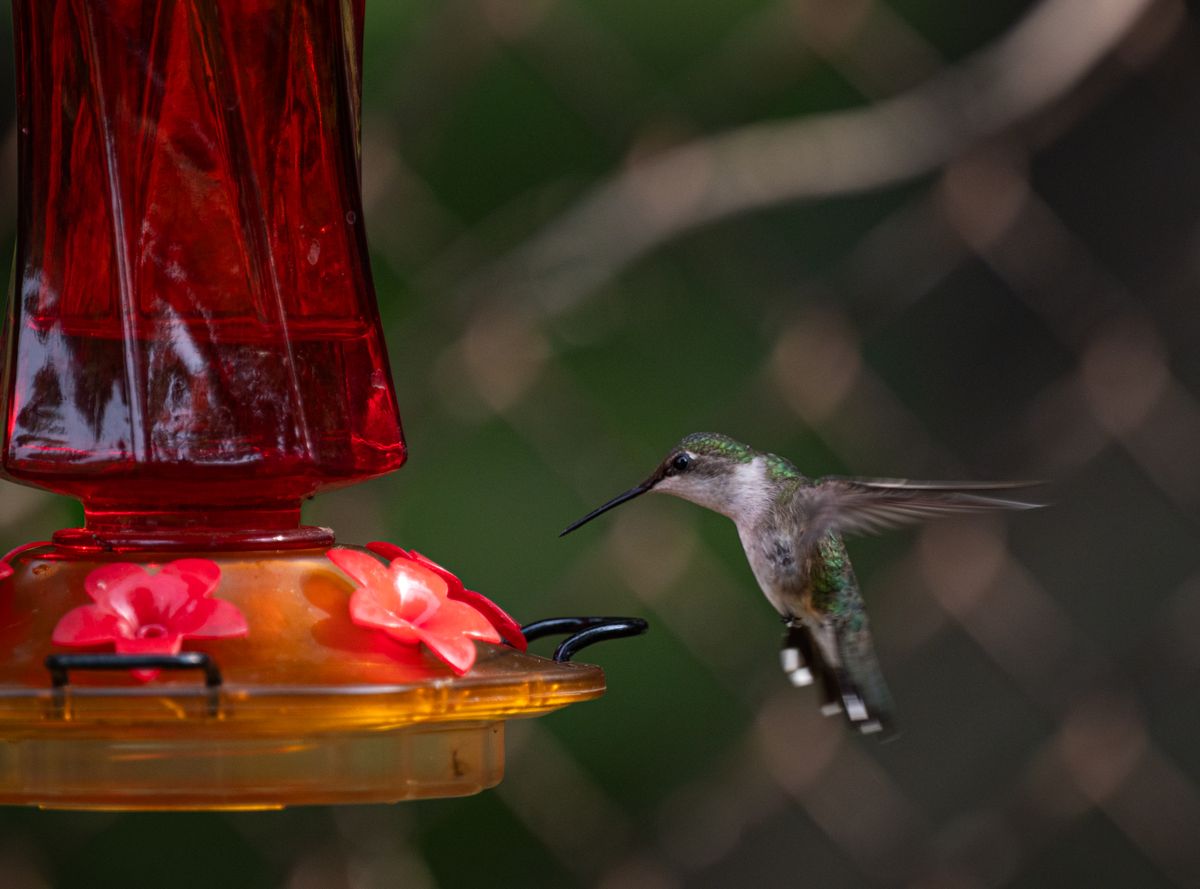
Late-season yellowjackets, yellow hornets, and ants become aggressive in fall as natural food sources vanish. Fill the integrated top ant moat with clean water. Check that the flower-shaped feeding ports feature narrow, recessed openings that allow long hummingbird bills to reach nectar while keeping short-tongued insects away from the sugar level.Top Recommended Autumn Feeder: LUJII Hand-Blown Solar Feeder
For garden lovers who want to combine avian support with stunning autumn garden aesthetics, the LUJII Solar-Powered Hummingbird Feeder stands out as the ultimate multi-season choice.
- Hand-Blown Glass Artistry: Each 32 fl.oz reservoir is individually handcrafted at 2,300°F by glass artisans, creating vibrant, translucent color patterns that sparkle in autumn sunlight.
- Solar RGB Twilight Illumination: An integrated solar cap powers soft, multi-mode RGB LED lighting for up to 8 hours after dusk. This twilight glow guides late-migrating hummingbirds during twilight feeding windows while turning your evening garden into a magical retreat.
- Leak-Proof Sealed Construction: Features a precision-threaded anti-rust metal base with leak-proof gaskets, preventing sugar drips that invite autumn yellowjackets.
- All-Weather Resilience: A heavy-duty waterproof plastic cap shields the solar housing from rain, sleet, and autumn frost, while the heavy glass body resists swinging in chilly breezes.
Expert Tip: Managing Cold Snaps and Freezing Nectar
As late fall brings early frost warnings, managing liquid nectar state becomes vital. Standard 4:1 nectar freezes at 32°F (0°C), whereas a concentrated 3:1 nectar mix lowers the freezing point down to approximately 27°F (-3°C) due to freezing point depression.
If nighttime temperatures are forecasted to drop below 25°F (-4°C), bring your glass solar feeder indoors right after twilight once the last hummingbirds have roosted. Place it in a cool garage or mudroom overnight, and rehang it outdoors 30 minutes before sunrise. Early morning is when hungry migrants need immediate calorie replacement after burning up to 15% of their weight overnight just staying warm.
Fall Feeder Gear Selection Guide
Selecting the right autumn feeder requires balancing structural durability, leak prevention, and evening visibility for exhausted migrating birds.
Best choice for
- LUJII Solar Hand-Blown Glass Feeder — Thick hand-blown glass retains structural integrity through quick temperature drops, while solar RGB lighting provides twilight visibility.
- Sealed-Base Glass Feeder with Built-in Nectar Protection — Prevents outer glass drips, locking sugar solution inside where yellowjackets cannot reach.
- Heavy-Gauge Metal Base Feeder with 30+ oz Capacity — Adds significant downward ballast, keeping the feeder stable on shepherd's hooks during fall storms.
- Ultra-thin plastic feeders that become brittle and crack under early UV degradation and freezing snaps
- Open tray or unsealed flying-saucer feeders that drip continuously when tilted by autumn wind
- Heavy-duty clear glass bottle feeders with metal ports — Durable and simple to scrub, though lacks dusk solar illumination for twilight garden aesthetics.
Essential Gear for Your Fall Hummingbird Station
Upgrade your autumn birding setup with handcrafted glass and solar technology designed to keep nectar fresh and birds energized.
Visualizing the Ultimate Fall Feeder Station Layout
Review this layout schematic to ensure your feeder setup provides wind protection, safe clearance, and maximal solar illumination.
4 Fatal Autumn Feeder Mistakes to Avoid
Fall Migration Regional Setup & Maintenance Timeline
- Late August - Early September (Northern US / Canada) — Clean feeders, switch to fresh nectar, inspect glass body, and position solar caps for full south-facing sunlight.
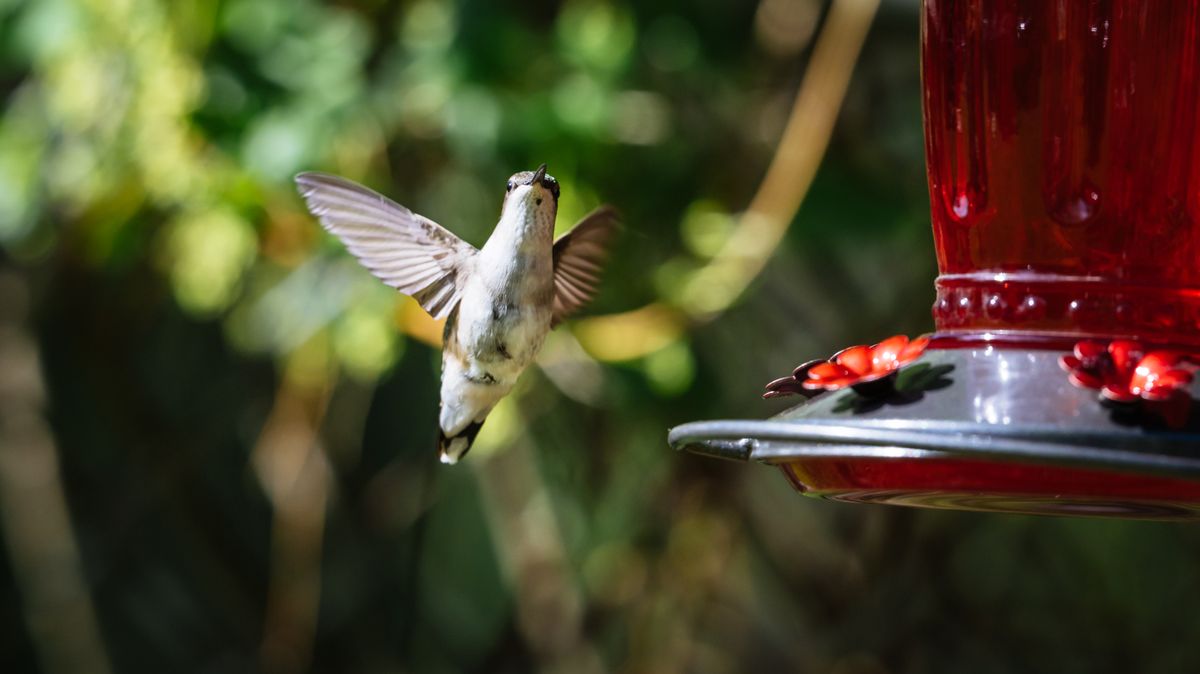
- Mid September - Mid October (Central US & Midwest) — Peak southward migration wave. Increase nectar check frequency. Switch to 3:1 energy ratio during sudden chilly fronts.
- October - November (Southern US & Gulf Coast) — Heavy refueling window for birds preparing to cross the Gulf. Maintain full 32 fl.oz reservoirs daily.
- 2 Weeks After the Last Sight (All Regions) — Keep feeders clean and filled for a full 14 days after seeing your last hummingbird to support stragglers before storing for winter.
Key Takeaways for Fall Hummingbird Care
- Height & Shelter: Mount your feeder 5 feet high, 10 feet from protective bushes, shielded from autumn winds.
- Caloric Boost: Use a 3:1 sugar-to-water ratio during cold autumn snaps to help birds build vital fat stores.
- Solar Guidance: Ensure solar cap gets direct sunlight so dusk RGB lighting can assist late twilight arrivals.
- Insect Safety: Use sealed-base feeders with internal gaskets to block fall yellowjackets.
- Timing: Keep feeders active for at least 2 weeks after seeing your final hummingbird.
Frequently Asked Questions About Fall Feeder Setup
Find clear answers to common questions about late-season feeding, cold weather safety, and solar lighting.
Your Fall Action Plan & Immediate Next Steps
Your decision: Choose a weather-resistant hand-blown glass solar feeder equipped with leak-proof seals and dusk illumination.
Do this next: Mount your feeder 5 feet above ground in a wind-sheltered spot, mix a high-energy 3:1 nectar batch, and allow the solar cap to charge fully for twilight illumination.
Related resource: Downloadable Fall Nectar Ratio & Cleaning Schedule Chart
LUJII Solar Hand-Blown Glass Hummingbird Feeder
Prepare your backyard sanctuary today to give migrating hummingbirds the vital boost they need on their long journey south.