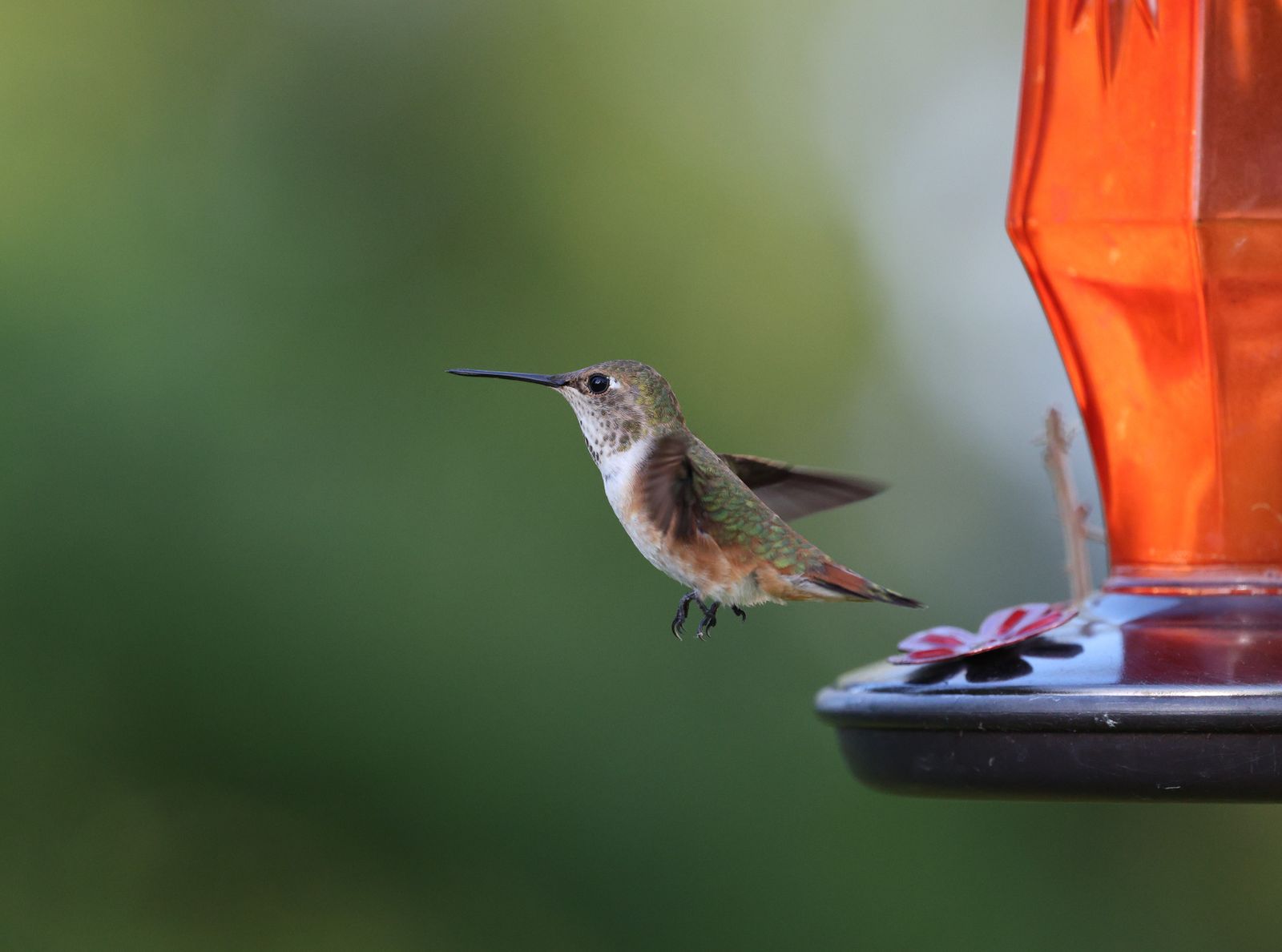
Best Hummingbird Feeders for Fall Migration: High-Capacity & Weatherproof Guide
Contrary to common belief, leaving feeders up in fall does not stop hummingbirds from migrating—migration is triggered by daylight changes, not food availability. For fall migration, the best feeder is a high-capacity (32 oz) hand-blown glass model with an anti-rust metal base, leak-proof seal, and solar dusk lighting. Heavy glass resists autumn wind gusts, high capacity satisfies intense migration hyperphagia, and dusk illumination aids late-twilight feeders without disrupting roosting.
Fall Migration Feeder Selection Framework
Selecting a fall migration hummingbird feeder requires prioritizing a 32+ oz capacity to handle hyperphagia feeding surges, heavy rust-resistant metal bases to prevent tipping in autumn winds, and dusk illumination to aid late-arriving migrants.
Best choice for
- LUJII 32 oz Hand-Blown Solar Glass Hummingbird Feeder — The heavy 2,300°F hand-blown glass reservoir and leak-proof anti-rust metal base withstand 25+ mph wind gusts while eliminating constant midday refills.
- Solar RGB-Illuminated Glass Feeder — Automated 8-hour nighttime LED lighting provides ambient illumination so exhausted migrants can refuel safely during early autumn dusk.
- Sub-zero winter zones where liquid nectar freezes solid overnight without an active heating accessory.
- Multiple 16 oz standard glass feeders — Useful when positioned around separate garden zones to reduce territorial aggressive behavior during heavy flock surges.
Top-Rated High-Capacity & Weatherproof Feeders for Autumn
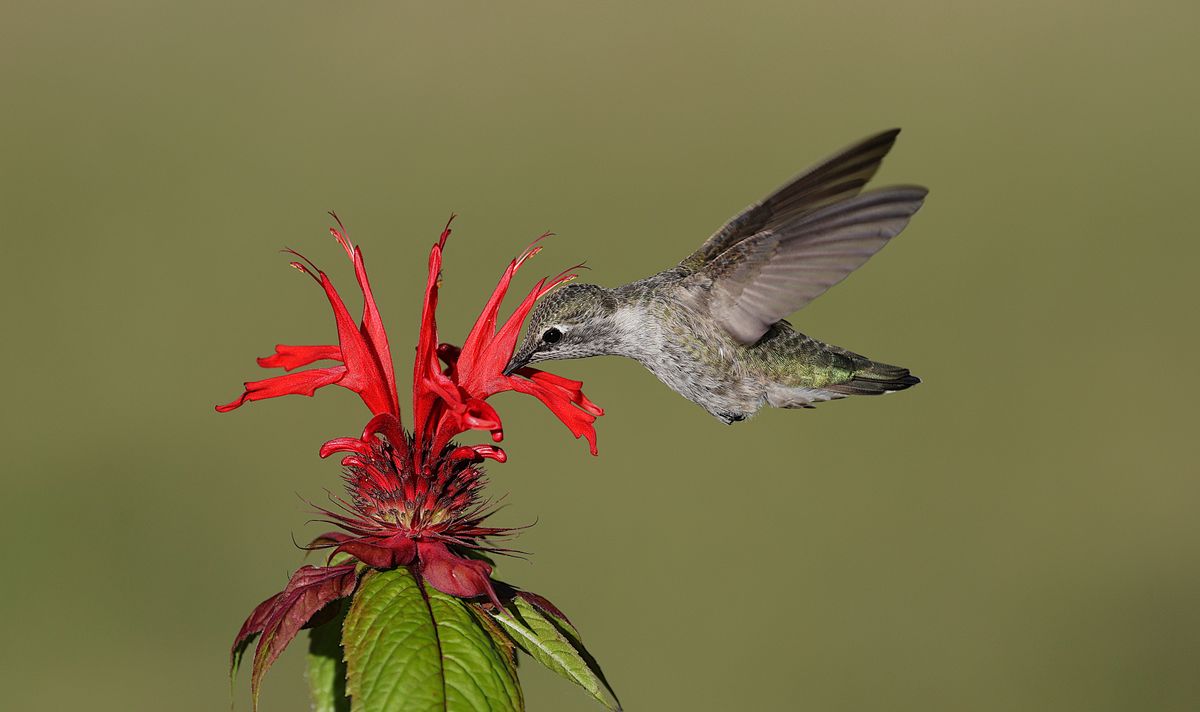
Photo by Veronika Andrews on Pexels
During fall migration, hummingbirds enter a state of hyperphagia, doubling their body weight to fuel journeys spanning hundreds or thousands of miles. Lightweight, small-capacity feeders quickly fail under these conditions—emptying in hours or spilling in sharp autumn winds. To keep your garden sanctuary operational, choose heavy-duty hardware equipped with see-through capacity indicators, sealed drip-free bases, and twilight lighting features.
Fall Feeder Comparison Matrix by Backyard Scenario
| Autumn Scenario | Feeder Type & Material | Wind & Storm Stability | Dusk & Twilight Visibility | Hyperphagia Capacity |
| --- | --- | --- | --- | --- |
| High Wind Gusts (20+ mph) | 32 oz Hand-Blown Glass + Heavy Metal Base | High: Heavy mass & sealed base prevent tipping | Excellent: Solar RGB LED cap illuminates surrounding area | Optimal: 32 oz holds 2–3 days of heavy flock feeding |
| Rapid Daylight Drop (Early Dusk) | 32 oz Solar-Powered Illuminated Glass | High: Silicone-sealed leak-proof base | Superior: Automated 8-hour dusk light aids late migrants | Optimal: 32 fl. oz high-volume capacity |
| Sheltered Garden / Low Wind | 16 oz Lightweight Molded Plastic | Low: Swings wildly in light breezes, spilling nectar | Poor: Darkens completely at dusk | Low: Requires twice-daily refills during migratory surges |
| Early Autumn Frost Snaps | 32 oz Thick Hand-Blown Artisan Glass | High: Thermal mass slows rapid fluid cooling | Moderate to High: Solar options light up roosting perches | Optimal: Sustains early morning feeding before sunrise |
US Regional Fall Migration & Maintenance Timeline
| US Region | Peak Hyperphagia Surge | Twilight Lighting Benefit | Recommended Take-Down Window |
| --- | --- | --- | --- |
| Northern US & Canada Border | Late August – Mid September | High: Days shorten rapidly; dusk light extends feeding window | Keep active until 2 weeks after the last migrant is seen (late Oct) |
| Midwest & Central US Corridor | September – Early October | High: Sustains heavy evening roosting stops during cold fronts | Maintain feeder through early to mid-November |
| Southern US & Gulf Coast | September – Late November | Moderate: High-volume trans-Gulf staging and overwintering | Many stations remain active year-round for overwintering hummers |
| Pacific Northwest & West Coast | September – October | High: Rufous migration and year-round Anna's hummingbird care | Maintain feeders continuously for resident Anna's hummingbirds |
Pro Tip: Calibrating Nectar Concentration & Temperature Care
During peak autumn hyperphagia, hummingbirds need maximum calorie efficiency. While the standard 4:1 refined white sugar-to-water ratio is ideal to prevent dehydration, during sudden early-autumn cold snaps (below 30°F), a temporary 3.5:1 ratio provides extra caloric density and slightly depresses the freezing point of the liquid. Always use pure white granulated sugar and never add red dyes or artificial sweeteners.
Pros & Cons of Solar-Illuminated Hand-Blown Glass Feeders
Pros
- Generous 32 oz capacity eliminates constant refills during hyperphagia surges
- Heavy hand-blown glass reservoir resists autumn wind sway and dripping
- Solar-powered RGB LED cap automatically provides up to 8 hours of ambient dusk light
- Crafted at 2,300°F, creating a unique and vibrant garden centerpiece
- Coated anti-rust metal base with leak-proof seal ensures long-term weather durability
- Heavier than plastic feeders, requiring a sturdy shepherd's hook or solid branch
- Must be brought indoors overnight during severe sub-freezing hard frosts
Editor's Top Pick: LUJII 32 oz Solar Hand-Blown Glass Feeder
The LUJII 32 oz Solar-Powered Hand-Blown Glass Hummingbird Feeder is our premier recommendation for fall migration support. Combining heavy 2,300°F hand-blown artisan glass with an anti-rust metal base and an automated RGB solar cap, this feeder withstands gusty autumn weather while delivering 32 fl. oz of fresh fuel. The built-in solar panel charges by day and lights up automatically at dusk for up to 8 hours, helping twilight migrants find nourishment when daylight fades.
Shop the LUJII Solar Hummingbird Feeder
Your Autumn Feeding Action Plan
Your decision: Select a 32 oz hand-blown glass feeder with a rust-resistant metal base and integrated solar dusk lighting to handle autumn weather and heavy bird traffic.
Do this next: Mount the feeder securely on a heavy-duty shepherd's hook in a wind-protected garden location, fill with fresh 4:1 white sugar nectar, and keep clean.
Related resource: Download our US Regional Migration Take-Down Calendar Cheat-Sheet.LUJII 32 oz Solar Hand-Blown Glass Hummingbird Feeder
Essential Fall Migration Feeding Rules
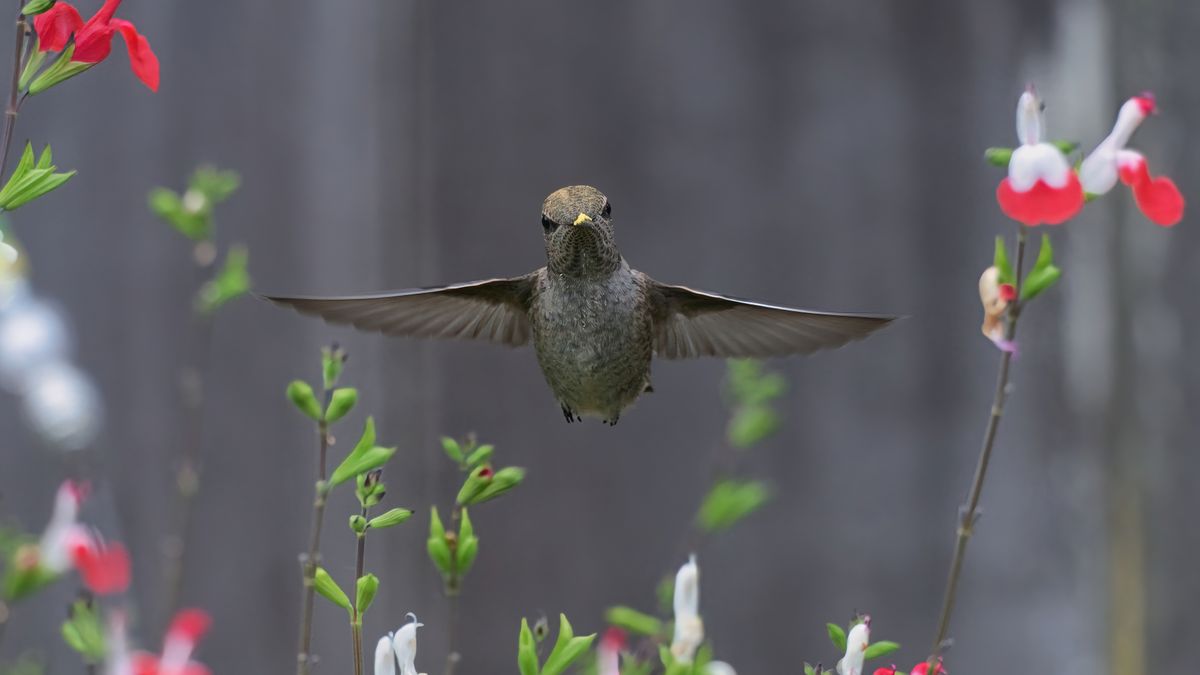
Photo by Townsend Walton on Pexels
- Keep feeders out until two full weeks pass without seeing a single hummingbird.
- Choose 32 oz high-capacity reservoirs to prevent depletion during hyperphagia feeding frenzies.
- Utilize heavy glass and metal base construction to stop autumn wind tipping and nectar leaks.
- Rely on solar-powered dusk lighting to help late twilight migrants refuel safely.
- Maintain clean 4:1 white sugar nectar; clean every 3 days during cool autumn weather.
Fall Migration Hardware Specification Matrix
| Hardware Feature | Fall Migration Requirement | Standard Feeder Specs | LUJII Solar Glass Feeder Specs |
| --- | --- | --- | --- |
| Nectar Capacity | 32 fl. oz minimum | 8 – 16 fl. oz | 32 fl. oz (1000 ml) high volume |
| Reservoir Material | Thick hand-blown glass | Thin plastic or light glass | Artisan glass shaped at 2,300°F |
| Base Construction | Anti-rust coated metal | Snap-fit plastic base | Coated metal with leak-proof seal |
| Wind Stability | Stable in 20+ mph breezes | Prone to tipping & spilling | Weighted mass minimizes sway |
| Dusk Illumination | Automated dusk lighting | None | Solar cap with RGB lights (8 hrs) |
| Weather Protection | Rain, snow & UV shield | Unprotected plastic cap | Waterproof solar cap housing |
5 Critical Autumn Feeding Mistakes to Avoid
Recommended Autumn Hummingbird Care Guides
Explore additional guides to optimize your backyard hummingbird sanctuary:
- Nighttime Garden Safety for Roosting Hummingbirds: Autumn Twilight Feeding Tips
- Summer Storm Protection: Weatherproofing Your Glass Solar Hummingbird Feeder Setup
- Hot Weather Nectar Ratios: How to Keep Hummingbird Food Fresh in Summer
Frequently Asked Questions About Fall Migration Feeding
When should I take down my hummingbird feeder in the fall?
Keep your feeders up until two full weeks pass without seeing a single hummingbird. Late migrants, juveniles, or stragglers rely heavily on remaining feeders to fuel their journey southward.
Does nighttime solar light affect nectar freshness or confuse migrating birds?
No. Low-voltage solar RGB LED lights do not generate heat and will not warm or spoil the nectar. The gentle ambient glow assists twilight feeders during early autumn dusk without disrupting natural roosting or migratory impulses.
How do I prevent hummingbird nectar from freezing during early fall frosts?
Standard 4:1 hummingbird nectar freezes at approximately 27°F (-3°C). If overnight temperatures are expected to drop below freezing, bring glass feeders indoors after dusk and re-hang them at dawn when birds start feeding.
What is the correct nectar ratio for fall migration hyperphagia?
The standard 4:1 refined white sugar to water ratio remains best to keep birds properly hydrated. During extreme freezing cold snaps, a temporary 3.5:1 ratio can be used to provide dense calories and slightly lower the freezing point.
Final Checklist for Autumn Hummingbird Care
Your decision: Equip your yard with a 32 oz solar hand-blown glass feeder featuring an anti-rust metal base to withstand fall gusts and sustain high bird traffic.
Do this next: Hang the feeder on a sturdy hook, maintain clean 4:1 white sugar nectar, and leave it out until two weeks after your last hummingbird visitor.
Related resource: Download our US Regional Migration Take-Down Calendar Cheat-Sheet.LUJII 32 oz Solar Hand-Blown Glass Hummingbird Feeder
Cover photo by Veronika Andrews on Pexels.