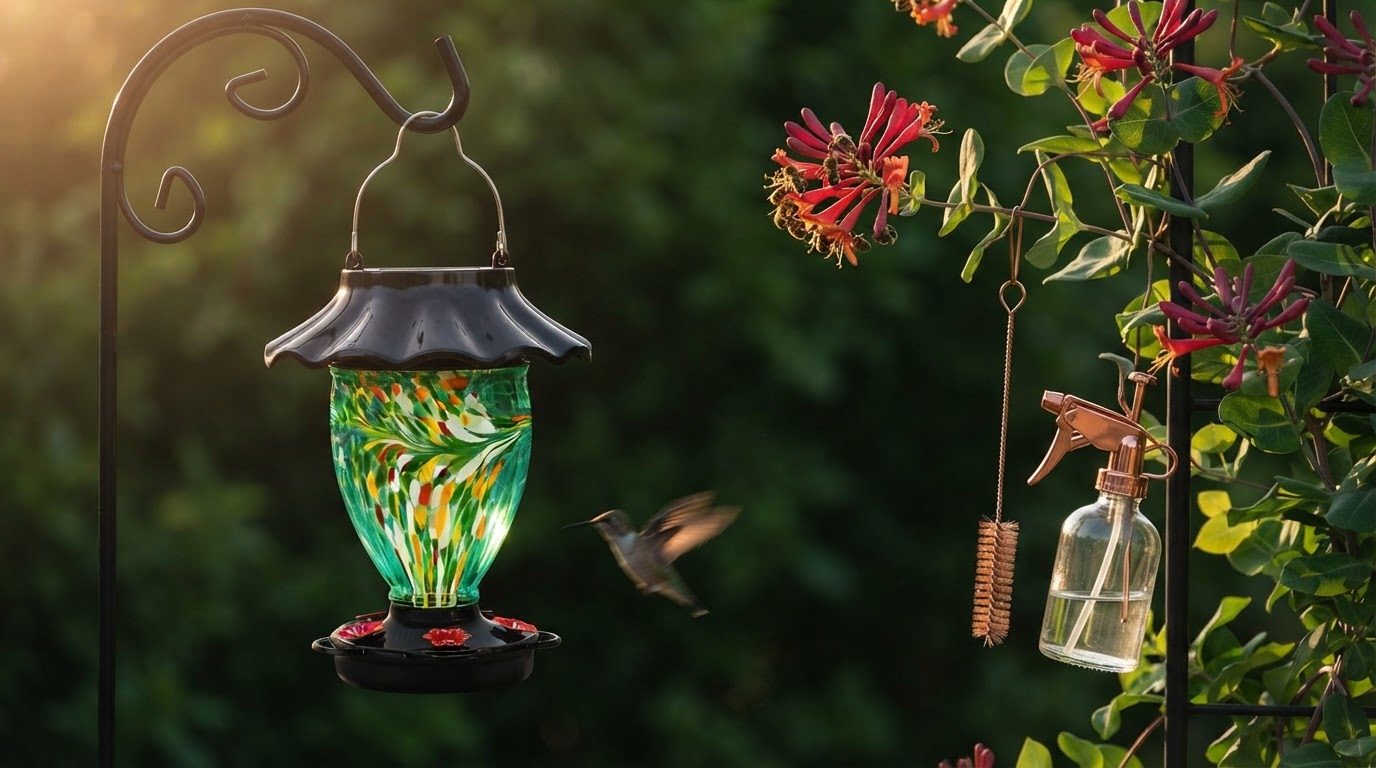
How to Deter Bees from a Solar Hummingbird Feeder?
 Priya RamanSenior Analyst
August 5, 2026 — Deterring bees from a Solar Hummingbird Feeder requires a dual-pronged approach of visual redirection and meticulous hygiene to ensure the sugar water remains accessible only to long-tongued pollinators.
Effective management of a hanging solar bird feeder for outdoors relies on understanding the competitive dynamics between insects and birds. Homeowners often face the challenge of yellow jackets and honeybees monopolizing ports, which can discourage hummingbirds from feeding. Think of it as a matrix of accessibility and attraction: you must minimize the visual and olfactory signals that draw bees while maintaining the aesthetic appeal of the glass solar hummingbird feeder.
Does the color of a Solar Hummingbird Feeder affect bee activity?
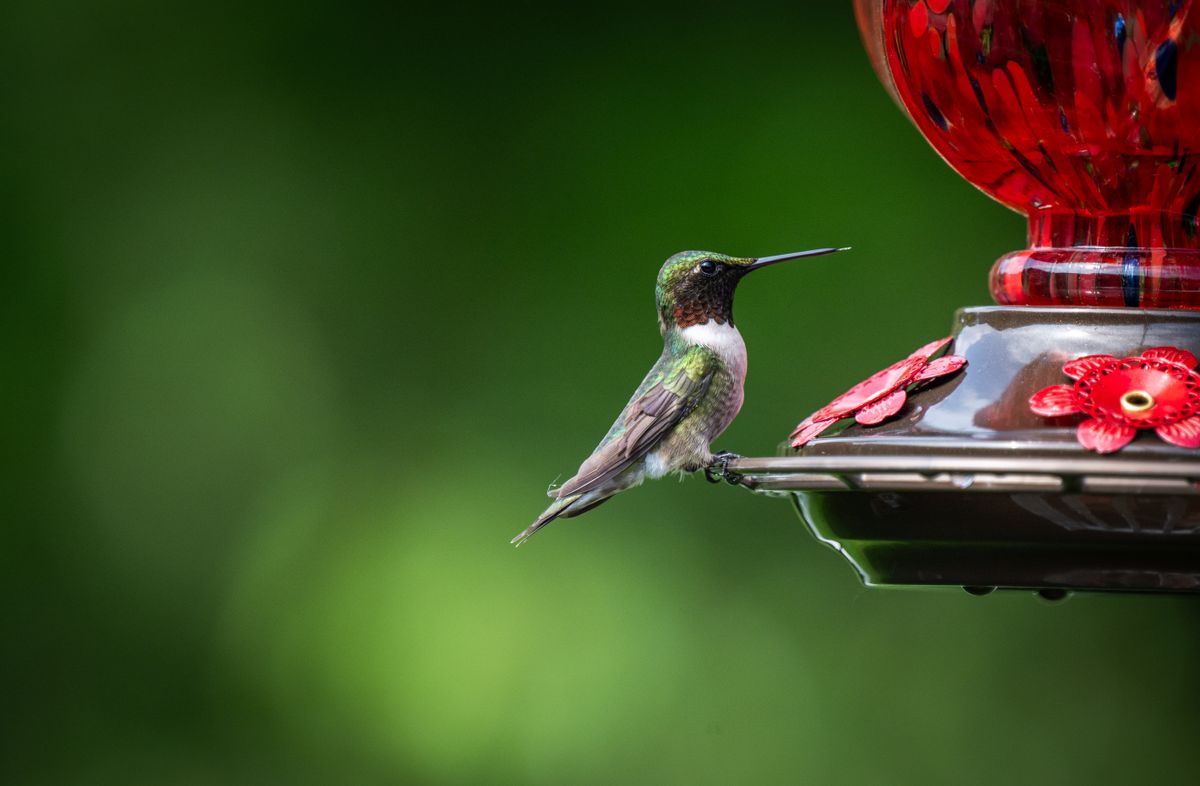
Selecting a feeder that utilizes specific spectrums of light and pigment is the most effective way to reduce insect interference. Once you see it this way, the solution becomes a matter of color theory: bees are significantly less attracted to the color red than hummingbirds are, making red-based designs a natural deterrent. According to Home Sweet Bees, using a red feeder helps minimize attraction because bees do not perceive the red wavelength as effectively as other colors in the spectrum.
Two axes matter here: the color of the feeder body and the color of the feeding ports. While many consumers enjoy a glass solar hummingbird feeder for its reflective properties, ensuring the structural components are predominantly red helps filter out unwanted guests. By avoiding yellow ports—which bees find highly attractive—you create a visual barrier that favors avian visitors. This is particularly important for those who have integrated their setup with a solar hummingbird feeder with ant moat to prevent crawling insects from reaching the nectar.
How does maintenance prevent bee swarming on solar feeders?
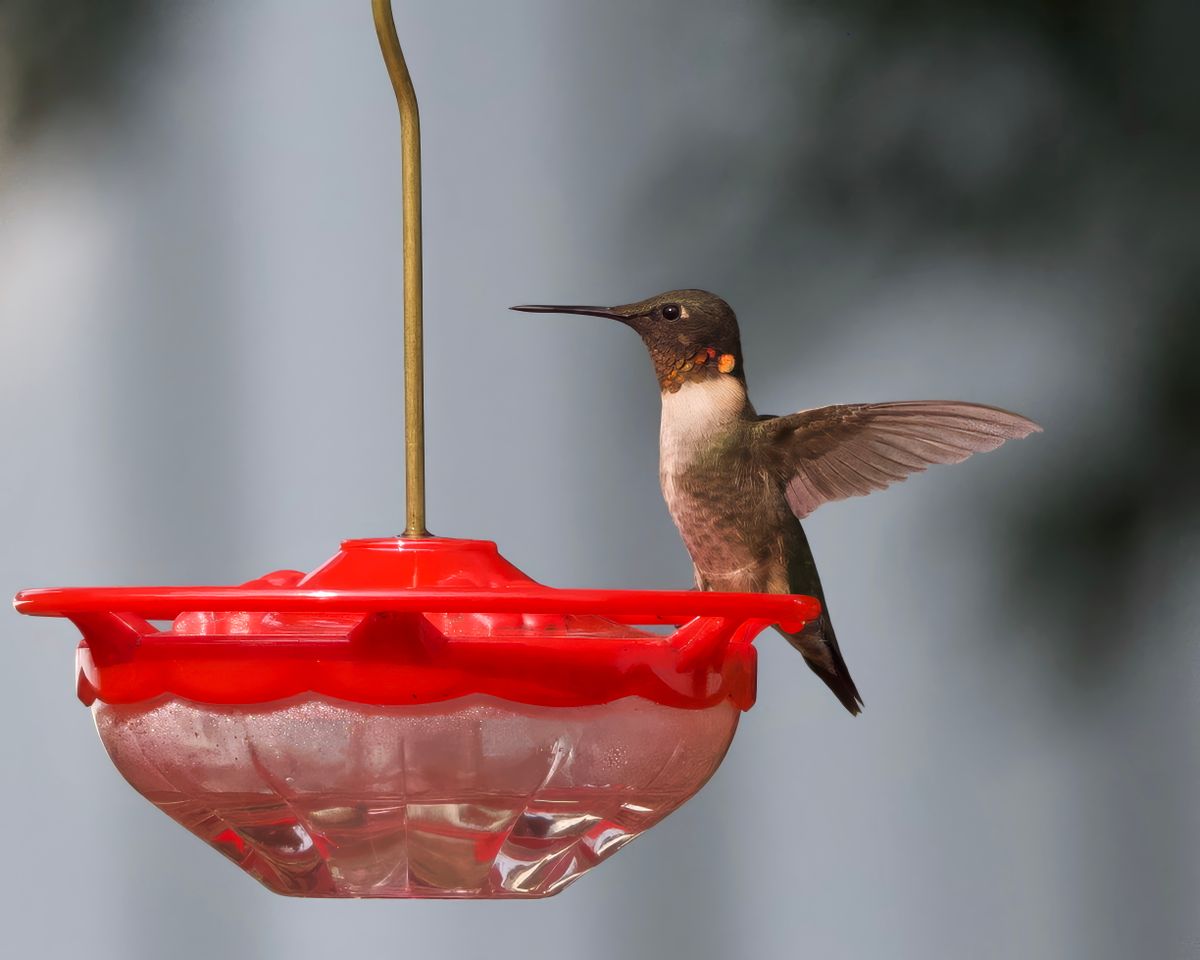
Photo by A. G. Rosales on Pexels
Maintaining strict hygiene standards is the primary decision rule for preventing swarms before they establish a feeding pattern. If nectar residue is allowed to accumulate on the exterior of the reservoir, bees will be drawn to the scent regardless of the feeder's color. Nature's Way Birds recommends cleaning the unit with warm soapy water every 4 to 5 days and ensuring no exposed nectar remains on the outside of the vessel.
For those utilizing a solar powered bird feeder with lights, the heat generated by the internal electronics, though minimal, can sometimes accelerate the fermentation of nectar if the unit is not properly ventilated. Regular cleaning is not just about hygiene; it is about scent management. A clean Solar Hummingbird Feeder emits fewer volatile organic compounds that bees use to track food sources. This process is made simpler by selecting an easy to clean solar bird feeder for seniors, which typically features wider openings and fewer crevices where sugar can crystallize and attract foragers.
Quick answers
Q: How often should I wash my Solar Hummingbird Feeder to stop bees? A: You should perform a thorough cleaning every 4 to 5 days using warm soapy water to remove any sticky residue from the exterior. This frequency prevents the buildup of sugar trails that scout bees use to alert their colony.
Q: Does the LED light in a solar feeder attract bees at night? A: Most bees are diurnal and do not forage at night; however, if the light is active during dawn or dusk, it may attract nocturnal moths rather than bees. Ensuring the light is contained within a red or thick glass housing minimizes the specific wavelengths that draw most flying insects.
Q: Can I use bee guards on a glass solar hummingbird feeder? A: Yes, many models are compatible with small plastic mesh covers called bee guards that fit over the ports. These allow a hummingbird's long beak to pass through while physically blocking bees from reaching the nectar level.
Learn more about Solar Hummingbird Feeder at https://solarhummingbirdfeeder.com.
Sources
- How do I keep bees away from my bird feeder?
- Bees in Bird Feeders
- No bees (or wasps), please! Typically, if bees ...