
The 4-Step Ant Guard Setup for Solar Hummingbird Feeders
 Priya RamanSenior Analyst
August 3, 2026 — The rising popularity of the glass solar hummingbird feeder has introduced a unique challenge for backyard enthusiasts: protecting sugar water from crawling insects without obstructing the integrated solar panels. As homeowners increasingly seek a hanging solar bird feeder for outdoors that functions both as a nutrient source and an evening light feature, the integration of pest barriers has become a technical necessity.
Maintaining the purity of nectar is critical because ants can quickly contaminate a feeder, leading to fermentation or mold that harms visiting birds. While some designs, such as the Kingsyard 16oz Glass Hummingbird Feeder With Ant Moat, include built-in protection, many solar-integrated models require a secondary solution to ensure the light-harvesting components remain functional and clean. Think of it as a matrix of accessibility and protection; you must block the insect path while ensuring the solar cells receive unobstructed UV rays. Expert discussions within the We Love Hummingbirds community suggest that standard physical barriers are the most effective way to prevent ants from reaching the feeder without using harmful chemicals.
The 4-Step Ant Defense Framework
To successfully deploy a solar hummingbird feeder with an ant moat, users should follow a structured approach that balances mechanical exclusion with solar efficiency. The decision rule is simple: the barrier must exist above the feeder but below the primary hanging point to intercept scouts before they reach the nectar ports. First, verify the weight capacity of your hanging hardware, as adding a water-filled moat increases the load on the bracket. Second, select a transparent or low-profile moat to ensure it does not cast a shadow over the solar lid during peak charging hours. Third, fill the reservoir with plain water; avoid adding oils or detergents which can damage bird feathers if splashed. Finally, for models with external wiring, the community at We Love Hummingbirds recommends running the wire through a cable moat or specialized guard to prevent ants from using the power cord as a bypass bridge.
This setup works best when paired with other pest management strategies. While managing ants, owners should also look into deterring bees from solar bird feeders to keep the feeding environment peaceful. For those still selecting a device, reading best solar hummingbird feeder reviews can help identify which models have the most compatible hooks for aftermarket moats. Regular cleaning is also vital, particularly for older users who might prefer an easy to clean solar bird feeder for seniors to minimize the physical strain of frequent maintenance. Once you see it this way—as a managed ecosystem rather than just a hanging light—pest control becomes a seamless part of the hobby.
Expert tip: If you are using a solar powered bird feeder with lights, ensure the ant moat is cleaned weekly to prevent stagnant water from obscuring the light sensors or attracting mosquitoes, which can interfere with the unit's automatic dusk-to-dawn activation.
Implementing these steps ensures that your backyard remains a sanctuary for birds rather than a hub for pests. Proper placement and a functional moat allow the solar components to charge fully, providing reliable illumination throughout the night. For more information on maintaining your equipment, consult our guide on solar hummingbird feeder maintenance for seniors.
Shop Solar Hummingbird Feeder.
Sources
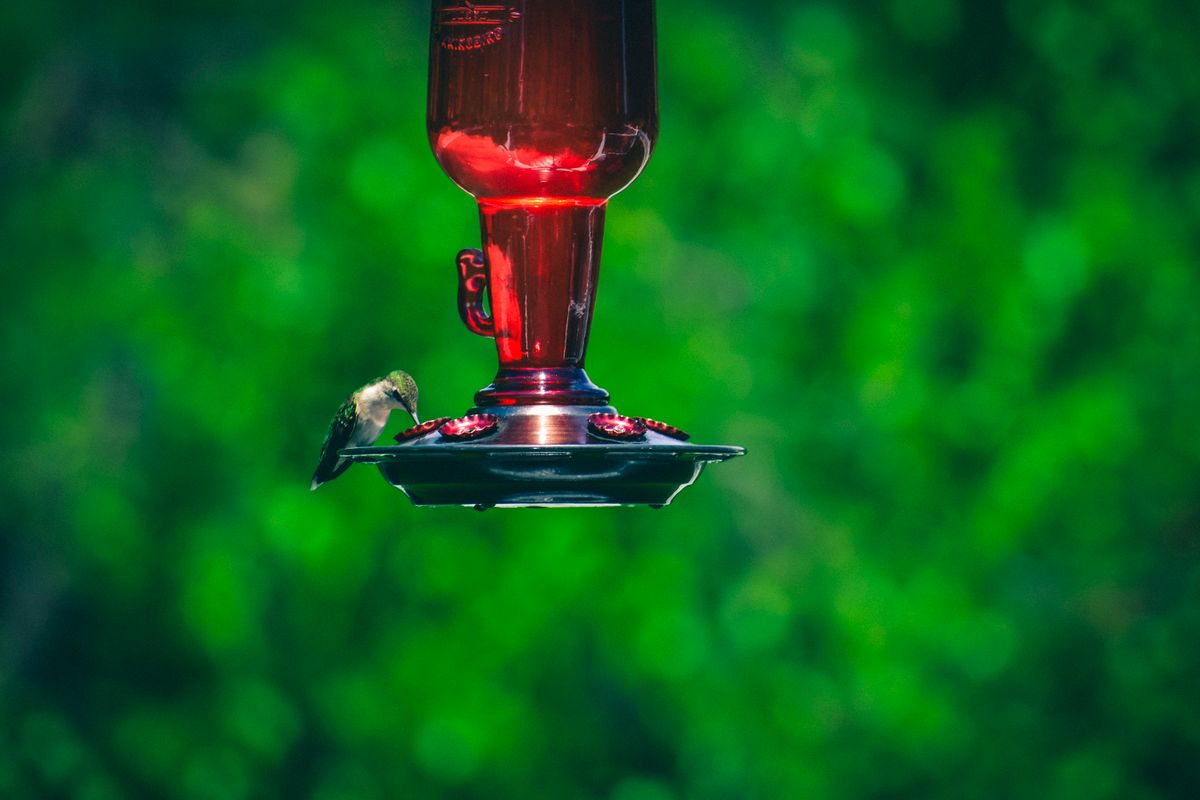
- Kingsyard 16oz Glass Hummingbird Feeder With Ant Moat
- How to stop ants from traveling on solar panel cords to hummingbird ...
- How to prevent ants from reaching a hummingbird feeder ...