How to Clean a Solar Hummingbird Feeder Without Water Damage
Should you submerge a solar hummingbird feeder in water to sanitize it? No. Never submerge the top solar cap. Always detach the electronic cap first, wiping it with a damp microfiber cloth. Wash the hand-blown glass bottle and anti-rust metal base in a 4:1 warm water and white vinegar solution to eliminate mold without short-circuiting the RGB circuitry.
The Master Safe-Cleaning Checklist: Submerge vs. Wipe Zones
- [ ] Zone 1 (Submerge Safe): Hand-blown glass reservoir
- [ ] Zone 1 (Submerge Safe): Coated anti-rust metal base and perches
- [ ] Zone 1 (Submerge Safe): Silicone seal gasket and plastic flowers
- [ ] Zone 2 (WIPE-ONLY ELECTRONICS): Plastic solar top cap housing
- [ ] Zone 2 (WIPE-ONLY ELECTRONICS): Solar panel photovoltaic glass lens
- [ ] Zone 2 (WIPE-ONLY ELECTRONICS): RGB LED light sensor and underside circuit housing
Printable Quick-Clean Reference Card
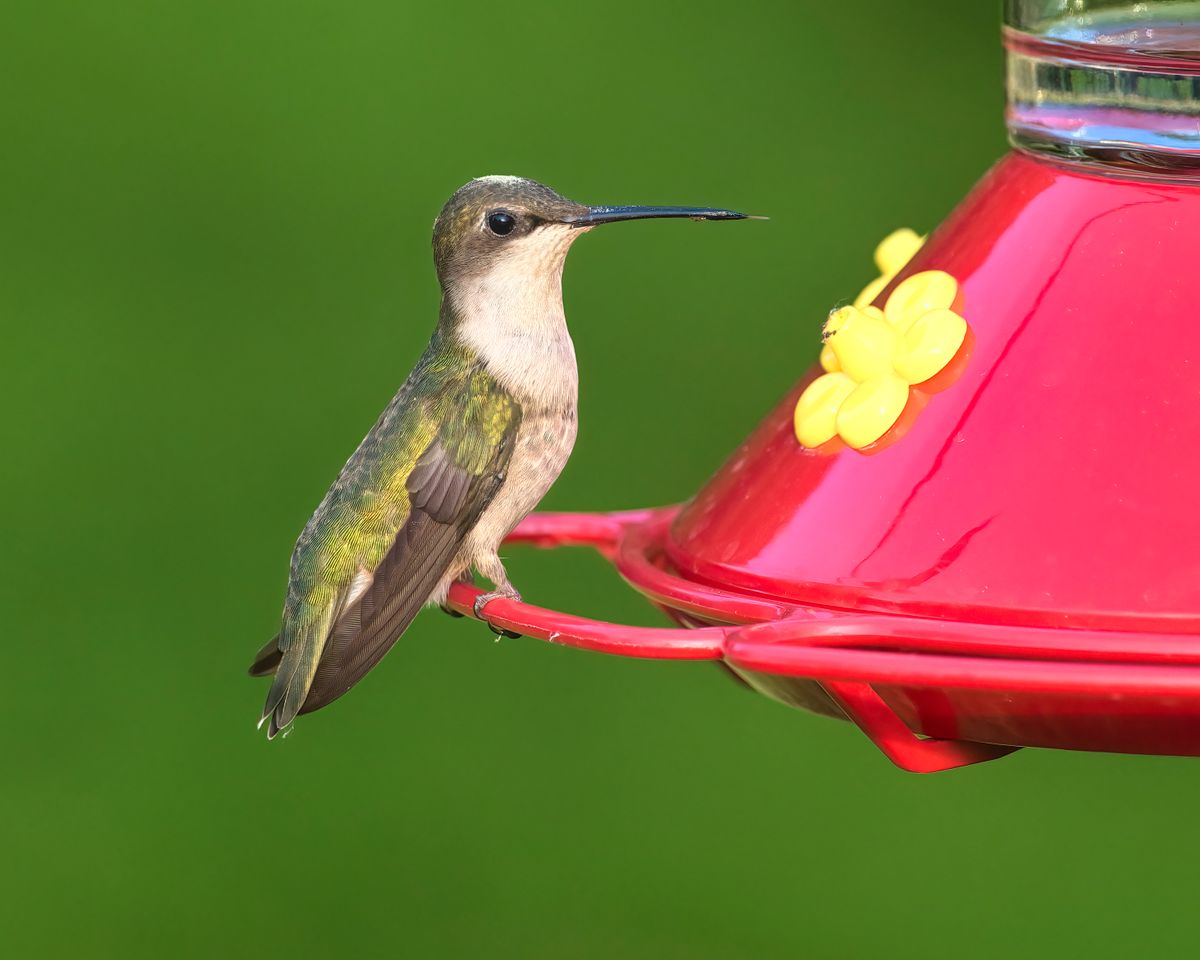
Photo by pete weiler on Pexels
- Step 1: Detach top solar cap and set aside on a clean, dry towel (do not wet).
- Step 2: Submerge hand-blown glass bottle and metal base in warm 4:1 water and white vinegar solution.
- Step 3: Gently scrub silicone flower feeding ports and ant moat channels with a bottle-nipple brush.
- Step 4: Wipe down solar panel lens and outer plastic housing using a lightly damp microfiber cloth.
- Step 5: Air-dry all components completely for 15-20 minutes before reassembling and refilling with cool nectar.
Electronics & Moisture Troubleshooting Matrix
| Failure Mode / Scenario | Root Cause | Immediate Corrective Action | Prevention / Safe Practice |
| --- | --- | --- | --- |
| Water trapped inside RGB light cap | Full submersion in sink or high-pressure hose spray onto cap seams | Power off unit, remove battery hatch, blot water, enclose cap in airtight container with silica gel for 48 hours | Never submerge solar cap; clean using a damp microfiber cloth wipe only |
| RGB LEDs flicker or turn off unexpectedly | Corrosion on battery contacts from trapped ambient humidity | Scrape white oxidation off contacts with emery cloth; replace AAA rechargeable solar battery | Ensure silicone seal gasket is fully seated and bone-dry before reattaching cap to glass |
| Nectar cloudy or black mold blooming in <24 hrs | Heat buildup under solar cap accelerating sugar water fermentation | Dump nectar immediately, soak glass and metal base in 4:1 vinegar solution for 15 minutes | Clean and replace nectar every 24-48 hours when outdoor temperatures exceed 90°F |
| Glass finish looking dull or coated in white haze | Hard water mineral deposits or chemical residue from dish soap | Soak glass bottle in undiluted white vinegar for 15 minutes, rinse thoroughly with distilled water | Avoid dish soaps and bleach; rely solely on warm water and distilled white vinegar |
Water intrusion and improper sanitization can lead to premature failure. Address these critical failure modes immediately if moisture breaches the solar housing or if mold develops.
Immediate Cleaning Setup
Your decision: Decide whether your feeder needs a quick weekly rinse or a deep mold-removal soak based on nectar clarity and ambient temperature.
Do this next: Detach the solar cap, place it on a dry towel, and submerge the glass reservoir in a warm 4:1 water-to-white-vinegar bath for 15 minutes.
Related resource: Twilight Nectar Care FAQ: Does Nighttime Solar Light Affect Nectar Freshness?
🌟 LUJII Solar-Powered Hummingbird Feeder (32 oz Hand-Blown Glass) with Weather-Sealed Base.
Take immediate steps to prepare your cleaning station safely before disassembling your solar feeder.
Essential Rules for Solar Feeder Sanitization
Keep these vital rules in mind every time you clean your illuminated garden feeder:
Temperature-Based Sanitization Schedule
- 90°F and Above (Peak Summer) — Clean glass/base and replace nectar every 24 to 48 hours. Wipe solar panel daily.
- 80°F to 89°F (Warm Summer) — Clean glass/base and replace nectar every 2 to 3 days.
- 70°F to 79°F (Moderate Spring/Fall) — Clean glass/base and replace nectar every 3 to 4 days.
- Below 70°F (Cool Weather) — Clean glass/base and replace nectar every 5 to 7 days.
5 Deadly Cleaning Mistakes That Ruin Solar Feeders
Avoid these critical mistakes to protect your investment and preserve wildlife safety:
Step-by-Step 15-Minute Deep Clean Walkthrough
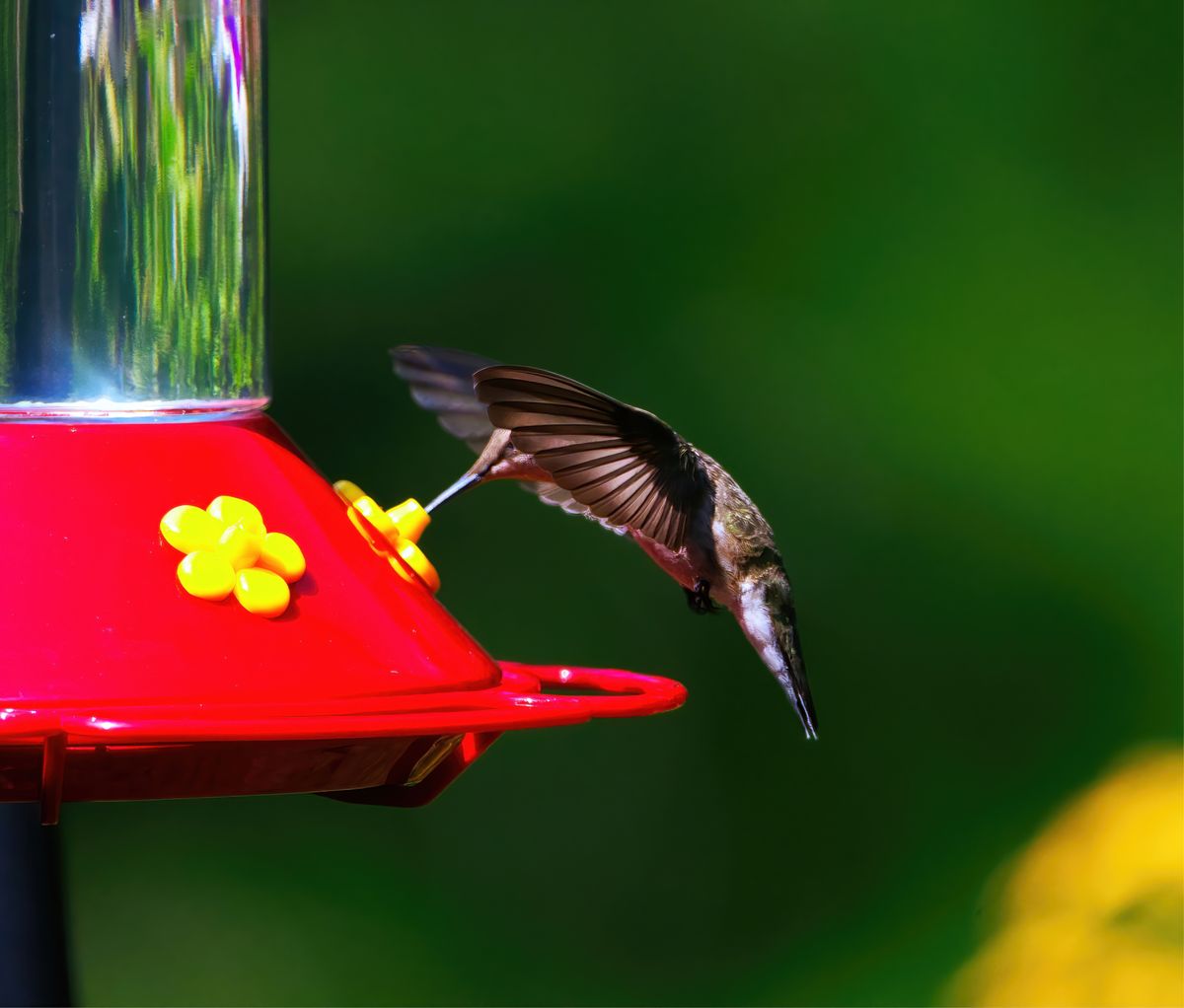
Photo by DANNIEL CORBIT on Pexels
- Minute 0–2: Disassembly — Unscrew top solar cap and set aside on a dry towel. Unscrew coated metal base from hand-blown glass reservoir and detach silicone gaskets.
- Minute 2–10: Vinegar Soak — Submerge glass bottle, metal base, and feeding port flowers in a warm bath of 4 parts water to 1 part white vinegar. Let soak for 8 minutes.
- Minute 10–12: Detail Scrubbing & Solar Wipe — Scrub feeding ports and base channels using a small bottle brush. Wipe outer plastic solar cap and light sensor with a wrung-out damp microfiber cloth.
- Minute 12–15: Rinsing & Drying — Rinse glass and metal base thoroughly with cool water. Towel dry and allow all components to air-dry completely before refilling with fresh nectar.
Explore Related Maintenance & Garden Care Guides
Expand your knowledge on handcrafted glass care and drip-free outdoor feeder management:
- Hummingbird Feeder Gasket and O-Ring Maintenance: FAQs for a Drip-Free Garden
- How to Clean and Maintain Hand-Blown Glass Hummingbird Feeders Without Fading Color
- Twilight Nectar Care FAQ: Does Nighttime Solar Light Affect Nectar Freshness?
Frequently Asked Questions
Here are expert answers to standard solar feeder cleaning and maintenance questions.
Featured Easy-to-Clean Solar Feeder
Looking for an artisan handcrafted feeder engineered for simple disassembly and leak-proof performance?
Post-Cleaning Action Plan & Care Protocol
Your decision: Select your immediate maintenance path based on current feeder condition.
Do this next: Detach the solar cap, place it on a dry towel, and submerge the glass reservoir in a warm 4:1 water-to-white-vinegar bath for 15 minutes.
Related resource: Twilight Nectar Care FAQ: Does Nighttime Solar Light Affect Nectar Freshness?
🌟 LUJII Solar-Powered Hummingbird Feeder (32 oz Hand-Blown Glass) with Weather-Sealed Base.
Now that your solar feeder is sanitized, dry, and glowing, keep your outdoor setup performing reliably season after season.
Cover photo by Veronika Andrews on Pexels.