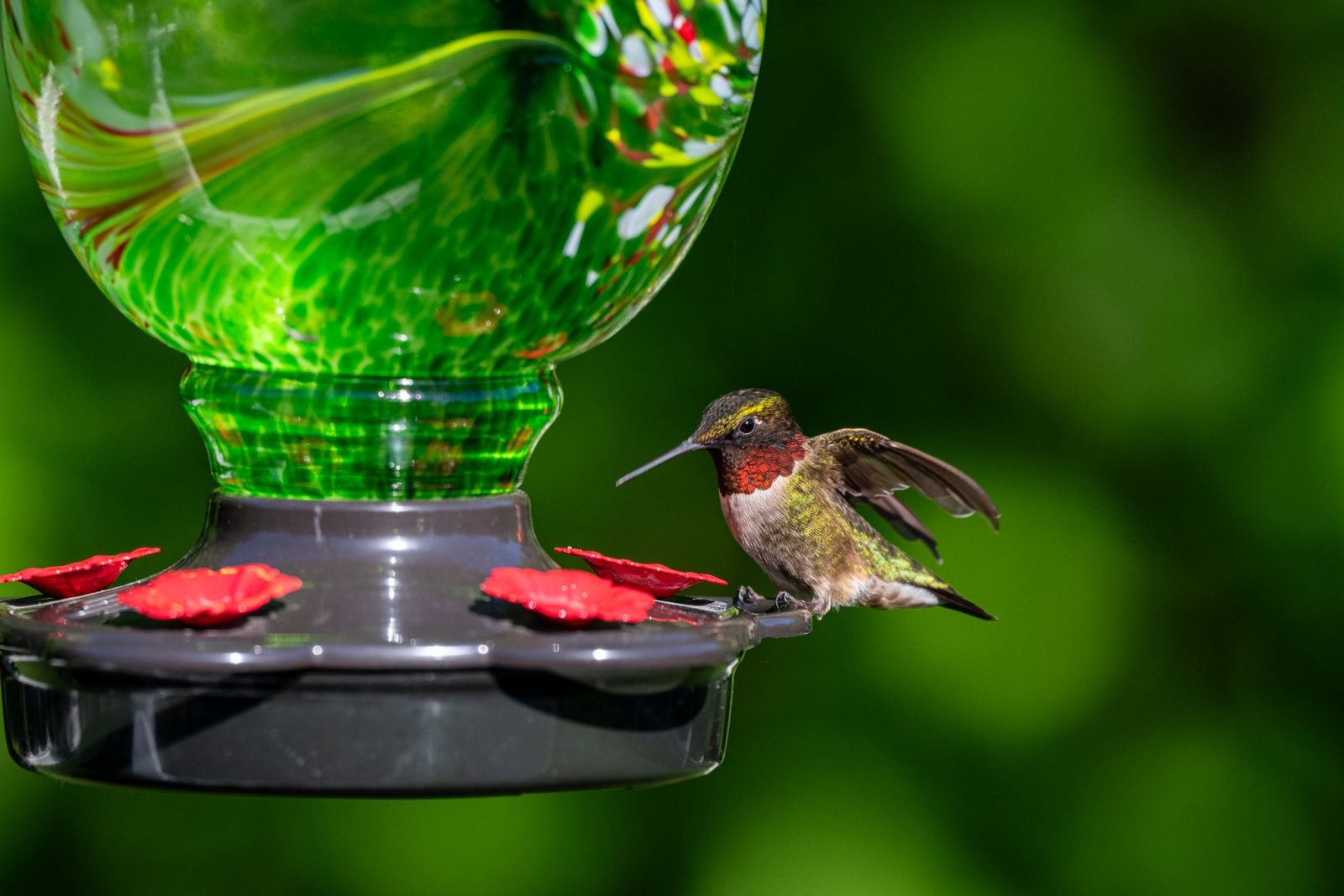
How to Clean a Hand-Blown Glass Solar Hummingbird Feeder Without Damage
Should you clean your hand-blown glass solar hummingbird feeder with boiling water or dish soap? Absolutely not. To safely sanitize your feeder without cracking the 2,300°F hand-blown glass or damaging top-cap solar electronics, isolate the cap completely, rinse the glass body with lukewarm water (under 100°F), and soak with a 1:4 white vinegar solution.
Essential Step-by-Step Feeder Cleaning Checklist
- [ ] Unscrew and detach the top solar electronic module; place it on a clean, dry towel.
- [ ] Empty all remaining nectar and flush the glass reservoir with lukewarm water (under 100°F).
- [ ] Fill glass reservoir with a 1:4 mixture of distilled white vinegar and warm water; soak for 15 minutes.
- [ ] Use a flexible soft-bristle bottle brush to gently clean internal curves without scratching glass interior.
- [ ] Disassemble metal base ports and silicone seal; scrub with mild soap and small port brush.
- [ ] Rinse all glass and metal parts thoroughly with clean water until vinegar aroma is completely gone.
- [ ] Wipe the solar top cap housing using a microfiber cloth lightly dampened with plain water—do not immerse.
- [ ] Air dry all components completely before refilling with fresh 4:1 sugar water nectar.
Printable Quick-Care Card for Gift Recipients
- NEVER submerge top solar cap in water; wipe housing clean with a damp cloth only.
- AVOID water over 100°F to protect hand-blown glass from fatal thermal shock.
- USE 1:4 distilled white vinegar to water solution for safe mold removal without stripping glass pigments.
- CLEAN every 2 days when ambient temperatures cross 90°F to prevent nectar fermentation.
- ALWAYS dry electrical contacts completely before reassembling and switching RGB lights on.
Visual Inspection: Identifying Nectar Buildup & Mold Spots
Inspect these critical zones before and after washing to ensure complete sanitation and structural integrity.
Safe Disassembly & Moisture Isolation Zones
Understanding the separation between washable artisan glass components and dry solar electronics is key to long-term feeder care.
Diagnostic Table: Cleaning & Post-Wash Solar Light Issues
| Failure Scenario | Probable Cause | Corrective Action |
| --- | --- | --- |
| RGB solar lights do not illuminate at dusk post-wash | Water penetrated solar cap housing or switch turned off during cleaning | Turn switch off, unscrew cap, dry battery chamber with dry microfiber cloth and silica gel for 24 hours in warm sunlight. |
| Glass reservoir appears cloudy or etched after rinsing | Hard water mineral deposits or abrasive scrubbing pad micro-scratches | Soak glass in pure white vinegar for 30 minutes; switch to soft nylon bottle brushes instead of steel wool. |
| Black mold flecks persist in deep glass curves | Inadequate soak time for sugar mold spores | Fill reservoir with 1:4 vinegar-water mix, add 1 tbsp uncooked rice, and swirl gently to scrub internal contours without scratching. |
| Nectar leaks rapidly from metal base after cleaning | Silicone gasket displaced or metal base misaligned during reassembly | Ensure rubber gasket sits completely flat in base recess before screwing glass body tight. |
If you experience performance issues after washing, use this diagnostic guide to troubleshoot lighting and seal problems.
Once all glass and metal components are sanitized and thoroughly air-dried, fill the 32 fl.oz reservoir with a freshly prepared 4:1 water-to-refined-sugar nectar solution. Reattach the sealed metal base securely to minimize drips, re-seat the dry solar cap, and verify that the power switch on the housing underside is toggled 'ON' so RGB lighting auto-activates at twilight.
Core Principles of Hand-Crafted Solar Feeder Maintenance
- Protect Solar Module: The plastic solar top shield withstands ambient rain, but submersing it in water will ruin internal circuits and battery leads.
- Prevent Thermal Shock: Hand-blown glass crafted at 2,300°F expands rapidly under hot water; keep washing temperatures under 100°F.
- Skip Harsh Chemicals: Vinegar dissolves organic mold cleanly without stripping glass pigments or leaving harmful chemical residue for birds.
- Maintain Nectar Freshness: High summer temperatures accelerate fermentation, requiring more frequent 48-hour cleaning cycles.
Seasonal & Temperature-Based Cleaning Frequency Matrix
- Above 90°F (32°C) — Clean and refill every 2 days; shade feeder during peak afternoon sun.
- 80°F - 89°F (27°C - 31°C) — Clean and refill every 3 days; check solar top panel for dust buildup.
- 70°F - 79°F (21°C - 26°C) — Clean and refill every 4 days; inspect base silicone gaskets for tight seal.
- Below 70°F (21°C) — Clean and refill every 5 to 7 days; wipe down solar glass panel weekly.
Failure Modes: 5 Critical Cleaning Mistakes to Avoid
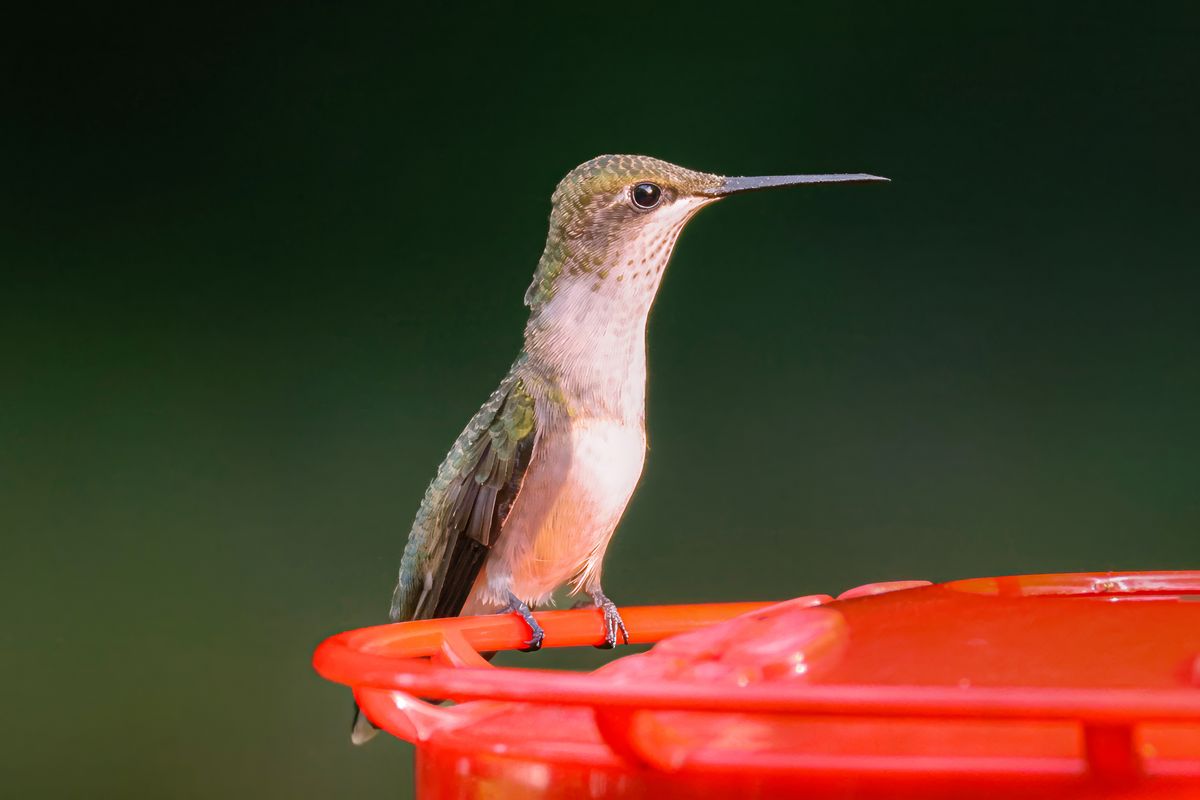
Photo by David Kanigan on Pexels
Avoid these five high-risk errors to keep your handcrafted glass intact and your solar lights operational.
Typical Washing & Re-Assembly Timeline (15 Minutes)
- 0:00 - 2:00 — Detach solar cap and place on dry towel; pour out old nectar into sink.
- 2:00 - 5:00 — Rinse glass reservoir with lukewarm water and fill with 1:4 vinegar solution.
- 5:00 - 10:00 — Scrub metal base ports with soft bottle brush while glass reservoir soaks.
- 10:00 - 12:00 — Flush glass with clean lukewarm water until vinegar smell dissipates completely.
- 12:00 - 15:00 — Wipe solar housing with micro-damp cloth, air dry, refill, and rehang in sunny spot.
Further Resources for Artisan Garden Feeder Owners
Expand your knowledge on solar battery preservation, garden placement, and hummingbird safety:
Frequently Asked Questions About Glass & Solar Light Care
Can I put my hand-blown glass hummingbird feeder in the dishwasher?
Strongly advise against dishwashers. Rapid temperature changes and harsh sprays can shatter handcrafted glass blown at 2,300°F and ruin protective seals.
What should I do if water gets inside the solar light housing?
Immediately remove the battery cap, turn off the light switch, and place the module upside down in a warm, dry area with silica packets for 24-48 hours before testing.
Will white vinegar strip the beautiful colors off my hand-blown feeder?
No. Hand-blown glass incorporates colors directly into the glass matrix at 2,300°F during hand shaping. Vinegar dissolves sugar and mold without fading glass patterns.
How often should I clean the feeder in mid-summer heat?
When temperatures exceed 90°F, clean and refill every 2 days to prevent dangerous black mold growth and nectar fermentation.
Clear answers to common maintenance questions regarding solar feeder care.
Recommended Artisan Solar Hummingbird Feeders
Enhance your outdoor sanctuary with our signature handcrafted solar glass hummingbird feeder.
Your Action Plan for Pristine Solar Feeder Maintenance
Your decision: Decide whether your feeder needs a quick routine rinse or a deep 1:4 vinegar soak for stubborn mold.
Do this next: Detach the top solar cap, place it in a dry area, and perform a lukewarm vinegar rinse on the glass body.
Related resource: Artisan Glass Hummingbird Feeder FAQ: Care, Cleaning, and Placement Secrets🌟 LUJII Solar-Powered Hand-Blown Glass Hummingbird Feeder 🌟
Take immediate action to ensure your birds stay healthy and your garden stays glowing night after night.