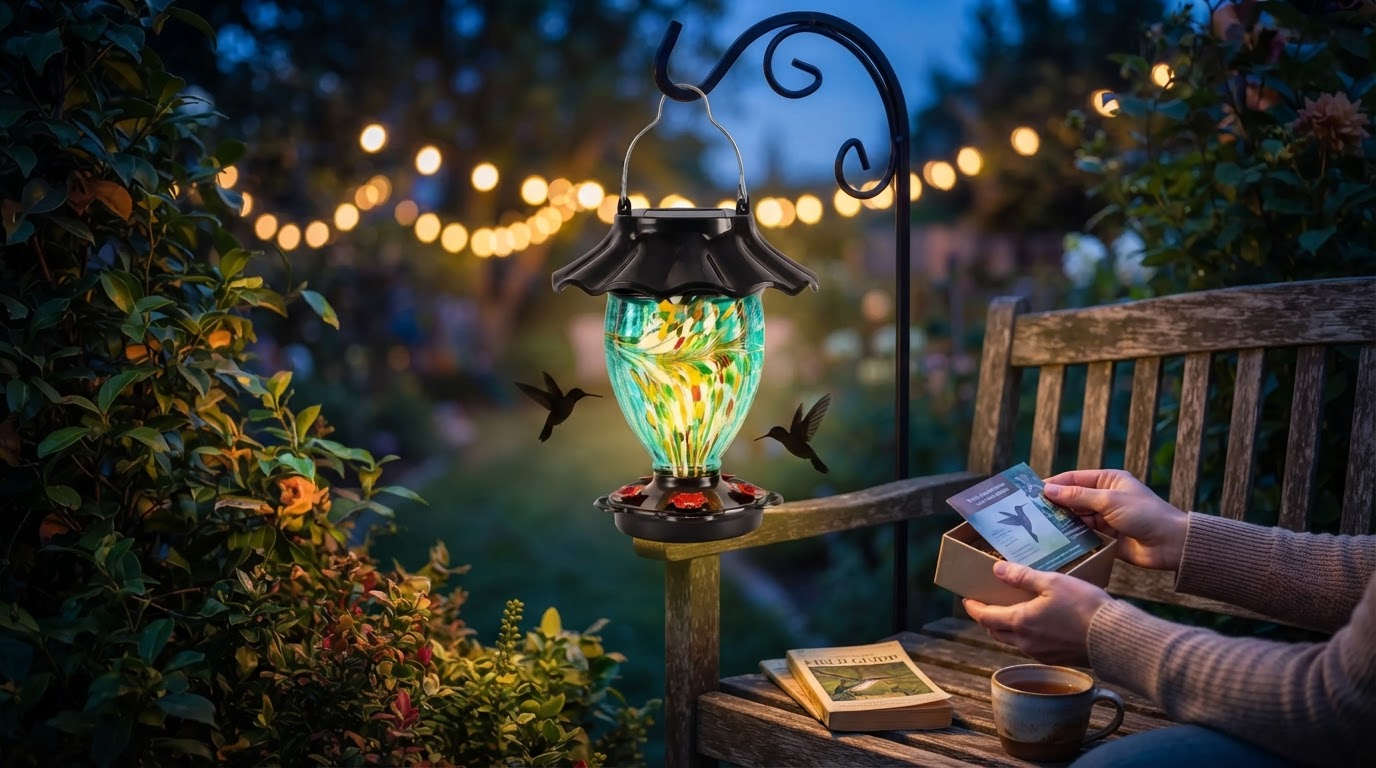
Choosing a Solar Hummingbird Feeder for Nighttime Viewing
 Sam VasquezBuying Guide Lead
September 1, 2026. This review examines the performance and utility of current solar-integrated nectar stations to help you select a durable model for your garden. It is intended for backyard birders who want to transition from standard plastic bottles to illuminated or camera-equipped units.
The Shift Toward Integrated Solar Technology
Traditional birding equipment has long relied on manual observation, but the rise of integrated technology has changed how we interact with migratory species. Many enthusiasts are now looking for a solar hummingbird feeder that does more than just hold sugar water. The primary issue with standard feeders is visibility; once the sun sets, the activity in your garden effectively vanishes from sight. According to WIRED, the Pro Smart Solar Hummingbird Feeder by Bird Buddy has addressed some of these visibility and power issues with a built-in solar panel that works effectively, though the camera doesn't always capture every single bird that visits. This highlights a common trade-off: you either get high-tech monitoring with potential software gaps or simpler illumination that focuses on aesthetics. Recent search trends show a massive spike in interest for a hanging solar bird feeder for outdoors, suggesting that owners are moving away from ground-staked models in favor of elevated, predator-safe options. The challenge remains finding a balance between a functional feeding port and a reliable power source that doesn't require constant battery swaps.
Performance Standards for Solar Hummingbird Feeder Models
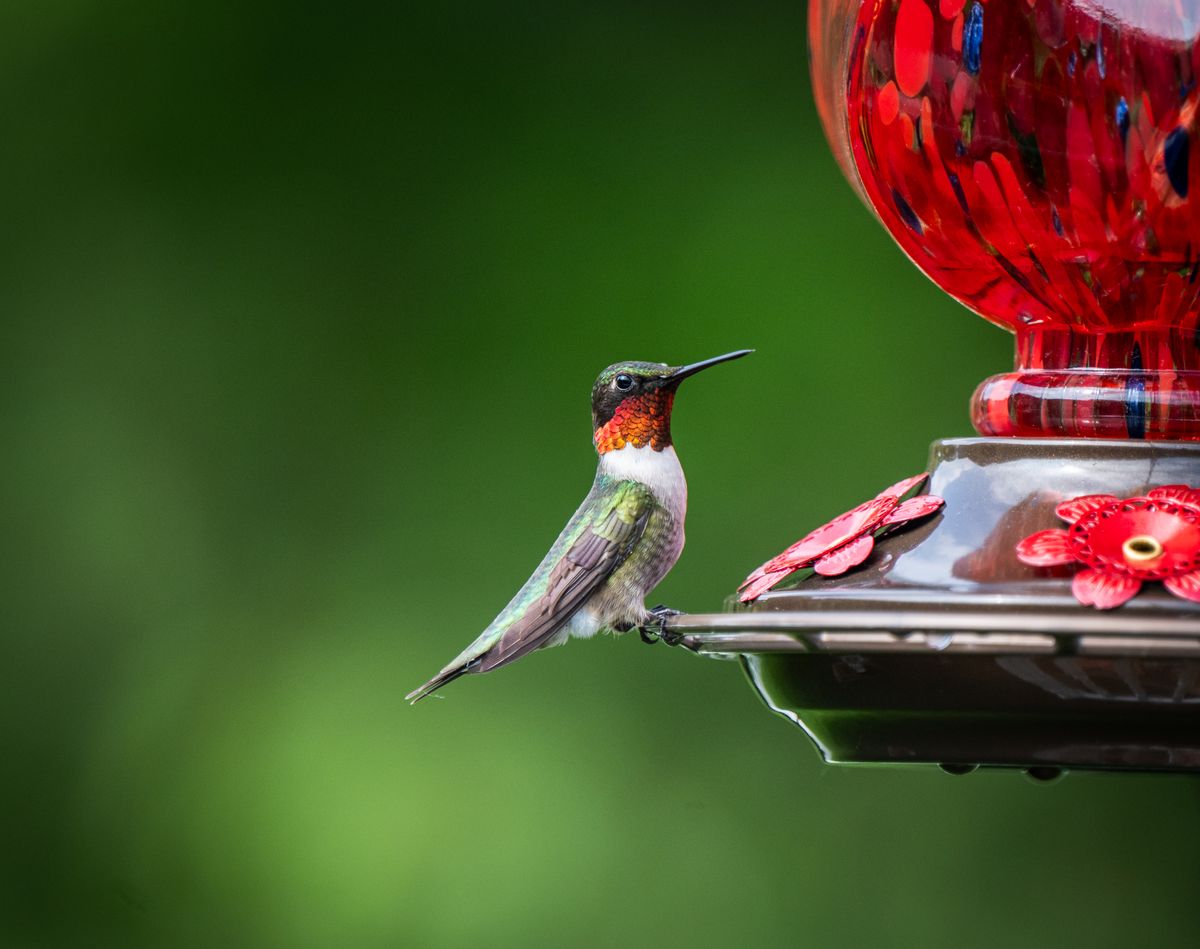
When I look at the current market, the Solar Hummingbird Feeder brand focuses on two specific pain points: durability and light duration. Many cheaper glass solar hummingbird feeder models use thin, painted glass that flakes over time, but the higher-end units utilize thick-walled, weather-resistant materials designed for 24/7 outdoor exposure. If you are comparing high-tech options, the Netvue Birdfy and Bird Buddy are frequently cited in community discussions as the standard for smart monitoring. Between these two, I'd go with the Netvue if you want a more consistent 1080P HD video stream, as noted in user discussions on Facebook. However, if you are looking for pure ease of setup, the Kiwibit Bird Feeder 2 features a roof-mounted solar panel that takes only 10 minutes to get running. A hummingbird feeder with solar light serves a different purpose than a camera feeder; it acts as a beacon for late-arriving birds and a garden centerpiece. Here's what I'd actually buy: for a pure observation setup, a best solar powered hummingbird feeders list will point you toward the Solar Hummingbird Feeder for its reliability, but if you need AI species identification, the Kiwibit is the current frontrunner for speed and accuracy.
Framework for Selecting Your Feeder
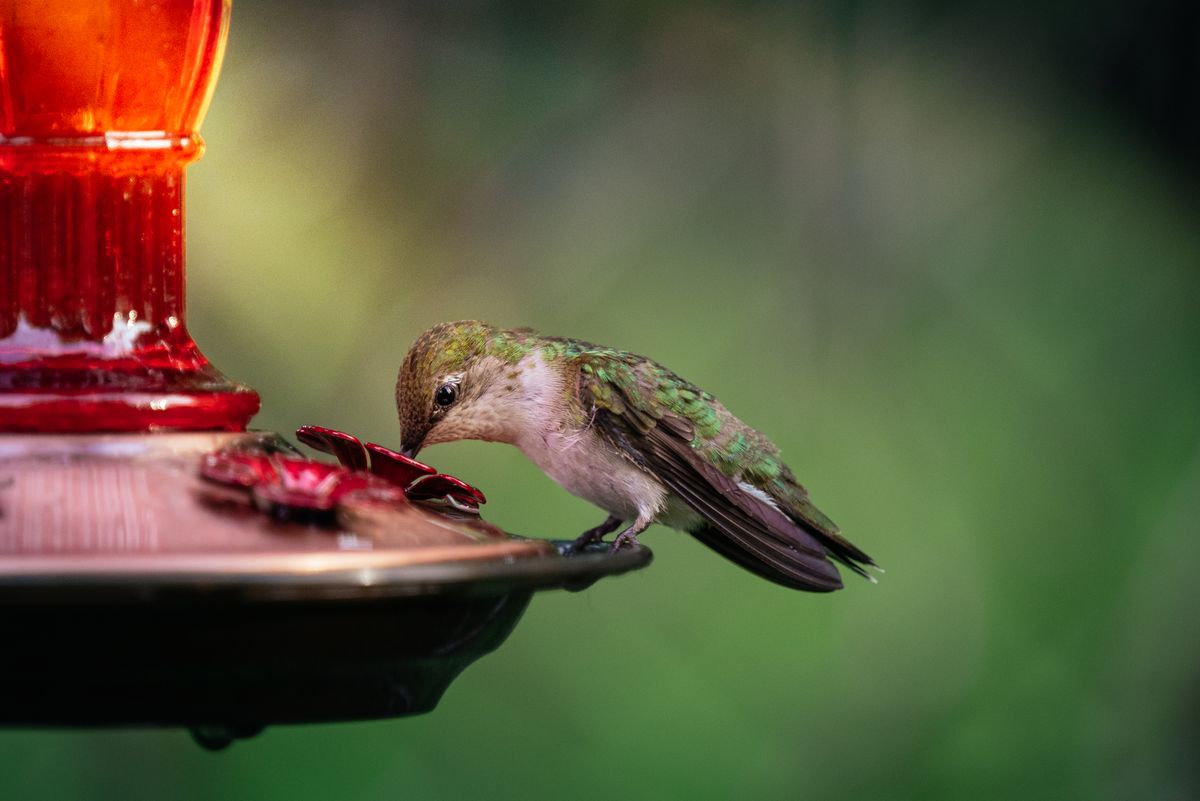
Selecting the right unit depends entirely on your backyard environment and how much time you want to spend on maintenance. Skip this if you aren't prepared to clean the nectar ports every three days; solar components do not reduce the need for hygiene. If you're on a budget, a basic solar hummingbird feeder with a simple LED top is often more reliable than a cheap camera unit that will struggle with Wi-Fi connectivity. When vetting a new purchase, use this checklist to ensure the model meets modern standards:
- Ensure the solar panel is integrated into the lid to prevent water ingress into the battery compartment.
- Verify the nectar capacity; 12 to 20 ounces is the sweet spot for preventing spoilage while maintaining a steady supply.
- Check for "bee guards" or narrow ports to prevent insects from draining the reservoir.
- Look for a hummingbird feeder with solar light that features an automatic dusk-to-dawn sensor to preserve battery life.
- Confirm the hanging apparatus is made of powder-coated metal rather than thin plastic to withstand wind.