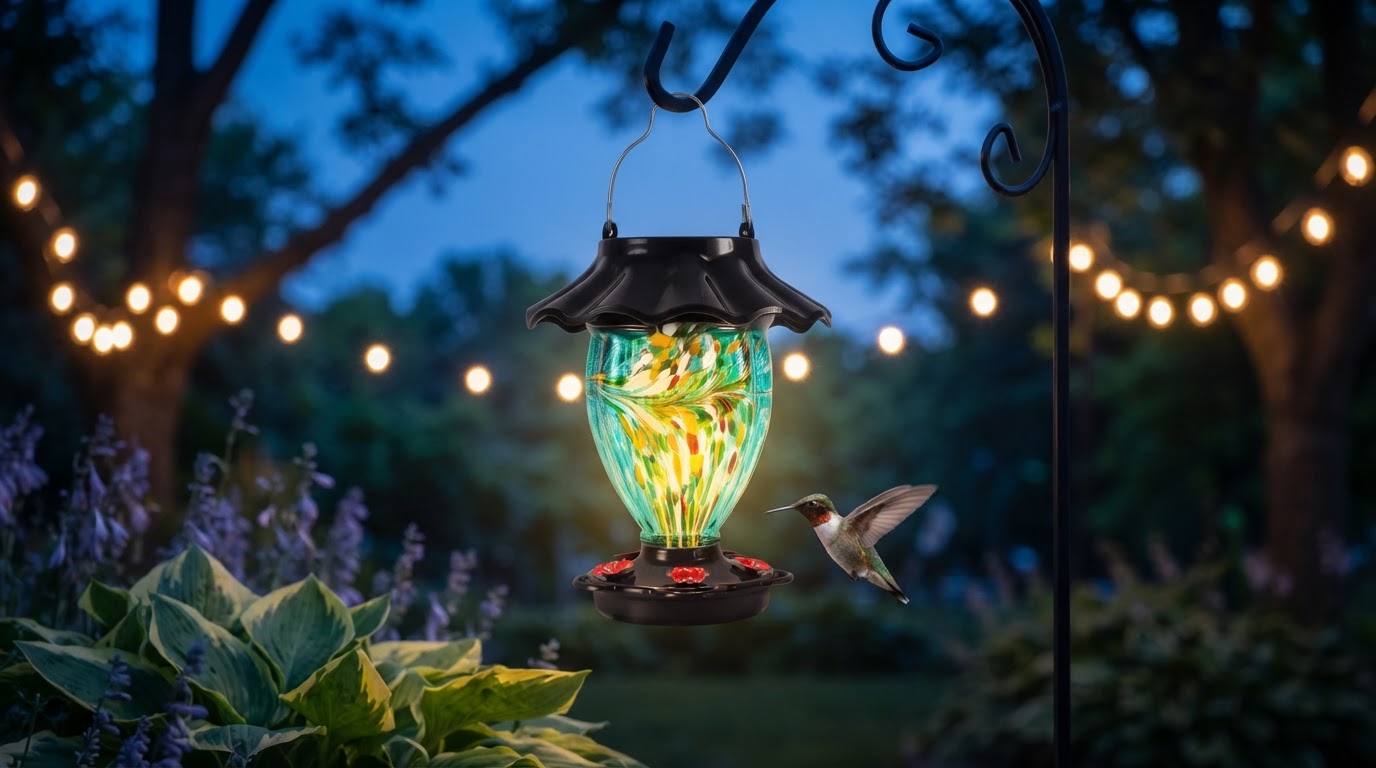
Why should I choose a Solar Hummingbird Feeder with lights?
 Priya RamanSenior Analyst
September 7, 2026 — Choosing a Solar Hummingbird Feeder with integrated lighting offers a dual-purpose solution for garden aesthetics and late-dusk bird activity, provided the unit receives at least six hours of direct sunlight.
Property owners often seek these devices to bridge the gap between functional wildlife support and decorative landscape illumination. The integration of photovoltaic cells into feeding stations addresses the common desire for "hanging solar bird feeders for outdoors" that remain visible after sunset. Understanding the utility of these devices requires a specific framework for evaluation.
Two axes matter here: the efficiency of the energy conversion and the structural integrity of the feeding ports. Think of it as a matrix of light duration versus nectar preservation. When these two factors align, the feeder transitions from a simple garden ornament into a reliable piece of backyard infrastructure.
How does the solar light function in a glass feeder?
The solar light in a glass feeder functions by converting daylight into electrical energy stored in a small internal battery, which then triggers an LED sensor at dusk. According to Nature's Way Bird Products, specific LED solar units are designed for use in top-fill hand-blown glass feeders, often featuring leak-free gaskets to protect the electronic components from nectar exposure. The decision rule for performance is simple: the quality of the glass determines the light refraction. Blown glass models, such as those in the LunaLite collection from Echo Valley, serve as individual works of art that diffuse the LED glow through unique textures and colors, enhancing the visual appeal of the garden without disturbing the birds' natural sleep cycles. Once you see it this way, the light is less about attracting the birds at night—since hummingbirds are diurnal—and more about human visibility and safety in the landscape.
What are the maintenance requirements for lighted feeders?
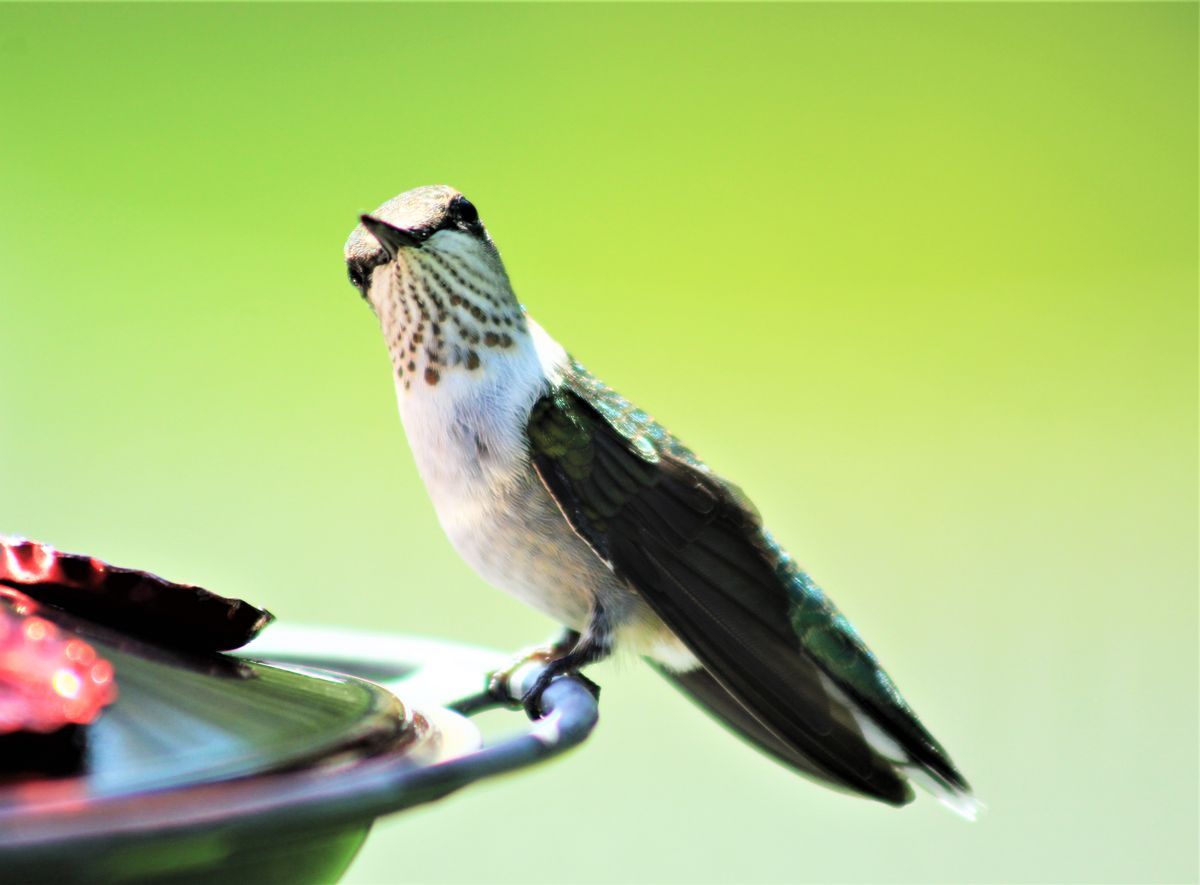
Maintenance for lighted feeders requires a specialized cleaning routine that protects the solar panel while ensuring the nectar remains fresh and free from mold. A critical aspect of this maintenance involves checking the seal between the solar housing and the glass reservoir to prevent moisture ingress, which can lead to battery failure. In a review of the DesGully Solar Hummingbird Feeder, users noted the importance of positioning the feeder to maximize sun exposure for the top-mounted panel while keeping the nectar bottle shaded to prevent fermentation. The decision rule for maintenance is to prioritize the nectar's hygiene; even the most beautiful solar light is secondary to the health of the hummingbirds. Owners should wipe the solar panel with a damp cloth weekly to remove dust and bird droppings that can block UV rays, ensuring the 2-to-12 day delivery of consistent light performance expected from high-quality units.
Quick answers
Q: Do solar lights on feeders disturb hummingbirds at night? A: No, hummingbirds enter a state of torpor at night to conserve energy and are generally unaffected by the low-lumen LED glow typical of these feeders. Most units, like those from Echo Valley, use soft-spectrum lighting that does not interfere with avian sleep patterns.
Q: How long does the light stay on after a full charge? A: A standard solar hummingbird feeder with a healthy battery will typically stay illuminated for 6 to 8 hours. This duration depends heavily on the placement of the solar panel and whether it received direct sunlight for at least 6 hours during the day.
Q: Can I convert a regular glass feeder into a solar one? A: Yes, enthusiasts in the "We Love Hummingbirds" community have successfully used DIY methods, such as repurposing glass votives or chandeliers and adding standalone solar lights. However, for reliability, using a purpose-built LED solar unit from a manufacturer like Nature's Way is often more effective at preventing leaks.
Q: Are solar hummingbird feeders weather-resistant? A: Most commercial models are designed for outdoor use, but their lifespan is extended if they are brought indoors during extreme freezing temperatures. The hand-blown glass components are durable, but the internal batteries in solar units may degrade faster if exposed to consistent moisture or temperature extremes.
To better understand how to select a model, consult the /blog/solar-hummingbird-feeder-evaluation-framework. For those focused on aesthetic placement, read about /blog/choosing-solar-hummingbird-feeder-night-viewing. You can also find tips on maintenance in our guide on /blog/what-is-best-way-to-use-solar-hummingbird-feeder.
Learn more about Solar Hummingbird Feeder at https://solarhummingbirdfeeder.com.
Sources
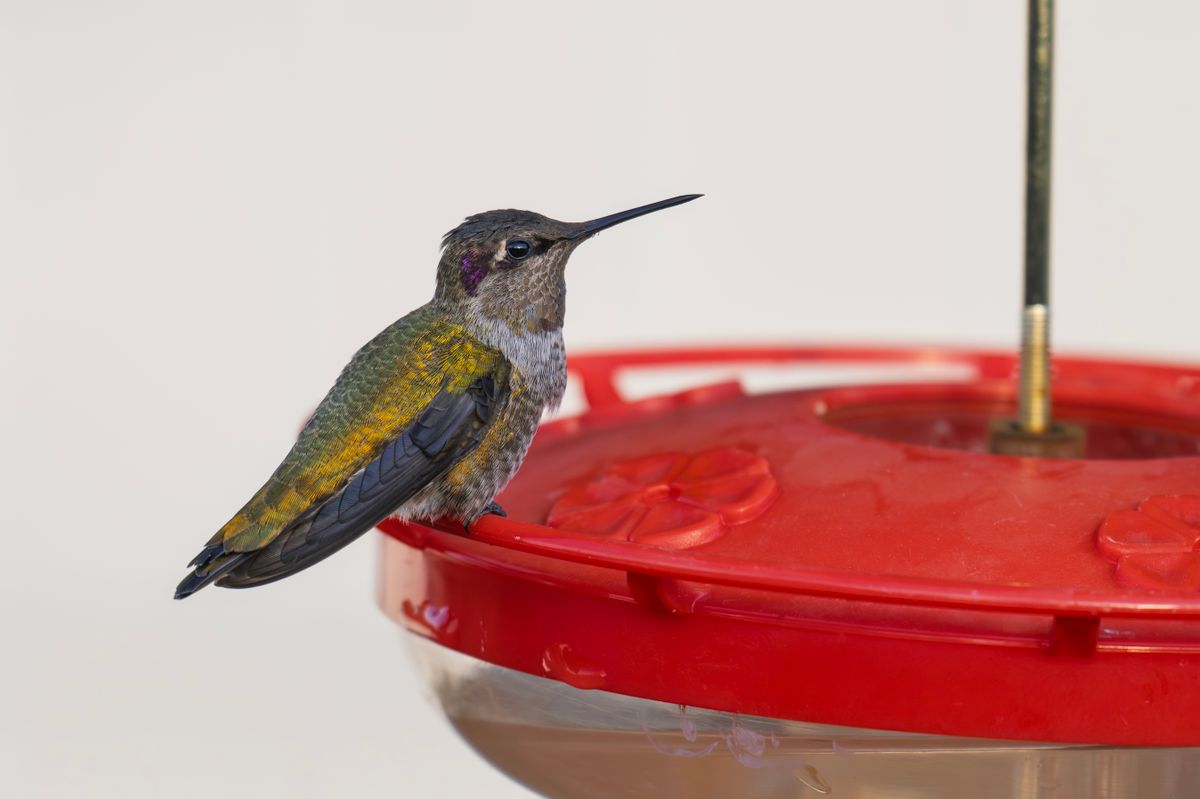
Photo by Frank Cone on Pexels
- LunaLite Hummingbird Feeders - EchoValley.com
- LED solar unit - Nature's Way Bird Products
- DIY hummingbird feeder with solar lights - Facebook