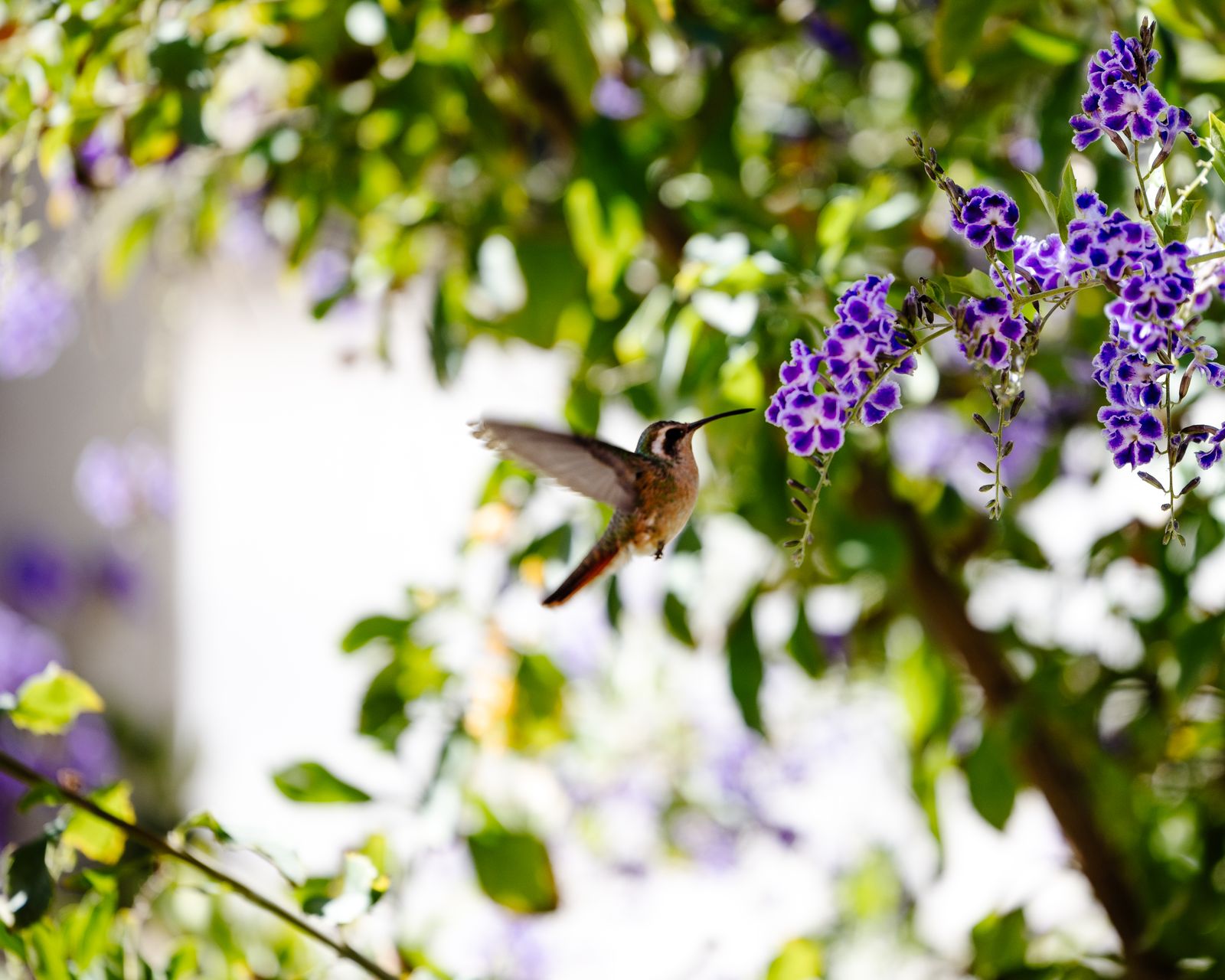
How to Attract Hummingbirds to Your Patio for Micro-Meditation
Can you attract hummingbirds to a paved patio for micro-meditation? Yes. Position a leak-proof solar feeder 5 feet high, 10–15 feet from seating, alongside container nectar plants like salvia. This creates a secure sightline, shielding birds while allowing you 5-to-10-minute quiet observation sessions during dawn and dusk feeding peaks.
Patio Sanctuary Technical Specifications
| Parameter | Target Specification | Rationale / Avian Ecology Impact |
| --- | --- | --- |
| Feeder Mounting Elevation | 5 feet (60 inches) above floor | Matches human eye level when seated; keeps nectar safe from pets while giving hummingbirds a clear escape vector. |
| Observation Seating Distance | 10 to 15 feet from feeder | Maintains an optimal buffer zone; prevents lateral human arm movements from triggering fight-or-flight reactions. |
| Solar Battery Sunlight Exposure | 4 to 6 hours direct daily sun | Charges the top-mounted solar cap sufficiently to power 8 hours of soft RGB evening lighting without heating nectar. |
| Container Plant Buffer Count | 2 to 4 heavy potted floral clusters | Dampens radiant floor heat from concrete or stone while creating staging perches before birds approach feeder. |
| Nectar Solution Concentration | 4:1 Water-to-White-Sugar Ratio | Mimics natural floral nectar osmolality without synthetic dyes or preservatives that cause liver toxicity. |
Review these baseline technical criteria when configuring your patio environment for wildlife-centered mindfulness.
Visual Layout Blueprint: The Micro-Meditation Patio Sanctuary
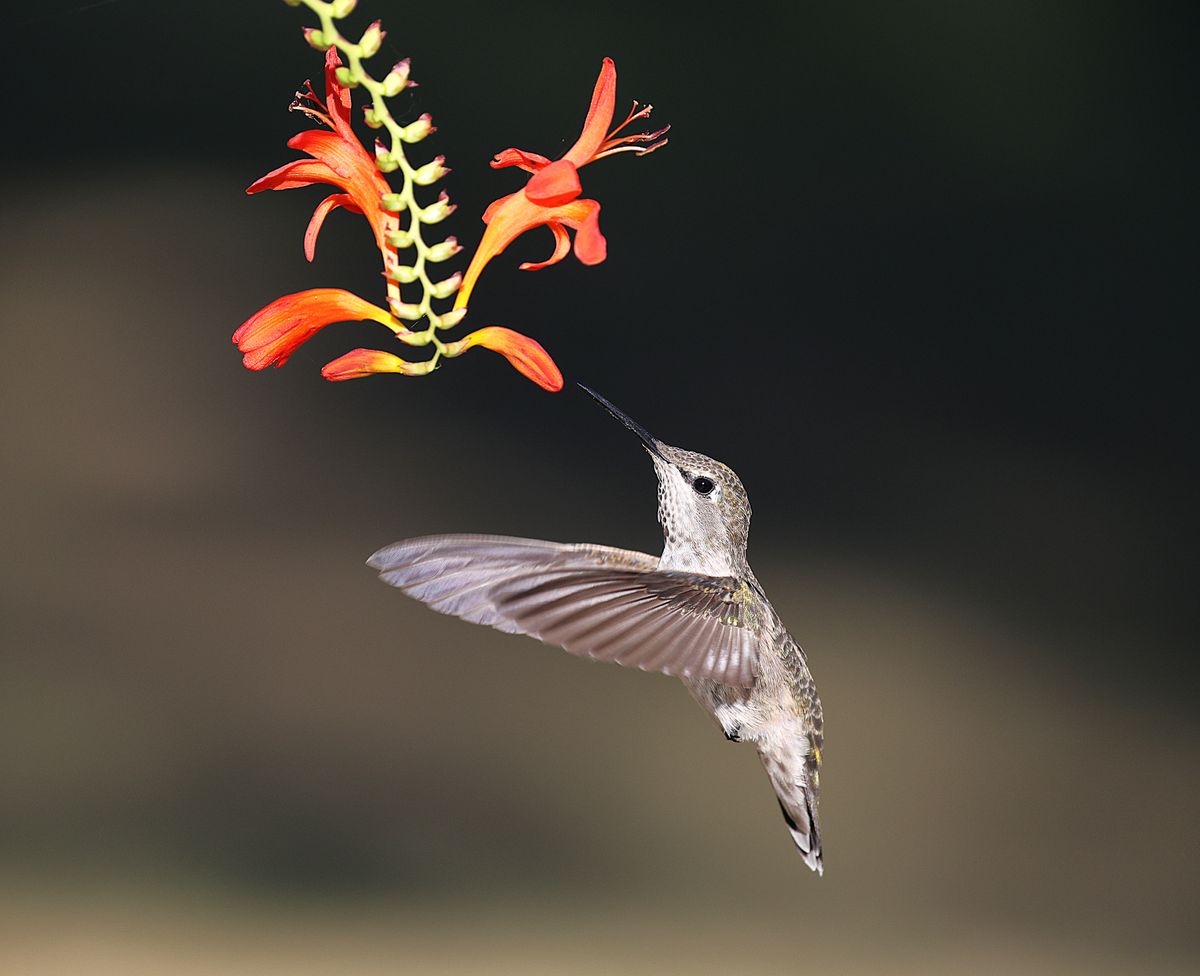
Photo by Veronika Andrews on Pexels
Follow this spatial blueprint to arrange your seating, container floral buffers, and solar feeder for maximum visual calm and hummingbird security.
Recommended Anchor Hardware for Patio Sanctuaries
To build an enduring patio oasis, your anchor feeder must withstand environmental stress while maintaining hygiene and visual beauty.
Featured Anchor: 🌟 LUJII Solar-Powered Hand-Blown Glass Hummingbird Feeder
- Hand-Crafted Artistry: 2,300°F hand-blown glass reservoir featuring vivid translucent patterns that allow easy nectar level monitoring.
- Solar Evening Glow: Integrated solar cap charges in daylight and automatically activates soft RGB lights for up to 8 hours of twilight beauty.
- Leak-Proof Engineering: 32 fl. oz. capacity with a slender reservoir and precision-sealed rust-proof metal base to eliminate sticky drips.
- Weather Protection: Protective plastic solar lid shields nectar from direct UV degradation, rain, and snow.
Patio Sanctuary Setup & Daily Mindfulness Checklist
Complete these steps before starting your daily patio micro-meditation practice:
- [ ] Position Observation Chair: Place your seating 10 to 15 feet away from the intended feeder hanging location.
- [ ] Mount Hanger Rail: Install a sturdy deck hook or shepherd's pole ensuring the feeder base rests exactly 5 feet off the ground.
- [ ] Establish Thermal Buffers: Surround the patio area with at least two high-nectar potted plants (e.g., Salvia or Agastache) on elevated plant stands or woven rugs to insulate against paver heat.
- [ ] Verify Solar Orientation: Ensure the feeder lid receives 4 to 6 hours of unshaded sunlight while the glass body remains shielded from harsh afternoon heat.
- [ ] Prepare Safe Nectar: Mix 1 part pure white cane sugar into 4 parts boiling water, cool completely, and fill the 32 oz hand-blown glass reservoir.
- [ ] Engage Silent Mindfulness: Set electronic devices to silent and sit motionless for 5 to 10 minutes during peak feeding windows at dawn or dusk.
Mindfulness Architecture: Aligning Feeder Placement with Natural Sightlines
Hummingbirds do not fear human presence; they fear unpredictable lateral motion. When designing a patio sanctuary, position potted container plants (like high-growing Salvia) slightly in front of your meditation chair. This acts as a visual 'blind'. You can breathe, open your eyes, and watch them hover just 10 to 12 feet away without your minor posture shifts setting off their rapid escape reflexes.
Patio Sanctuary & Micro-Meditation Frequently Asked Questions
Answers to key setup and behavioral questions for patio mindfulness spaces.
Initial Action Steps for Patio Setup
Your decision: Determine your patio's sun orientation and select an offset, shaded hanging point 10-15 feet from your meditation chair.
Do this next: Mount a 5-foot rail pole, install a thermal-dampening container floral cluster, and hang a solar hand-blown glass feeder to initiate daily twilight micro-meditations.
- Read next: Do Hummingbirds Feed at Night? Understanding Dusk Behavior Around Illuminated Feeders
- Read next: Hand-Blown Glass vs. Plastic Hummingbird Feeders: Aesthetic and Durability Compared
🌟 LUJII Hand-Blown Solar Hummingbird Feeder with RGB Lighting Modes (32 oz Capacity)
Get started by selecting your hanging point and placing your order.
Core Principles of Patio Wildlife Mindfulness
- Thermal Management: Paved concrete surfaces reflect radiant heat upward. Protect nectar fresh time by placing outdoor rugs or container pots under hanging feeders.
- Spatial Sightlines: Maintain a strict 10–15 foot distance vector between reading chairs and feeding ports to cultivate trust with wild hummers.
- Dual Sensory Anchor: Hand-blown glass offers rich morning colors, while ambient solar RGB illumination extends sensory focus into evening twilight sessions.
- Nectar Hygiene: Large 32 oz capacity feeders require full cleaning and refilling every 3 to 4 days (or every 2 days in midsummer heat) to prevent bacterial mold growth.
Choosing the Right Patio Setup for Your Space
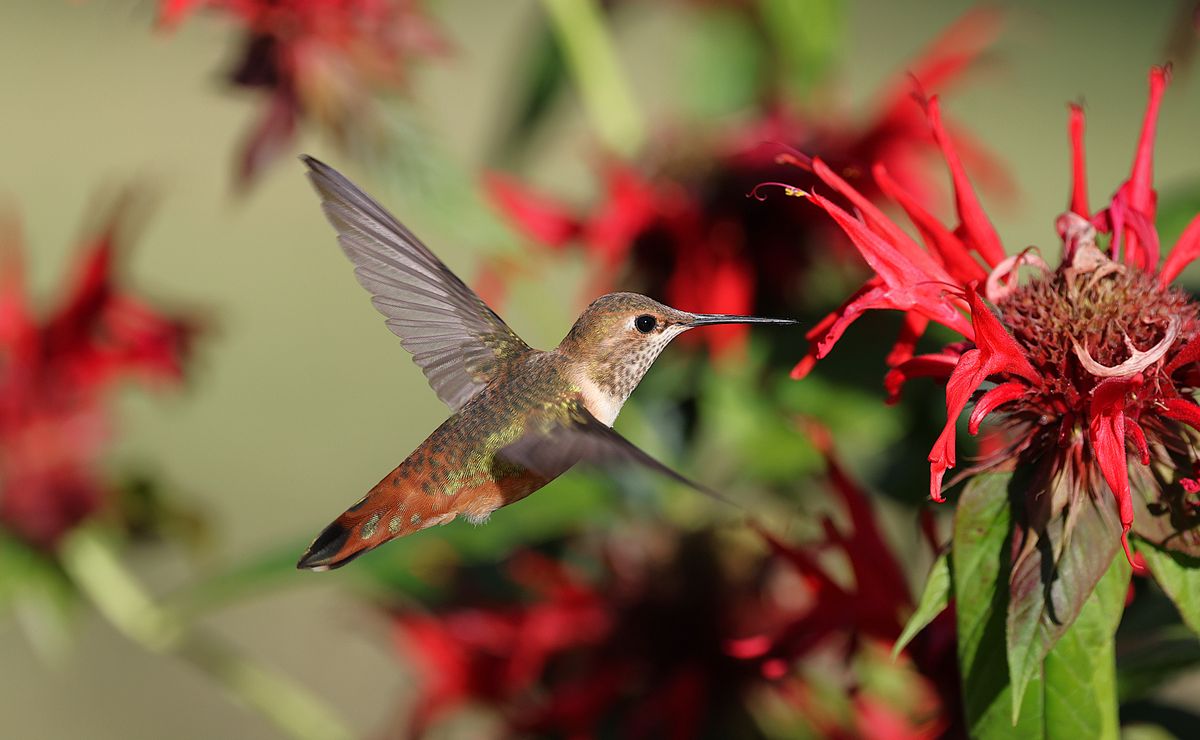
Photo by Veronika Andrews on Pexels
Attracting hummingbirds to paved outdoor areas requires counteracting hard surface heat radiation and human foot traffic using vertical layering and buffered sightlines.
Best choice for
- Triangular 3-Zone Sanctuary — Allows a full 12-foot buffer zone between seating and feeders while incorporating potted shrub buffers.
- Vertical Rail-Mounted Layering — Uses railing hooks at 5 ft elevation combined with hanging fuchsia to maximize limited square footage.
- Hanging feeders directly above dark concrete slabs exposed to direct afternoon sun without shade cloth or potted plant dampening.
- Placing seating closer than 6 feet from the main feeding station if foot traffic is constant.
- Window-Mounted Feeder with Container Garden Base — Ideal if railing or overhead hanging points are prohibited by HOA or lease rules.
The primary reason patio hummingbird feeders fail is thermal radiation from hard surfaces. Concrete pavers, slate tiles, and wooden deck boards absorb solar energy throughout the morning and re-radiate it upward during late afternoon. This ambient thermal cloud can push nectar temperatures well past 100°F (38°C), causing rapid fermentation, sugar crystallization, and dangerous bacterial blooms within 24 to 48 hours.
When nectar ferments, wild hummingbirds quickly detect alcohol byproducts and acidity, permanently blacklisting the feeder location. Furthermore, intense upward heat stresses the birds during their high-metabolic feeding hovers.
To neutralize patio heat traps:
By mitigating thermal failure modes first, you ensure clean, appealing nectar that draws hummingbirds consistently day after day.
Container Plant & Nectar Pairings for Paved Spaces
| Evaluation Criteria | Salvia (Autumn Sage) | Fuchsia (Gartenmeister) | Cuphea (Cigar Plant) | Penstemon (Beardtongue) |
| --- | --- | --- | --- | --- |
| Concrete Heat Resistance | High - Thrives on hot paved patios | Moderate - Requires afternoon shade | High - Excellent heat tolerance | Moderate - Needs well-drained soil |
| Bloom Window & Timing | Late Spring through Late Fall | Late Spring through Frost | Early Summer through Autumn | Late Spring to Mid-Summer |
| Nectar Yield & Attractant Rating | Very High (Tubular red blooms) | High (Drooping rich nectar) | Very High (Continuous bloomer) | High (Native favorite) |
| Container Space Footprint | Medium (2-3 gal pot required) | Medium (Hanging basket or pot) | Compact (1-2 gal pot) | Compact (1-2 gal pot) |
| Staging Perch Utility | Excellent (Stiff woody stems) | Moderate (Soft flexible stems) | Good (Dense twig branching) | Good (Upright floral spikes) |
Evaluate top patio-friendly container flowers across critical performance dimensions.
Patio Sanctuary Failure Modes (And How to Avoid Them)
Avoid these critical setup errors that prevent hummingbirds from frequenting your patio:
Placing Feeders directly over Unshaded Bare Concrete: Concrete acts as a thermal oven, spoiling nectar within 24 hours and creating hazardous micro-climates for hovering birds. Correction: Use outdoor rugs or container plant buffers underneath.* Sitting Too Close Without a Visual Buffer: Positioning seating under 5 feet from the feeder causes birds to view you as a potential predator. Correction: Maintain a 10 to 15-foot distance with intervening potted plant foliage.* Hanging Adjacent to High-Traffic Sliding Glass Doors: Sudden door openings and indoor reflections startle territorial hummers during feeding. Correction: Position feeders on offset side railings away from main patio entryways.* Neglecting Solar Lid Orientation: Placing solar caps under dense patio overhangs prevents full daytime battery recharge, leading to dim or inactive nighttime RGB lights. Correction: Ensure 4 to 6 hours of unshaded sunlight hits the cap daily.*
Handcrafted Solar Glass Feeders for Evening Sanctuary Glow
Transform your outdoor space into an enchanting wildlife retreat with our top-tier artisan feeder:
- Product: LUJII Solar Hand-Blown Glass Hummingbird Feeder
- Highlights:
Your Daily 5-Minute Micro-Meditation Routine
Your decision: Determine your patio's sun orientation and select an offset, shaded hanging point 10-15 feet from your meditation chair.
Do this next: Mount a 5-foot rail pole, install a thermal-dampening container floral cluster, and hang a solar hand-blown glass feeder to initiate daily twilight micro-meditations.
- Read next: Do Hummingbirds Feed at Night? Understanding Dusk Behavior Around Illuminated Feeders
- Read next: Hand-Blown Glass vs. Plastic Hummingbird Feeders: Aesthetic and Durability Compared
🌟 LUJII Hand-Blown Solar Hummingbird Feeder with RGB Lighting Modes (32 oz Capacity)
Follow these structured steps to complete your sanctuary transition.
Expand Your Mindful Backyard Haven
Link readers to related cluster guides on solar lighting and feeder care.
Cover photo by Josh Withers on Pexels.