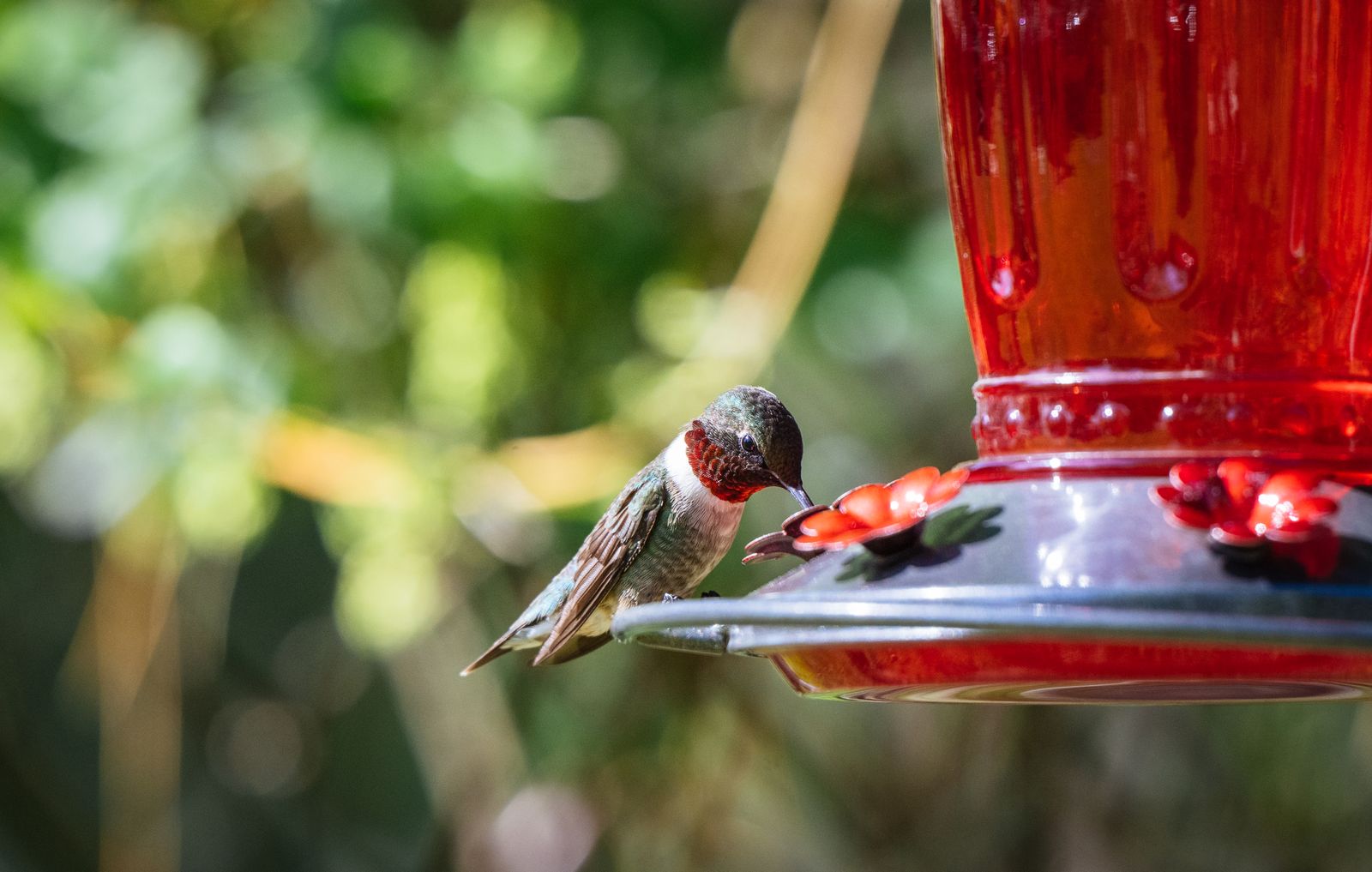
How to Attract Hummingbirds at Dusk: Twilight Garden & Lighting Guide
Can you safely attract hummingbirds to your garden during sunset without disrupting their essential night roosting or attracting predators? Yes—by positioning soft, downward-directed ambient light (<3000K warm white or RGB red/warm modes) directly over feeder ports and planting moonlight-reflecting pale flowers nearby, you provide crucial dusk calories without blinding crepuscular foragers.
Twilight Garden Environmental Specifications Matrix
| Technical Criteria | Optimal Twilight Feeder Setup | Suboptimal / Failure Mode Setup |
| --- | --- | --- |
| Illumination Intensity (Lux) | 5 to 15 Lux (Soft downward ambient ambient glow) | >50 Lux (Harsh glare startling dusk foragers) |
| Color Temperature (Kelvin) | 2700K–3000K Warm White or Soft Red/RGB spectrum | >5000K Cool Blue White (Disrupts avian circadian rhythms) |
| Light Beam Direction | Downward cone focusing solely on feeder ports & perches | Upward casting beams penetrating roosting canopy trees |
| Nectar Solution Ratio | 1 part pure white refined sugar to 4 parts boiled water | Store-bought red dye solutions or honey mixes |
| Feeder Mounting Elevation | 5.0 feet above ground level on a slim metal post | <4.0 feet or hung directly against jumpable fence rails |
| Proximity to Cover | 10 to 15 feet from dense protective shrubs | Exposed open yard (>30 feet) or buried deep inside thickets |
To prevent high-intensity light glare from blinding late-foraging birds or disrupting their torpor state, follow these precise environmental thresholds.
Visualizing the Twilight Garden Layering System
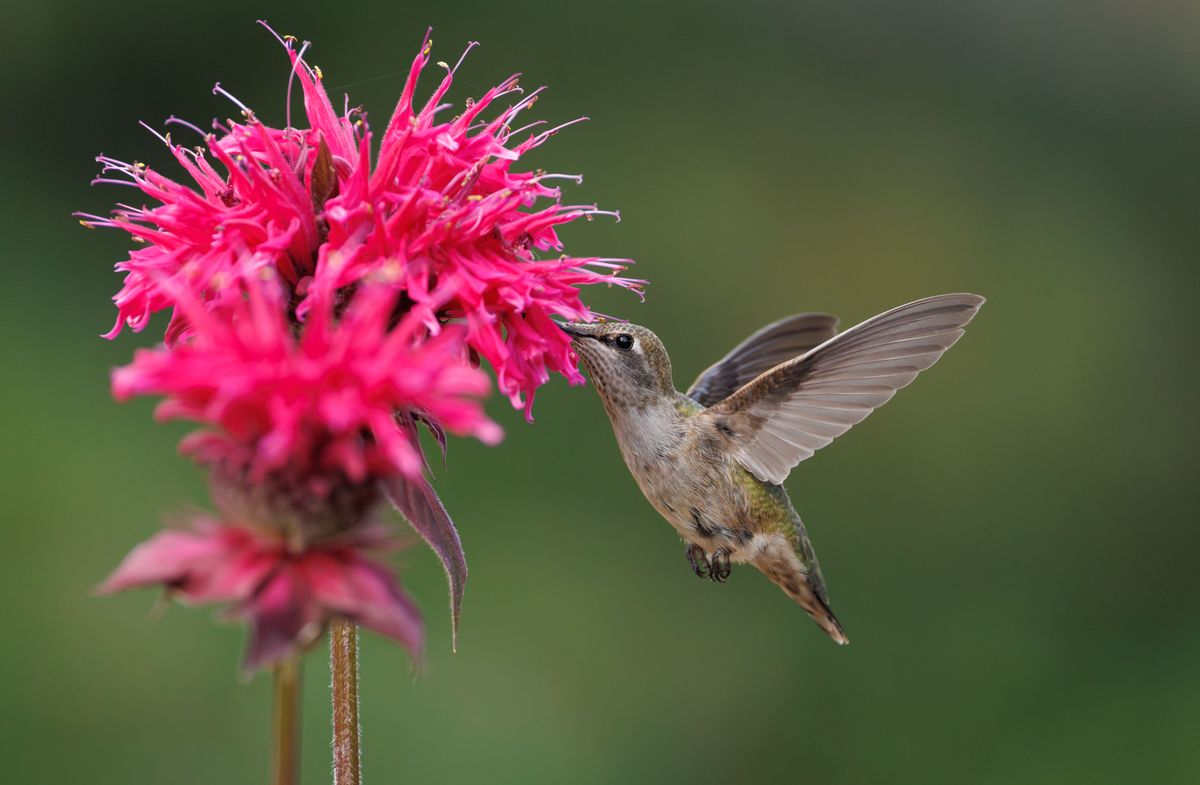
Photo by Veronika Andrews on Pexels
Proper garden geometry preserves natural roosting zones while providing clear flight corridors for dusk visits.
Seasonal Twilight Bloom Schedule for Dusk Visitors
| Seasonal Window | Target Dusk Flora (Pale / White Spectrum) | Attracted Twilight Species | Feeder Care & Lighting Strategy |
| --- | --- | --- | --- |
| Early Spring (April – May) | Flowering Tobacco (Nicotiana alata), Sweet Rocket | Migrating Ruby-throated & Rufous Hummingbirds | Position solar feeder in maximum southern sun exposures; clean every 4 days. |
| Mid Summer (June – July) | Moonflower (Ipomoea alba), Evening Primrose (Oenothera) | Anna's Hummingbirds, White-lined Sphinx Moths | High heat speeds fermentation; swap 4:1 nectar nectar every 48 hours. |
| Late Summer (August – Sept) | Four O'Clocks (Mirabilis jalapa), Night-blooming Jasmine | Juvenile Hummingbirds refuelings, Hawkmoths | Extend solar LED runtime; top off nectar before 5:00 PM sunset runs. |
| Autumn (October – Nov) | Late-blooming White Salvia, Autumn Clematis | Straggler migrants, Resident Pacific Coast Anna's | Maintain clean feeders until 2 weeks past the last bird sighting. |
Align your pale floral plantings with seasonal hummingbird migration and resident hawkmoth emergence across North America.
Dusk Visitor Field Guide: Hummingbirds vs. Sphinx Moths
| Identification Criteria | Hummingbirds (Ruby-throated / Anna's) | Sphinx Moths (White-lined / Clearwing) |
| --- | --- | --- |
| Primary Active Window | Civil twilight (dusk/dawn); enter torpor in deep dark | Nautical to astronomical twilight; active all night |
| Wing Flight Acoustics | Rhythmic, heavy humming or whirring buzz | Silent or faint high-frequency flutter |
| Physical Markers | Feathers, distinct needle beak, no antennae | Feathery antennae, furred body, long proboscis |
| Feeder Port Interaction | Perches on metal ring or hovers; thrusts beak directly | Hovers 1-2 inches back; uncurls long proboscis tube |
| Artificial Light Reaction | Ignores soft light or uses it to spot port; roosts if startled | Strongly attracted to light beams; circles lumens |
Twilight gardeners often confuse fast-hovering hawkmoths with hummingbirds. Use these identifying criteria during civil twilight.
Pro Tip: Preventing Nectar Fermentation from Ambient Lighting
A common failure mode in twilight birding is mistaking solar LED heat for nectar spoilage. Modern low-voltage LED diodes emit negligible heat—less than 0.5°F above ambient temperature—meaning the light cap itself will never ferment your nectar. The real culprit is unshaded late-afternoon direct sunlight hitting the glass reservoir before sunset. Always position your solar feeder where it receives morning sun for solar charging, but filtered late-afternoon shade to keep the 4:1 sugar solution cool and fresh for dusk feeding runs.
Frequently Asked Questions About Twilight Birding & Lighting
Answers to critical questions regarding crepuscular avian behavior, lighting safety, and nighttime backyard management.
Initial Garden Audit Actions
Your decision: Determine if your garden needs reduced light pollution, pale floral additions, or an elevated illuminated feeder station.
Do this next: Audit your yard at civil twilight (30 minutes after sunset) to identify dark zones located 10-15 feet from tree cover.
Related resource: Download our Twilight Garden Nectar & Lighting Safety Checklist.
Explore LUJII Solar Hand-Blown Glass Feeders for integrated, downward-lit evening feeding stations.
Begin your twilight transformation by evaluating your yard's vertical structure and ambient light levels before setting up new feeders.
Summary: Core Rules of Twilight Hummingbird Attractiveness
- Hummingbirds feed heavily during dusk to stock up calories before entering nocturnal torpor.
- Solar lighting must cast light downward onto feeding ports, never upward into tree roosting branches.
- Select low-Kelvin warm LEDs (<3000K) or soft ambient RGB red modes to avoid blinding crepuscular eyes.
- Pair illuminated nectar stations with white or pale night-blooming flowers to reflect moonlight and guide foragers.
Choosing the Right Setup: Solar Feeder vs. Spotlight Combinations
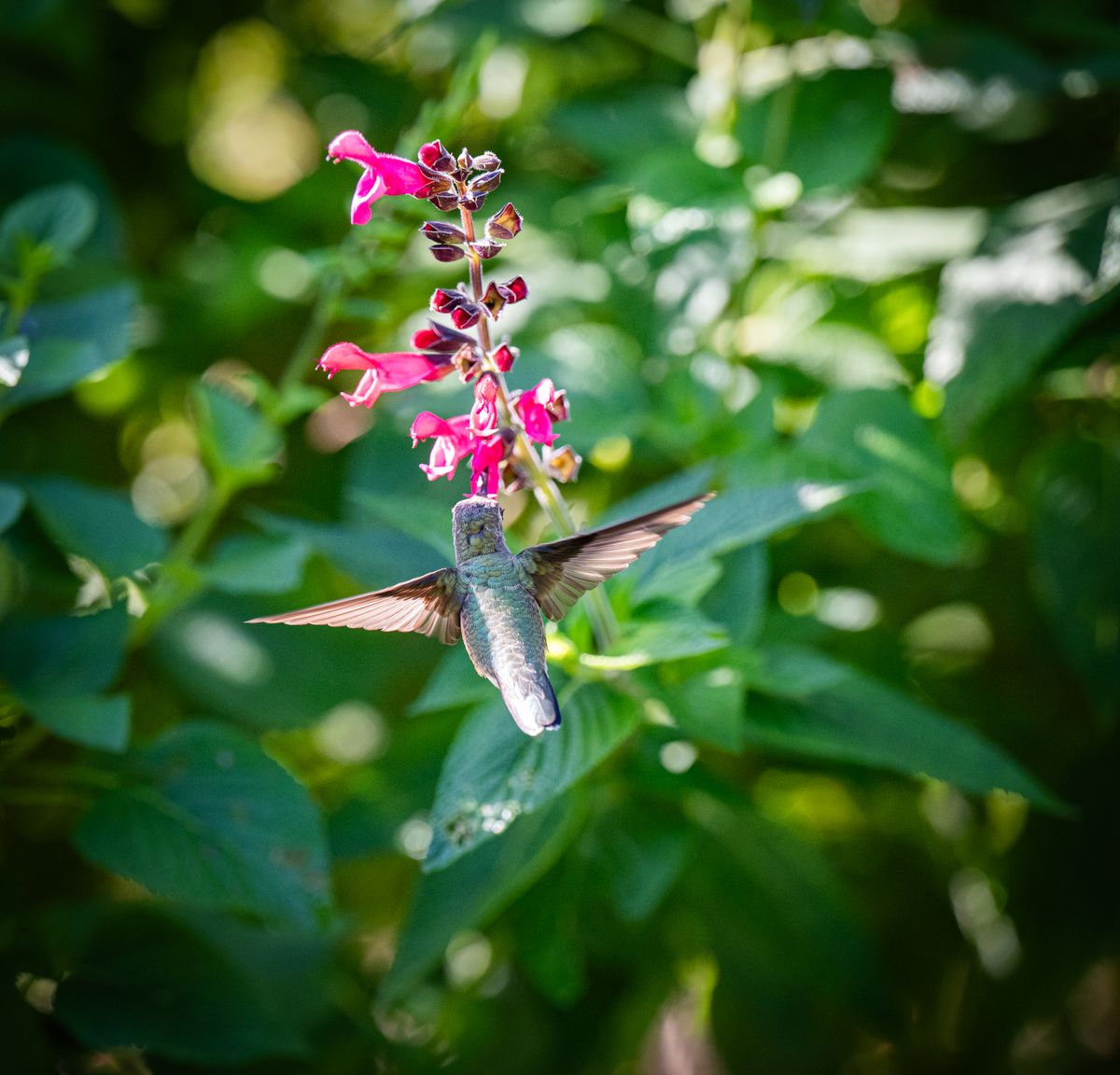
Integrated downward solar feeders provide safer, targeted illumination compared to external floodlights or unlit feeders.
Best choice for
- Integrated Solar Hand-Blown Glass Feeder — Directs 5-15 Lux specifically at feeding ports without casting blinding light into surrounding trees.
- Solar Feeder paired with Low-Voltage Landscape Path Lights — Creates a continuous ambient flight path guiding birds from garden borders directly to nectar ports.
- Avoid using high-lumen (>100 lm) security spotlights pointed upward toward tree canopies.
- Avoid unshielded cool-white (>5000K) LEDs that cause optical glare for dusk-adapted avian eyes.
- Moonlight Floral Borders Only — Provides completely natural reflection but offers lower human visibility during late civil twilight.
The Biology of Dusk Feeding Runs
Hummingbirds operate on a strict metabolic tightrope. During daylight hours, a hummingbird's heart rate can exceed 1,200 beats per minute, burning calories at the fastest basal metabolic rate of any endothermic animal. As sunset approaches—a period known as civil twilight—hummingbirds undergo an intense feeding binge. This final foraging surge supplies the glucose necessary to survive the night, when they enter torpor, a state of deep physiological hibernation where their body temperature plummets and heart rates drop to under 50 beats per minute.
If a hummingbird cannot locate reliable nectar sources during twilight, it risks metabolic exhaustion before morning. However, hummingbirds possess limited low-light vision compared to nocturnal owls. They rely heavily on ambient contrast, visual memory, and glowing floral reflections to navigate as light fades.
The Failure Modes of Unsafe Garden Lighting
When well-meaning bird lovers attempt to illuminate their garden at night, they frequently introduce severe ecological failure modes:
By utilizing soft, solar-powered downward illumination embedded directly into the cap of a feeder, you illuminate the precise port location without broadcasting light into roosting canopies.
Comparing Dusk Attraction Strategies Across Key Yard Criteria
| Evaluation Criteria | Integrated Downward Solar Glass Feeder | Standard Feeder + External Solar Spotlight | Moonlight Floral Planting Only |
| --- | --- | --- | --- |
| Targeted Port Visibility | High (Port illuminated directly from above cap) | Moderate to Low (Shadows cast by external angle) | None (Relies purely on natural moonlight) |
| Risk of Canopy Roost Disruption | Zero (Shielded top cap blocks upward light) | High (Unshielded beams spill into tree branches) | Zero (No artificial light source introduced) |
| Hawkmoth & Sphingidae Attraction | Moderate (Soft ambient light attracts beneficial pollinators) | Excessive (High brightness traps insects in light loops) | High (Pale scents naturally attract dusk moths) |
| Human Aesthetic & Viewing Experience | Exceptional (Artisan glowing glass centerpiece) | Harsh (Visible light bulb glare and hot spots) | Subtle (Requires dark-adapted human vision) |
| Predator Concealment Safety | Safe (Mounted at 5ft with clear ground visibility) | Risky (Bright glare creates dark shadow pockets) | Safe (Natural lighting keeps visibility uniform) |
Evaluating three common backyard setups using critical criteria rows to reveal the safest approach for crepuscular birding.
Top Twilight Garden Failures That Drive Hummingbirds Away
Avoid these critical errors when setting up your evening hummingbird sanctuary.
Further Reading & Twilight Garden Resources
Expand your knowledge on nocturnal wildlife and garden lighting dynamics with these guides:
- Understanding Dusk Behavior Around Illuminated Feeders — A deep dive into crepuscular avian flight mechanics.
- The Art of Nighttime Garden Magic: Solar Lighting & Outdoor Ambiance — How color spectra influence backyard ecology.
- Hand-Blown Glass vs. Plastic Hummingbird Feeders — Why heavy artisan glass stays stable in evening breeze.
Featured Solar Lighting Solution for Your Evening Sanctuary
Combine handcrafted art with wildlife-safe twilight illumination using our top-rated feeder.
Your Step-by-Step Blueprint to Build a Twilight Sanctuary
Your decision: Choose an integrated solar hand-blown glass feeder placed near pale, night-blooming perennials.
Do this next: Mount your solar feeder 5 feet high on a metal pole with a raccoon baffle, situated 10-15 feet from tree cover and surrounded by Evening Primrose or Moonflower.
Related resource: Print our Seasonal Nectar Refresh & Solar Cleaning Schedule.
Order the LUJII Solar-Powered Hand-Blown Glass Hummingbird Feeder today to illuminate your evening garden safely.
Follow this practical deployment plan to welcome hummingbirds and hawkmoths to your yard tonight.
Cover photo by Chris F on Pexels.