Can Glass Solar Hummingbird Feeders Stay Outside in Winter? Freezing Weather & Protection Guide
Many gardeners believe that because hand-blown glass is crafted at intense temperatures up to 2,300°F, it can easily withstand sub-zero winter conditions. This is a myth. While high-heat artisan glass is incredibly durable, it remains vulnerable to physical pressure caused by expanding ice.
No, hand-blown glass solar hummingbird feeders should not stay outside unprotected in sub-freezing weather (below 32°F / 0°C). As liquid nectar freezes, it expands by roughly 9%, creating internal pressure that can crack or shatter hand-blown glass reservoirs. Furthermore, freezing temperatures temporarily disable solar lithium batteries and degrade overall RGB lighting performance. Bring feeders indoors overnight or use specialized external heating accessories during winter freezes.
Winter Decision Framework: Leave Out vs. Bring Inside
Protect your artisan glass reservoir and solar cap electronics by evaluating overnight low temperature forecasts and local winter bird activity before deciding on storage or heater setups.
Best choice for
- Leave Solar Glass Feeder Outside Year-Round — Nectar remains liquid, Anna's or resident hummingbirds maintain access to vital calories, and solar panels recharge efficiently under winter sunlight.
- Use External Feeder Heater or Dual Reservoir Swapping — Keeps nectar fluid and accessible for cold-weather hummingbirds while preventing ice expansion stress on hand-blown glass.
- Ambient temperatures drop below 20°F (-7°C) without heavy-duty heating equipment.
- Severe snowstorms, ice accumulation, or blizzards are expected in your area.
- Store Glass Feeder Indoors & Hang a Heavy-Duty Winter Feeder — Preserves delicate hand-blown artwork and solar battery caps during harsh winter months while maintaining supplemental food sources for local wildlife.
Recommended Winter Feeder Solutions & Accessories
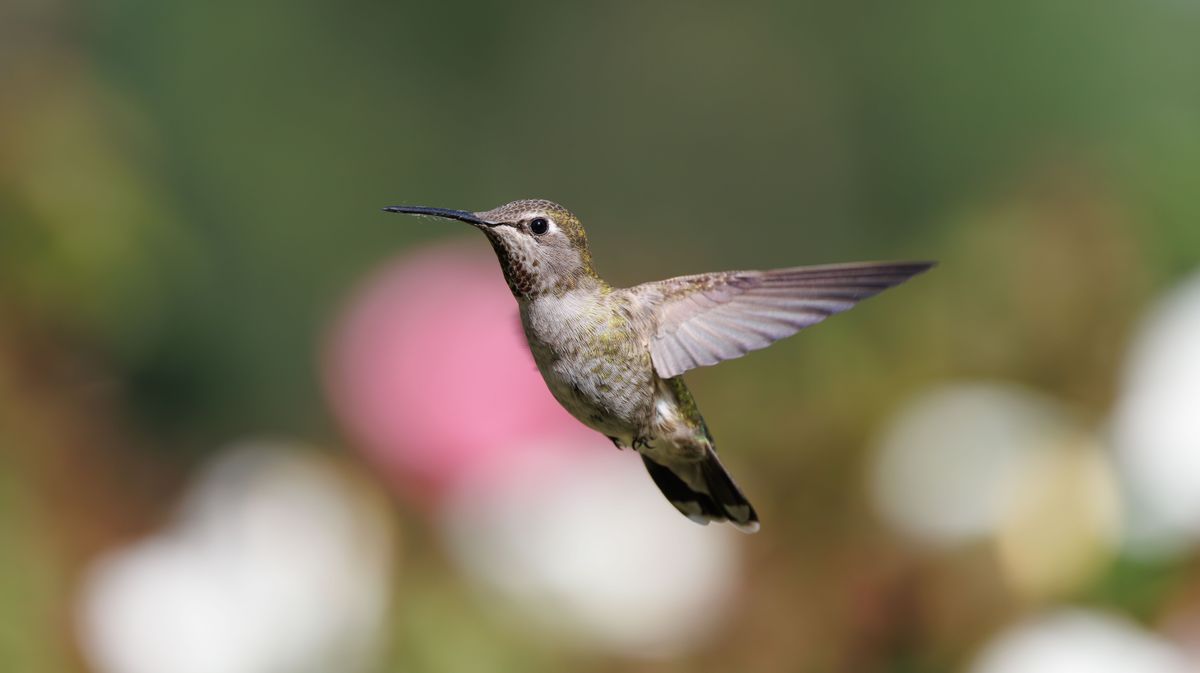
Photo by Veronika Andrews on Pexels
To maintain a stunning garden view while supporting visiting hummingbirds, selecting high-capacity feeders with robust sealed bases and protected solar components is essential.
Pro Tip: Preventing Thermal Shock & Glass Micro-Fractures
Glass does not only break from expanding ice—it also cracks due to sudden temperature shifts, a phenomenon known as thermal shock. When glass rapidly expands or contracts at uneven rates across its surface, internal tension snaps the material.
> Artisan Care Advice: Never pour hot or boiling sugar water directly into a cold hand-blown glass reservoir during winter cleaning. Always let the glass warm to room temperature (65°F–70°F) before washing with warm water, and allow fresh nectar to cool completely before filling. Conversely, never move a warm feeder directly out into sub-30°F air.
Regional Winter Feeder Care & Removal Schedule
| Timeframe | US Northern & Midwest Zones | Pacific Northwest & Coastal Zones | US Southern & Sunbelt Zones |
| --- | --- | --- | --- |
| Late Autumn (Oct - Nov) | Clean, dry, and pack away glass feeders after migratory hummers depart. | Inspect solar caps; set up dual feeder rotation for wintering Anna's hummers. | Clean reservoirs; enjoy peak autumn migration and clear solar charging days. |
| Deep Winter (Dec - Jan) | Store glass feeders indoors in climate-controlled spaces (>50°F). | Use external feeder heaters or swap warm glass feeders at dawn (temps 20°F–35°F). | Leave feeders outside year-round; wipe solar caps clean after occasional frost. |
| Early Spring (Feb - Mar) | Inspect hand-blown glass for stress cracks before early spring re-installation. | Continue morning freeze checks; clean RGB solar caps for increased sunlight. | Perform deep spring clean; replace aged O-rings and inspect anti-rust bases. |
Seasonal shifts dictate when you should monitor, heat, or store your hand-blown glass solar hummingbird feeder based on your region's frost lines.
Step-by-Step Winterization & Storage Checklist
- [ ] Empty remaining nectar completely into sink.
- [ ] Disassemble glass reservoir, leak-proof metal base, and solar cap.
- [ ] Wash glass reservoir with warm (not hot) soapy water; avoid thermal shock.
- [ ] Allow glass and metal parts to dry completely for 24 hours.
- [ ] Wipe solar top cap with microfiber cloth; clean battery contacts.
- [ ] Store hand-blown glass wrapped in bubble wrap in a temperature-controlled indoor area above 50°F.
- [ ] Switch solar cap light switch to 'OFF' during long-term storage.
Cold Weather Troubleshooting Matrix
| Symptom / Issue | Root Cause | Immediate Fix | Preventative Measure |
| --- | --- | --- | --- |
| Nectar frozen solid inside glass reservoir | Ambient temperature fell below 27°F (-3°C) overnight | Bring feeder inside; allow ice to melt naturally at room temp (do not heat glass directly) | Bring glass feeder indoors at dusk or install an approved external feeder heater lamp |
| RGB Solar LED lights fail to turn on at night | Lithium battery cold capacity loss or blocked solar panel cap | Bring top cap inside to warm up, wipe solar panel, and charge in direct sunlight for 8 hours | Turn solar cap switch OFF during sub-zero stretches to protect battery capacity |
| Nectar slow dripping from metal feeding base | Rubber O-ring seal hardened and contracted due to cold weather | Inspect and re-seat silicone gasket; apply food-safe silicone lubricant | Store seals indoors during winter or replace hardened O-rings prior to freeze season |
| Hairline fracture appears on glass reservoir body | Thermal shock from hot washing water or liquid expansion strain | Discontinue outdoor use immediately to prevent complete structural breakdown | Maintain consistent liquid/ambient temperatures during cleaning and filling |
Identify and resolve winter issues affecting nectar flow, solar charging, and reservoir structural integrity.
Winterization Flowchart: Leave Out or Store Inside?
- Is expected nighttime temperature below 32°F (0°C)? → Yes: Proceed to next question on wintering birds.. No: SAFE OUTDOORS: Leave glass solar feeder out. RGB cap will function normally.
- Are wintering hummingbirds (e.g., Anna's) active in your immediate area? → Yes: USE HEATER OR SWAP: Bring glass feeder inside at dusk, or install external heater lamp.. No: STORE INDOORS: Wash, dry, and store hand-blown glass and solar top cap inside until spring.
Core Takeaways for Winterizing Glass & Solar Feeders
Keep these cardinal safety rules in mind whenever temperatures dip near freezing:
Freezing Point & Thermal Shock Risk Matrix
| Temperature Scenario | Nectar Liquid State (4:1 Ratio) | Hand-Blown Glass Stress Level | Solar Cap & Battery Condition | Action Required |
| --- | --- | --- | --- | --- |
| Scenario A: Mild Autumn Frost (33°F to 40°F / 0.5°C to 4°C) | Fully liquid; no slush or ice crystals | Zero stress; safe for continuous outdoor hanging | Normal operation; solar panel charges and RGB lights operate up to 8 hours | No action needed. Enjoy evening solar LED garden illumination. |
| Scenario B: Light Overnight Freeze (27°F to 32°F / -3°C to 0°C) | Slushy ice forms at top surface after several hours | Low-to-moderate expansion pressure on glass neck and base | Battery discharge rate increases; RGB lighting run time drops by 20–30% | Rotate feeders morning/dusk OR attach an approved electric feeder heater. |
| Scenario C: Moderate Freeze (20°F to 26°F / -6°C to -3°C) | Solid ice core develops quickly throughout reservoir | HIGH RISK: Ice expansion exerts severe outward force on reservoir walls | Battery output drops significantly; solar top cap electronic performance degraded | Bring glass feeder indoors overnight. Rehang filled with room-temp nectar at dawn. |
| Scenario D: Severe Deep Freeze (< 20°F / < -7°C) | Freezes solid rapidly within 1-2 hours | CRITICAL RISK: High likelihood of glass shattering or structural micro-cracking | Lithium battery risks permanent damage if left exposed in freezing snow | Store glass solar feeder indoors completely until freezing snap passes. |
This scenario-based matrix details how varying temperature bands impact liquid nectar state, hand-blown glass safety, and solar lighting functionality.
Solar Feeder Material Tolerances & Temperature Specs
| Feeder Component | Material & Craftsmanship | Safe Operating Temp | Critical Structural Limit | Winter Safety Guideline |
| --- | --- | --- | --- | --- |
| Glass Reservoir | Artisan Hand-Blown Glass (Crafted at 2,300°F) | 32°F to 110°F (0°C to 43°C) | Thermal differential > 30°F causes thermal shock | Do not allow nectar inside to freeze solid; avoid rapid temp swings during cleaning. |
| Solar Panel & Cap | Weatherproof Plastic & Sealed Solar Electronics | 14°F to 120°F (-10°C to 49°C) | Sub-zero exposure degrades lithium battery cell longevity | Turn switch to OFF during prolonged storage; wipe cap free of heavy snow. |
| Feeder Base & Ports | Powder-Coated Metal with Anti-Rust Layer | -20°F to 140°F (-29°C to 60°C) | Corrosion resistant; tolerates low temps without structural breakdown | Ensure threads are dry prior to freeze to prevent base lock. |
| Seals & Gaskets | Flexible Food-Grade Silicone / Rubber | -40°F to 200°F (-40°C to 93°C) | Hardens at low temps, reducing leak-proof seal tightness | Check seal elasticity before spring refill; apply light food-safe silicone oil. |
Review the physical operational limits of each material used in handcrafted solar hummingbird feeders.
Critical Mistakes That Shatter Glass and Ruin Solar Caps
Avoid these frequent errors to protect your bird feeding equipment and keep local wildlife safe during winter:
Explore Related Feeder Care & Wildlife Topics
Deepen your knowledge on artisan glass maintenance, proper nectar mixing, and garden safety:
- Hummingbird Feeder Gasket and O-Ring Maintenance: Learn how to replace seals and maintain drip-free performance across changing weather conditions.
- Safe Winter Nectar Recipes: Explore the biological energy needs of overwintering hummingbirds.
- The Craft of Hand-Blown Glass: Discover how 2,300°F artisan techniques produce vibrant, see-through glass designs.
Frequently Asked Questions About Winter Hummingbird Care
Answers to common questions regarding glass feeders, solar caps, and wintering bird care.
Action Plan & Next Steps for Bird Lovers
Your decision: Assess your local winter low temperatures and verify whether wintering hummingbirds live in your region.
Do this next: If night temperatures drop below 32°F (0°C), bring hand-blown glass solar feeders indoors overnight or install an approved external heater.
- Read next: Hummingbird Feeder Gasket and O-Ring Maintenance: FAQs for a Drip-Free Garden
Enhance your garden with the handcrafted beauty of LUJII Solar-Powered Hummingbird Feeders. Protect your artisan glass this winter and prepare for a vibrant spring!
Prepare your garden setup for changing weather conditions and keep your solar glass feeders glowing year-round.
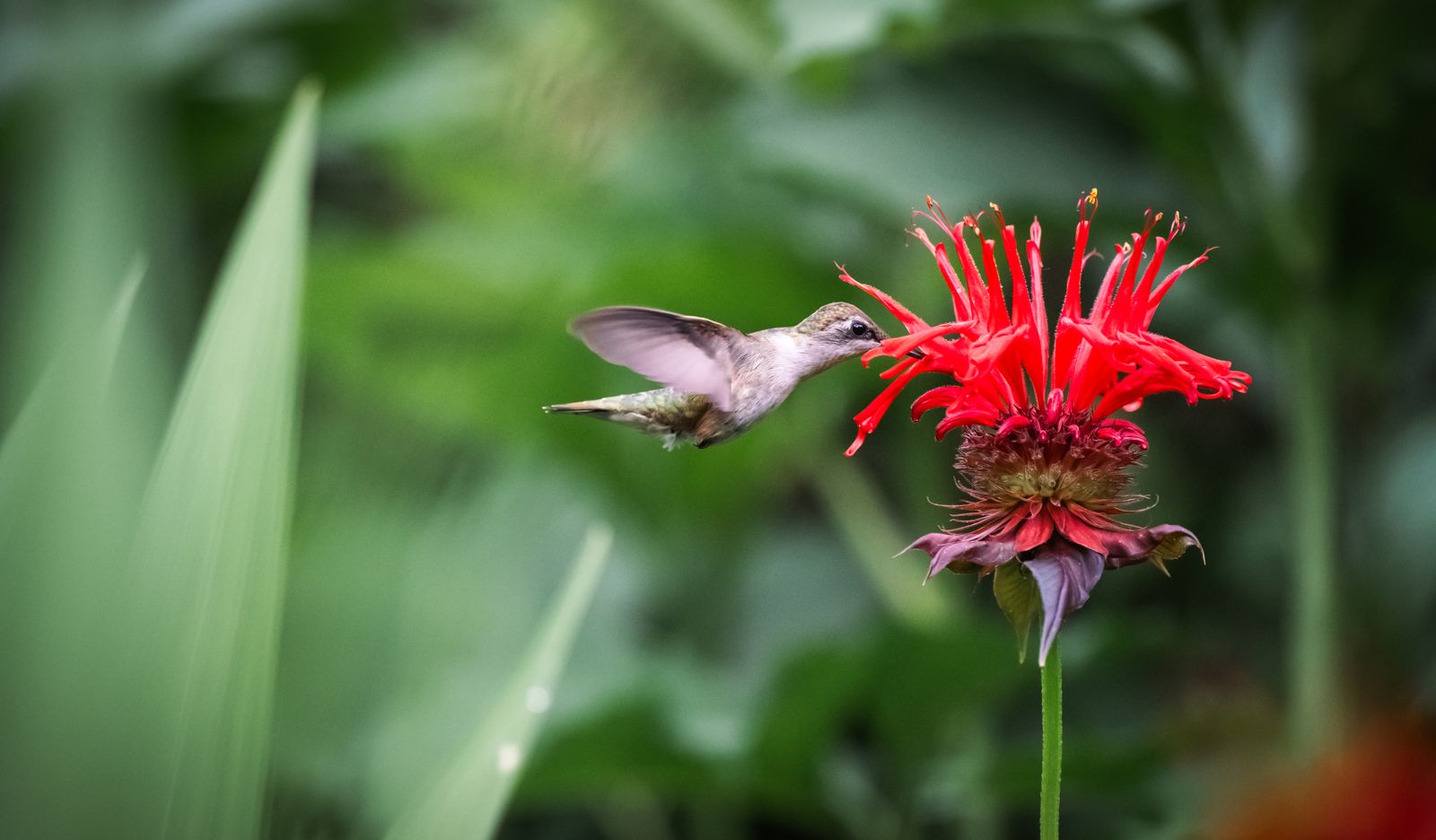
Cover photo by Chris F on Pexels.