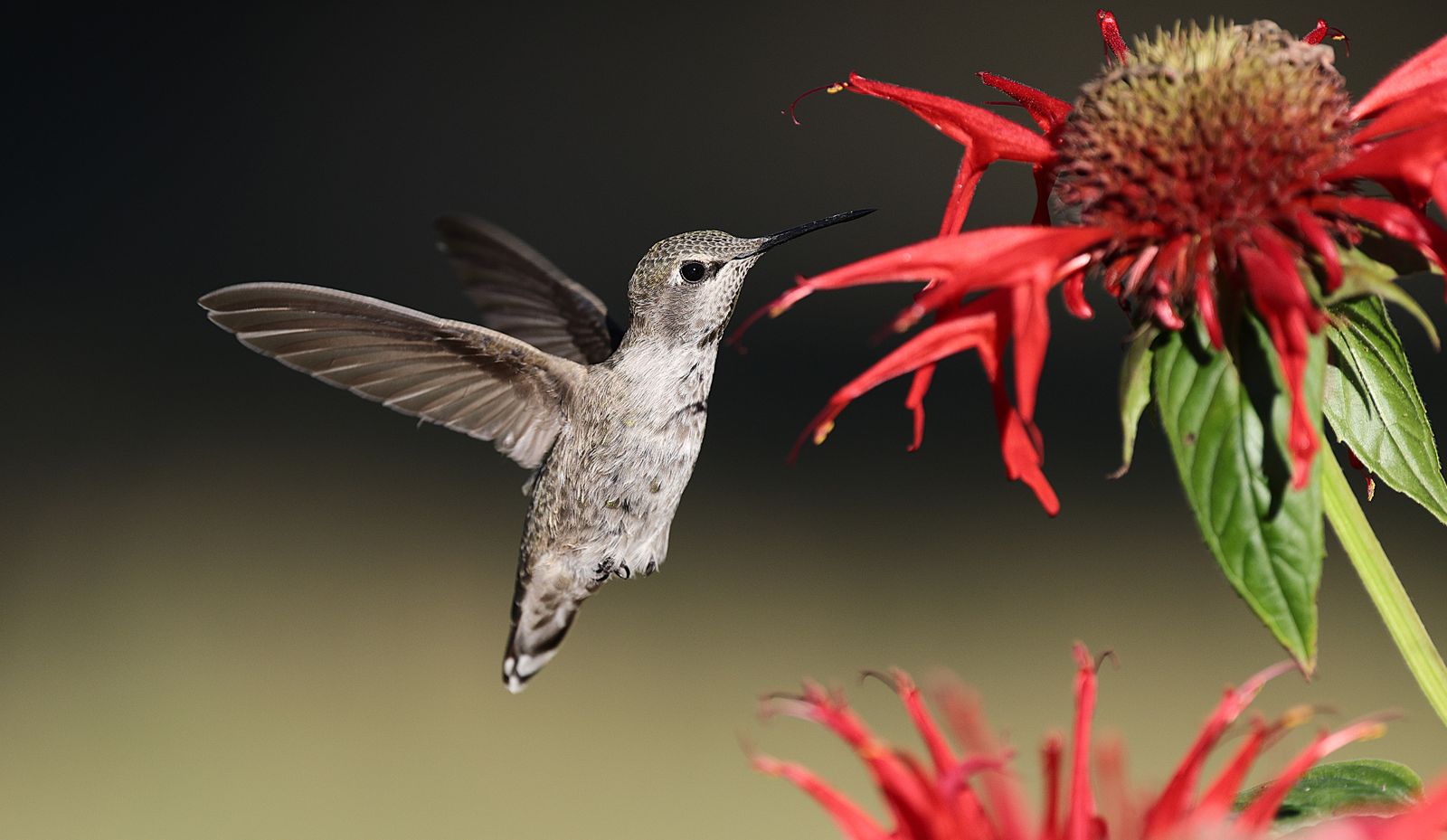
Twilight Bird Garden Decor: How to Build a Spring Sanctuary
Follow the 3:10 Rule: position soft solar twilight decor exactly 10 feet from evening outdoor seating and keep it at least 3 feet clear of dense ground cover where lurking predators hide. Illuminate feeders with ambient solar lights below 3000K or gentle RGB modes to safely extend dusk viewing without disturbing wild hummingbird roosting instincts.
Core Principles of Evening Sanctuary Design
- Lead with exact ratios: Maintain a strict 4:1 water-to-refined-white-sugar ratio for spring nectar; avoid red dyes and artificial sweeteners.
- Position for dusk visibility: Mount solar glass feeders 5 feet above ground and 10 feet from seating to capture 6+ hours of direct sunlight for 8 hours of soft night illumination.
- Protect from predators: Maintain a 3-foot clearance above lower shrubs to deny domestic cats hiding spots, while keeping tall foliage within 10–15 feet for perching.
- Layer twilight flora: Pair high-capacity 32 fl. oz feeders with dusk-blooming perennials like Evening Primrose and Nicotiana to double natural nectar attraction during twilight hours.
4-Week Spring Sanctuary Setup Timeline
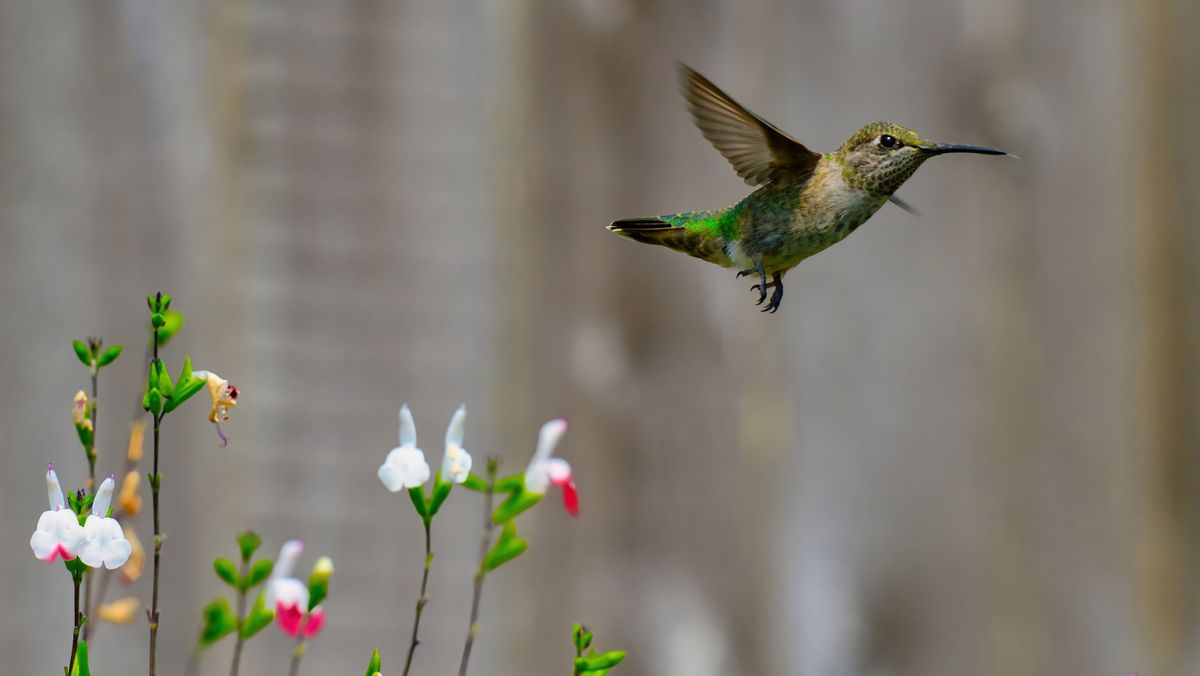
Photo by Townsend Walton on Pexels
- Week 1: Early Spring Prep — Select your twilight observation zone 10 feet from outdoor seating. Install a heavy-duty anti-rust shepherd hook 5 feet high. Ensure the location receives 6+ hours of unshaded daily sunlight for solar charging.
- Week 2: Soil & Companion Planting — Plant early spring dusk-bloomers (Columbine, Bleeding Heart) in Zone 2 around the hanging station. Add an ant moat above the hook and verify a 3-foot buffer from ground foliage.
- Week 3: Feeder Installation & Solar Charging — Hang your 32 oz hand-blown solar glass feeder. Fill with fresh 4:1 sugar water. Allow the solar cap 2 full sunny days to initialize its battery charge for full 8-hour RGB night cycles.
- Week 4: Twilight Layering & Calibration — Add late-spring dusk bloomers (Evening Primrose, Nicotiana). Test RGB lighting modes at dusk to ensure soft ambient glow doesn't create high-glare light bleed into nearby roosting trees.
Spring Nectar & Solar Care Maintenance Schedule
- Under 60°F (15°C) — Replace 4:1 nectar solution every 5 to 7 days. Wipe solar panel cap weekly with a micro-fiber cloth to remove pollen build-up.
- 60°F to 75°F (15°C to 24°C) — Replace nectar every 3 to 4 days. Rinse base port gasket with cold water during each refilling cycle.
- Over 75°F (24°C) — Replace nectar every 48 hours. Inspect metal base for micro-drips and clean rubber seal thoroughly to prevent wasp attraction.
- Monthly Solar Care — Inspect plastic solar cap housing for seal integrity after heavy spring rains. Test RGB light toggle button to verify sensor triggers automatically at dusk.
Centerpiece Highlight: LUJII Hand-Blown Solar Feeder
For garden enthusiasts seeking the perfect balance of artisan beauty and nocturnal garden decor, the LUJII Solar Hummingbird Feeder serves as an ideal focal point.
- Hand-Blown Glass Artistry: Crafted at 2,300°F by glass artisans, offering unique color patterns and translucent nectar monitoring.
- Solar-Powered RGB Illumination: Automatically activates at twilight, illuminating your garden for up to 8 hours on a full charge.
- Generous 32 oz Capacity: Slender reservoir reduces refill frequency while maintaining a leak-proof metal base.
- All-Weather Shielding: Anti-rust coated base and protective solar cap withstand spring rain, snow, and bright daylight.
Expert Lighting Advice: Balancing Dusk Feeding & RGB Accents
Ornithological studies on avian crepuscular behavior show that hummingbirds rely heavily on early twilight light levels to complete their final feeding rush before roosting. High-intensity halogen floodlights or spotlights exceeding 3000K can disorient birds attempt to settle for the night.
Conversely, low-voltage solar LEDs embedded inside thick hand-blown glass diffuse light gently across the immediate port area. This soft illumination allows late-arriving hummers to easily locate feeding ports during sudden spring overcast evenings without disrupting their natural circadian sleep cycle once darkness fully sets in.
Spring Dusk-Blooming Companion Plant Calendar
| Season Phase | Recommended Species | Bloom Time | Nectar Rating | Sanctuary Placement |
| --- | --- | --- | --- | --- |
| Early Spring | Eastern Columbine (Aquilegia canadensis) | 4:00 PM - Dawn | High | Zone 2 (Under feeder canopy) |
| Mid-Spring | Bleeding Heart (Dicentra spectabilis) | All Day / Dusk Peak | Moderate | Zone 2 (Shaded base perimeter) |
| Late Spring | Evening Primrose (Oenothera biennis) | 6:00 PM - 10:00 AM | Very High | Zone 2 (10 ft from seating) |
| Late Spring | Flowering Tobacco (Nicotiana alata) | 7:00 PM - Dawn | High (Fragrant) | Zone 3 (Border planting) |
Layer your garden with companion plants that release sweet fragrances or open their flowers during twilight hours, perfectly matching the visual glow of your solar feeder.
Navigating Spring Weather: Frost, Wind, & Temperature Spikes
Early spring weather can be unpredictable across North American growing zones. Follow these environmental guidelines to protect both your wild visitors and your garden decor:
Sanctuary Essentials Checklist & Gear
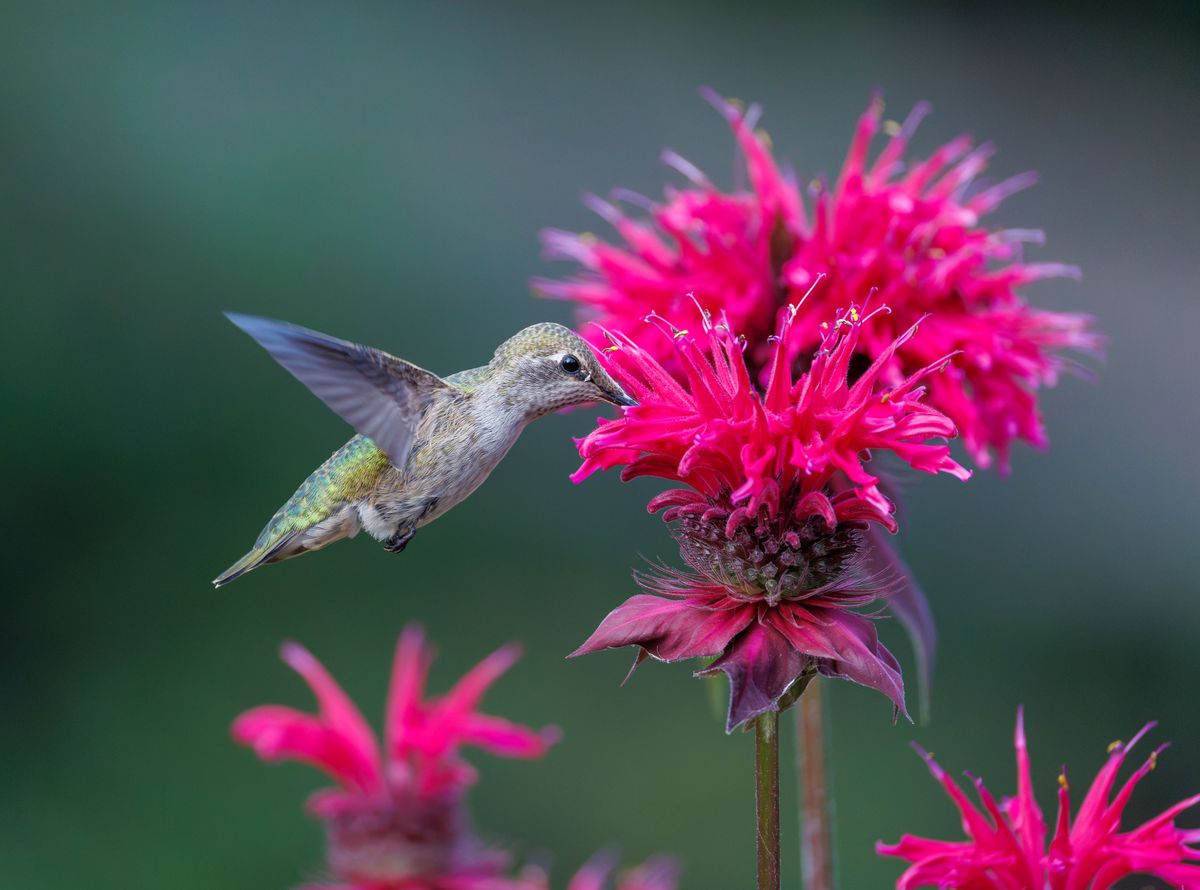
Photo by Veronika Andrews on Pexels
To build a complete, low-maintenance twilight bird station, pair your hand-blown solar glass feeder with these complementary outdoor accessories:
- Heavy-Duty 92-Inch Shepherd Hook: Features a 5-prong base to keep heavy 32 oz filled glass feeders stable during spring thunderstorms.
- Transparent Built-in Ant Moat: Prevents crawling spring insects from reaching nectar ports without obscuring the ambient LED glow.
- Micro-Bristle Nectar Port Brushes: 0.25-inch diameter flexible brushes designed to clean narrow metal base ports without scratching internal seals.
The Ultimate Spring Twilight Sanctuary Checklist
- [ ] Position feeder 10-15 feet from outdoor seating for optimal dusk viewing.
- [ ] Ensure solar lid receives at least 6 hours of direct daytime sunlight.
- [ ] Hang feeder 5 feet above ground on a sturdy, anti-rust metal hook.
- [ ] Verify nectar ratio is exactly 4 parts water to 1 part refined white sugar.
- [ ] Surround area with night-fragrant or dusk-blooming spring flora.
- [ ] Install ant moat and baffle to protect nectar from creeping nocturnal insects.
Frequently Asked Questions
Answers to common questions about setting up nighttime bird decor and caring for spring hummingbirds.
Explore More Sanctuary Design Guides
- Do Hummingbirds Feed at Night? Understanding Dusk Behavior Around Illuminated Feeders
- Creating an Enchanted Summer Twilight: How to Style Solar Accents & RGB Feeder Lights
- Artisanal Glass Garden Decor: Caring for Hand-Blown Outdoor Accents
Next Steps for Your Spring Sanctuary
Your decision: Determine your garden's twilight observation zone and select a central focus point for your solar glass decor.
Do this next: Order a hand-blown solar glass hummingbird feeder and plant early dusk nectar bloomers 10 feet from your outdoor seating area.
Related resource: Designing a Whimsical Backyard Sanctuary: Landscaping for Bird LoversLUJII Hand-Blown Solar Hummingbird Feeder (32 oz, Leak-Proof Metal Base)
Ready to design your evening garden space? Follow these immediate action items to bring hand-crafted art and wild birds to your yard.
Cover photo by Veronika Andrews on Pexels.