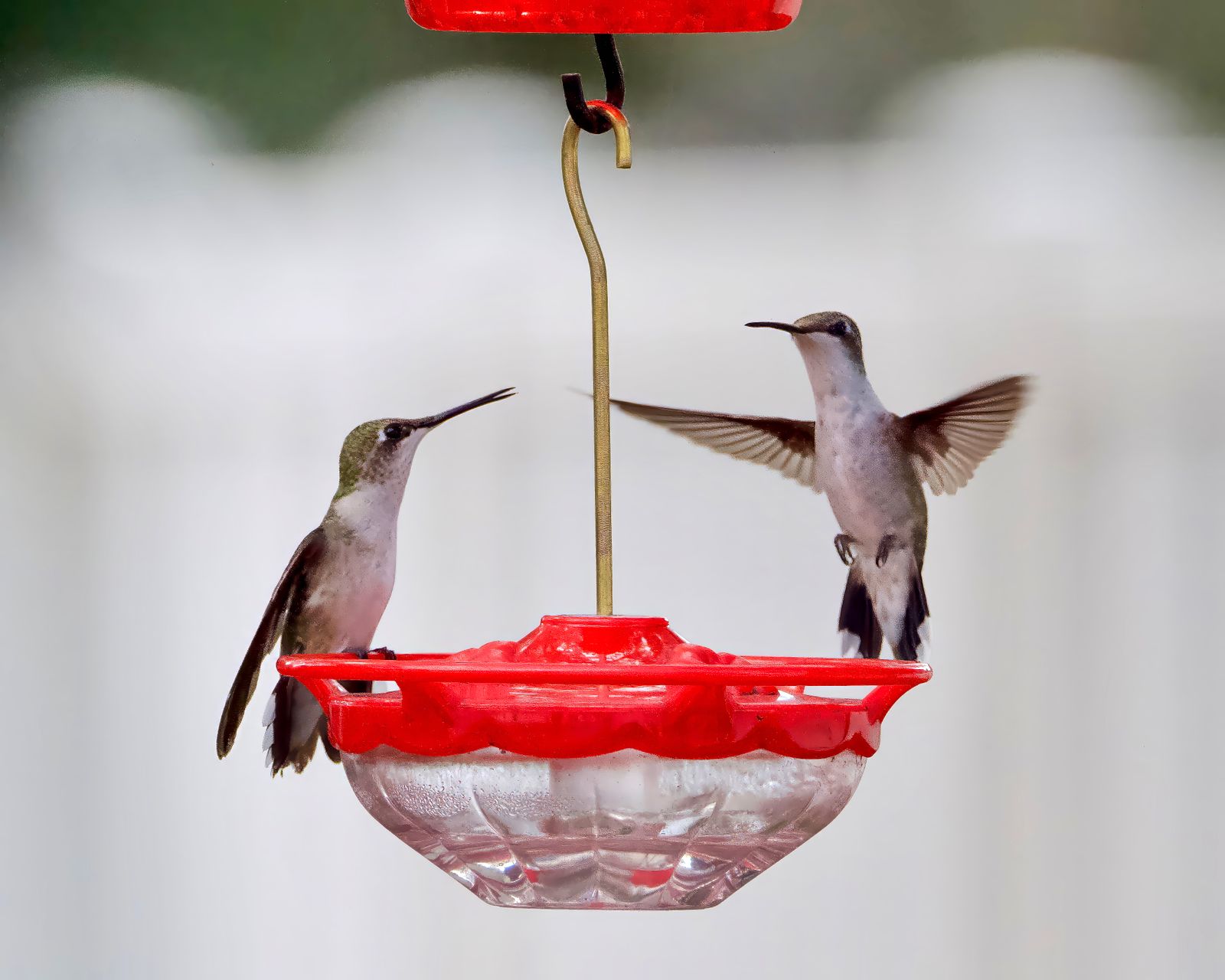
Do Hummingbirds Feed at Night? Torpor Biology, Twilight Feeding, and Solar Lighting Safety
Contrary to the widespread myth that hummingbirds forage continuously through pitch-black nights, hummingbirds do not feed in complete darkness. Because their extraordinary aerial acrobatics depend entirely on daytime light vision, hummingbirds stop feeding shortly after twilight and enter torpor—a state of temporary nocturnal hibernation—to conserve vital energy. Any creature hovering around your feeder in full darkness is almost certainly a nocturnal pollinator, such as a Sphinx moth or nectar bat.
Balancing Nighttime Garden Glow with Natural Avian Cycles
Hummingbirds rely on daylight for feeding and enter torpor at night. Solar feeders should provide gentle, diffuse accent lighting rather than intense spotlights directed at roosting spots.
Best choice for
- Soft ambient LED solar feeder (e.g., LUJII) positioned 10-15 feet from roosting shrubs — Allows clear viewing during late-dusk feeding frenzies without projecting bright glare into sleeping perches.
- Sealed metal-base glass feeder with narrow ports — Prevents nocturnal moths, ants, and beetles from accessing nectar reservoirs while maintaining a hygienic station.
- Directing high-lumen security spotlights or floodlights straight into dense hedges where birds sleep.
- Leaving unsealed, dripping plastic feeders outside in areas prone to raccoon or rodent scavenging.
- Unlit art glass feeder paired with separate solar pathway lighting — Separates decorative garden illumination from nectar ports if local insects are heavily drawn to nighttime lights.
Safe Evening Viewing: Hand-Blown Solar Hummingbird Feeders
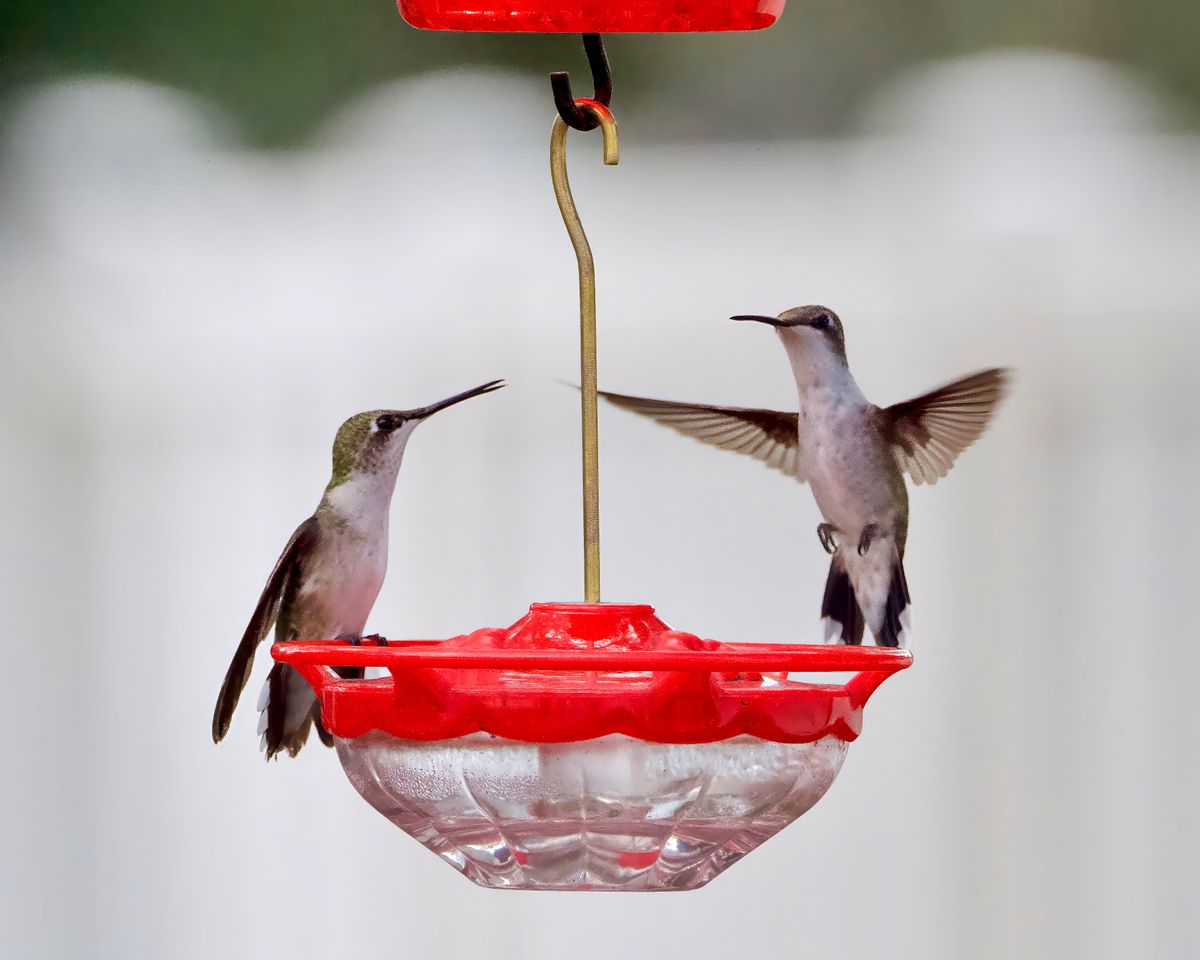
Photo by A. G. Rosales on Pexels
To capture the magic of late-dusk feeding while elevating your evening landscape, consider an artisan glass feeder designed specifically for soft solar illumination.
The LUJII Solar-Powered Hummingbird Feeder features individually hand-blown glass reservoirs crafted at 2,300°F. Its colorful, translucent design makes monitoring nectar levels effortless during the day. At dusk, the integrated solar cap automatically illuminates the glass with soft, multi-mode RGB lighting for up to 8 hours on a full charge.
Constructed with an IP65 waterproof solar lid and a leak-proof, anti-rust metal base, this 32 fl. oz. feeder keeps nectar fresh and protected against rain, wind, and nocturnal crawlers.
Expert Field Tip: Positioning Solar Lights for Bird Safety
Maintain a 'Dark Sanctuary Zone' around natural perches. Position your illuminated solar feeder at least 10 to 15 feet away from dense evergreen trees, climbing ivy, or thick bushes where hummingbirds roost for the night. This distance ensures that twilight feeders can locate nectar right up until sunset, while sleeping birds nestled in the foliage remain undisturbed by light pollution.
Visualizing the Daily Hummingbird Metabolic Cycle
Hummingbirds experience extreme metabolic shifts throughout a 24-hour cycle. Understanding these biological stages explains why evening feeding spikes right before total darkness.
Who is Visiting Your Feeder After Dark? Hummingbirds vs. Nighttime Impostors
| Scenario / Feature | Hummingbird (Dusk / Twilight) | White-Lined Sphinx Moth (Night) | Nectar-Feeding Bat (Deep Night) |
| --- | --- | --- | --- |
| | | | |
| | | | |
| | | | |
| | | | |
| | | | |
If you spot a fluttering shape around your lighted feeder after dark, use these key observations to identify your night garden visitor.
Key Takeaways: Night Feeding & Torpor Quick Summary
- Hummingbirds do not feed in pitch darkness; they rely on daylight to navigate and feed.
- At night, hummingbirds enter torpor, lowering their body temperature from 104°F to near-ambient levels (~65°F) and slowing their heart rate from 1,200 BPM to under 50 BPM.
- Late evening visits occurring within 30 minutes post-sunset are known as dusk hyperphagia—a vital fuel-up before entering sleep.
- Creatures feeding at nectar ports hours after dark are usually White-Lined Sphinx moths (hummingbird moths) or nectar bats.
- Soft, ambient solar LED lighting on feeders will not disrupt torpor if placed 10–15 feet away from dark roosting trees.
- A sealed metal base and leak-proof glass reservoir prevent nocturnal pests like raccoons, ants, and beetles from raiding nectar overnight.
Evening Feeder Setup & Safety Checklist
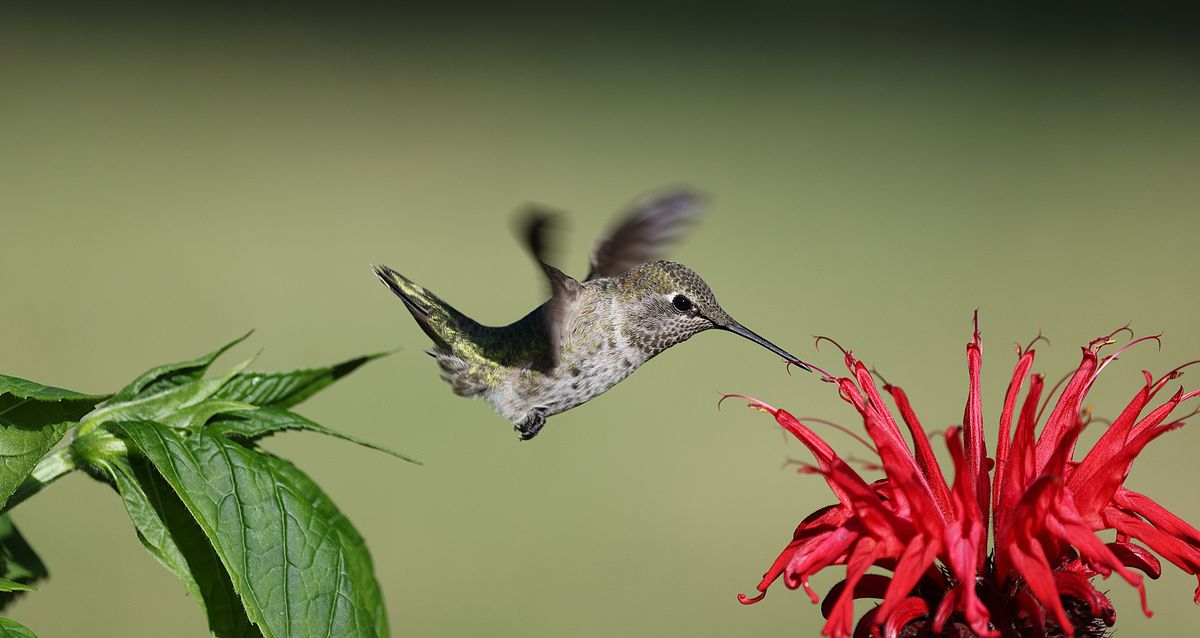
Photo by Veronika Andrews on Pexels
- [ ] Verify solar feeder illumination is a soft LED glow rather than a harsh spotlight.
- [ ] Place solar feeder at least 10–15 feet away from dense roosting trees or hedges.
- [ ] Ensure feeder ports are clean and leak-proof to prevent nocturnal insect swarms.
- [ ] Check that the solar panel cap receives 6+ hours of full daytime sun for an optimal dusk charge.
- [ ] Inspect nectar levels visually through translucent glass reservoirs before twilight.
- [ ] Refill nectar with a clean 4:1 water-to-sugar solution every 3–4 days to prevent fermentation.
4 Common Evening Backyard Birding Mistakes to Avoid
Avoid these frequent missteps to keep your local hummingbird population healthy and your nighttime garden pest-free.
Continue Exploring Hummingbird Behavior & Garden Decor
Expand your backyard wildlife knowledge with these related topics on vision, nectar care, and garden design:
- How Hummingbirds See Color: Discover how avian eyes process ultraviolet light and why colorful glass attracts more birds.
- Seasonal Guide to Solar Garden Decor: Learn how to arrange outdoor solar features for year-round beauty.
- How to Clean & Maintain Your Solar Feeder: Step-by-step tips for keeping hand-blown glass and solar lids sparkling and hygienic.
Frequently Asked Questions About Nighttime Feeding & Solar Lights
Your Next Steps for Dusk Hummingbird Care
Your decision: Decide to keep soft ambient solar lights in your garden while keeping them positioned away from direct roosting foliage.
Do this next: Position your solar hummingbird feeder in an open garden location that receives direct daytime sunlight for recharging, offering clear twilight views without shining light into dense sleeping bushes.
Related resource: Twilight Nectar Care FAQ: Does Nighttime Solar Light Affect Nectar Freshness?LUJII Solar-Powered Hand-Blown Glass Hummingbird Feeder with ambient RGB lights.
Ready to enhance your dusk bird-watching experience while keeping your local hummingbirds safe and nourished? Follow these expert recommendations to perfect your backyard setup.
Cover photo by A. G. Rosales on Pexels.