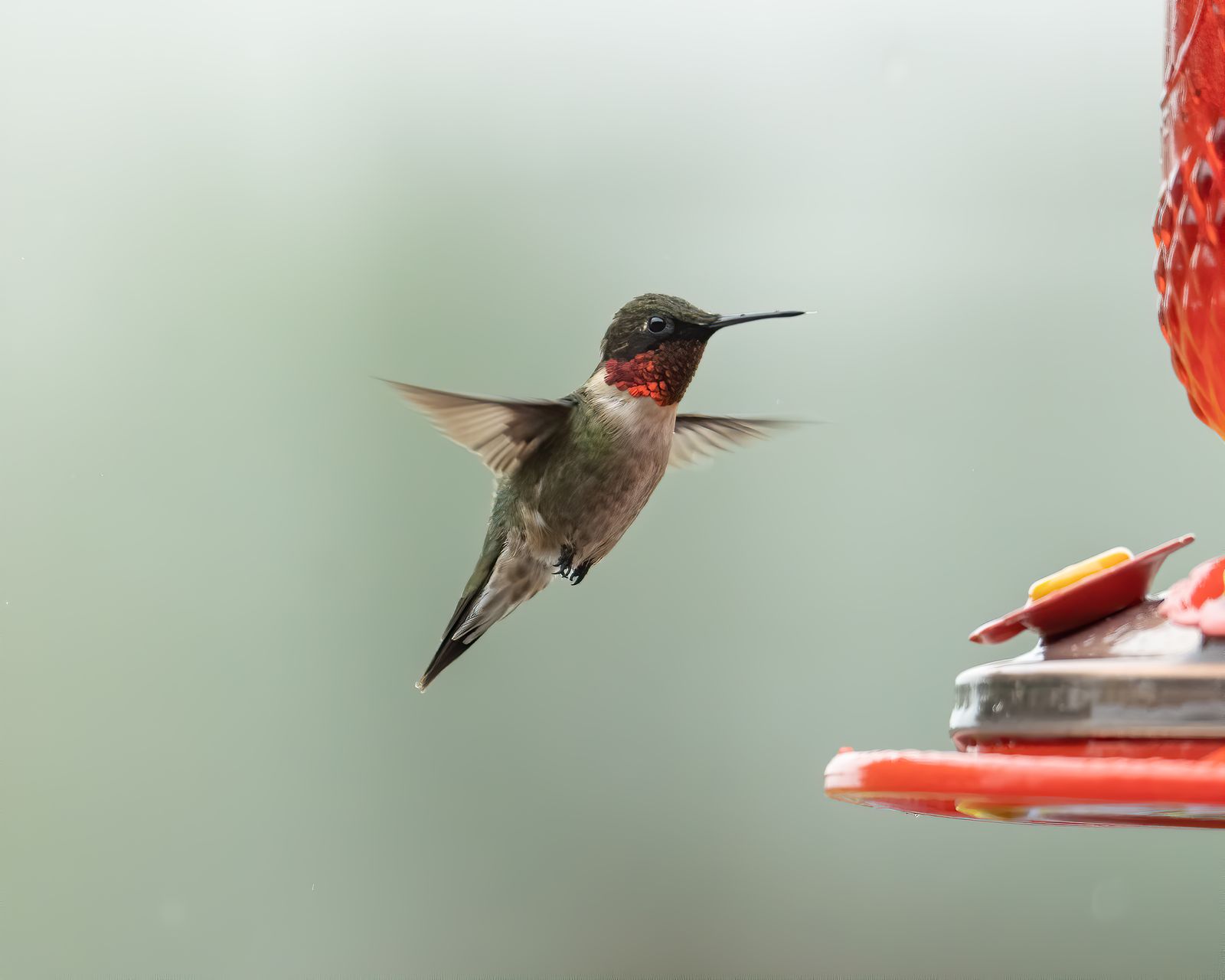
When to Put Out Hummingbird Feeders: State-by-State Guide & Migration Calculator
Put out your hummingbird feeder 1 to 2 weeks before expected spring arrival dates in your region—ranging from early February in the Deep South to early May across northern states and high elevations. Hanging your feeder early ensures returning male scouts find reliable food immediately. Keep feeders clean and filled until 2 weeks after seeing your last autumn migrant to support late southbound travellers.
Interactive Spring Hummingbird Arrival Calculator
Use this interactive calculator framework to pinpoint your optimal spring setup date. By matching your US state, zip code, and local elevation against multi-year avian migration tracking data, you can prepare your garden days before the first weary male scouts land in your yard.
Regional Spring Arrival & Feeder Readiness Matrix
| Evaluation Criteria | Southern Tier (Zone 8-11) | Mid-Atlantic & Midwest (Zone 6-7) | Northern Tier & Rockies (Zone 3-5) | Pacific Coast (Zone 8-10) |
| --- | --- | --- | --- | --- |
| Target Put-Out Window | Early to Mid-February | Early to Mid-April | Late April to Early May | Year-Round / Early March |
| Primary Returning Species | Ruby-throated, Black-chinned | Ruby-throated | Ruby-throated, Rufous, Calliope | Anna's (resident), Allen's, Rufous |
| First Scout Natural Cues | Blooming azaleas, night temps >45°F | Budding maples, night temps >40°F | Dandelion blooms, night temps >35°F | Early plum blossoms, mild ocean air |
| Recommended Spring Nectar | 4:1 (Water to Pure White Sugar) | 4:1 (Water to Pure White Sugar) | 4:1 or 3.5:1 on freezing nights | 4:1 (Water to Pure White Sugar) |
| Autumn Removal Threshold | Late November / Early December | Late October / Early November | Mid-to-Late October | Maintain year-round for resident Anna's |
Migrating hummingbirds follow distinct temperature corridors and floral bloom schedules across North America. Review this comparative matrix to align your feeder setup with your regional climate zone.
Expert Secret: Using Dusk Illumination & Warm Nectar for Cold Early Arrivals
When tiny hummingbirds complete long migration flights across southern waters or chilly plains, they arrive exhausted and calorically depleted. Male scouts often fly during early twilight hours searching for territory.
Hanging a hand-blown solar glass hummingbird feeder provides a unique double advantage during cold early-spring days:
5 Critical Timing Mistakes That Disappoint Arriving Hummingbirds
Avoid these common setup and maintenance pitfalls to keep your early-season visitors safe and coming back year after year.
US Regional Migration Arrival Breakdown
- Gulf Coast & Deep South (FL, GA, AL, MS, LA, TX) — Ruby-throated and Black-chinned scouts begin arriving across the Gulf Coast as early as mid-February. Hang your feeders by February 1st. Keep nectar fresh despite early spring warmth by placing feeders in partial shade.
- Mid-Atlantic & Central Flyway (VA, NC, PA, OH, IN, IL, MO) — Spring migration sweeps through this corridor from late March through mid-April. Have feeders ready by April 1st. Early blooming red columbine and flowering trees signal that scouts are within 50 miles.
- Northern Tier & High Altitude (NY, ME, MI, MN, MT, CO, WY) — Hummingbirds rarely push into northern boundary states before mid-to-late April. Aim for an April 25th setup date. Protect glass reservoirs from hard late-spring night freezes by bringing feeders indoors overnight.
- Pacific Northwest & West Coast (CA, OR, WA) — Anna's hummingbirds reside year-round along coastal CA, OR, and WA. Rufous and Allen's hummingbirds begin northward treks in February. Keep feeders operational year-round or set out secondary feeders by February 15th.
Frequently Asked Questions About Seasonal Hummingbird Feeding
Clear answers to essential seasonal setup questions for bird lovers and gardeners.
Four-Season Feeder Management Calendar
| Season | Setup & Placement | Nectar Ratio & Freshness | Cleaning Schedule | Solar Light & Glass Care |
| --- | --- | --- | --- | --- |
| Spring (Mar - May) | Hang 10-14 days before scout arrival in morning sun / wind shelter. | 4:1 ratio (boil pure sugar & water). Replace every 4-5 days. | Wash with warm water and soft brush weekly. | Test solar cap battery; wipe clean solar panel monthly. |
| Summer (Jun - Aug) | Move to full/partial shade to prevent nectar fermentation. | Strict 4:1 ratio. Replace every 2-3 days in high heat (>85°F). | Scrub every 2 days; use vinegar rinse for mold prevention. | Ensure full daily sunlight exposure on top cap solar cells. |
| Fall (Sep - Nov) | Keep feeders up 2 weeks after seeing the last hummingbird. | 4:1 ratio (or 3.5:1 for cold nights). Replace every 5 days. | Clean weekly; check metal base for autumn rust resistance. | Clean glass curves; solar lights highlight fall garden foliage. |
| Winter (Dec - Feb) | Maintain year-round in Pacific/Southern zones; store in North. | 4:1 ratio; prevent freezing with outdoor heat lamps if resident. | Deep clean before storing hand-blown glass indoors. | Store solar cap in dry location; recharge battery prior to spring. |
Maintaining a healthy sanctuary requires adjusting your feeder routines with each passing season.
Unusual Weather Scenarios: Handling Spring Freezes & Late Migrants
Sudden Late Spring Freeze (Night temps drop to 25°F-30°F) — Bring glass feeders inside before sleeping. Re-hang at dawn filled with warm 4:1 nectar. A slightly higher sugar concentration (up to 3.5:1) lowers the freezing point slightly without harming birds.
Heavy Spring Rain & Prolonged Wind Storms — Move feeders underneath heavy porch eaves or dense tree canopies. Verify that your feeder features a leak-proof sealed base to prevent wind swaying from draining nectar.
Unseasonably Hot Early Spring (Temperatures over 85°F in April) — Shift feeders into partial shade immediately. Nectar ferments rapidly in direct sunlight, producing harmful bacteria. Change solution every 48 hours.
Spring weather can be unpredictable. Here is how to adapt your feeder care during unseasonal weather swings.
Key Migration Timing Rules to Remember
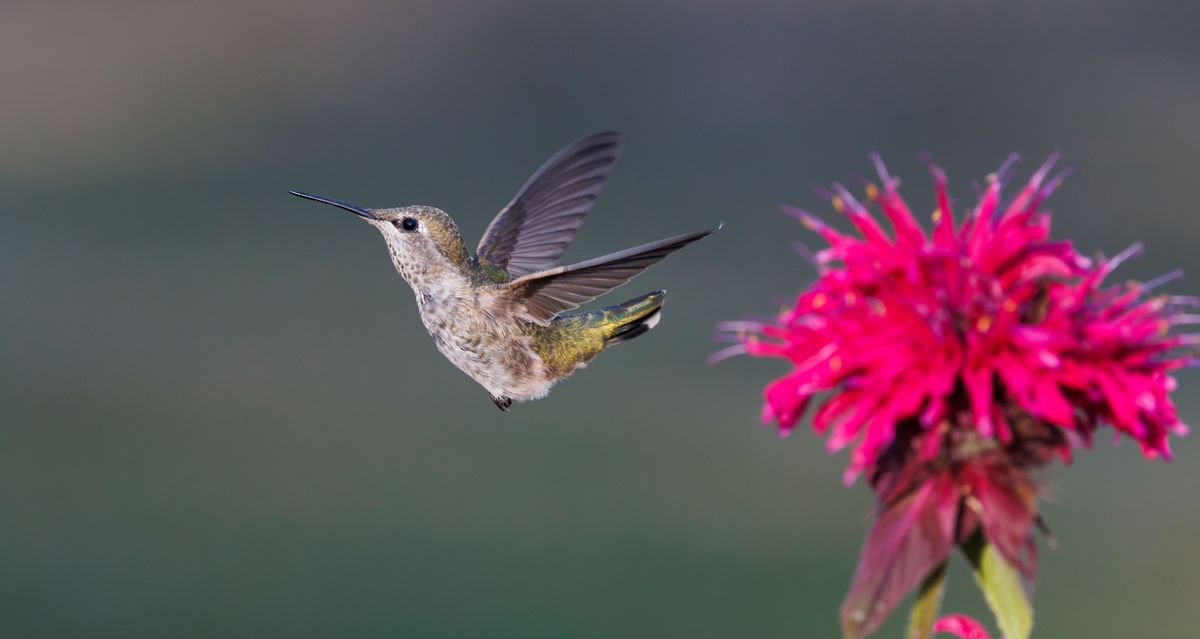
Photo by Veronika Andrews on Pexels
Bookmark these essential rules to ensure your yard becomes a safe haven for migrating hummingbirds.
Spring Feeder Setup Checklist
- [ ] Inspect hand-blown glass reservoir and metal base for winter storage damage or micro-cracks.
- [ ] Test solar cap lighting by placing the cap in direct sunlight for 6 hours.
- [ ] Boil fresh nectar solution (4 parts water to 1 part pure white sugar) and cool completely.
- [ ] Ensure metal leak-proof base seal and rubber gaskets are tightly fitted.
- [ ] Position feeder in a sheltered, morning-sun spot protected from high spring winds.
Printable Migration Arrival & Nectar Care Reference Sheet
- Spring Setup Rule: Hang feeder 10-14 days before average regional arrival.
- Standard Nectar Recipe: 4 Cups Water + 1 Cup Pure White Refined Sugar. Boil water, stir sugar until dissolved, cool completely.
- Safety Warning: Never use red food dye, honey, brown sugar, or raw organic sugar.
- Summer Cleaning: Every 2 days in hot weather; scrub ports thoroughly.
- Fall Removal Rule: Keep hanging 14 days after final bird sighting.
- Solar Glass Maintenance: Wipe top solar panel clean once per month for maximum night charge.
Expand Your Hummingbird Knowledge
Explore these related topics to enhance your garden sanctuary and care for visiting wildlife:
- How Hummingbirds See Color: The Science of Glass & Light Attraction — Discover how vibrant red, teal, and ambient LED light catch tiny eyes from hundreds of feet away.
- Nighttime Garden Decor for Bird Lovers — Learn how to pair solar illumination with roosting plants for a magical dusk-to-dawn outdoor space.
- How to Clean & Preserve Hand-Blown Glass Feeders — Essential care guides for maintaining artisan glass art season after season.
Featured Craftsmanship: Hand-Blown Solar Hummingbird Feeders
Elevate your spring garden while welcoming arriving hummingbirds with handcrafted art designed for bird health and beauty.
Your Next Steps for a Vibrant Hummingbird Season
Your decision: Determine your region's target date window using historical climate markers.
Do this next: Inspect, clean, and test your feeder solar cap 2 weeks before your regional hang date.
- Read next: How to Illuminate Your Nighttime Garden: A Seasonal Guide to Solar Bird Decor
- Read next: How Hummingbirds See Color: The Secret Science Behind Glass & Light Attraction
LUJII Hand-Blown Solar Glass Hummingbird Feeder
Take these simple actions today to prepare your garden for spring arrivals.
Cover photo by Tina Nord on Pexels.