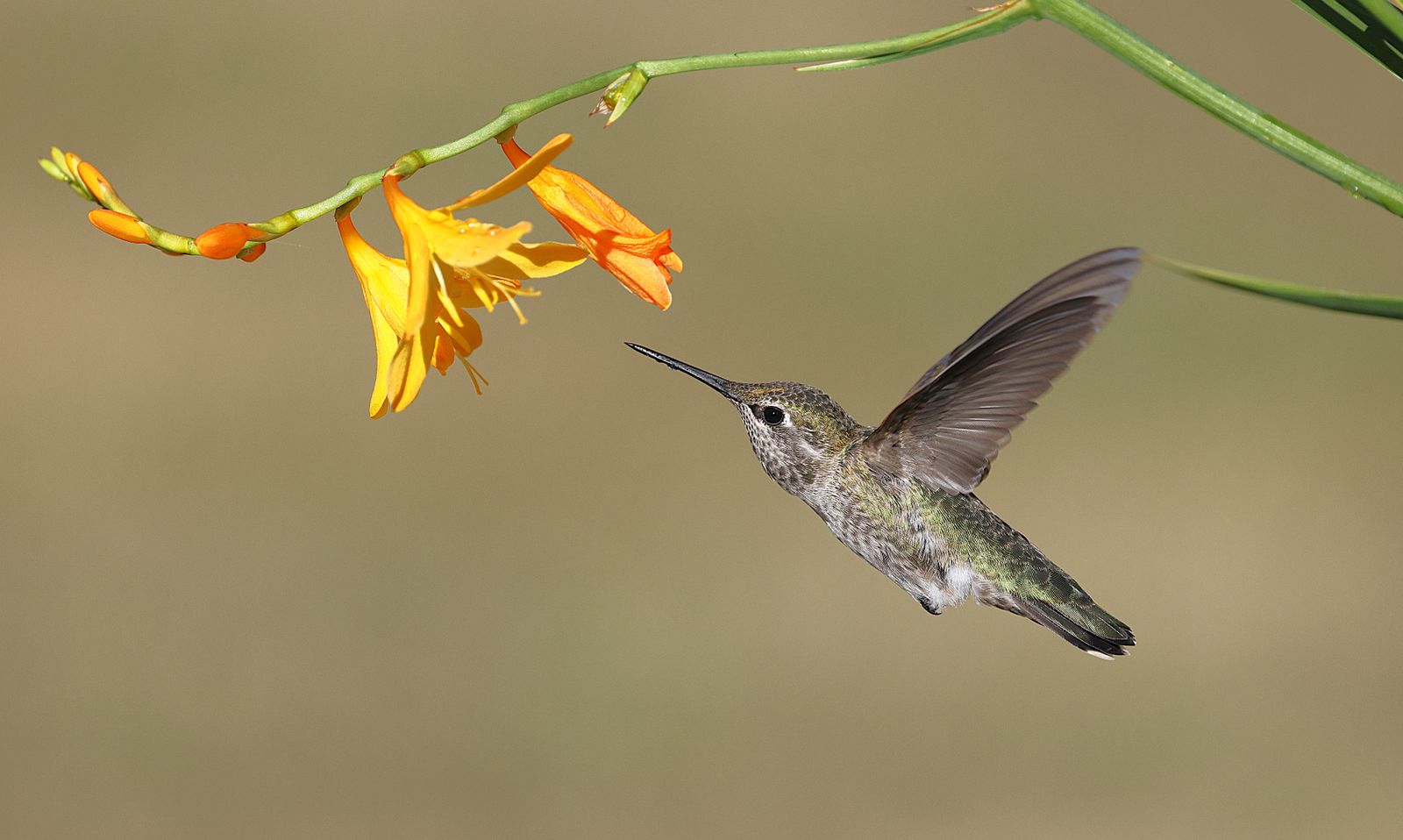
US Hummingbird Migration Schedule by State: When to Hang & Store Feeders
Follow the 14-day buffer rule: hang hummingbird feeders 14 days before your state's average spring arrival date (ranging from mid-February in southern states to early May in northern states). Maintain clean feeders until 14 days after your last autumn sighting to fuel late-traveling stragglers.
Essential Migration Timing Takeaways
Key rules every backyard birder should know to protect migrating hummingbirds:
Regional Climate Zones & Temperature Thresholds
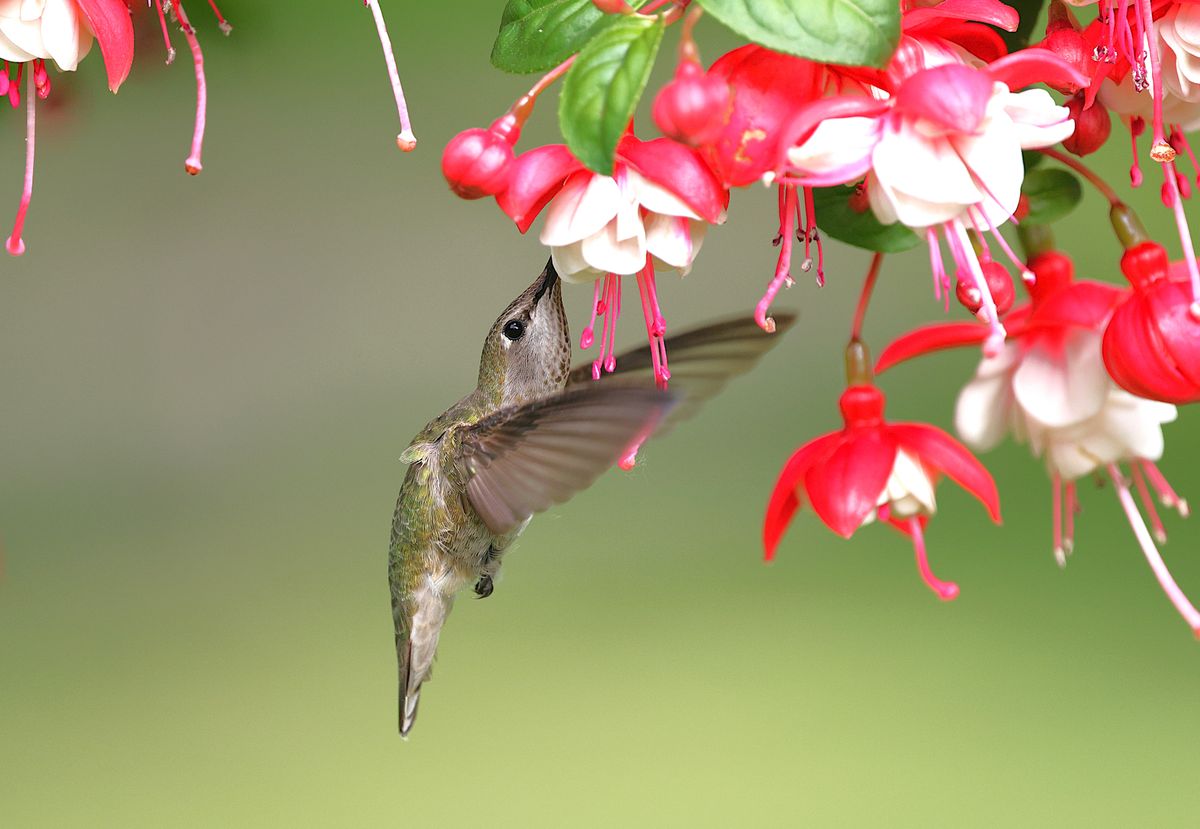
Photo by Veronika Andrews on Pexels
Hummingbirds begin migrating north when daylight increases, but spring temperature fluctuations pose unique risks. In USDA Hardiness Zones 3 through 6, overnight temperatures frequently drop below 32°F (0°C) after early scouts arrive.
Critical Thermal Guidelines:
- Above 40°F (4°C): Standard 4:1 water-to-sugar nectar flows freely and remains safe for hand-blown glass reservoirs.
- 30°F to 39°F (-1°C to 4°C): Nectar reaches slush consistency. Bring glass feeders indoors overnight and hang them at dawn.
- Below 30°F (-1°C): Nectar risks freezing solid. Water expands by 9% upon freezing, which can crack 2,300°F hand-blown glass art reservoirs.
State-by-State Hummingbird Migration Timetable
| State | Primary Species | Spring Feeder Setup Target | Peak Sighting Window | Fall Feeder Pack-Away Date |
| --- | --- | --- | --- | --- |
| Alabama | Ruby-throated | March 1 | April – September | November 15 |
| Alaska | Rufous | May 1 | May – July | September 15 |
| Arizona | Anna's, Black-chinned, Costa's | Year-round | March – October | Year-round |
| Arkansas | Ruby-throated | March 15 | April – September | November 1 |
| California | Anna's, Allen's, Rufous | Year-round (South) / March 1 (North) | April – September | Year-round (South) / October 31 |
| Colorado | Broad-tailed, Rufous | April 15 | May – August | October 15 |
| Connecticut | Ruby-throated | April 15 | May – August | October 20 |
| Delaware | Ruby-throated | April 1 | May – August | October 25 |
| Florida | Ruby-throated | February 15 | March – October | Year-round (South) / Nov 30 |
| Georgia | Ruby-throated | March 1 | April – September | November 15 |
| Hawaii | None (No native species) | N/A | N/A | N/A |
| Idaho | Black-chinned, Calliope, Rufous | April 15 | May – August | October 10 |
| Illinois | Ruby-throated | April 1 | May – September | October 25 |
| Indiana | Ruby-throated | April 1 | May – September | October 25 |
| Iowa | Ruby-throated | April 15 | May – September | October 20 |
| Kansas | Ruby-throated | April 1 | May – September | October 25 |
| Kentucky | Ruby-throated | March 25 | April – September | November 1 |
| Louisiana | Ruby-throated, Rufous (winter) | February 15 | March – October | Year-round |
| Maine | Ruby-throated | May 1 | May – August | October 10 |
| Maryland | Ruby-throated | April 1 | May – September | October 25 |
| Massachusetts | Ruby-throated | April 15 | May – August | October 20 |
| Michigan | Ruby-throated | April 20 | May – August | October 15 |
| Minnesota | Ruby-throated | April 25 | May – August | October 15 |
| Mississippi | Ruby-throated | March 1 | April – September | November 15 |
| Missouri | Ruby-throated | March 25 | April – September | November 1 |
| Montana | Calliope, Rufous, Black-chinned | April 25 | May – August | October 10 |
| Nebraska | Ruby-throated, Broad-tailed | April 15 | May – September | October 15 |
| Nevada | Black-chinned, Anna's, Broad-tailed | March 15 | April – September | October 30 |
| New Hampshire | Ruby-throated | April 25 | May – August | October 15 |
| New Jersey | Ruby-throated | April 1 | May – September | October 25 |
| New Mexico | Black-chinned, Broad-tailed, Rufous | March 15 | April – September | November 1 |
| New York | Ruby-throated | April 15 | May – August | October 20 |
| North Carolina | Ruby-throated | March 15 | April – September | November 10 |
| North Dakota | Ruby-throated | May 1 | May – August | October 5 |
| Ohio | Ruby-throated | April 10 | May – September | October 20 |
| Oklahoma | Ruby-throated, Black-chinned | March 20 | April – September | November 1 |
| Oregon | Anna's, Rufous | Year-round (West) / April 1 (East) | April – August | Year-round (West) / Oct 15 |
| Pennsylvania | Ruby-throated | April 10 | May – September | October 20 |
| Rhode Island | Ruby-throated | April 15 | May – August | October 20 |
| South Carolina | Ruby-throated | March 1 | April – September | November 15 |
| South Dakota | Ruby-throated | April 25 | May – August | October 10 |
| Tennessee | Ruby-throated | March 20 | April – September | November 5 |
| Texas | Ruby-throated, Black-chinned, Buff-bellied | February 15 | March – October | November 30 |
| Utah | Black-chinned, Broad-tailed | April 10 | May – August | October 15 |
| Vermont | Ruby-throated | April 25 | May – August | October 15 |
| Virginia | Ruby-throated | March 25 | April – September | November 5 |
| Washington | Anna's, Rufous | Year-round (West) / April 1 (East) | April – August | Year-round (West) / Oct 15 |
| West Virginia | Ruby-throated | April 1 | May – September | October 25 |
| Wisconsin | Ruby-throated | April 20 | May – August | October 15 |
| Wyoming | Broad-tailed, Calliope, Rufous | April 25 | May – August | October 10 |
Locate your state below to find your recommended spring feeder hang date, peak activity months, and fall pack-away target.
Printable Regional Migration & Feeder Care Card
- 14 Days Before Expected Arrival: Inspect glass reservoir, sterilize base, and hang early feeder.
- Spring Nectar Recipe: Boil 4 parts filtered water to 1 part pure white cane sugar. Cool before filling.
- Overnight Freeze Guard: If temperatures drop below 32°F, store filled glass feeders inside overnight; rehanging at dawn.
- Dusk Illumination Benefit: Soft evening lighting helps tired late-arriving migrants locate sugar water after sunset.
- Summer Maintenance Interval: Clean and refill every 2 days when temperatures exceed 85°F.
- Fall 14-Day Extension: Keep feeders active for 14 full days past the last hummingbird sighting.
Supporting Dusk Foragers During Shoulder Seasons
Migrating hummingbirds push their physical boundaries to fly up to 23 miles per hour across 500-mile spans during migration. In early spring and late autumn, daylight hours shrink rapidly. Tired travelers often continue feeding 20 to 30 minutes past sunset to store vital glycogen for cold nights.
Feeders with built-in solar illumination provide a soft ambient glow that highlights the feeding ports without disrupting natural bird circadian rhythms. A soft RGB light guide allows late dusk foragers to easily spot food sources when ambient light fades, providing the final energy boost needed before roosting.
Northward Spring Migration Flyway Timeline
- Late February — Gulf Coast Arrival: First Ruby-throated scouts reach southern Texas, Louisiana, Mississippi, Alabama, and northern Florida.
- Mid-to-Late March — Southern Tier Expansion: Migrants push into Georgia, South Carolina, Tennessee, Arkansas, and Oklahoma.
- Early-to-Mid April — Mid-Latitude Wave: Birds enter the Mid-Atlantic, Ohio Valley, Central Midwest, and Southern Rockies.
- Late April — Northern Border Advance: Migration crosses into Pennsylvania, New York, New England, Upper Midwest, and Pacific Northwest.
- Early May — Northern Frontier & Canada: Late arrivals reach Maine, Minnesota, North Dakota, Montana, and southern Canadian provinces.
Four-Season Nectar & Feeder Management Schedule
| Season | Nectar Ratio (Water:Sugar) | Cleaning Frequency | Solar Light & Glass Care Guidelines |
| --- | --- | --- | --- |
| Spring Launch (Mar – May) | 4:1 (Standard) or 3:1 (Cold snaps) | Every 4–5 days | Charge solar cap daily; bring glass indoors if overnight temps drop below 32°F. |
| Peak Summer (Jun – Aug) | 4:1 (Standard) | Every 2–3 days (Daily if >90°F) | Ensure full direct sun on solar cap for maximum evening lighting duration. |
| Fall Migration (Sep – Nov) | 4:1 or 3.5:1 (High energy) | Every 4–5 days | Maintain solar illumination for dusk foragers; check seal base for fall drips. |
| Winter Storage (Dec – Feb) | N/A (Except Anna's zones: 4:1) | Weekly (Year-round zones) | Clean thoroughly, dry completely, and store glass indoors in freeze-prone regions. |
Adjust your feeder routine throughout the year based on local weather and hummingbird behavioral milestones.
Spring Arrival vs. Autumn Departure Feeding Strategy
| Management Parameter | Spring Migration Strategy (Arrival) | Autumn Migration Strategy (Departure) |
| --- | --- | --- |
| Primary Goal | Provide immediate energy for arriving scouts before flowers bloom | Fuel body mass gain (doubling fat stores) for long southward flight |
| Feeder Placement | Sunny, sheltered areas protected from cold northern winds | Visible, open areas near twilight perches and evening garden paths |
| Nectar Concentration | Standard 4:1; boost to 3:1 during cold, frosty mornings | Standard 4:1 or 3.5:1 high-energy mix to support pre-migration weight gain |
| Capacity Management | Fill reservoir 1/3 to 1/2 full to prevent wasted nectar before birds arrive | Keep 32 fl.oz reservoir well-stocked as high volume traffic peaks |
| Illumination Purpose | Guides early morning/late afternoon feeders in short spring daylight | Assists dusk foragers feeding late into autumn twilights |
Compare feeding management protocols between early season setup and late season shutdown.
Specific Flyway Recommendations
- Gulf Coast Corridor (TX, LA, MS, AL, FL) — Scouts arrive as early as mid-February. High humidity accelerates fermentation, so wash metal bases and glass reservoirs frequently even in early spring.
- Midwest & Heartland (IL, IN, OH, IA, MO) — Spring weather swings wildly. Late April freeze warnings require monitoring hand-blown glass feeders overnight. Hang feeders near south-facing walls for radiant warmth.
- Mountain West & High Altitude (CO, UT, WY, MT) — Elevation delays arrivals until late April or May. Overnight freezes are common through late spring; utilize temporary morning deployment or heated perches.
- Pacific Northwest & West Coast (WA, OR, CA) — Anna's hummingbirds reside year-round in coastal zones. Keep at least one feeder active all winter, protecting nectar from freezing during occasional arctic blasts.
Recommended Feeder for Year-Round Garden Beauty
Combine hand-crafted elegance with functional solar lighting for your backyard sanctuary:
- LUJII Solar-Powered Hand-Blown Glass Hummingbird Feeder: Features a handcrafted glass reservoir blown at 2,300°F for unique, translucent color patterns. Built with a 32 fl.oz capacity, sealed leak-proof base, anti-rust metal coating, and an integrated solar cap that provides up to 8 hours of soft RGB illumination at night. Perfect for attracting hummingbirds while adding magical garden decor.
Feeder Management Decision Framework
Deploy feeders 14 days before average regional spring arrivals, maintain clean 4:1 nectar, and protect glass art reservoirs during freezing temperatures.
Best choice for
- Spring deployment with nightly indoor storage during freeze warnings — Prevents liquid expansion from cracking hand-blown glass art while ensuring 5:00 AM breakfast for early scout birds.
- Year-round hanging with automated solar dusk lighting — Supports overwintering Anna's and Rufous hummingbirds while providing vibrant nocturnal garden decor.
- Taking down feeders in early autumn out of fear that feeding stops migration—hummingbirds migrate based on daylight hours (photoperiod), not food availability.
- Solar-Illuminated Hand-Blown Glass Feeders — Provides soft evening twilight illumination to guide late-dusk foragers while showcasing artisan glass art in your garden.
Real-World Seasonal Migration Scenarios
Unseasonal Spring Freeze Warning (Overnight temp drops to 24°F / -4°C) — Bring hand-blown glass feeders inside before sleeping. Rehang at first light (dawn) filled with warm 4:1 nectar solution so cold scouts can feed immediately.
Late Autumn Straggler Sighting in Mid-October — Do not remove your feeder! Keep it clean and filled with fresh 4:1 sugar water for 14 full days after this last sighting to fuel late migrants or lost stragglers.
High Winds & Heavy Rain During Spring Storms — Hang your slender, leak-proof glass feeder under a porch overhang or heavy tree canopy to shield nectar ports from wind-driven rain contamination.
Solutions for common timing and weather challenges during migration:
Frequently Asked Questions About Migration Schedule
Clear answers to common regional feeder timing and hummingbird migration questions.
Related Nectar & Seasonal Care Guides
- Autumn Hummingbird Migration Schedule by State & Feeder Takedown Guide
- When to Put Out Hummingbird Feeders: State-by-State Guide & Migration Calculator
- Fall Hummingbird Nectar Ratio: 3:1 Recipe & Migration Calculator
Prepare Your Sanctuary for Migration Season
Your decision: Identify your state's spring setup window from the matrix above and mark your calendar 14 days prior.
Do this next: Clean your hand-blown glass feeder, prepare a fresh 4:1 sugar water nectar solution, and hang it in a sheltered garden spot.
Related resource: Save our printable regional card to easily track seasonal cleaning dates and proper nectar ratios.
Upgrade your outdoor decor with the LUJII Solar-Powered Hand-Blown Glass Hummingbird Feeder for beautiful daytime color and soft nighttime RGB illumination.
Take these steps today to make your garden a safe, welcoming haven for returning hummingbirds:
Cover photo by Veronika Andrews on Pexels.