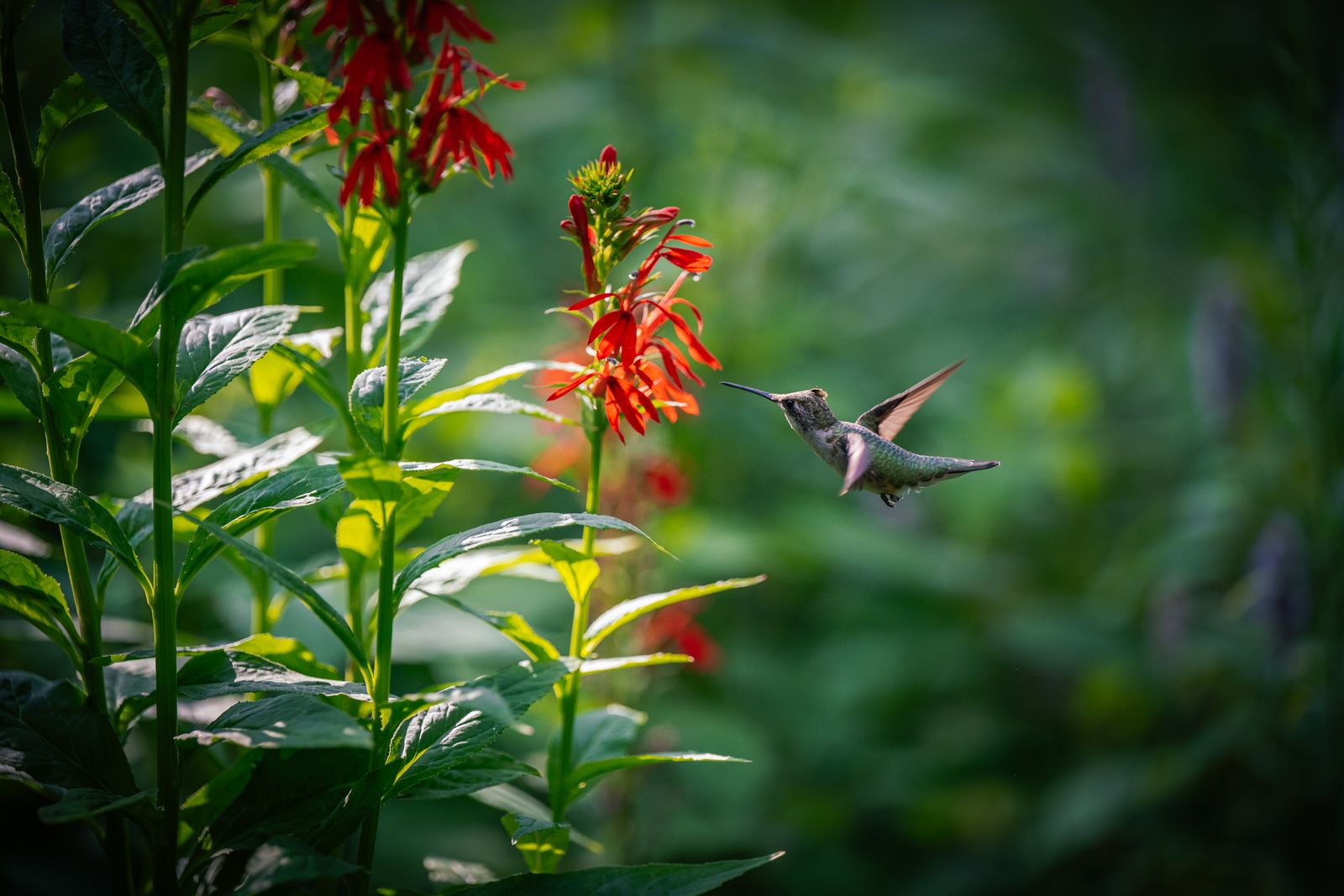
Twilight Garden Decor Ideas: Styling Solar Glass & Plants
To design an ideal twilight garden sanctuary, implement the 60/30/10 ambient lighting rule: 60% low-voltage solar focal points (like a 32 fl. oz. hand-blown glass feeder hung at 5 feet), 30% path lighting (0–1 foot elevation), and 10% background plant uplighting. Pair with dusk-blooming flowers to attract late foragers safely while creating an enchanting evening view.
Essential Elements of Twilight Garden Aesthetic Design
- Lead with the 5-Foot Sightline: Position hand-blown glass focal points 5 feet above ground level for optimal sitting sightlines from patio seats and safety from ground pests.
- Harvest 6 to 8 Hours of Solar Power: Ensure top solar caps receive at least 6 hours of direct daytime sunlight to power up to 8 hours of soft night illumination.
- Crafted at 2,300°F: Hand-blown glass art offers translucent color swirls that shimmer in sunlight and diffuse RGB lighting at night.
- Zero-Spill 32 fl. oz. Protection: Slender reservoirs with anti-rust metal bases and rubberized seals prevent nectar leaks, keeping wasps and ants away.
- Harmonize Color Palettes: Match RGB lighting modes with night-blooming flora like Moonflowers and Evening Primrose across all 4 seasons.
Twilight Design Setup Timeline: From Afternoon Prep to Nightfall Glow
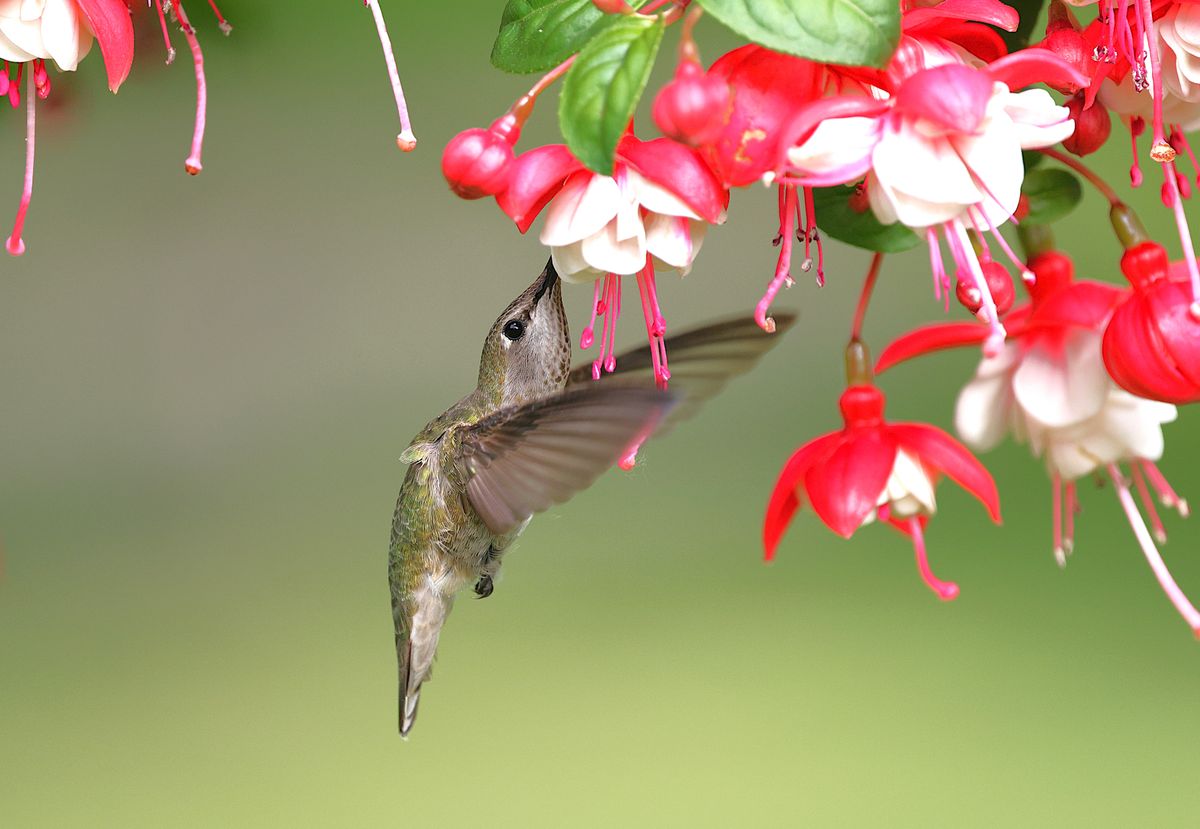
Photo by Veronika Andrews on Pexels
- 2:00 PM (4 Hours Before Dusk) — Inspect your 32 fl. oz. hand-blown glass reservoir. Wipe the top plastic solar cap with a damp microfiber cloth to remove dust, ensuring 100% solar absorption efficiency during peak UV afternoon hours.
- 5:00 PM (1.5 Hours Before Dusk) — Refill the reservoir with a fresh 4:1 water-to-sugar nectar solution. Verify that the anti-rust metal base is tightly screwed onto the leak-proof silicone seal.
- 6:30 PM (Sunset & Initial Dusk) — Hang the feeder exactly 5 feet high on a heavy-duty sheath hook positioned within 10 feet of night-blooming flowers like flowering tobacco or evening primrose.
- 7:30 PM (Civil Twilight to Nightfall) — Observe the automatic dusk-to-dawn sensor engage. Set the RGB lighting cap to a soft, slow transition mode to provide a gentle 360-degree ambient glow for up to 8 hours.
Seasonal Glass & Solar Care Calendar
- Every 3 Days (Warm Weather > 80°F) — Flush the 32 fl. oz. glass chamber with warm water (no harsh detergents). Clean the translucent perches to keep sugar water residue fresh for late dusk visitors.
- Weekly — Clear pollen, rain spots, and bird drops off the top solar cap using a damp cloth. Inspect the anti-rust coated metal base threads for smooth sealing.
- Monthly — Check hanging S-hooks and outdoor tree branches for stability. Ensure mid-level shrub foliage hasn't overgrown to shade the top solar collector.
- First Freeze (< 32°F / 0°C) — Bring hand-blown glass feeders indoors. Store in a temperature-controlled space to prevent water expansion from cracking the artisan glass walls.
5 Lighting and Layout Blunders That Disrupt Dusk Sanctuaries
Avoid these standard decorating traps to protect your local wildlife and ensure long-lasting garden beauty.
Landscape Designer's Dusk Color Pairing Secret
To create compelling visual depth, pair complementary colors between your physical flowers and your glass feeder's illuminated core. If your garden features white or pale yellow evening blooms like Oenothera biennis (Evening Primrose), set your feeder's RGB solar light to warm ruby or deep sapphire. The translucent glass—crafted at 2,300°F—acts as an optical prism, scattering rich color accents onto nearby pale petals without disturbing nocturnal wildlife.
Looking to elevate your outdoor aesthetic with hand-crafted, eco-friendly lighting? Discover the LUJII Solar-Powered Hand-Blown Glass Hummingbird Feeder to instantly add a glowing 32 oz focal point to your evening sanctuary.
Visual Mapping: The 3-Tier Ambient Lighting Sanctuary Layout
Understanding how to layer light vertically creates a breathtaking garden landscape that looks balanced from your porch or patio chairs.
Four-Seasons Twilight Decor & Plant Matrix
| Season | Artisan Glass Hue & Theme | Night-Blooming Plant Companion | Optimal Solar RGB Light Mode |
| --- | --- | --- | --- |
| Spring (Mar–May) | Emerald & Cobalt Glass Swirls | Nicotiana (Flowering Tobacco) | Slow Fade RGB (Gentle Color Cycle) |
| Summer (Jun–Aug) | Ruby & Sunset Amber Glass | Ipomoea alba (Moonflower) | Warm Fixed Ruby / Warm Amber Glow |
| Autumn (Sep–Nov) | Golden Honey & Amethyst | Oenothera (Evening Primrose) | Fixed Emerald / Deep Violet Accent |
| Winter (Dec–Feb) | Frost White & Translucent Solar Art | Winter Jasmine & Evergreen Holly | Soft White Ambient Glow (Indoor Window Display) |
Coordinate your outdoor decor, plant pairings, and solar light modes across all 4 seasons for year-round garden enchantment.
Featured Focal Point: Artisanal Solar Glass Accent
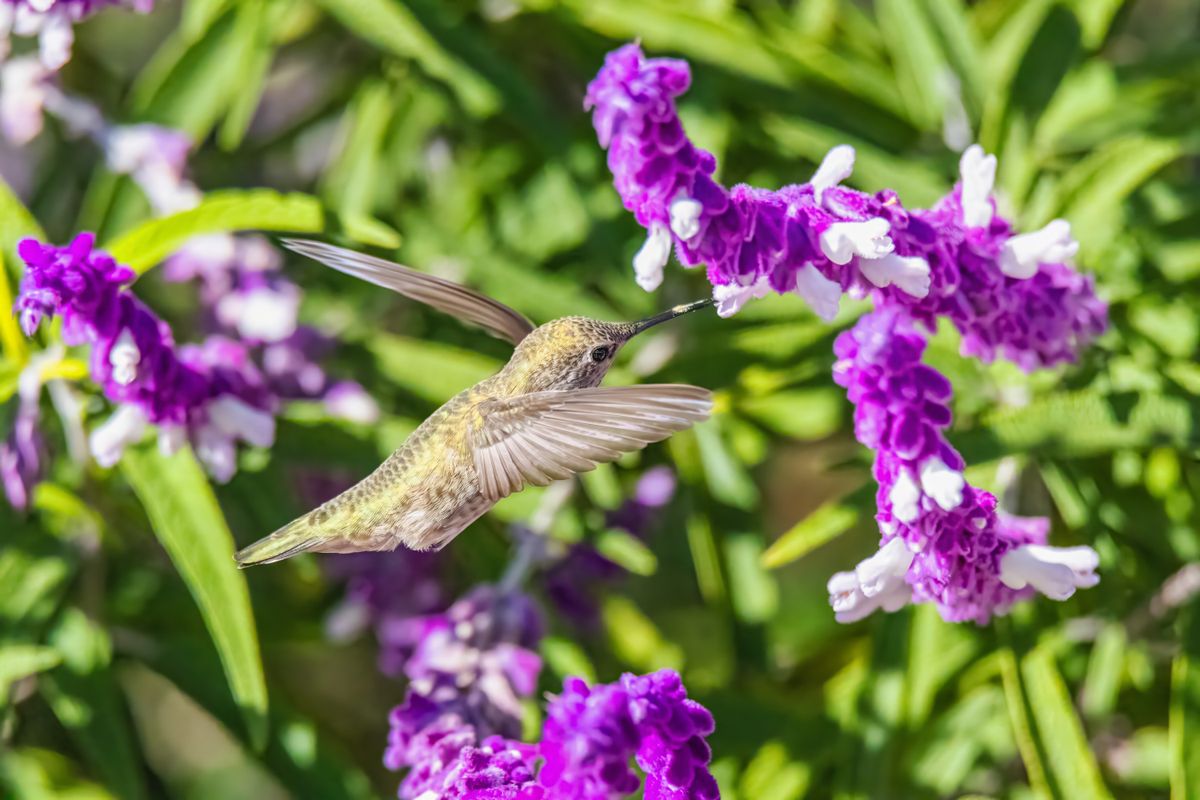
Transform your evening patio experience with a centerpiece that combines centuries-old artisan glass blowing with high-efficiency solar technology.
Your 3-Step Twilight Transformation Plan
Your decision: Select an artisanal hand-blown glass solar feeder as your primary dusk focal point and map your garden sightlines from your primary patio seat.
Do this next: Position your solar glass feeder 5 feet above ground in a spot receiving 6+ hours of daily sunlight, surrounded by night-blooming perennials.
- Read next: Solar-Powered Hand-Blown Glass Hummingbird Feeders
LUJII Solar-Powered Hand-Blown Glass Hummingbird Feeder (32 oz, RGB Lighting)
Ready to design your glowing outdoor sanctuary? Take these immediate actions to get started.
Managing Glass Decor and Solar Efficiency Across US Climate Zones
Tailor your garden layout to your specific regional weather patterns to maximize solar charging and protect delicate glass accents.
Dusk Sanctuary Readiness Checklist
- [ ] Position primary solar glass feeder 5 feet above ground level for optimal porch sightlines.
- [ ] Ensure solar cap receives a minimum of 6 hours of unobstructed daytime sunlight.
- [ ] Set RGB lighting to soft transition mode to avoid abrupt flash patterns near perches.
- [ ] Space secondary ground path lights at least 4-6 feet away from the main feeding area.
- [ ] Verify nectar level through translucent hand-blown glass reservoir before dusk.
Frequently Asked Questions About Twilight Garden Design
Answers to common reader questions about solar garden styling, wildlife comfort, and glass preservation.
Explore Sustainable Garden Styling & Heritage Craftsmanship
Continue exploring eco-friendly outdoor decor and hand-blown glass styling guides:Cover photo by Chris F on Pexels.