Is Hand-Blown Glass Durable Outdoors? Solar Feeder Care & Durability Guide
Should you keep a hand-blown glass solar feeder outdoors year-round? Yes, authentic hand-blown glass crafted at 2,300°F easily resists UV bleaching and high winds, but it will crack if subjected to severe thermal shock (sudden temperature shifts exceeding 30°F) or sub-freezing water expansion. Protecting the glass from freezing nectar and thermal stress ensures decades of vibrant outdoor use.
5-Point Outdoor Glass & Solar Inspection Routine
- [ ] Inspect the 2,300°F hand-blown glass reservoir for hairline cracks or micro-chips near the bottom neck threads.
- [ ] Wipe ambient dirt, pollen, and hard water buildup off the plastic solar cap using a non-abrasive microfiber cloth.
- [ ] Check the anti-rust coated metal base and silicone gaskets to ensure a tight, leak-proof seal under the reservoir.
- [ ] Verify the outside air temperature is safely above 32°F (0°C) before pouring cold nectar into the reservoir.
- [ ] Ensure your hanging hook or shepherd's crook is firmly anchored to absorb strong wind gusts without hitting branches.
Printable Field Care Guide for Solar Glass Feeders
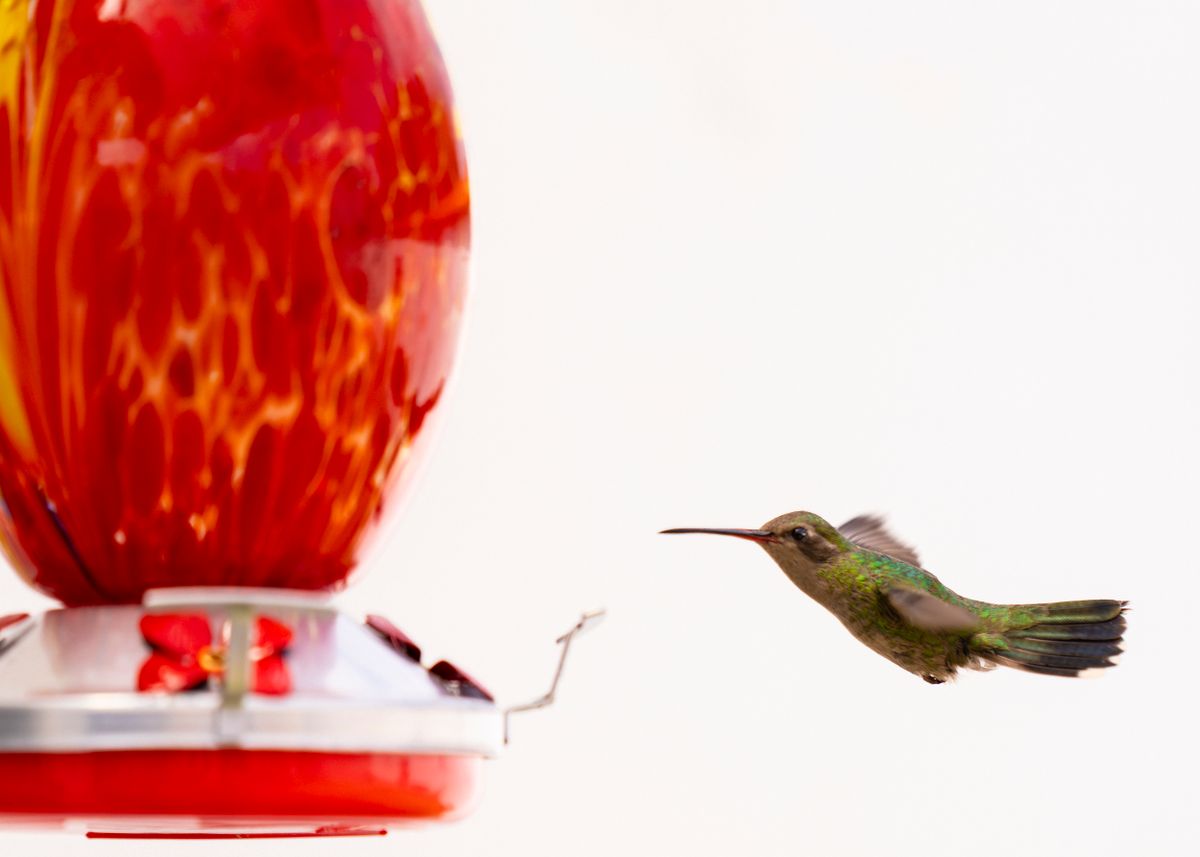
Photo by Iñaki TG Sweater on Pexels
- UV Permanence: Integrated 2,300°F mineral glass colors will never peel or fade in direct sunlight.
- Thermal Safety Rule: Never pour cold liquid into sun-baked hot glass, or hot liquid into cold glass (>30°F delta cracks glass).
- Winter Storage Warning: Always bring hand-blown glass indoors before ambient temperatures drop below 32°F (0°C).
- Solar Cap Cleaning: Wipe top solar collector bi-weekly with diluted white vinegar; never submerge cap underwater.
- Base Care: Clean anti-rust coated metal port threads monthly to prevent nectar crystallization and keep perches clear.
Pro Tip: Avoiding Thermal Shock During Summer Refills
Hand-blown glass expands and contracts uniformly when high-heat annealing is performed properly during crafting. However, sudden local temperature spikes trigger stress fractures along structural curves. If your feeder has been hanging in 95°F direct sunlight, never rinse or refill it with 55°F cold tap water! Allow the hand-blown glass to rest in ambient shade for 15 minutes before washing with lukewarm water. Keeping fluid temperature within 20°F of the glass surface eliminates thermal shock stress entirely.
Troubleshooting Outdoor Failure Modes: Glass & Solar Cap
| Failure Mode | Primary Cause | Immediate Prevention Step | Long-Term Solution |
| --- | --- | --- | --- |
| Stress Cracks in Glass Reservoir | Thermal shock from rapid liquid temperature shifts or winter freeze expansion | Empty nectar immediately if freezing weather approaches; match water temperature to glass when washing | Store glass indoors below 32°F; only buy glass annealed slowly from 2,300°F molten silicate |
| Dim or Flickering Solar RGB Lights | Cloudy mineral haze on plastic solar cap or insufficient daylight charge | Wipe solar collector lens with damp microfiber cloth and mild vinegar to remove mineral film | Position feeder where the solar cap receives 6-8 hours of direct, unshaded daily sunlight |
| Nectar Drips from Metal Base | Worn silicone base seal or unaligned thread alignment during refilling | Unscrew metal base, realign internal gasket, and tighten hand-tight without cross-threading | Inspect anti-rust metal coating annually for mechanical deformation or thread wear |
| Solar Cap Water Intrusion | Submerging the top cap in wash basin or high-pressure spray during cleaning | Pat solar cap dry immediately and place in dry sunny area for 24 hours to air out internal circuit | Clean solar cap with surface wipes only; never submerge electrical housing in standing water |
Identify early indicators of glass stress, solar panel oxidation, or base leaks before catastrophic failure occurs.
Embedded-Pigment Glass vs. Surface-Painted Glass Durability
| Outdoor Scenario | 2,300°F Fused Hand-Blown Glass | Surface-Painted Cheap Glass | Polycarbonate Plastic |
| --- | --- | --- | --- |
| High UV Sun Exposure (Full Summer Direct Sun) | Zero fading or flaking. Mineral oxides are permanently fused inside glass matrix. | Paint cracks, flakes, and bleaches within 3 to 6 months of direct UV exposure. | Yellows, turns brittle, and clouds over due to solar UV degradation. |
| High Wind Gusts & Tree Swaying | 32 fl.oz heavy mass provides steady stability, lowering wind-induced sway. | Light thin glass sways violently and chips easily against branch contacts. | Lightweight body violently sways, flinging nectar out of feeding ports. |
| Hard Water & Acid Rain Contact | Impervious non-porous silica surface clears easily with mild vinegar rinse. | Acidic precipitation degrades paint binder, causing colors to peel off. | Micro-scratches trap hard water minerals and algae growth permanently. |
| Thermal Cleaning Shifts (>30°F Temp Delta) | Resists moderate shifts if properly annealed, though extreme shock can crack it. | Prone to cracking at stress lines beneath brittle surface paint coatings. | Resists thermal shock cracking, but warps under very hot water washing. |
Compare how authentic 2,300°F hand-blown glass performs against cheap surface-painted alternatives across real outdoor scenarios.
Immediate Actions for Backyard Glass Protection
Your decision: Assess your regional climate zone and current outdoor temperature before hanging or maintaining glass decor.
Do this next: Inspect your outdoor hand-blown glass for micro-fractures, wipe the solar collector cap with a damp microfiber cloth, and prepare indoor storage if freezing temperatures are forecast.
Related resource: Download our printable seasonal glass care card for quick garden shed reference.
LUJII Hand-Blown Glass Solar Hummingbird Feeder (32 oz Capacity, Multi-Mode RGB Solar Lights, Anti-Rust Metal Base).
Take these simple steps right now to protect your glass solar feeder based on your current local weather.
Key Takeaways: Keeping Glass Vibrant and Crack-Free
Keep these vital rules top of mind to ensure your outdoor glass decor lasts for years.
Seasonal Outdoor Maintenance Schedule
- Spring Setup — Inspect glass body for winter storage chips; clean metal feeding ports; test solar battery by charging cap in direct sun for full day.
- Summer Mid-Season — Wipe plastic solar cap bi-weekly to clear pollen haze; avoid cold tap refills on sun-baked hot glass; change nectar every 2-3 days.
- Early Autumn Check — Clear autumn leaf debris off solar collector top; check metal base for nectar buildup; verify night RGB light duration.
- Winter Freeze Prep — Bring glass feeder indoors before first freeze (<32°F); dry thoroughly; remove solar batteries if storing longer than 3 months.
Critical Errors That Ruin Hand-Blown Solar Glass
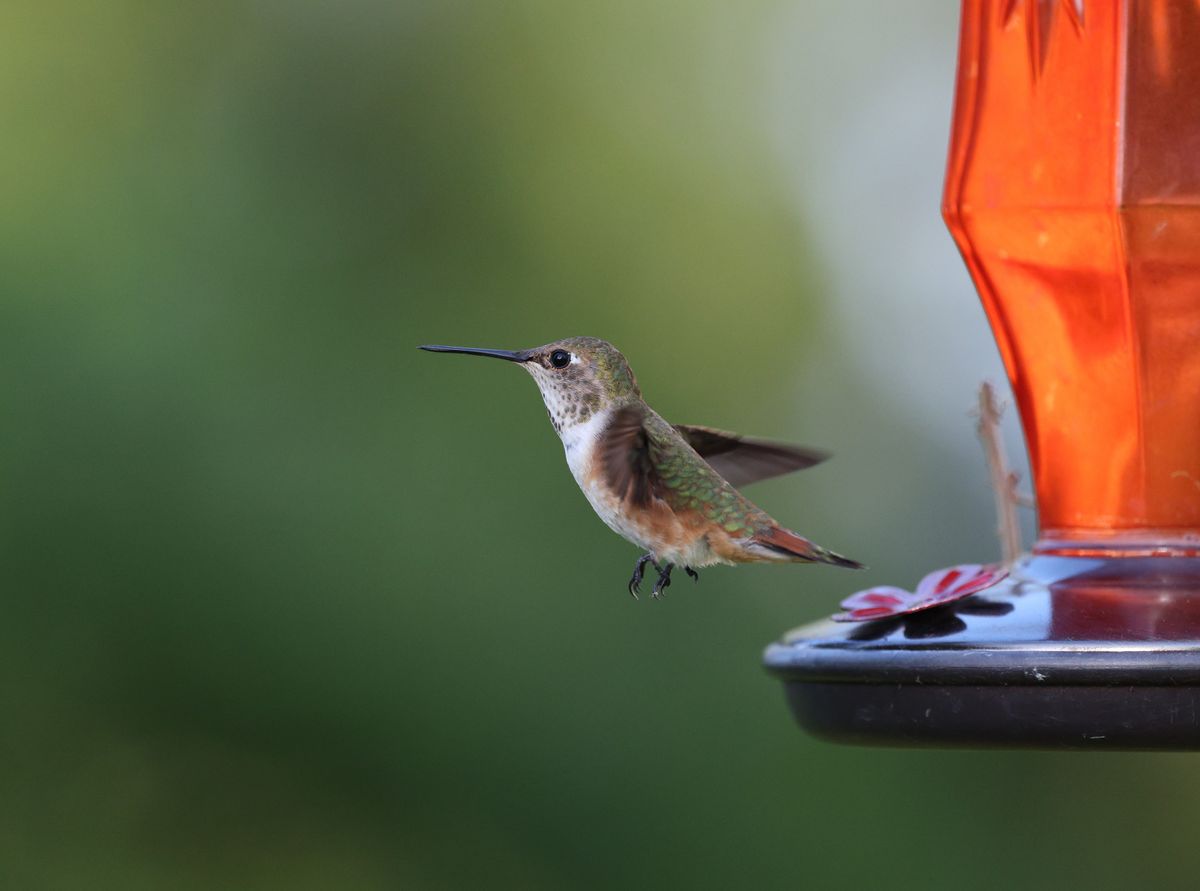
Photo by Veronika Andrews on Pexels
Avoid these common maintenance blunders that lead to shattered glass or dead solar modules.
Lifecycle Expectancy of Artisan Glass & Solar Components
- Years 1 to 3 — Hand-blown glass color remains 100% vibrant with zero UV fading. Metal anti-rust coating prevents structural corrosion. Solar cap charges to full 8-hour RGB night lighting capacity.
- Years 4 to 5+ — Glass reservoir retains original brilliance and structural strength. Solar plastic cap may require periodic vinegar polishing to restore optical clarity from hard water scaling.
Related Backyard Decor Care Guides
- How to Incorporate Hand-Blown Glass Decor into Your Backyard Bird Sanctuary
- Best Hand-Blown Glass Garden Decor: 2024 Buying & Light-Play Guide
- How to Incorporate Hand-Blown Glass Art Into Modern Landscape Designs
Hand-Blown Glass Durability & Solar Care FAQ
Answers to the most frequent questions regarding outdoor glass strength and solar cell operation.
Recommended Artisan Solar Hummingbird Feeders
Bring handcrafted elegance and long-lasting durability to your garden with our top-rated solar glass feeder setup.
Final Steps to Protect Your Solar Glass Feeder
Your decision: Choose between year-round maintenance protocols and seasonal freeze protection based on your local climate zone.
Do this next: Inspect your glass feeder for micro-cracks, wipe down the solar panel cap, fill with fresh nectar at ambient temperature, and display in full sunlight for optimal charging.
Related resource: Download our complete Glass Care & Solar Maintenance Checklist PDF.
🌟 LUJII Solar-Powered Hand-Blown Glass Hummingbird Feeder — Craftsmanship that illuminates your garden night after night.
Follow this final checklist to guarantee your handcrafted glass feeder stays stunning season after season.
Cover photo by Veronika Andrews on Pexels.