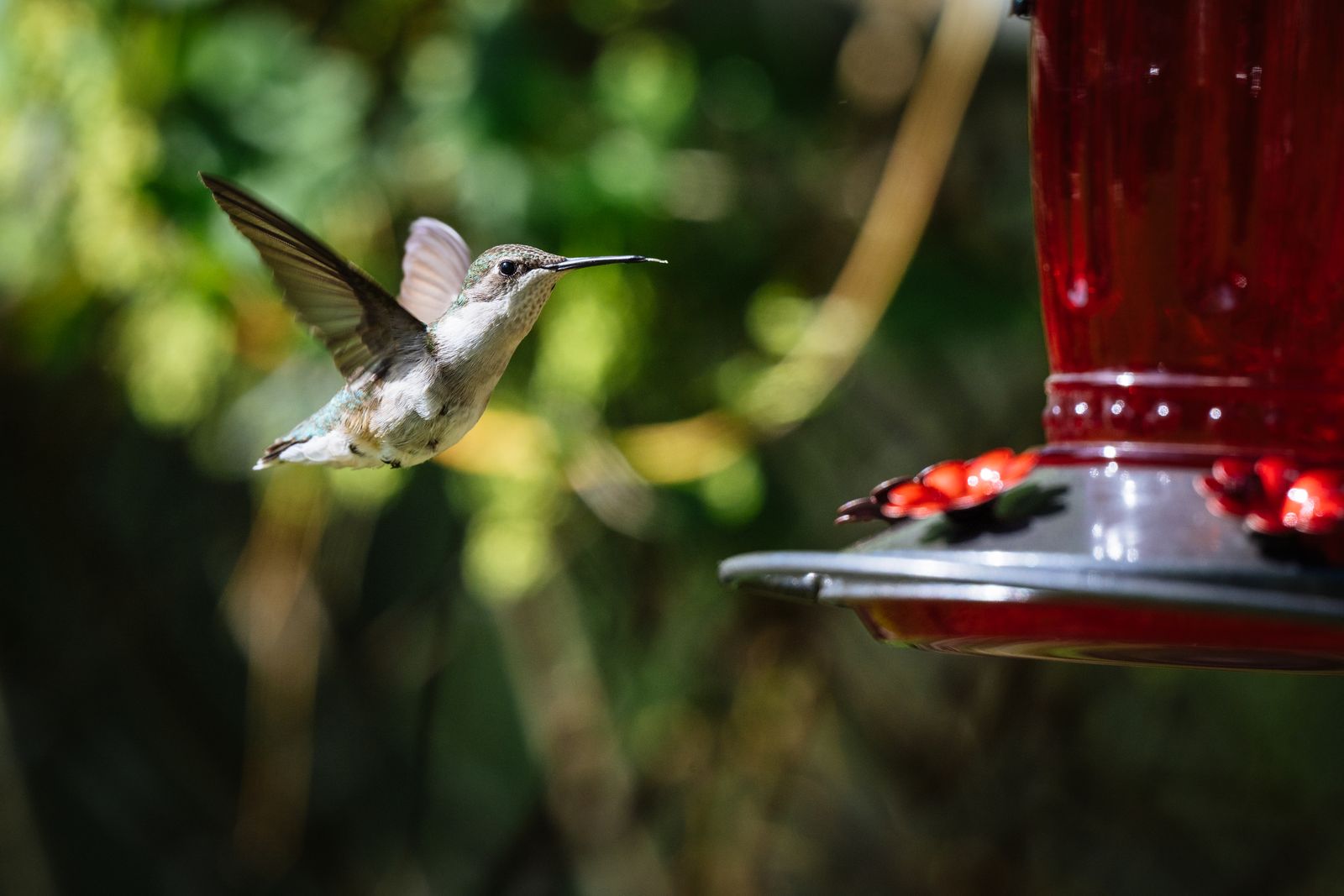
Plastic Hummingbird Feeder Chemical Leaching in Solar Heat: Scientific Risks & Glass Alternatives
Should you replace your plastic hummingbird feeder with an inert glass feeder to protect visiting birds from solar chemical leaching? Yes. When solar radiation heats plastic reservoirs above 85°F, chemical additives including phthalates, bisphenol substitutes (BPS/BPF), and microplastics leach directly into warm, acidic sugar water. Replacing heat-sensitive plastics with non-reactive hand-blown glass completely eliminates chemical migration risks.
Thermal Degradation Matrix: Plastic Failure Modes at High Temperatures
| Temperature Threshold | Polymer State / Material | Primary Failure Mode | Avian Toxicity Index |
| --- | --- | --- | --- |
| 75°F - 84°F | Polyethylene Terephthalate (PET / SPI Code 1) | Initial UV photolysis; minor plastic odor release. | Low Risk |
| 85°F - 94°F | Polycarbonate / Mixed Plastic (SPI Code 7) | Thermal polymer softening; bisphenol derivative leaching into sugar solution. | High Risk |
| 95°F - 104°F | Polystyrene / Rigid Acrylic (SPI Code 6) | Styrene monomer migration, rapid surface crazing, micro-crack formation. | Critical Risk |
| 105°F+ | Low-Quality PVC / Plastic Resin (SPI Code 3) | Severe structural warping, rapid phthalate shedding, acidic nectar acceleration. | Severe Toxic Hazard |
| All Temp Ranges (up to 2,300°F formation) | Artisan Hand-Blown Colored Glass | Zero chemical leaching, 100% chemically inert, reflects/blocks UV degradation. | Completely Safe |
Understanding how different feeder materials behave under direct thermal radiation highlights severe structural and chemical failure points in common synthetic polymers.
Solar Radiation Breakdown: Plastic Micro-Cracking vs. Inert Glass Shielding
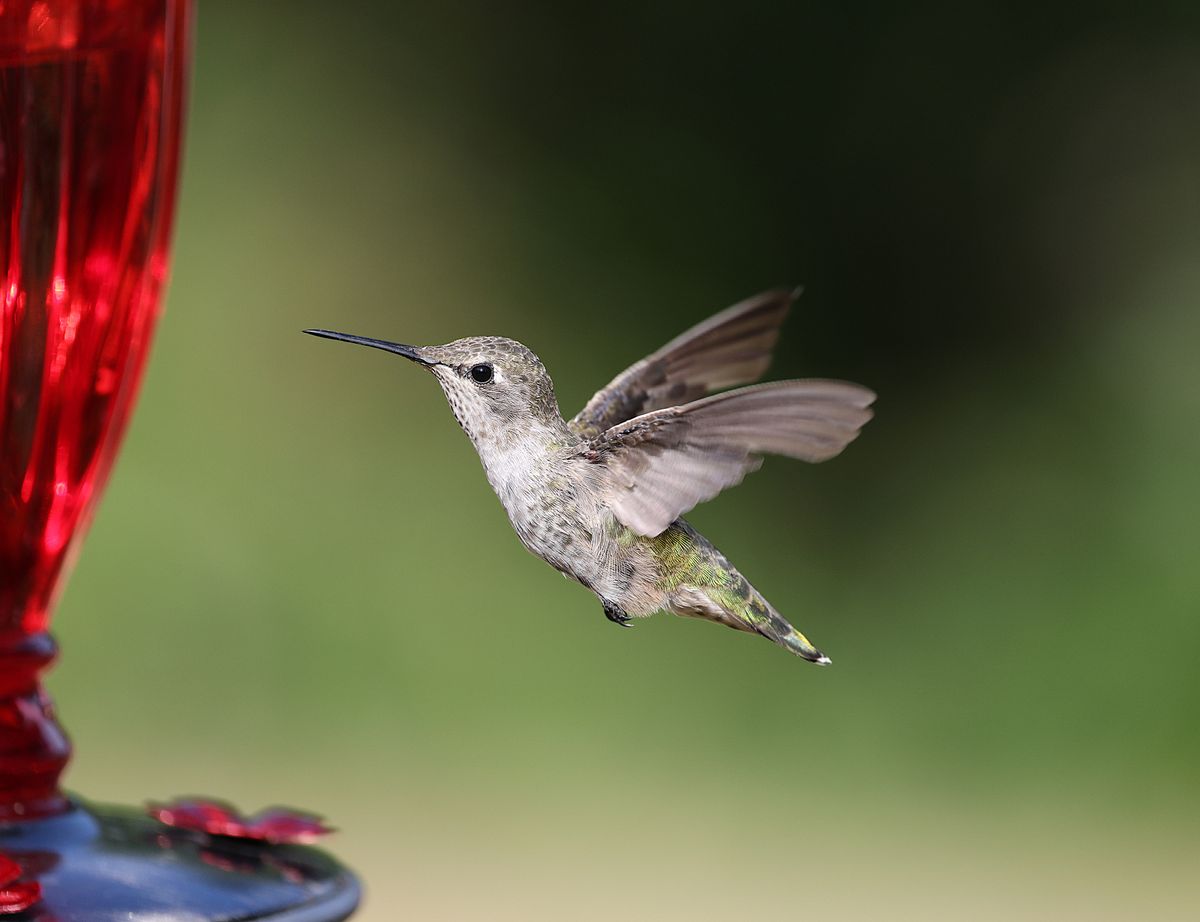
Photo by Veronika Andrews on Pexels
Visualizing microscopic solar photon interaction with plastic polymer chains versus thick hand-blown colored glass.
Summer Plastic Feeder Risk Audit Checklist
- [ ] Check for surface cloudiness or yellowing caused by solar UV photolysis.
- [ ] Inspect the interior reservoir wall for micro-cracks (crazing) that harbor bacteria and shed microplastics.
- [ ] Smell the interior nectar chamber when empty—a synthetic plastic odor indicates volatile organic compound off-gassing.
- [ ] Verify the SPI resin identification code stamped on the bottom (avoid Codes 3, 6, and non-BPA-free 7).
- [ ] Test for material softening or structural warping after exposure to peak 2 PM summer sunlight.
- [ ] Confirm if nectar temperature inside exceeds 85°F during midday hours.
SPI Recycling Codes 1–7: Avian Toxicity & Heat Stability Guide
A visual reference breakdown identifying resin safety levels for wild bird feeding under direct sunlight.
Avian Physiologist Tip: Biological Vulnerability and Micro-Dosing
Because hummingbirds consume up to double their body weight in nectar daily to sustain heart rates exceeding 1,200 beats per minute, their metabolic absorption rate is exceptionally high. Low concentrations of synthetic estrogen mimics (like bisphenols and phthalates) that might produce negligible effects in larger animals are rapidly assimilated into a hummingbird's bloodstream. Protecting these tiny visitors requires eliminating synthetic chemical contacts altogether by using non-reactive, hand-blown glass reservoirs.
Frequently Asked Questions About Nectar Heat & Leaching
Key answers regarding material physics, sun degradation, and safe feeder selection.
How to Transition Your Yard to Heat-Safe Feeding Equipment
Your decision: Determine if your current hummingbird feeder uses heat-vulnerable plastic (SPI Codes 3, 6, 7) or non-reactive materials.
Do this next: Audit your backyard feeders for cloudiness, fine crazing cracks, or synthetic odors. Replace degraded plastic units with non-leaching, hand-blown glass solar feeders.
- Read next: Hot Weather Nectar Ratios: How to Keep Hummingbird Food Fresh in Summer
- Read next: Is Red Dye Safe for Hummingbirds? Myths, Dangers, and Safe Nectar Alternatives
Upgrade to a LUJII Hand-Blown Glass Solar Hummingbird Feeder featuring a non-reactive 32 fl.oz glass reservoir and ambient RGB solar illumination.
Follow these practical steps to audit your backyard setup and upgrade to non-leaching materials.
Summary: Protecting Hummingbirds from Solar Chemical Exposure
Essential takeaways for maintaining clean, chemical-free nectar in hot weather.
Feeder Material Choice: Evaluating Risk vs. Durability
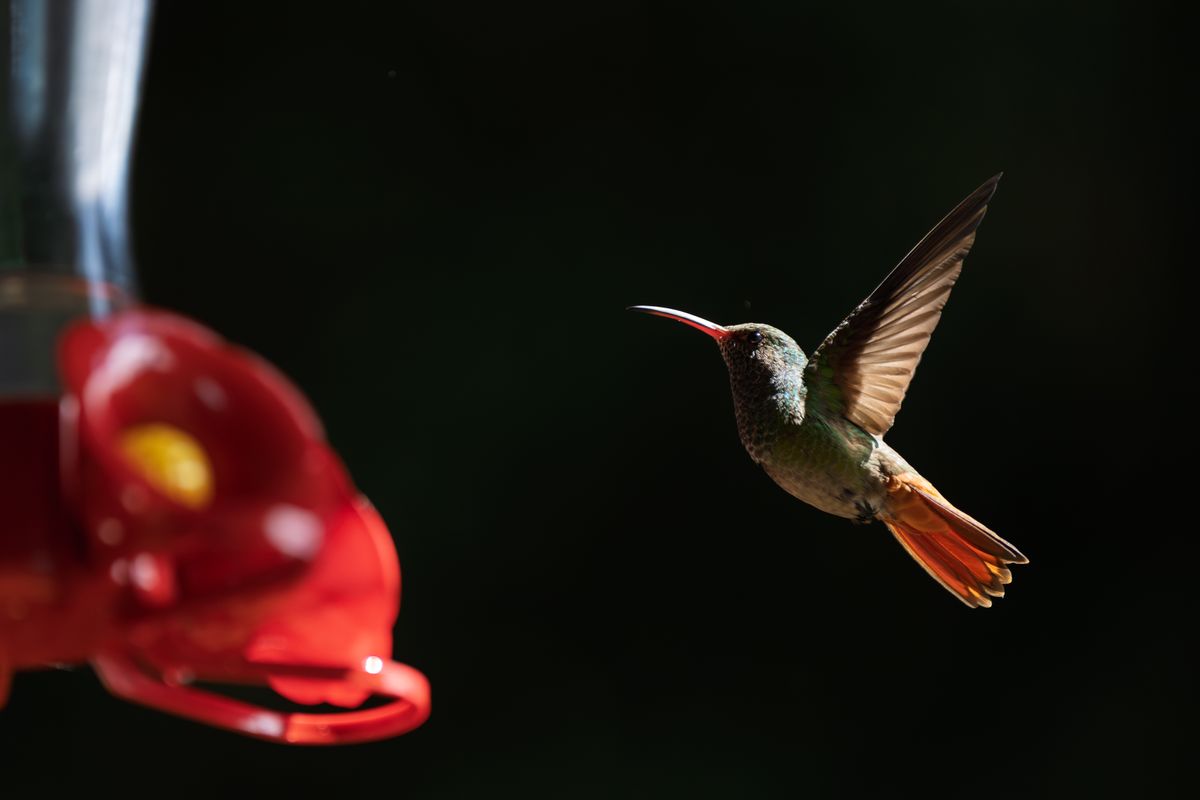
Photo by Mario Spencer on Pexels
When ambient temperatures exceed 85°F, solar radiation causes standard plastic feeders to leach synthetic chemicals into warm sugar water. Switching to non-reactive hand-blown glass completely removes leaching hazards while offering superior thermal insulation and aesthetic appeal.
Best choice for
- Hand-Blown Glass Solar Feeders — Thick colored glass resists thermal expansion, does not off-gas, and prevents chemical transfer into nectar.
- Solar RGB Hand-Blown Glass Feeders — Combines non-leaching nectar storage with self-charging solar illumination that glows for up to 8 hours after dark.
- Using thin clear plastic feeders in direct summer afternoon sunlight.
- Hanging low-cost polycarbonate or polystyrene units in regions with high UV indexes.
- High-Grade Stainless Steel Base with Glass Body — Offers complete corrosion resistance, non-leaching nectar contact, and high structural durability.
Microscopic Photolysis and Acidic Nectar Interaction
When direct solar radiation strikes synthetic polymers, ultraviolet (UV) photons collide with carbon-carbon bonds within the plastic matrix. This chemical process—known as photodegradation or polymer chain scission—breaks long polymer chains into shorter, unstable fragments. In a standard plastic hummingbird feeder, this structural breakdown is compounded by two environmental forces: thermal radiation and acidic hydrolysis.
Hummingbird nectar (a standard 4:1 water-to-refined-white-sugar ratio) has a mildly acidic to neutral pH level. As sunlight heats the solution above 85°F (29°C), thermal kinetic energy accelerates chemical diffusion. Plastic additives such as phthalates (used to make plastics flexible), bisphenol compounds (used to harden resins), and organotin stabilizers migrate out of the expanding polymer pores and dissolve into the warm liquid.
``` [ Solar UV Photons ] + [ Peak Midday Heat (>85°F) ] │ ▼ [ Polymer Chain Scission in Plastic Reservoir ] │ ▼ [ Chemical Additives (BPA/BPS/Phthalates) Dissolve ] │ ▼ [ Acidic Nectar Contamination (Consumed by Hummingbirds) ] ```
The 'BPA-Free' Misconception: Substitute Compounds Under Heat
Many commercial wild bird products carry a 'BPA-Free' marketing label. However, polymer chemists recognize that replacing Bisphenol A (BPA) frequently involves substituting structurally similar analogs, such as Bisphenol S (BPS) or Bisphenol F (BPF).
Research published in environmental toxicology literature indicates that BPS and BPF exhibit similar endocrine-disrupting toxicity levels when subjected to thermal stress and UV radiation. Under prolonged solar exposure, BPA-free plastics still release bioactive compounds that can interfere with avian metabolic and reproductive systems.
Why Hand-Blown Glass Is Completely Chemically Inert
Unlike synthetic resins formed from petrochemical chains, glass is formed by fusing natural silica sand, soda ash, and limestone at temperatures exceeding 2,300°F (1,260°C). At standard outdoor operating temperatures (even in extreme 115°F desert heat), glass remains entirely non-reactive.
- Zero Chemical Migration: Glass contains no phthalates, bisphenols, or synthetic plasticizers.
- Impermeable Surface Density: High-density fused glass lacks microscopic pores, preventing bacterial colonization inside structural wall grooves.
- Superior Thermal Barrier: Thick hand-blown glass walls provide better thermal mass than thin plastic sheets, dampening rapid temperature spikes in internal nectar.
Feeder Material Safety Comparison Across Thermal Criteria
| Evaluation Criteria | Standard PET Plastic | Polycarbonate Resin (Code 7) | Artisan Hand-Blown Glass |
| --- | --- | --- | --- |
| Chemical Leaching Risk (>85°F) | Moderate (Off-gasses monomers) | High (Leaches bisphenol substitutes) | Zero (100% chemically inert) |
| UV Resistance Rating | Poor (Yellows and degrades) | Moderate (Crazes over time) | Excellent (Impenetrable to UV decay) |
| Thermal Insulation Mass | Extremely Low (Rapid heating) | Low (Heats nectar quickly) | High (Thick wall buffers heat) |
| Micro-Crack Formation | High (Scratches easily) | High (Develops micro-crazing) | None (Non-porous solid body) |
| Avian Physiological Safety | Conditional (Cold temp only) | Unsafe in direct sun | Optimal (Safe year-round) |
Evaluating feeder construction materials under intense sun and thermal stress using strict performance criteria.
5 High-Risk Feeding Mistakes That Accelerate Chemical Leaching
Avoid these frequent maintenance and placement errors that compromise plastic feeder safety during hot months.
Further Reading on Summer Nectar Care & Garden Safety
Explore additional guides to keep your wild bird feeding station safe, clean, and vibrant.
Artisan Hand-Blown Solar Glass Feeders for Total Nectar Safety
Upgrade your garden with handcrafted, non-leaching feeders that protect birds by day and illuminate your yard by night.
Summary Action Plan for Safe Summer Feeding
Your decision: Transition from sun-degraded plastics to inert hand-blown glass.
Do this next: Audit current feeders for micro-cracks and synthetic odor. Replace high-risk plastic units with LUJII hand-blown glass solar feeders for pure nectar and twilight illumination.
- Read next: Hot Weather Nectar Ratios: How to Keep Hummingbird Food Fresh in Summer
Upgrade to a LUJII Hand-Blown Glass Solar Hummingbird Feeder featuring a non-reactive 32 fl.oz glass reservoir and ambient RGB solar illumination.
Take immediate steps to inspect your garden setup and eliminate synthetic chemical risks.
Cover photo by Chris F on Pexels.