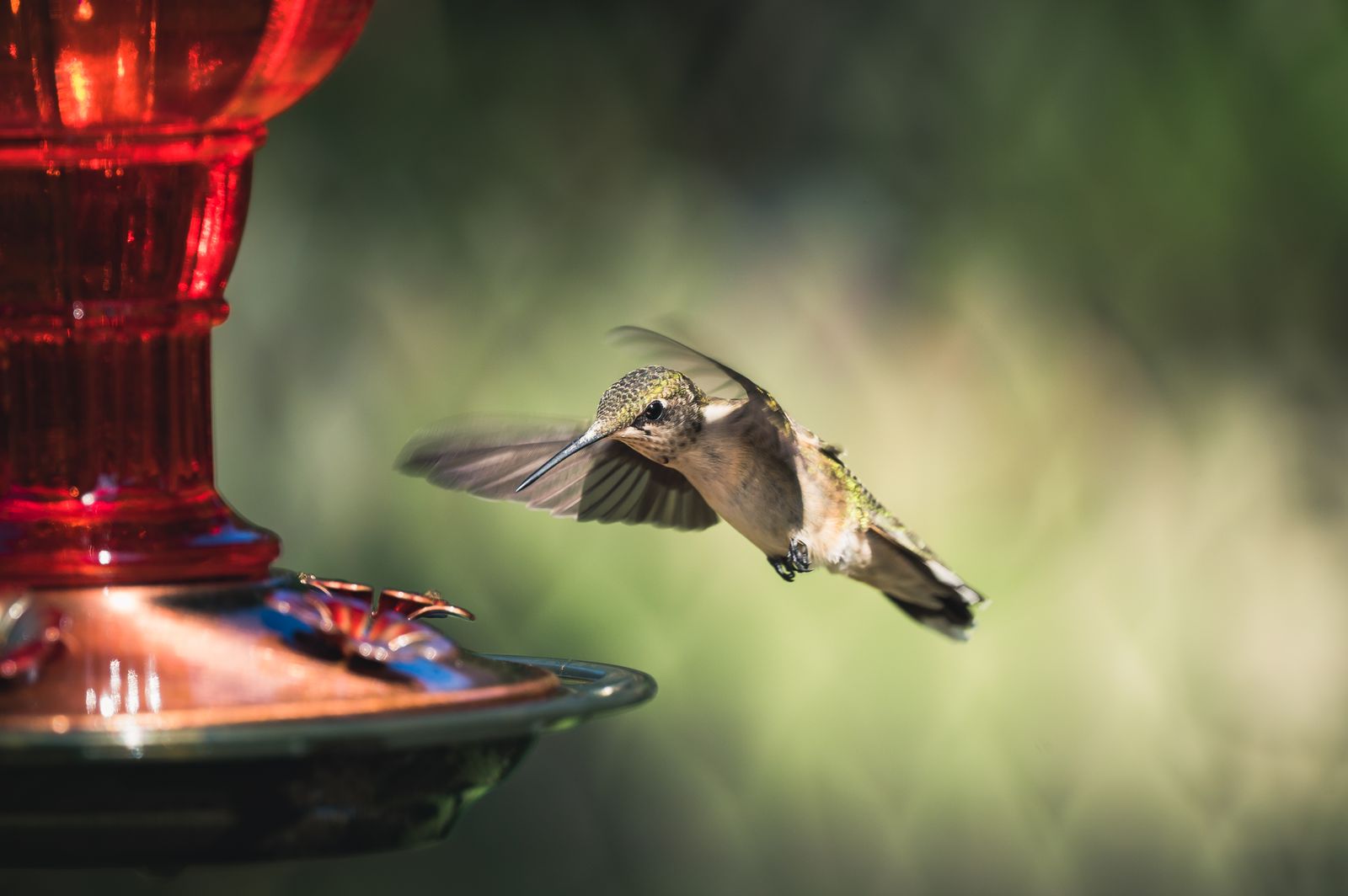
Glass vs. Plastic Solar Hummingbird Feeder: Full Material Comparison
Hand-blown glass solar hummingbird feeders are the superior choice over plastic for long-term outdoor durability, nighttime RGB light diffusion, and nectar heat insulation. While plastic feeders offer a lighter, low-cost temporary option, hand-blown glass withstands UV degradation, prevents rapid solar heat transfer, and transforms your evening garden with an artisan twilight glow.
Solar Feeder Material Comparison Matrix
| Performance Criteria | Hand-Blown Glass Solar Feeder | Molded Plastic Solar Feeder |
| --- | --- | --- |
| Nighttime RGB Light Diffusion | Prismatic refractive scattering through 2,300°F hand-blown glass swirls creates soft, multi-directional garden ambient glow. | Direct light beams pass straight through smooth acrylic with minimal diffusion, causing harsh focal points. |
| UV Resistance & Optical Clarity | 100% permanent optical clarity; never fogs, yellows, or degrades under intense ultraviolet sunlight exposure. | Prone to solar UV degradation; fogs, micro-cracks, and turns yellow after 1–2 seasons of direct sun. |
| Nectar Heat Insulation | Thick glass thermal mass buffers against rapid temperature spikes, delaying nectar fermentation during peak summer heat. | Thin acrylic walls conduct solar heat rapidly, accelerating nectar souring and spoilage during hot afternoons. |
| Wind Stability & Weight | Heavier 2.5–3.0 lb filled weight resists wind swaying, minimizing nectar sloshing and drip leakage. | Lightweight 1.0–1.2 lb filled weight sways easily in moderate breezes, increasing tipping and drip risk. |
| Maintenance & Scratch Resistance | Hard, non-porous glass resists micro-scratches where mold hides; safe for warm vinegar rinses. | Soft acrylic surface easily scratches during scrubbing, creating microscopic crevices for bacterial buildup. |
| Artisan Decor & Aesthetics | Handcrafted heritage art vessel; each unit features unique color swirls, curves, and vibrant patterns. | Mass-produced molded plastic appearance with visible seam lines, dull reflections, and industrial finish. |
Compare how hand-blown glass and molded plastic perform across critical solar lighting, bird safety, and structural criteria.
Material Trade-offs: Hand-Blown Glass vs. Acrylic Plastic
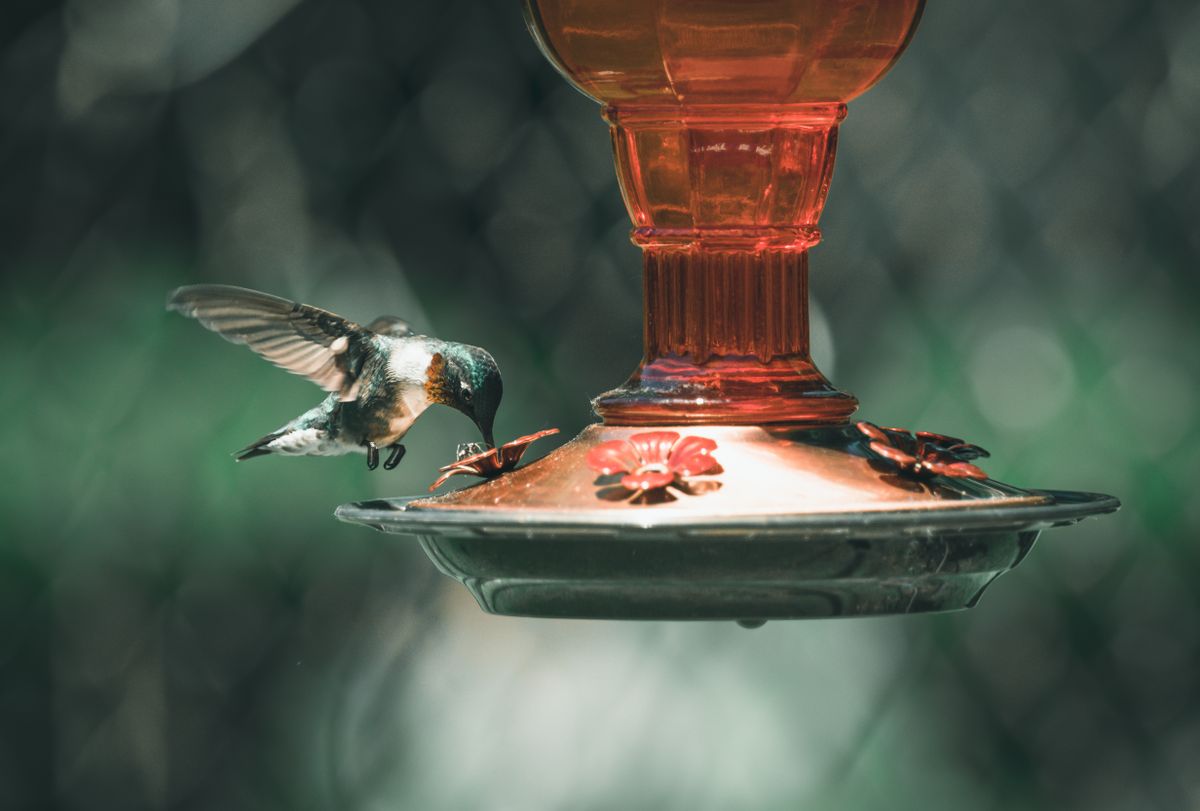
Choosing between artisan glass and utility plastic involves balancing initial investment against long-term beauty, stability, and nectar safety.
Hand-Blown Glass Solar Feeders
- Pros:
- Cons:
Molded Plastic Solar Feeders
- Pros:
- Cons:
Our Top Recommendation for Your Backyard Sanctuary
For garden enthusiasts seeking the perfect harmony of artisan beauty, hummingbird health, and magical evening ambiance, the LUJII Hand-Blown Glass Solar Hummingbird Feeder is the clear winner.
Crafted by glass artisans at 2,300°F, each 32 fl. oz. reservoir features unique color swirls that turn daytime sunlight into a focal piece and nighttime solar power into a glowing light display. Equipped with multi-mode RGB solar LEDs, an anti-rust coated metal base, and a waterproof solar cap, it delivers years of drip-free joy.
Expert Insight: Nectar Thermal Safety in Direct Sun
Nectar fermentation accelerates rapidly when internal fluid temperatures exceed 85°F (29°C), converting healthy sucrose into harmful bacterial sludge. Thin plastic feeder walls act like miniature greenhouse conductors, heating internal liquid up to 12°F hotter than ambient air within two hours of afternoon exposure. In contrast, high-density hand-blown glass acts as a thermal buffer, delaying heat absorption by up to 2.5 hours. Placing your glass solar feeder where it receives morning sun for solar charging and afternoon shade ensures cool nectar for hummingbirds and a fully charged RGB battery for your evening garden glow.
Frequently Asked Questions About Solar Hummingbird Feeders
Got questions about nighttime lighting, winter care, or cleaning delicate glass? Here are straightforward answers to common solar feeder questions.
Key Differences at a Glance
- Illumination Quality: Hand-blown glass refracts solar RGB light into a magical ambient splash; plastic produces a concentrated light spot.
- Nectar Safety: Glass insulated reservoirs prevent rapid solar heating and fermentation; plastic conducts afternoon ambient heat quickly.
- Durability & UV: 2,300°F crafted glass never yellow or crack under solar UV rays, whereas acrylic plastic degrades within 12 to 24 months.
- Wind Resistance: Glass feeders weigh 2.5–3.0 lbs filled, preventing wind-induced swaying and nectar dripping.
How to Choose the Right Solar Feeder for Your Climate and Style
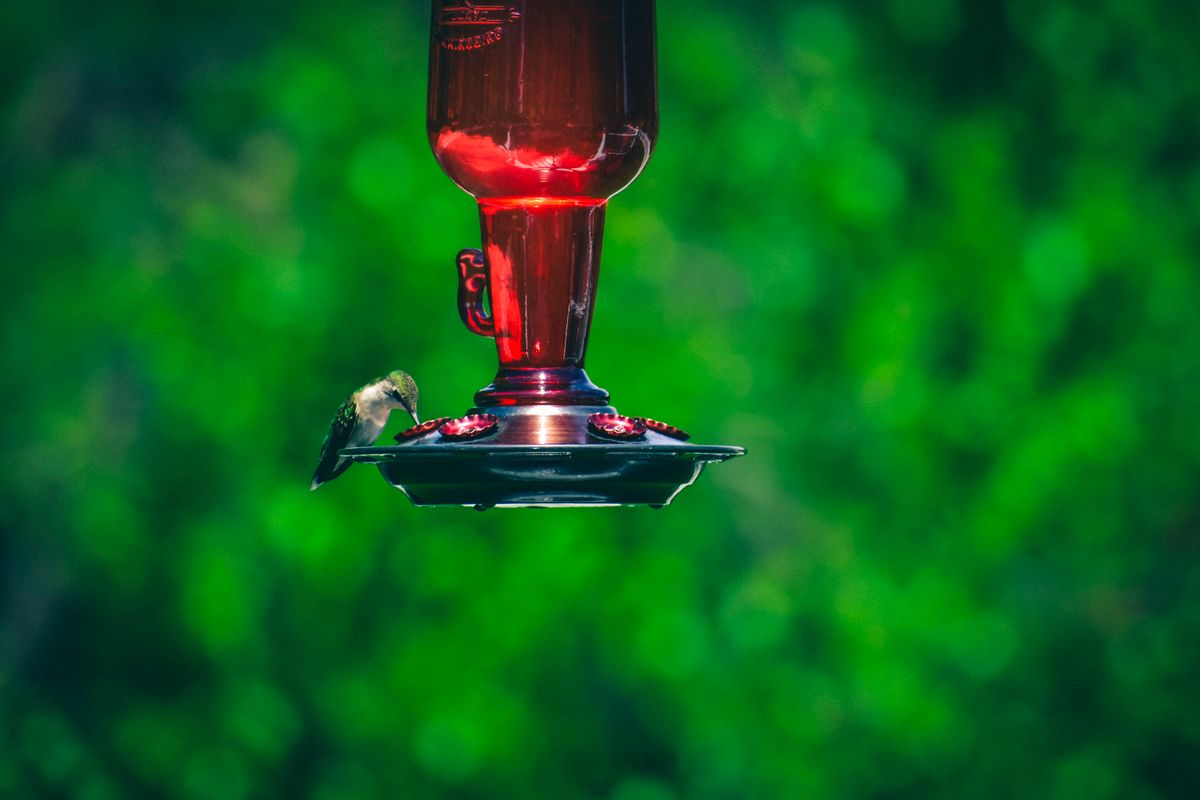
Hand-blown glass solar feeders are the superior choice for gardeners seeking brilliant RGB light diffusion, nectar heat insulation, and zero UV degradation. Plastic feeders serve well as temporary, lightweight, low-budget options.
Best choice for
- Hand-Blown Glass Solar Feeder — Handcrafted 2,300°F glass refractor patterns amplify solar RGB LED glow into a mesmerizing twilight pattern without sun yellowing.
- Hand-Blown Glass Solar Feeder — Thick glass provides better thermal stability than thin acrylic, delaying nectar spoil and fermentation.
- Molded Plastic Solar Feeder — Shatterproof plastic carries a lower initial cost and is lighter for temporary hooks.
- Avoid plastic feeders if you live in high-UV regions (e.g., Arizona, Florida) where acrylic quickly fogs, yellowing solar illumination within one season.
- Avoid glass feeders if hanging from unanchored posts in hurricane-force wind paths without heavy duty shepherd hooks.
- Standard Glass Feeder without Solar LED — Ideal if you desire artisan aesthetic but have zero daytime sunlight exposure on your porch.
Real-World Garden Scenarios: Glass vs. Plastic Performance
Peak Midday Heatwave (95°F Ambient Sunlight) — Choose Hand-Blown Glass. The high thermal mass of glass maintains lower nectar temperatures up to 2.5 hours longer than thin plastic, preventing rapid sugar fermentation and toxic fungal growth during hot afternoon feeding hours.
Sunset & Twilight Garden Entertaining — Choose Hand-Blown Glass. The organic variations and artisan swirls in 2,300°F handcrafted glass act as natural prisms, scattering the RGB solar light into a soft, inviting ambient splash across your garden wall and patio.
Brisk Afternoon Wind Gusts (15–20 mph) — Choose Hand-Blown Glass on a sturdy shepherd hook. The 32 fl. oz glass reservoir adds necessary ballast (2.5–3 lbs total weight), keeping feeding ports stationary while lightweight plastic feeders tilt and drip nectar onto the ground.
See how material differences play out across different climate conditions and garden setups.
To understand why a solar feeder transforms a dusk garden, one must look at optical physics. A solar hummingbird feeder relies on a top-mounted photovoltaic panel that charges an internal Ni-MH battery during daylight hours. At dusk, an automatic light sensor activates micro RGB LEDs inside the cap.
When light emits from an LED inside a molded plastic feeder, it encounters uniform, flat acrylic walls. Because plastic has a low refractive index and flat surface geometry, light rays travel straight through with minimal bending. The visual result is a pinpoint beam—a harsh spot of light in the dark that fails to illuminate the surrounding space.
In contrast, hand-blown glass created at 2,300°F contains subtle variations in thickness, delicate glass ribbons, and handcrafted color swirls. As the internal solar LEDs glow, these artisan curves act as microscopic lenses and prisms. Light is refracted in hundreds of directions simultaneously, casting an ethereal, multi-colored glow across nearby foliage, stone pathways, and garden fences. Furthermore, high-quality glass reservoirs are sealed to anti-rust metal bases with silicone gaskets, ensuring that leak-free nectar storage pairs with brilliant nighttime optics.
Featured Solar Hummingbird Feeder
🌟 LUJII Solar-Powered Hummingbird Feeder 🌟
- Artisan Hand-Blown Glass: Shaped at 2,300°F, featuring unique translucent color swirls for effortless nectar monitoring.
- Solar RGB Lighting: Charges under daylight and lights up automatically at night for up to 8 hours with multiple RGB color modes.
- 32 fl. oz. Leak-Proof Capacity: Slender silhouette with a sealed, anti-rust metal base to eliminate drips and spills.
- Weatherproof Design: Protective solar cap shields battery components against rain, snow, and intense summer sun.
Your Next Steps Toward an Enchanted Twilight Garden
Your decision: Choose Hand-Blown Glass if you value mesmerizing RGB twilight illumination, superior nectar heat protection, and permanent artisan garden decor.
Do this next: Measure your garden post or shepherd hook weight capacity and choose a shaded feeding spot with 6+ hours of direct daytime sunlight for solar charging.
- Read next: Learn how to clean and care for hand-blown glass reservoirs
- Read next: Discover how nighttime solar lighting affects hummingbird behavior
LUJII Hand-Blown Glass Solar Hummingbird Feeder (32 oz capacity, anti-rust metal base, multi-mode RGB solar lighting).
Transform your outdoor space into a sanctuary for hummingbirds by day and a glowing wonderland by night.
Explore Related Twilight Garden Guides
Link contextually to internal cluster and pillar articles.
Cover photo by Chris F on Pexels.