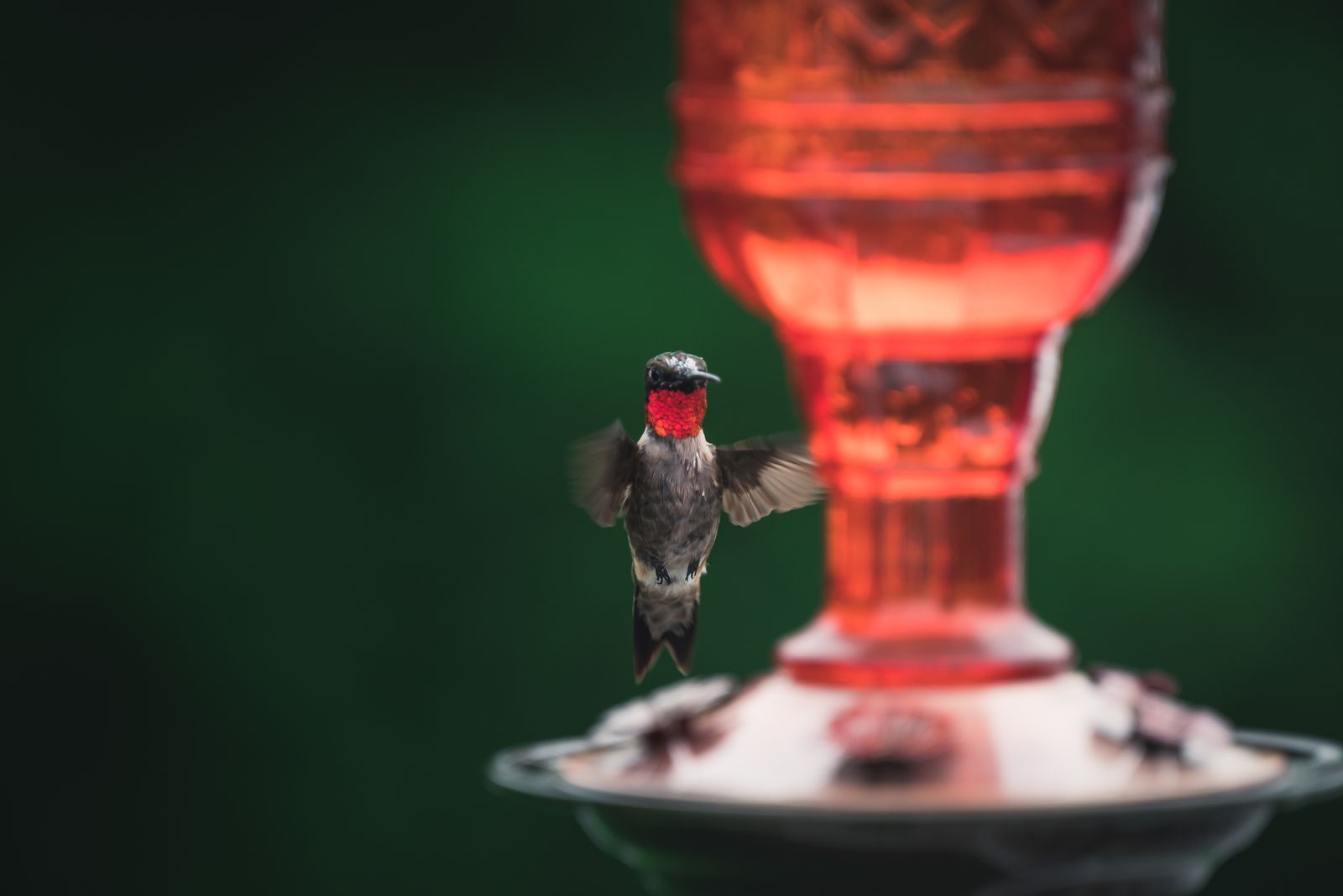
Glass vs Plastic Solar Hummingbird Feeder: Which Is Best?
Choose a hand-blown glass solar feeder if you prioritize permanent color vibrancy, multi-dimensional RGB light diffusion, and zero risk of toxic UV degradation or nectar contamination. Opt for plastic only if lower upfront cost and shatterproof impact resistance against hard ground drops are your top concerns.
Material Performance & Durability Side-by-Side Breakdown
| Evaluation Criteria | Hand-Blown Glass Solar Feeder | Molded Plastic Solar Feeder |
| --- | --- | --- |
| UV Resistance & Fading | Pigment fused at 2,300°F; 100% UV stable, never fades, yellows, or degrades. | Polycarbonate/acrylic warps, turns cloudy yellow, and grows brittle within 1–2 sunny seasons. |
| Nectar Safety & Hygiene | Non-porous, smooth surface resists bacteria; zero chemical leaching in high summer heat. | Develops micro-scratches during scrubbing that harbor mold and bacterial colonies. |
| Solar RGB Light Refraction | Artisan swirls and varied glass wall density refract RGB LEDs into a radiant, multi-dimensional glow. | Flat or hazy plastic diffuses light poorly, yielding a dull, monochromatic evening display. |
| Thermal Buffer (Heat Delay) | Thicker material mass slows nectar temperature spikes, delaying sugar fermentation. | Thin plastic walls transfer outdoor heat rapidly, spoiling nectar quickly in 90°F+ heat. |
| Wind Stability & Weight | 3–4 lb filled weight stays stable on heavy-duty hooks, preventing nectar sloshing. | Lightweight vessel sways excessively in light breezes, dripping nectar and attracting insects. |
| Impact & Drop Resistance | Requires sturdy steel shepherd hooks; can crack if dropped directly onto stone or concrete. | High shatter resistance; easily survives accidental tumbles onto hard ground. |
When selecting an outdoor feeder equipped with solar ambient lighting, the reservoir material directly dictates both thermal performance and night lighting optics. The criteria below detail how hand-blown glass compares against factory-molded plastic over extended seasonal use.
Weighing the Trade-Offs: Hand-Blown Glass vs. Plastic
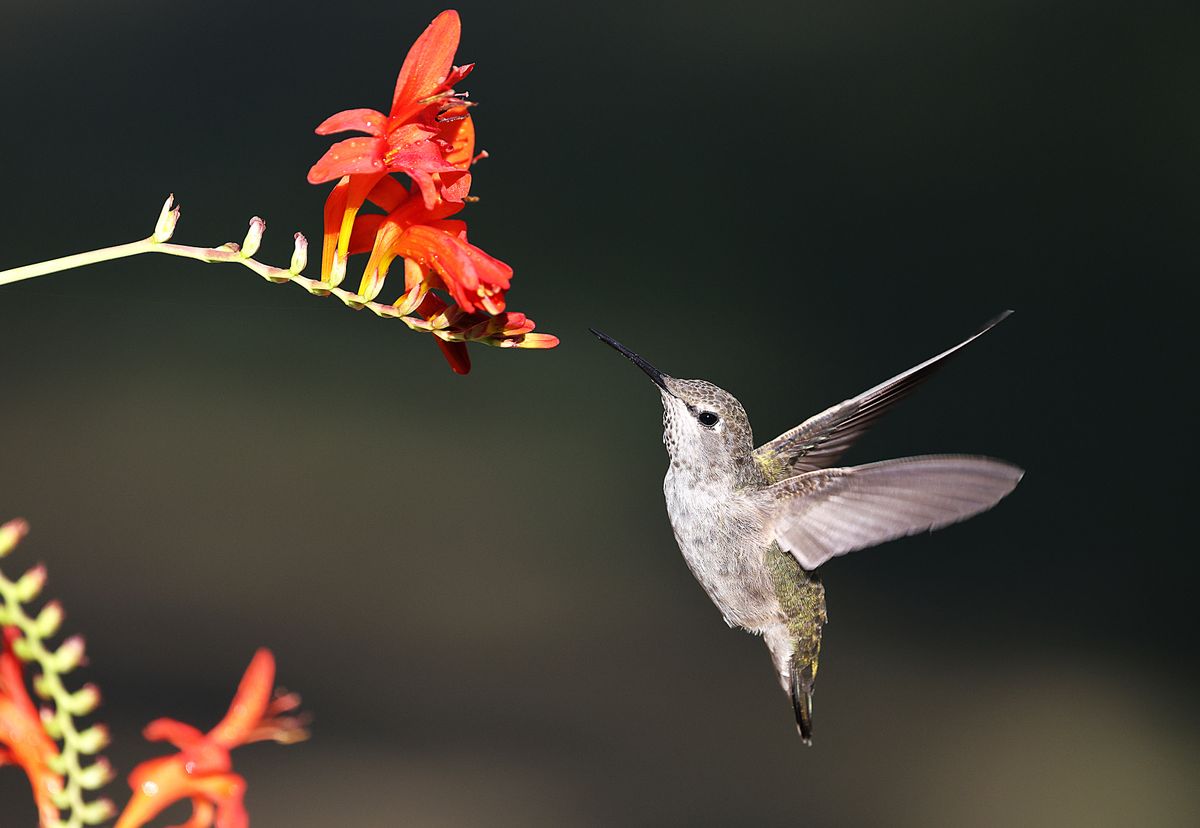
Photo by Veronika Andrews on Pexels
Pros
- Hand-blown glass color is embedded at 2,300°F and will never peel, sun-bleach, or flake.
- Thick glass acts as a thermal buffer, keeping nectar cool and fresh significantly longer in summer.
- Vibrant colored glass coupled with RGB solar lighting creates a striking garden focal point day and night.
- Heavier construction prevents wind-induced tipping and sloshing spills.
- Non-porous surface withstands thorough brush cleaning without creating bacterial micro-scratches.
- Higher initial investment compared to mass-produced plastic alternatives.
- Heavy filled weight (3 to 4 lbs) requires a sturdy steel shepherd hook or solid tree branch.
- Can break if knocked down by unanchored poles or severe storms onto hard pavers.
Pro Advice: Solar Light Integration & Thermal Control
A common misconception among backyard birders is that internal solar components overheat nectar reservoirs. In premium designs, the solar housing is isolated in a protective top cap made of weather-sealed, UV-shielding polymer, keeping electrical heat separate from the liquid chamber below. Pairing this isolated top cap with a thick hand-blown glass body provides optimal thermal regulation: the high density of handcrafted glass resists solar radiation during peak midday heat, while the integrated RGB LED system illuminates automatically at dusk after hummingbirds have safely roosted for the evening.
Editor's Choice: LUJII Hand-Blown Glass Solar Hummingbird Feeder
For garden lovers who demand heirloom-quality craftsmanship alongside modern solar functionality, the LUJII Solar-Powered Feeder stands out as the premier choice. Hand-shaped at 2,300°F by master glass artisans, each 32 fl. oz reservoir features brilliant translucency for easy nectar monitoring. Complete with an integrated waterproof solar cap that provides up to 8 hours of mesmerizing RGB ambient night light, a leak-proof sealed base, and anti-rust metal perches, it offers the ideal blend of hummingbird welfare and magical garden decor.
Decision Tree: Which Material Fits Your Backyard?
- Is visual garden decor and vibrant evening RGB lighting a top priority for your yard? → Yes: Hand-Blown Glass (Unmatched optical brilliance and multi-dimensional night glow). No: Continue to Next Decision Point
- Is the feeder location directly above hard concrete pavers or a stone patio where ground drops are likely? → Yes: Molded Plastic (High impact tolerance against hard surface falls). No: Continue to Next Decision Point
- Do your summer temperatures regularly exceed 90°F in direct sunlight? → Yes: Hand-Blown Glass (Superior thermal density slows nectar fermentation and prevents toxic UV leaching). No: Molded Plastic (Acceptable for shaded, low-temp budget setups)
Frequently Asked Questions
Clarifying essential maintenance, weatherproofing, and wildlife safety concerns regarding solar-powered feeder materials.
Summary of Core Differences
- Aesthetics & Lighting: Hand-blown glass refracts solar RGB LEDs into a rich, multi-toned glow; plastic creates a flat, dim light halo.
- UV Stability: Glass color is permanent at 2,300°F; plastic yellows, hazes, and becomes brittle after exposure to outdoor sunlight.
- Hygiene & Safety: Glass features a smooth, non-porous surface that cleans thoroughly without harboring mold-promoting micro-scratches.
- Thermal Performance: High glass density buffers nectar against rapid daytime heating, extending freshness during hot summer stretches.
- Physical Weight: Glass feeders weigh 3–4 lbs filled, offering wind stability on heavy-duty steel shepherd hooks.
Buying Advice by Use Case & Environment
Hand-blown glass solar feeders offer unmatched visual beauty, non-fading colors, superior solar light diffusion, and long-term hygiene, making them the gold standard for dedicated bird lovers and garden decor enthusiasts. Plastic feeders serve primarily as budget alternatives for high-impact zones.
Best choice for
- Hand-Blown Glass Solar Feeder — Indestructible color pigments fused at 2,300°F withstand sun damage while providing striking visual refraction.
- Molded Plastic Solar Feeder — Lightweight polymer construction absorbs physical impacts without shattering.
- Avoid plastic feeders in extreme UV environments where high heat causes plastic warping and rapid nectar fermentation.
- Avoid heavy glass feeders if hanging from thin, flexible decorative wire hooks that cannot support a 4 lb load.
- Powder-Coated Metal Accent Feeders with Glass Reservoirs — Provides protective metallic outer framework while retaining the hygienic benefits of glass.
Real-World Garden Scenarios
Southern Sun & High Summer Heat (95°F+ Days) — Choose Hand-Blown Glass. Plastic vessels absorb radiant heat rapidly, causing nectar to ferment within 24–48 hours and potentially leaching chemical plasticizers. Glass acts as an insulator, preserving nectar freshness.
Breezy Open Yard with Sturdy Shepherd Hooks — Choose Hand-Blown Glass. The substantial 3 to 4 lb weight of a filled glass feeder prevents wild wind swaying, keeping perches steady and eliminating nectar sloshing that attracts ants and bees.
Play Area with Frequent Overhead Activity or Low Branches — Choose Molded Plastic. If tree branches are regularly bumped by lawn equipment or playing children, plastic prevents glass breakage upon impact.
Examining how each material holds up in everyday outdoor environments.
Understanding the physical interaction between solar energy, ambient light refraction, and nectar chemistry reveals why material selection matters far beyond initial appearance.
The Optics of Solar Illumination: Glass vs. Plastic
Solar hummingbird feeders serve a dual role in modern outdoor design: attracting tiny avian visitors by day and transforming garden beds into luminous sanctuaries by night. However, the quality of evening light depends entirely on the vessel's optical clarity.
Hand-blown glass features subtle structural variations, handcrafted curves, and suspended color pigments created at temperatures exceeding 2,300 degrees Fahrenheit. When the top-mounted solar cap activates its interior RGB LED module at dusk, these organic glass swirls act as natural optical prisms. The light bounces through varying wall thicknesses, casting vibrant, multi-dimensional color patterns across surrounding foliage.
In contrast, factory-molded plastic cylinders present flat, uniform surfaces. Under solar illumination, plastic diffuses light rigidly, creating a harsh, central glare rather than a soft ambient glow. As plastic suffers outdoor weathering, micro-abrasions and UV clouding dull the light transmission further, leaving the feeder looking hazy within months.
Thermal Regulation and Nectar Hygiene
Hummingbird nectar is a simple solution of pure cane sugar and water—an ideal breeding ground for rapid bacterial growth when exposed to heat and sunlight. The material density of your feeder plays a critical role in controlling this process.
Thick hand-blown glass possesses high thermal mass. During hot summer afternoons, it absorbs heat slowly, buffering the interior liquid against sharp ambient temperature spikes. This thermal resistance helps slow down yeast fermentation, keeping nectar fresh and safe for delicate avian digestive systems.
Polycarbonate and acrylic plastics, by comparison, have low thermal mass and thin wall profiles. Solar radiation passes quickly through plastic, rapidly elevating internal nectar temperatures. Furthermore, regular cleaning with scrub brushes leaves fine scratches on soft plastic interiors. These microscopic grooves become shelters for black mold fungi (Cladosporium) and bacteria that cannot be completely sanitized, risking feeder contamination over time.
Structural Longevity and Weather Protection
Outdoor garden decor must withstand relentless environmental elements, from blazing midday UV radiation to sudden thunderstorms. High-temperature hand-blown glass is entirely chemically inert. It does not react with acidic nectar, absorb organic odors, or break down under intense ultraviolet light.
To complement this durable glass core, modern solar feeders employ engineered polymer solar caps. Placed at the top of the assembly, these plastic housings serve a vital purpose: shielding the internal solar panel, rechargeable battery, and light sensor against rain, wind, and freezing sleet. Combined with an anti-rust coated metal base and leak-proof silicone gaskets, an artisan glass solar feeder provides years of reliable outdoor service.
Featured Solar Hummingbird Feeder
Discover the flagship artisan solar feeder designed for unmatched durability, superior nectar hygiene, and stunning night lighting.
Next Steps for Your Garden Sanctuary
Your decision: Determine whether hand-blown glass or plastic best suits your regional climate, hanging infrastructure, and garden styling goals.
Do this next: Choose the LUJII Hand-Blown Glass Solar Feeder for long-lasting color stability, superior nectar hygiene, and enchanting 8-hour RGB twilight illumination.
- Read next: How to Clean and Maintain Hand-Blown Glass Hummingbird Feeders Without Fading Color
- Read next: Hand-Blown vs. Factory-Molded Glass Feeders: Why Handcrafted Detail Matters
LUJII 32 fl.oz Hand-Blown Glass Solar Hummingbird Feeder with Metal Base
Ready to transform your outdoor space into a vibrant hummingbird haven? Take the next step toward selecting the perfect solar illuminated feeder.