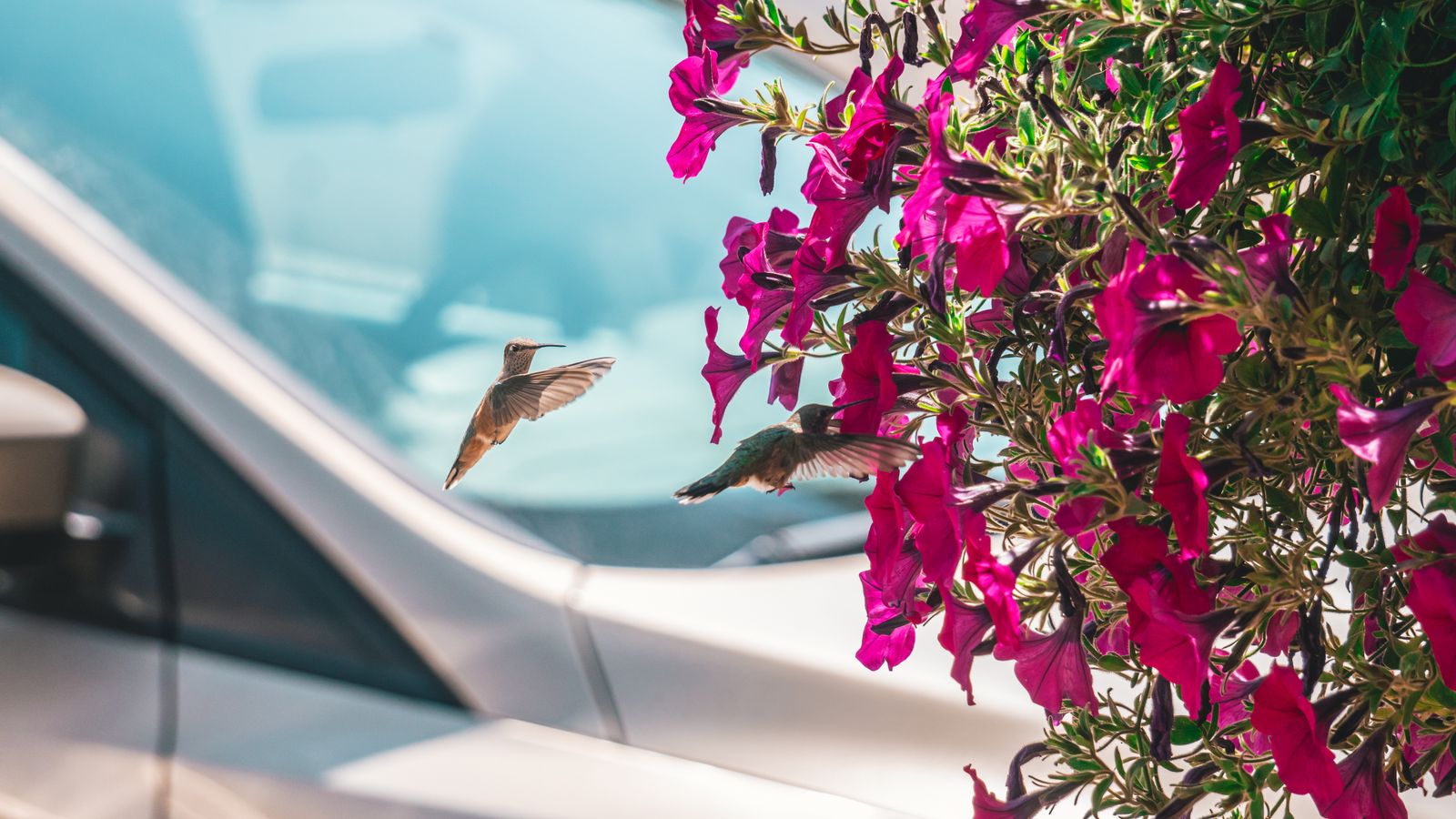
Summer Splash Zone: Keeping Hummingbirds Cool with Solar Feeders and Shallow Baths
The 0.25-inch depth rule is vital for summer hummingbird safety: keep water features between 0.25 and 0.5 inches deep over smooth river pebbles, or use a solar mister. Position hand-blown glass solar feeders in afternoon shade to keep nectar below 85°F while charging top solar caps for 8 hours of evening RGB illumination.
Core Metrics of Summer Micro-Avian Cooling
- 0.25 to 0.5 Inches Maximum Water Depth: Hummingbirds cannot swim; deeper basins pose immediate drowning risks unless filled with smooth river stones.
- 85°F Nectar Threshold: When ambient air hits 85°F, sucrose ferments in under 24 hours. Daily nectar changes are mandatory during heatwaves.
- 10°F Microclimate Reduction: Placing feeders in dappled foliage lowers internal reservoir temperatures by up to 10°F compared to full sunlight.
- 4 to 6 Hours Direct Sunlight: Solar caps require 4 to 6 hours of solar exposure (ideally during cool morning hours) to power 8 hours of evening RGB lighting.
- 32 fl. oz Capacity Advantage: Larger, sealed reservoirs reduce drip risks caused by hot thermal gas expansion.
Daily Heatwave Sequence: Dawn Misting to Dusk LED Illumination
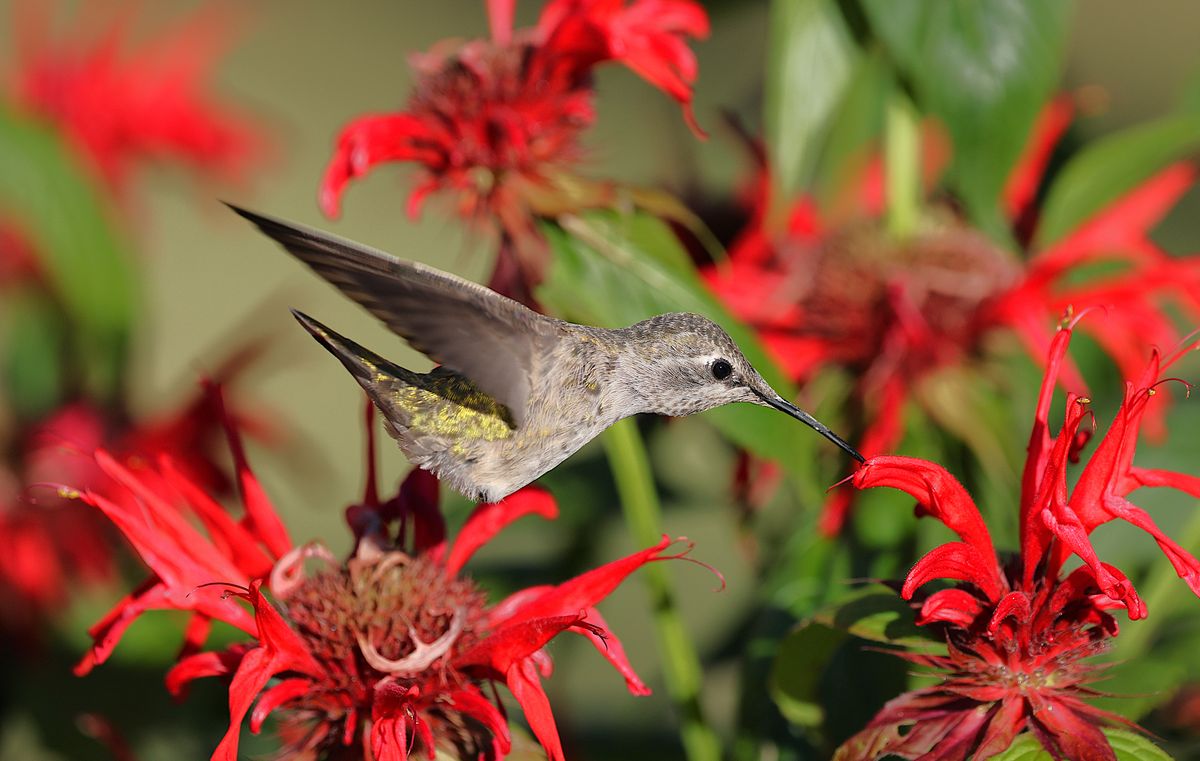
Photo by Veronika Andrews on Pexels
- 06:00 AM (Dawn) — Inspect the 32 fl. oz hand-blown glass solar feeder. Ensure the solar cap is clear of debris to receive morning light, and verify nectar is crystal clear.
- 10:00 AM (Mid-Morning) — Activate solar mister or check that river pebbles in the shallow splash dish keep water depth between 0.25 and 0.5 inches.
- 01:00 PM (Peak Thermal Stress) — Ensure the feeder is fully shaded by natural canopy or garden umbrellas as temperatures cross 85°F, preventing rapid sugar fermentation.
- 05:00 PM (Late Afternoon) — Top off water mister reservoirs and scrub splash basin pebbles with a stiff brush to prevent bacterial biofilm build-up.
- 08:00 PM (Dusk to Twilight) — Watch hummingbirds take final evening sips as the built-in solar sensor automatically illuminates the hand-blown glass reservoir with RGB lights for up to 8 hours.
Temperature-Driven Maintenance & Nectar Swap Ratios
- Under 80°F Ambient — Nectar Refresh: Every 4–5 days. Splash Zone Check: Refill shallow pebble bath every 2 days. Solar Cap: 4 hours sun required.
- 80°F to 88°F Ambient — Nectar Refresh: Every 2–3 days. Splash Zone Check: Refill shallow pebble bath daily. Solar Mister: Run during peak midday hours.
- 89°F to 95°F Ambient — Nectar Refresh: Every 24 to 36 hours. Splash Zone Check: Refill twice daily. Solar Mister: Continuous daylight operation.
- Over 95°F Extreme Heat — Nectar Refresh: Every 12 to 24 hours (fill half reservoir capacity). Splash Zone Check: Refill 2–3 times daily; scrub pebbles daily.
Glass Thermal Dynamics & Dappled Shade Microclimates
Hand-blown glass reservoirs shaped at 2,300°F possess dense wall thickness that provides superior thermal stability compared to thin plastic. However, direct high-UV afternoon sun will warm internal nectar, accelerating fermentation. To maximize thermal performance:
Featured Garden Oasis Solution
For bird lovers seeking to elevate their summer garden sanctuary, the LUJII Hand-Blown Glass Solar-Powered Feeder combines handcrafted glass art (forged at 2,300°F) with dynamic RGB lighting and a 32 fl. oz leak-proof sealed metal base. It offers an easy visual check on nectar levels and automatically illuminates for 8 hours each evening.
Sanctuary Blueprint: Spatial Layout & Safe Water Depth Scale
A properly designed summer sanctuary separates feeding microclimates from misting zones while enforcing strict water safety metrics.
Peak Summer Care Calendar: June Through September Protocols
| Month | Primary Bird Needs | Feeder Placement Strategy | Water Feature Protocol |
| --- | --- | --- | --- |
| June | Territorial nesting support & high calorie intake | Hang near flowering perennials in partial sun | Setup 0.25-inch pebble bath & test mister |
| July | Extreme heat stress relief & hydration | Shift feeder into afternoon deep shade canopy | Run mister continuously 11 AM – 4 PM |
| August | Fledgling cooling & pre-migration fuel | Maintain shaded zone; monitor 32 oz level daily | Scrub pebble bath daily to stop algae |
| September | Migratory refueling & long evening foraging | Move feeder back to capture waning solar light | Maintain solar LED charge for twilight feeds |
Hummingbird activity and hydration needs shift as summer progresses. Follow these monthly priorities to maintain a safe, welcoming garden environment.
Regional Protocols: Arid Southwest vs. Humid Southeast
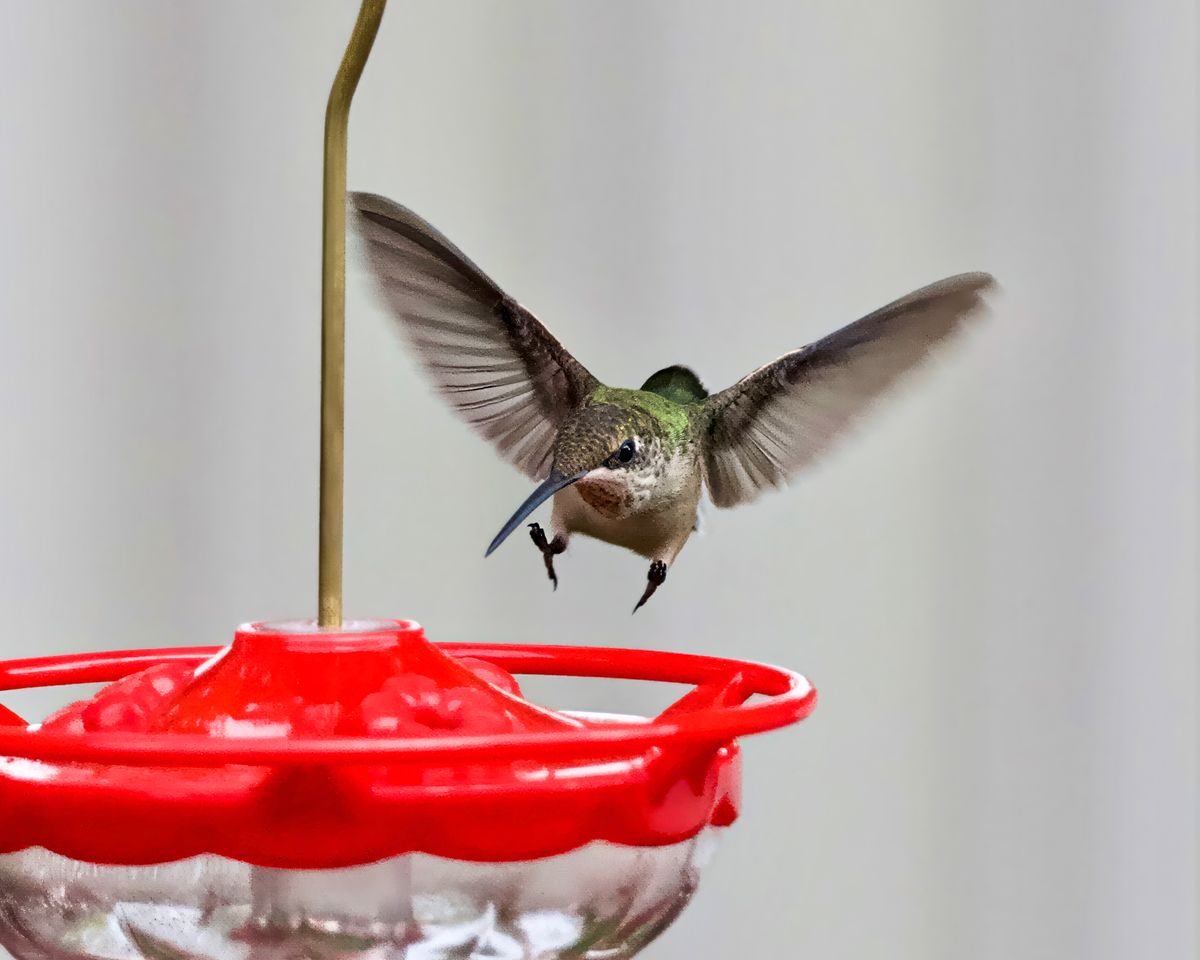
Photo by A. G. Rosales on Pexels
Summer conditions vary drastically across the United States. Tailor your hummingbird care based on your regional environment:
Summer Heatwave Backyard Audit Checklist
- [ ] Water depth in splash basin is verified between 0.25 and 0.5 inches above pebbles.
- [ ] Solar mister or drip emitter is active during peak heat hours (11:00 AM – 4:00 PM).
- [ ] Glass feeder is positioned to receive early solar rays for night charging but protected from harsh afternoon sun.
- [ ] Nectar level is easily visible through translucent hand-blown glass reservoir without opening.
- [ ] Nectar refreshed every 24-48 hours when ambient temperatures exceed 85°F.
- [ ] Feeder metal base and perches are clear of direct midday sun to prevent hot touch points.
Frequently Asked Questions About Summer Hummingbird Care
Here are answers to common questions about keeping hummingbirds hydrated, safe, and active during hot weather.
Expand Your Backyard Sanctuary Knowledge
Explore additional guides to optimize your garden microclimate and decorative solar setups:
- Hot Weather Nectar Ratios: How to Keep Hummingbird Food Fresh in Summer — Detailed sugar-to-water ratios for extreme 90°F+ heat.
- Summer Evening Solar Lighting Ideas for Glowing Gardens — Creative ways to layer RGB solar accents and hand-blown glass art.
- How to Clean and Maintain Your Hand-Blown Solar Hummingbird Feeder — Step-by-step instructions for vinegar washing and metal base care.
Action Plan for Building Your Summer Water Sanctuary
Your decision: Determine whether your current backyard setup provides adequate shade and safe, micro-avian water depth.
Do this next: Fill a shallow dish with smooth river rocks to maintain a 0.25-inch water level, activate a solar-powered mister, and position your hand-blown glass solar feeder in an afternoon-shaded spot.
- Read next: Summer Storm Protection: Weatherproofing Your Glass Solar Hummingbird Feeder Setup
Enhance your summer garden oasis with the handcrafted LUJII Solar-Powered Hummingbird Feeder, featuring sealed leak-proof construction and evening RGB LED lighting.
Transform your backyard into a refreshing hummingbird oasis this summer with these simple steps.
Sanctuary Highlight: LUJII Hand-Blown Glass Solar Feeder
Highlight the featured hand-blown glass feeder as both a daytime feeding station and evening RGB garden decor.
Cover photo by Chait Goli on Pexels.