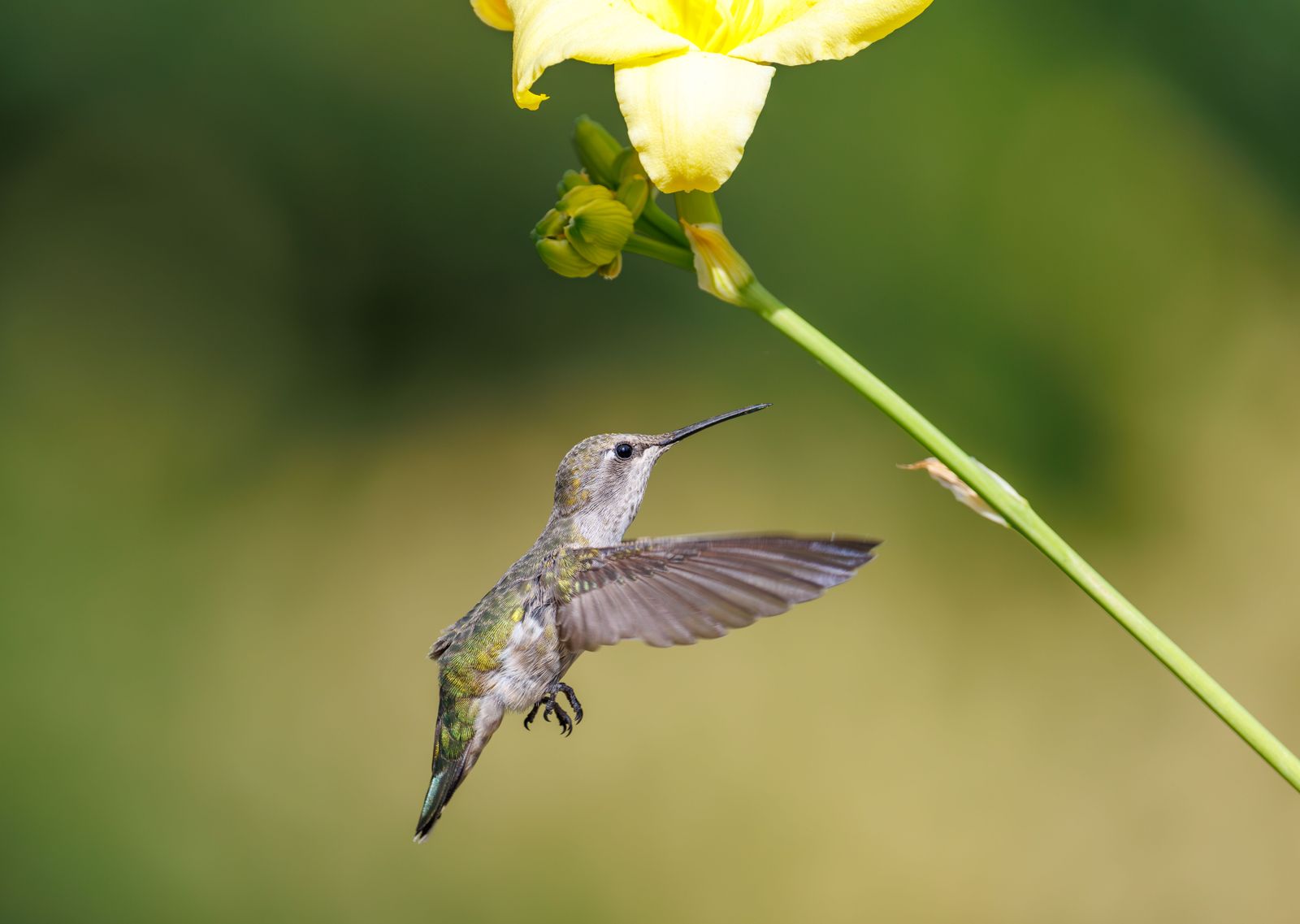
Summer Solar Garden Lighting Ideas: Create a Magical Night Oasis
Follow the 3-30-3 rule for summer solar garden lighting: establish 3 distinct elevation tiers, space ground pathway lights 30 inches apart, and hang hand-blown glass solar accents at eye level (4 to 5 feet high). Ensure solar caps receive 6 to 8 hours of direct midday sun for up to 8 hours of continuous, vibrant evening glow.
Essential Rules for Summer Night Garden Illumination
- 3 Elevation Tiers: Layer ground stakes (0 to 1.5 ft), eye-level artistic glass focal points (4 to 5 ft), and overhead canopy lights (7+ ft) for deep visual depth.
- 8 Hours of Nighttime Ambiance: Position top solar cells where they absorb 6 to 8 hours of unshaded midday sun to maximize photo-battery discharge after dusk.
- 32 fl. oz Capacity Balance: Use slender, leak-proof hand-blown glass reservoirs that hold high-volume nectar while resisting wind-induced drips.
- 3-Day Heat Maintenance: Flush glass nectar vessels every 72 hours when summer temperatures exceed 85°F to keep food pure and fresh for twilight birds.
- 0 Watt Waste & High Safety: Replace harsh floodlights with soft RGB ambient solar illumination to protect roosting garden wildlife.
Summer Evening Setup Timeline: From Afternoon Sun to Nighttime Glow
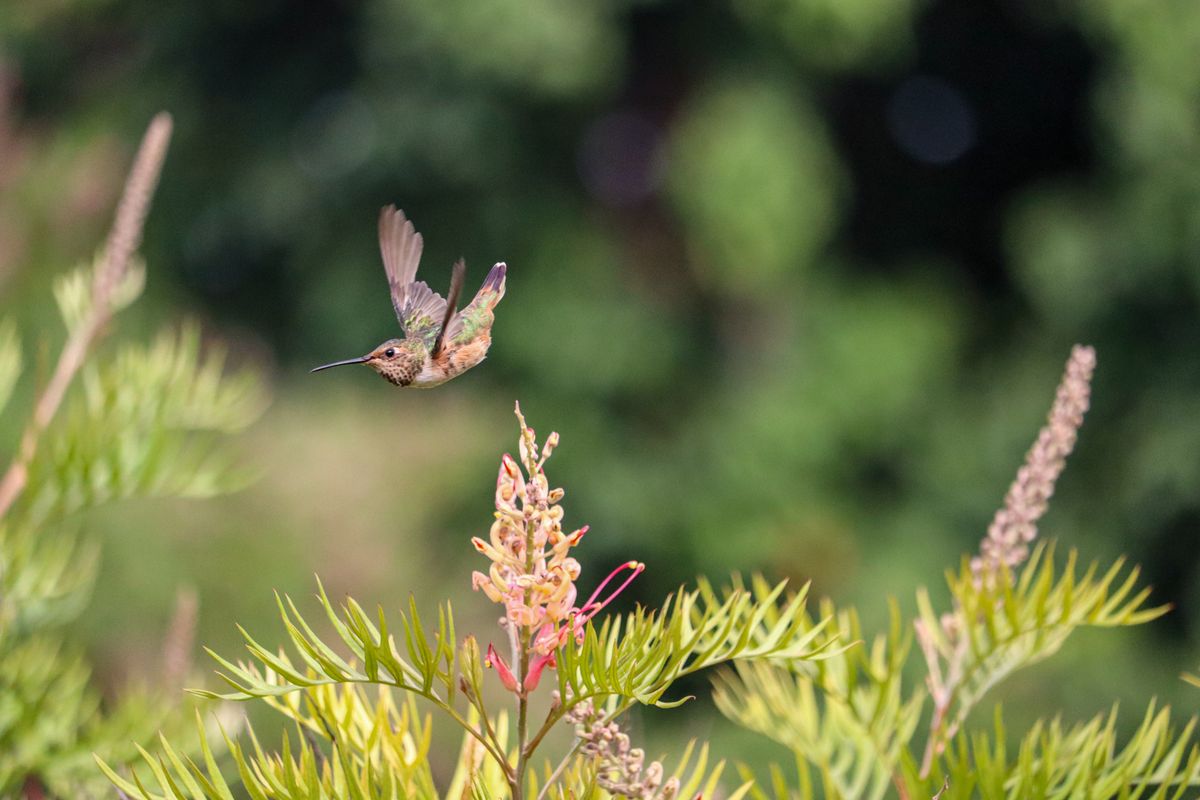
Photo by Ant Armada on Pexels
- 12:00 PM — Solar Charge Window — Expose top waterproof solar caps to direct, unshaded sunlight for 6 to 8 full hours of maximum photo-battery energy storage.
- 5:00 PM — Nectar & Seal Inspection — Check the translucent 32 fl. oz glass body for nectar clarity; verify the anti-rust metal base seal is snug to prevent ambient heat drips.
- 7:30 PM — Dusk Automatic Activation — As daylight fades, built-in light sensors trigger the RGB solar engine, casting soft, multi-colored light through 2,300°F hand-blown glass curves.
- 8:00 PM to 12:00 AM — Peak Evening Ambiance — Enjoy up to 8 hours of atmospheric, eco-friendly garden lighting ideal for outdoor patio gatherings and peaceful night viewing.
Mid-Summer Solar Fixture & Glass Care Schedule
- Every 3 Days (Mid-Summer Heat >85°F) — Flush the 32 fl. oz hand-blown glass reservoir with warm water to clear sugar residue and refill with fresh 4:1 nectar ratio.
- Every 14 Days — Wipe the top solar panel with a moist microfiber cloth to remove windblown dust, pollen, and water deposits.
- Every 30 Days — Inspect the anti-rust metal base coating and silicone leak-proof gasket to ensure watertight integrity.
- End of Season (Early Fall) — Perform a deep warm-water rinse of the glass art body, turn off the solar toggle switch, and store safely before freezing weather.
Expert Lighting Tip: Protecting Dusk Wildlife While Maximizing Glow
Position your eye-level solar focal points 15 to 20 feet away from dense tree canopies where birds roost. Hummingbirds enter torpor—a deep nocturnal sleep—shortly after sunset. Soft, diffuse RGB light refracting downward through handcrafted 2,300°F translucent glass creates a stunning visual centerpiece for your patio without casting harsh upward spotlighting into sleeping foliage.
The Focal Point: LUJII Hand-Blown Glass Solar Hummingbird Feeder
Elevate your summer night garden layout with the handcrafted LUJII Solar-Powered Hummingbird Feeder. Designed at 2,300 degrees by master glass artisans, each piece features a unique translucent pattern that glows naturally after dark.
- Up to 8 Hours of Illumination: Integrated solar cap recharges by day and automatically lights up at dusk with multi-mode RGB color choices.
- 32 fl. oz Leak-Proof Capacity: Slender, sealed-base construction keeps nectar secure against wind and drips.
- All-Weather Protection: Features a protective solar cap against rain and sun, plus an anti-rust coated metal base for long-lasting outdoor beauty.
Visualizing the 3-Tier Lighting System
A balanced garden lighting scheme avoids flat illumination by spreading light across three vertical zones.
Summer Solar Garden Lighting Calendar
| Season Phase | Sun Exposure Hours | RGB Lighting Mode Recommendation | Glass Reservoir Care Interval |
| --- | --- | --- | --- |
| Early Summer (June) | 14 to 15 Hours daylight (6–8 hrs direct solar cap charge) | Vibrant Multi-Color RGB cycle for lively evening entertaining | Flush and refill every 5 to 6 days (<80°F average) |
| Mid-Summer Heat (July) | 13 to 14 Hours daylight (Ensure unshaded midday sun access) | Soft Warm Amber or Slow Color Transition for relaxing warm nights | Flush and refill every 3 days (>85°F peak heat) |
| Late Summer (August) | 12 to 13 Hours daylight (Adjust hook positions for longer tree shadows) | Constant Single-Hue Accent to complement late-blooming perennials | Flush and refill every 4 days as dusk temperatures cool |
Adjust solar panel placement and lighting hours as sun angles shift throughout the summer season.
Essential Elements for an Enchanting Night Garden
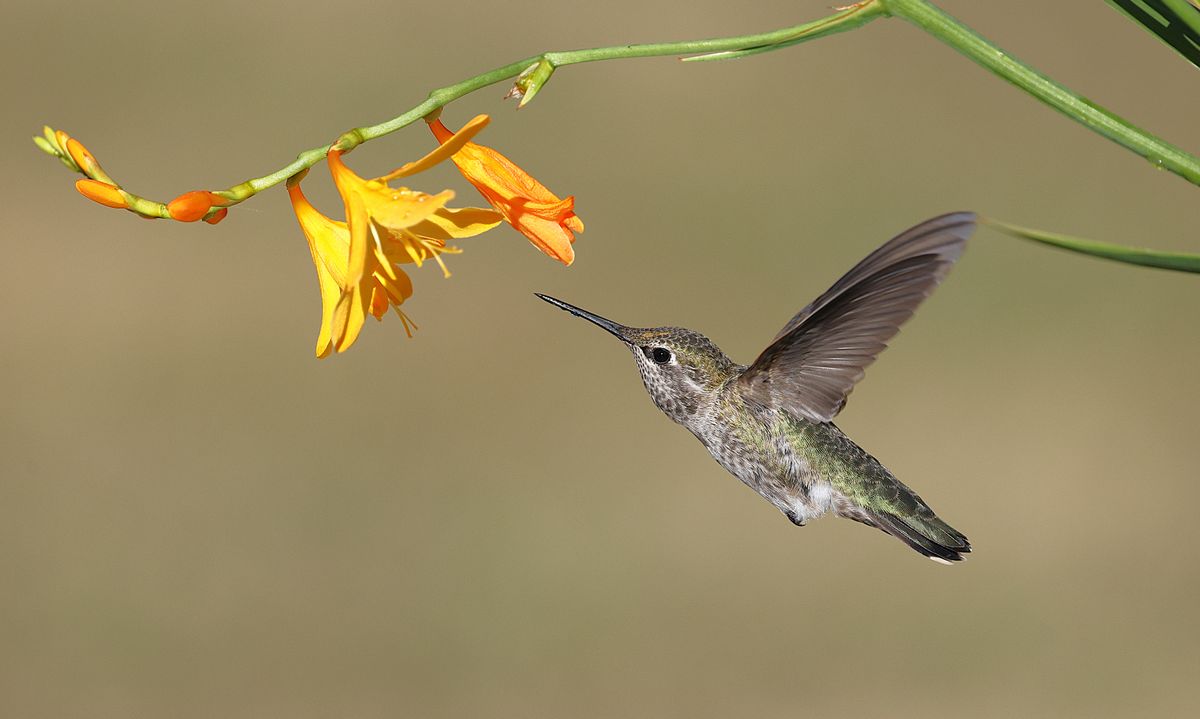
Photo by Veronika Andrews on Pexels
Combine these core product styles to create a balanced, 3-tier solar outdoor sanctuary.
Managing Direct Heat & Intense Sun Exposure Across US Regions
Solar efficiency and glass care vary depending on regional summer climate patterns across the United States.
Summer Night Garden Setup & Maintenance Checklist
- [ ] Charge solar cap in direct, unshaded sunlight for 6 to 8 full hours prior to first night use.
- [ ] Hang hand-blown glass accent at eye level (4 to 5 feet) using a sturdy shepherd's hook.
- [ ] Ensure metal base seal is tightened to prevent drips and maintain leak-proof 32 oz capacity.
- [ ] Space pathway solar stakes 30 inches apart to prevent harsh overlapping glare.
- [ ] Flush glass reservoir with warm water every 3 days during mid-summer heat over 85°F.
- [ ] Wipe top solar cell with a moist microfiber cloth bi-weekly to clear pollen and dust.
Frequently Asked Questions About Nighttime Solar Lighting
Does nighttime solar light disturb roosting hummingbirds or other birds?
Hummingbirds enter a state of deep metabolic sleep called torpor in sheltered trees shortly after dusk. Soft, diffuse RGB solar lights placed at eye level (4 to 5 feet) emit a gentle ambient glow rather than a harsh spotlight, ensuring nocturnal backyard ecology remains peaceful and undisturbed.
How do I prevent ants and nocturnal pests from reaching illuminated hanging feeders?
Use an ant moat filled with water above your shepherd's hook, ensure the anti-rust metal base gasket is firmly tightened to maintain a leak-proof seal, and hang the feeder on a slender metal post isolated from direct climbing pathways.
What is the best way to clean hand-blown glass feeders during summer heat?
Flush the translucent 32 oz hand-blown glass body with warm water every 3 days when temperatures top 85°F. Avoid boiling water or harsh dishwashers to protect the handcrafted glass artwork, and gently wipe the top solar cap with a damp microfiber cloth.
How to Begin Designing Your Summer Night Garden
Your decision: Determine your backyard's primary viewing zone and select 1-2 eye-level focal points, such as hand-blown glass solar accents.
Do this next: Map out your 3-tier layout starting with ground pathways, then hang your solar glass feeder in a spot receiving 6-8 hours of direct midday sunlight.
- Read next: How to Clean and Maintain Your Hand-Blown Solar Hummingbird Feeder
- Read next: Solar-Powered Lighted Feeders vs. Standard Glass Feeders
LUJII Hand-Blown Glass Solar Hummingbird Feeder (32 oz Capacity, RGB Lighting, Anti-Rust Metal Base)
Transforming your outdoor space into an illuminated evening retreat starts with simple, intentional layering decisions.
Continue Exploring Sustainable Backyard Living
Contextual internal linking block.
Cover photo by Veronika Andrews on Pexels.