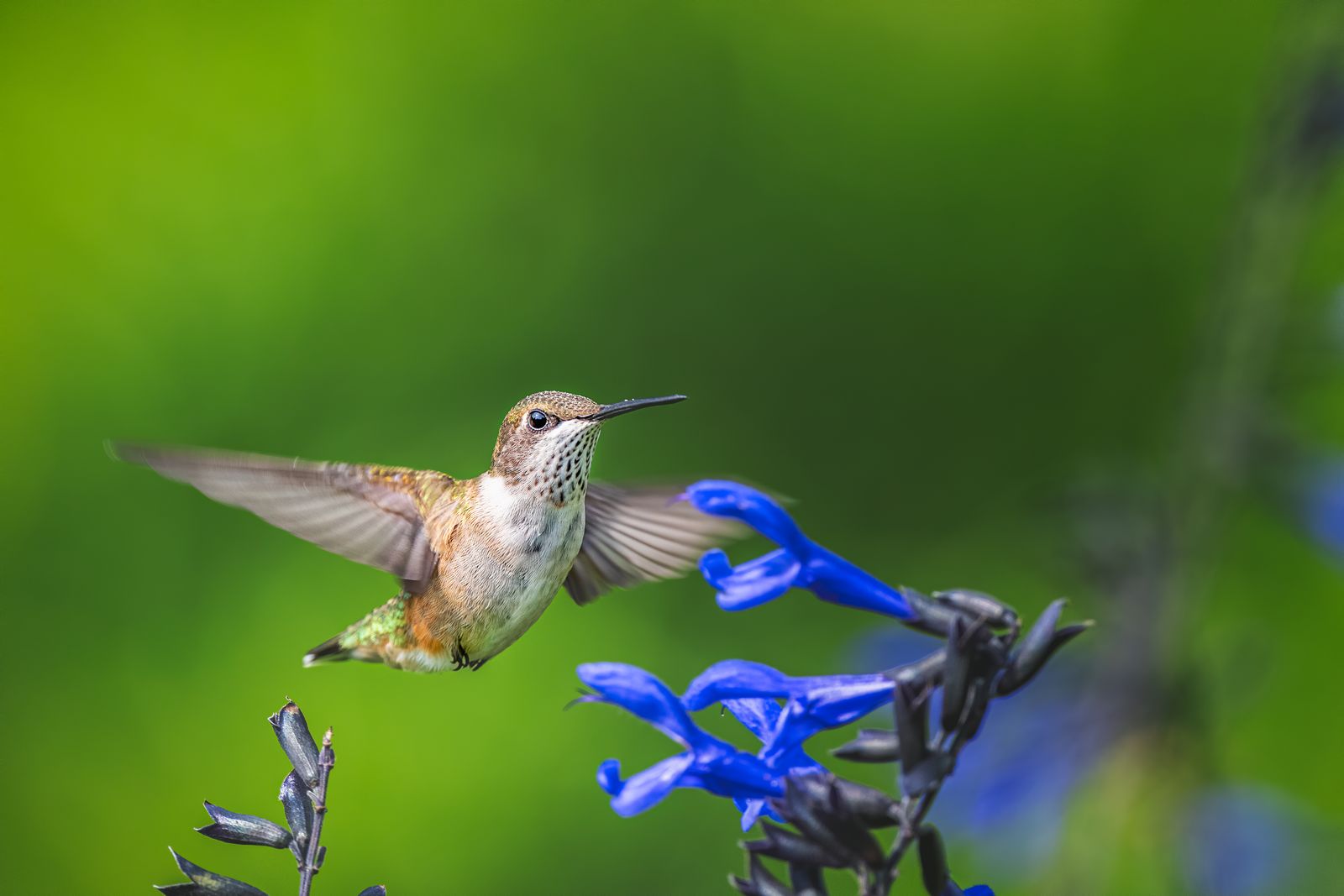
Summer Night Garden Setup: Keeping Nocturnal Critters and Bugs Off Your Lit Hummingbird Feeder
Imagine stepping onto your back patio at dusk as your hand-blown glass feeder casts a warm glow—only to discover a swarm of moths and crawling ants invading the nectar. You can enjoy a glowing garden sanctuary without nocturnal pests by mounting your solar feeder on a 5-foot metal pole with an ant moat and raccoon baffle, placing bright white decoy lights 15 to 20 feet away, and setting the solar RGB LED to warm red or amber mode.
Summer Night Garden Pre-Installation Checklist
- [ ] Feeder is mounted on a standalone metal shepherd's hook at least 5 feet above ground.
- [ ] Clearance of at least 10 feet from overhanging tree branches or roof eaves (raccoon jumping distance).
- [ ] Built-in or inline ant moat is filled with clean water.
- [ ] Solar cap RGB light is set to warm amber or solid red mode.
- [ ] Bright patio spotlights or decoy bug lights are placed at least 15–20 feet away.
- [ ] Hand-blown glass reservoir is tightly sealed to the leak-proof metal base.
Step-by-Step Installation: Positioning Your Solar Feeder for Pest-Free Nights
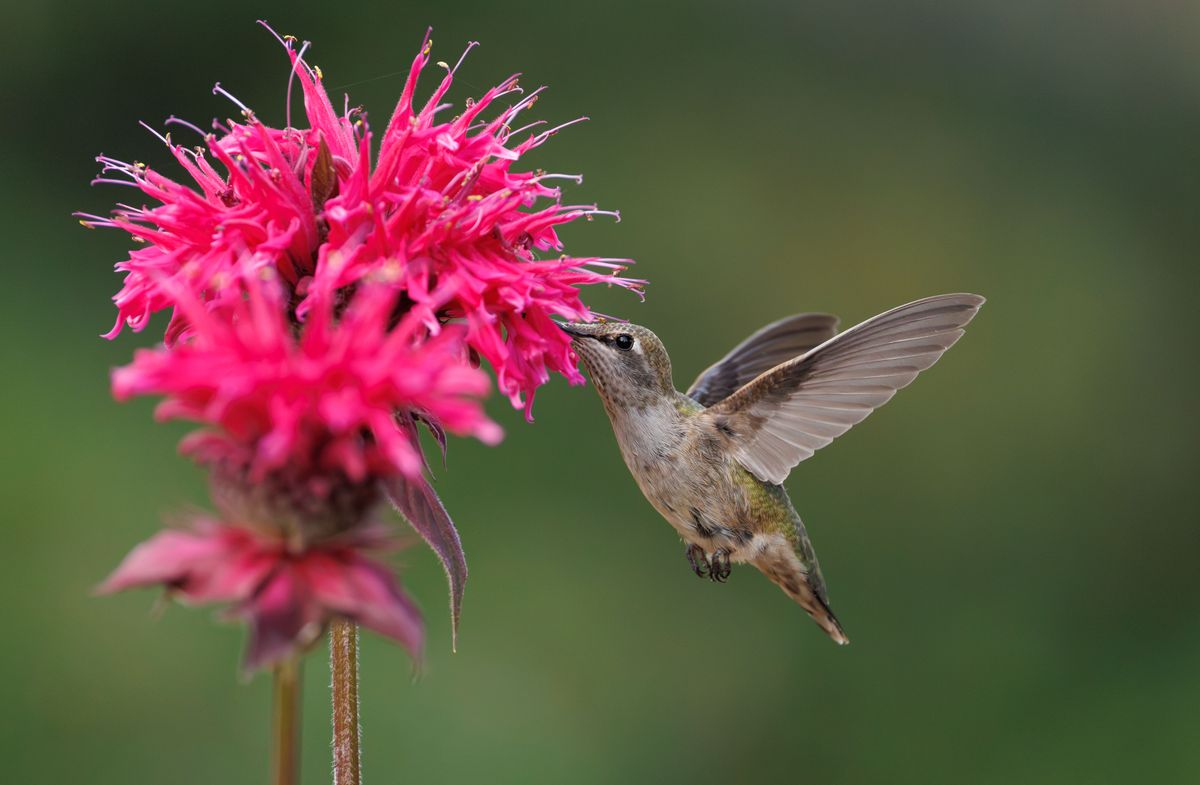
Photo by Veronika Andrews on Pexels
Follow these four core steps to install your solar glass feeder, balance your garden's night lighting, and protect sweet nectar from evening invaders.
Positioning is your first line of defense against both flying insects and climbing mammals. Select a spot in your yard that sits at least 10 feet away from tree trunks, low-hanging branches, deck railings, or fence tops. Raccoons and opossums are agile jumpers that easily reach heavy glass feeders suspended from limbs.
Simultaneously, establish a Dual-Zone Lighting Strategy. Identify where your primary patio illumination or bright white security lights are located. Your solar feeder should hang in an accent zone at least 15 to 20 feet away from high-intensity white light sources. This spatial buffer keeps heavy insect traffic centered on secondary lights rather than hovering around your hummingbird station.
Rather than hanging your artful glass feeder from a wooden pergola or tree branch, plant a rigid, heavy-duty metal shepherd's hook or pole into the turf. Ensure the hanging arm elevates the base of the feeder at least 5 feet above the ground.
Attach a smooth, 14-to-24-inch metal torso baffle (wrap-around or stovepipe style) onto the pole, positioning the top of the baffle roughly 4 feet above the ground. Raccoons attempting to climb the metal post will hit the slick obstacle and fall back, preventing them from gripping or tipping the heavy 32 fl. oz. reservoir.
Nocturnal carpenter ants and moisture-seeking crawlers trek along hanging wires after dark. Intercept them by installing an inline, water-filled ant moat directly above the feeder's hanging loop (or utilize a built-in moat fixture).
When preparing the nectar, fill the translucent hand-blown glass reservoir with a standard 4:1 water-to-refined-white-sugar solution. Thread the glass body tightly into the anti-rust coated metal base to activate the leak-proof internal seal. Slender glass profiles with tight base seals eliminate outer sticky residue, removing the scent trail that draws nocturnal crawling pests.
Place the top plastic solar cap in direct sunlight during daylight hours to charge the internal battery fully. As dusk approaches, activate the solar lighting unit and use the multi-mode selector to choose a solid red or warm amber LED setting.
Avoid setting the cap to cool white or fast-flashing multi-color modes. Long-wavelength light (red and amber) is far less visible to phototactic night-flying insects like moths and beetles, keeping the surrounding air clear while illuminating the handcrafted glass patterns for up to 8 hours.
Expert Secret: The Warm RGB Spectrum & Decoy Lighting Trick
Most night-flying insects navigate using phototaxis, automatically orienting toward ultraviolet and short-wavelength blue/white light (300–500 nanometers). By switching your solar cap's RGB LED to warm red or amber (590–700 nanometers), you make the feeder nearly invisible to nocturnal moths while preserving its gorgeous nighttime glow for human eyes. Combine this with a bright white decoy solar stake placed 20 feet away to pull nocturnal bugs entirely away from your feeding station.
Nocturnal Pest Troubleshooting Matrix
| Night Scenario | Primary Pest | Root Cause | Tactical Solution |
| --- | --- | --- | --- |
| Swarm of moths and night beetles circling the lit glass base at 9 PM | Moths & June Bugs | Solar LED cap set to cool white or rapid flashing mode | Switch RGB light to solid red or warm amber mode; install a cool-white decoy solar stake 20 feet away. |
| Heavy glass feeder found tipped over and nectar drained by morning | Raccoons & Opossums | Feeder hung from low tree limb accessible to climbing mammals | Relocate feeder to a metal shepherd's hook 5 feet high with a 14-inch metal wrap-around baffle. |
| Ant trail marching down hanging wire into feeding ports after dark | Nocturnal Carpenter Ants | Dried nectar drips on outer glass base or unshielded wire | Wipe down outer hand-blown glass with damp cloth; install a water-filled hanging ant moat. |
| Nectar fermenting or clouding rapidly during hot summer nights | Bacteria & Micro-fungi | Nectar exposed to intense daytime sun and heat retention | Position feeder in partial daytime shade; thoroughly wash 32 oz glass body twice weekly. |
Match your night garden observation with targeted physical hardware and lighting adjustments:
Core Principles of Nighttime Garden Harmony
- Warm amber and red RGB lighting modes drastically reduce insect attraction while highlighting handcrafted glass art.
- Physical buffers—5-foot pole elevation, 10-foot clearance from branches, and a 14-inch raccoon baffle—protect heavy 32 oz glass feeders from mammal tipping.
- Decoy lighting placed 15–20 feet away draws phototactic insects away from sweet hummingbird nectar.
- Waterproof solar caps protect nectar from summer downpours while charging internal batteries for up to 8 hours of evening light.
Visual Layout Spec: Dual-Zone Night Lighting & Clearance
Refer to this spatial arrangement specification when placing hardware and lighting in your yard:
Nighttime Feeder Setup Mistakes That Invite Pests
Avoid these frequent missteps that compromise feeder cleanliness and invite nocturnal unwanted visitors:
Summer Evening Feeder Routine & Operating Schedule
- 4:00 PM (Late Afternoon) — Verify solar panel cap receives unshaded sunlight to ensure a complete recharge for 8-hour nighttime illumination.
- 7:30 PM (Dusk) — Inspect translucent glass body to check nectar level and confirm top ant moat is filled with water.
- 8:15 PM (Nightfall) — Confirm RGB solar light auto-activates on solid red or warm amber mode; ensure decoy light 20 ft away is glowing bright white.
- Weekly (Sunday Morning) — Flush 32 oz hand-blown glass reservoir and anti-rust metal base with warm water; wipe outer glass clean.
Frequently Asked Questions About Solar Feeders & Night Pests
Does the nighttime LED light interfere with hummingbirds' sleep patterns?
No. Hummingbirds do not feed at night; they retire to dense tree foliage at dusk and enter torpor, a deep energy-saving sleep cycle. The low-lumen solar LED on hand-blown glass feeders serves as gentle ambient garden accent lighting and does not disturb roosting birds.
Which RGB light setting attracts the fewest flying insects at night?
Solid red or warm amber LED settings attract the fewest nocturnal insects. Phototactic bugs such as moths and June beetles are drawn to high-frequency blue, white, and ultraviolet light, but struggle to perceive longer red wavelengths.
How do I prevent raccoons from tipping heavy hand-blown glass solar feeders?
Mount the feeder on a sturdy metal pole at least 5 feet high, positioned at least 10 feet away from tree branches or deck structures. Install a smooth 14-to-24-inch metal stovepipe baffle on the pole to stop raccoons from climbing up.
Should I empty or bring in my solar hummingbird feeder during severe summer thunderstorms?
If high winds over 25 mph are expected, bring heavy hand-blown glass feeders indoors to prevent them from swinging into poles or breaking. During standard rain showers, the waterproof plastic solar cap shields the nectar ports while shedding water safely.
Clear up common queries about nocturnal bird behavior, LED lighting spectrums, and severe weather protection.
Featured Setup Gear: Hand-Blown Solar Feeder & Mounting Hardware
Upgrade your backyard display with artisanal craftsmanship and built-in night lighting.
Your Immediate Action Plan
Your decision: Choose the optimal warm RGB color setting (red or amber) and select an isolated metal mounting location in your garden.
Do this next: Mount your solar glass feeder on a heavy-duty shepherd's hook 5 feet high, install a water-filled ant moat, and position decoy solar lights 20 feet away.
Related resource: Explore our complete Pest-Free Feeding Pillar for detailed weatherproofing and bee guard tactics.
🌟 LUJII Hand-Blown Glass Solar-Powered Hummingbird Feeder (32 oz Leak-Proof Base with Multi-Mode RGB Lighting).
Ready to transform your evening yard into a pest-free glowing oasis? Take these quick next steps tonight.
Explore Related Guides for Year-Round Garden Defense
Link internal cluster guides on ant moats, storm safety, and weather baffles.
Cover photo by Skyler Ewing on Pexels.