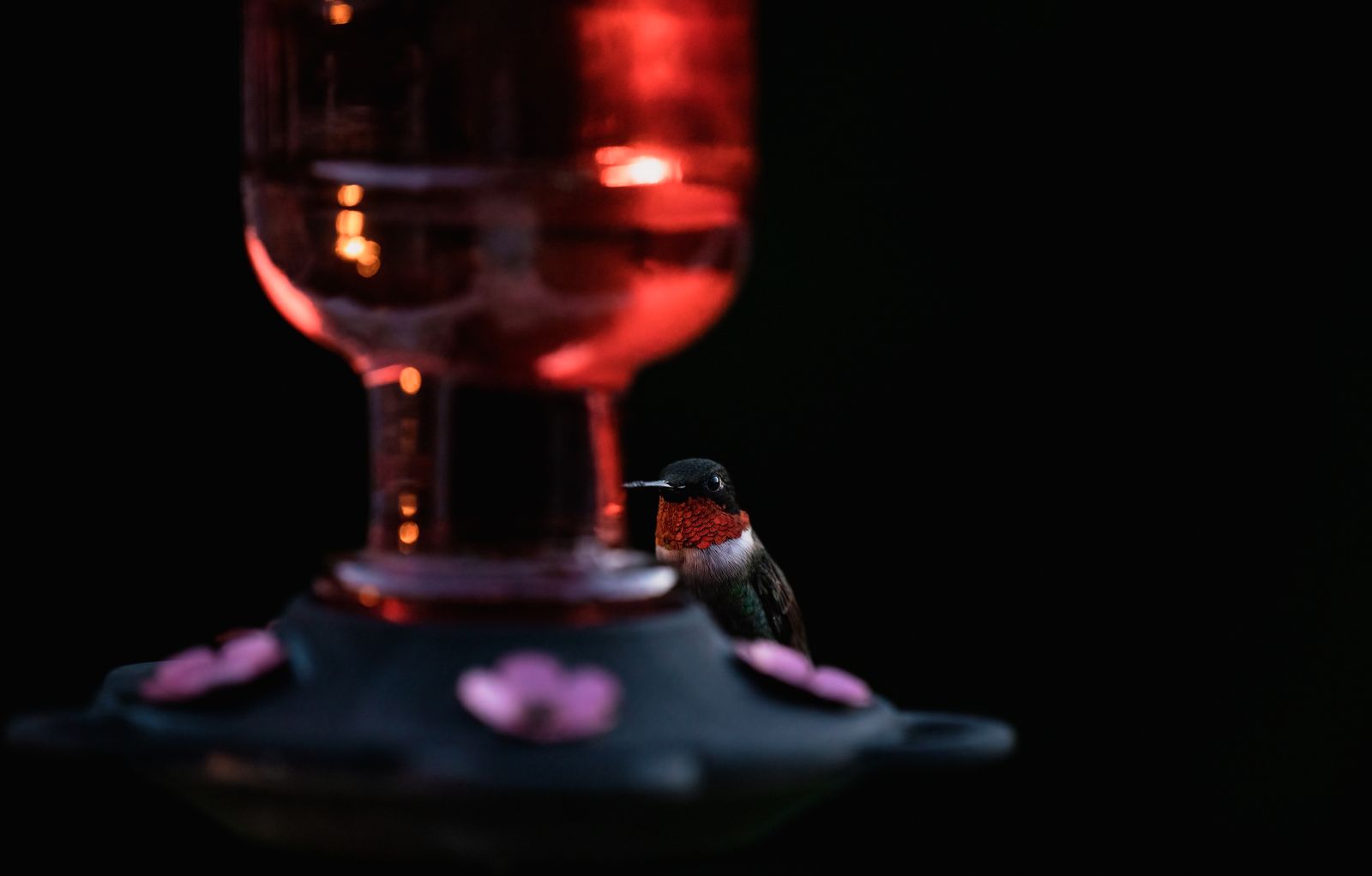
Hummingbird Nectar in Hot Weather: Summer Freshness & Solar Placement
Above 80°F, hummingbird nectar ferments in as little as 24 to 48 hours. Replace sugar water every 48 hours between 80–88°F, and every 24 hours once temperatures exceed 90°F. Hang solar glass feeders where they catch 4 hours of morning sun for full RGB solar charging, while securing 100% afternoon shade to prevent liquid nectar from boiling.
Essential Summer Nectar Safety Rules
Keep these 5 critical numbers in mind throughout the summer heatwave season:
- 100°F Spoilage Limit: At 90–100°F+, ambient temperatures turn unshaded sugar water into toxic alcohol and fungal broth within 12 to 24 hours.
- 4:1 Exact Ratio: Maintain 4 parts distilled/boiled water to 1 part pure white cane sugar. Never dilute to 5:1 or 6:1 in heat; hummingbirds depend on this precise caloric concentration.
- 4 Hours of Direct Morning Light: Solar caps require 4 to 6 hours of early sunlight to power 8 hours of illuminated night display without exposing nectar to scorching afternoon heat.
- 32 fl. oz. Partial Fills: During July and August, fill 32 fl. oz. glass reservoirs only 1/3 full (10–12 oz) to minimize discarded nectar during daily changes.
- 0 Degrees Heat from LEDs: Modern solar-powered LED caps radiate zero ambient thermals into the reservoir, keeping night display completely heat-safe.
Fermentation Timeline: How Fast Does Nectar Spoil?
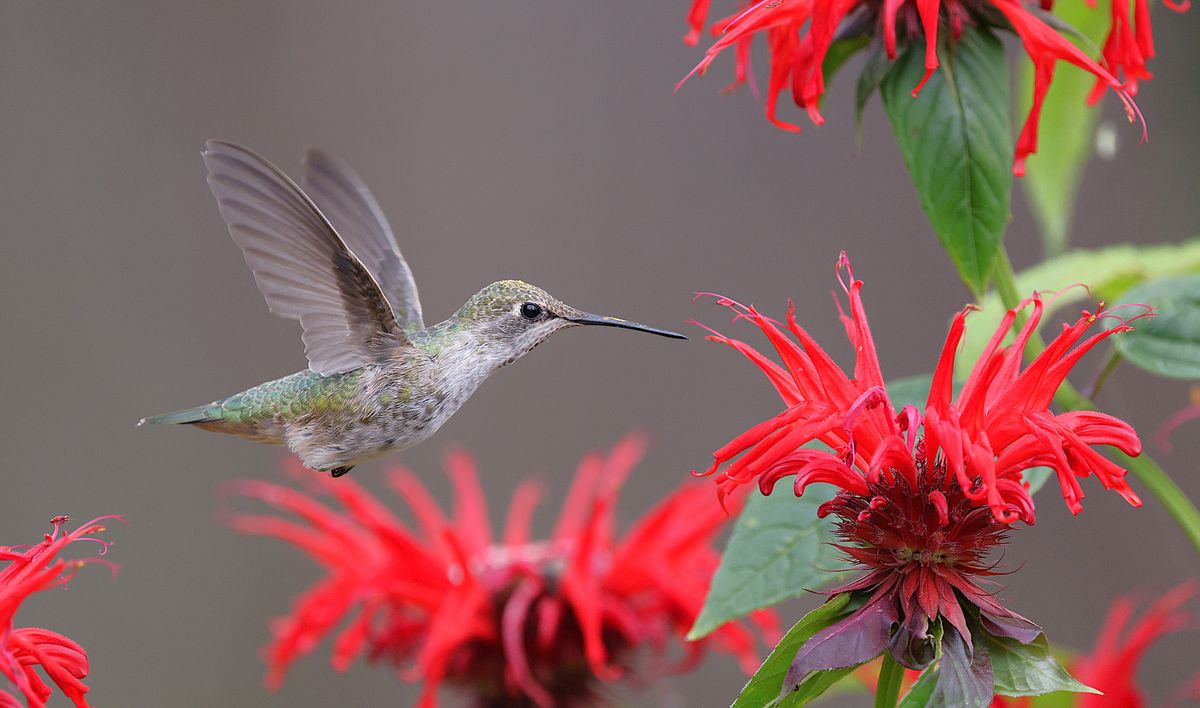
Photo by Veronika Andrews on Pexels
- Hours 0–12 (75°F–95°F) — Freshly prepared 4:1 white sugar solution remains sterile. Natural wild yeasts introduced by hummingbird beaks begin micro-colonization.
- Hours 12–24 (88°F–100°F) — Rapid yeast replication occurs. Sugar begins breaking down into ethanol. Water starts turning faintly hazy; subtle pressure buildup begins in sealed reservoirs.
- Hours 24–48 (80°F–88°F) — Visible cloudiness and micro-bubbles emerge. Acetic bacteria convert alcohol into vinegar. Nectar develops a sour odor that repels hummingbirds.
- Hours 48–72 (70°F–79°F) — Black mold spores (Cladosporium) settle inside narrow port openings and feeding flowers. Fermentation reaches levels capable of impairing bird motor control.
- 72+ Hours (All Temperatures) — Bacterial slimes form thick biofilms along reservoir interiors. Feeders must undergo full vinegar disassembly and deep scrubbing.
Temperature-Based Nectar Replacement Schedule
Use this side-by-side temperature guide to align your cleaning and refilling frequency with local heat index forecasts.
Solar Feeder Placement: Balancing Afternoon Shade & Solar Charging
The single biggest dilemma owners of solar glass feeders face is capturing enough sunlight to charge the night lighting system without boiling the nectar during peak 2:00 PM summer heat.
To solve this, place your feeder under the Eastern Drip Line of a deciduous shade tree or porch canopy. In this micro-zone, the feeder receives direct solar exposure from 7:00 AM until 11:30 AM—delivering the 4+ hours of solar radiation required to power the automatic RGB night display for 8 hours. By 12:00 PM, as the sun crosses the meridian, the overhead foliage casts 100% deep shade over the handcrafted glass reservoir, protecting the fluid temperature when ambient heat crests 90°F.
Looking to elevate your garden with handcrafted art? The LUJII Solar-Powered Hummingbird Feeder combines thick 2,300°F hand-blown glass with integrated solar caps and leak-proof metal bases to keep nectar protected and vibrant day and night.
Summer Feeder Troubleshooting: Mold, Heat, and Insects
| Observed Symptom | Thermal / Heat Cause | Immediate Corrective Action |
| --- | --- | --- |
| Cloudy or milky nectar liquid | Rapid yeast growth driven by direct sunlight exposure above 85°F | Dump nectar immediately; sanitize glass reservoir with 1:4 vinegar solution. |
| Black specks or film on feeding ports | Fungal mold spore accumulation caused by uncleaned sugar residue in heat | Scrub ports using specialized micro-port brushes and hot water; increase cleaning frequency. |
| Base dripping or leaking from ports | Thermal expansion pushing air and liquid out of sealed base during mid-day heat | Move feeder to total shade; ensure base gasket is firmly tightened; leave 1 inch air gap at top. |
| Bees or wasps swarming perches | Sugar syrup droplets expanding onto outer metal base surfaces | Wipe outer surfaces clean daily; install built-in ant moats filled with plain water. |
Diagnose and resolve common mid-summer feeding issues before they impact wild hummingbird populations.
Peak Summer Care Calendar: July Through September
| Month | Temperature Trajectory | Hummingbird Behavior | Feeder Care Focus |
| --- | --- | --- | --- |
| July (Peak Heat) | Sustained 85°F – 100°F+ | Nesting mothers & fledglings demand continuous high-calorie feeding. | Enforce strict 24-to-48 hour nectar replacement; partial 10 oz fills. |
| August (Mid/Late Summer) | High humidity & extreme solar UV | Hyperphagia begins; birds bulk up weight for upcoming southern migration. | Deploy secondary feeders spaced 10 feet apart; sanitize solar top panels daily. |
| September (Early Autumn) | Cooling nights (55°F), warm days (75°F) | Migrating transients pass through backyards needing quick energy stops. | Transition back to 3-to-5 day cleaning cycles; keep feeders up 2 weeks past last sighting. |
Track how changing summer temperatures and migration patterns dictate feeder management through the hottest months of the year.
Heat-Resistant & Easy-Clean Solar Glass Feeders
When selecting a feeder for severe summer conditions, thermal insulation, non-reactive materials, and ease of cleaning are non-negotiable.
Regional Microclimate Adjustments for US Birders
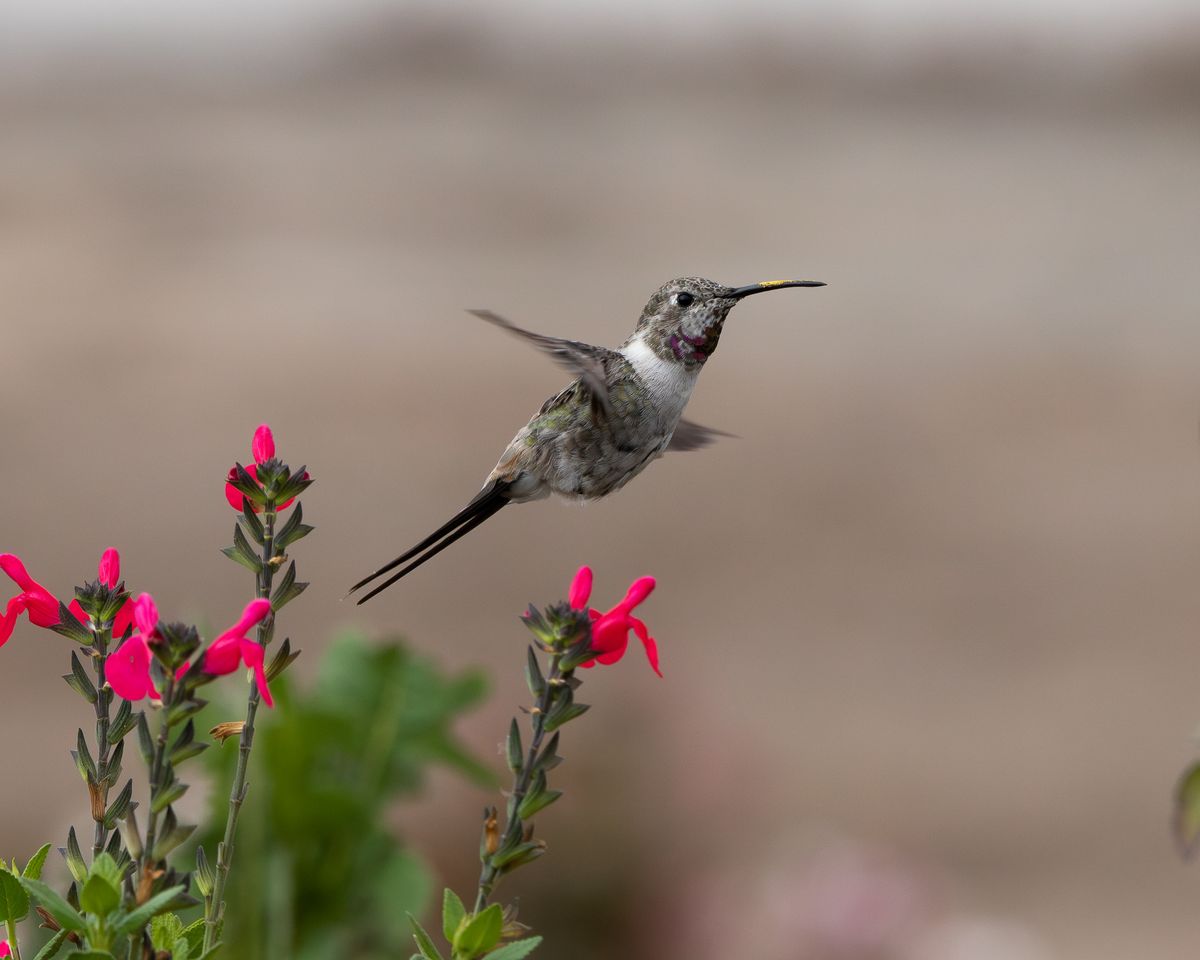
Photo by Carlos Corco on Pexels
Summer weather dynamics vary dramatically across regions in the United States. Adjust your feeder maintenance routine based on your geographic climate zone:
Daily & Weekly Summer Feeder Sanitation Checklist
- [ ] Inspect glass reservoir clarity: Is nectar 100% crystal clear without cloudiness or floaters?
- [ ] Check feeding ports for black mold specks or white yeast film buildup.
- [ ] Verify today's local weather forecast heat index to determine 24-hour vs 48-hour dump time.
- [ ] Wipe dust and pollen off the top solar panel using a soft damp microfiber cloth.
- [ ] Check the metal base seal to confirm high midday heat hasn't caused pressure leaks.
Frequently Asked Questions About Hot-Weather Feeding
Get clear, scientific answers to common questions about managing sugar water and solar feeders in mid-summer heat.
Continue Your Hummingbird Care Journey
Explore additional guides to optimize your backyard hummingbird habitat throughout every season:
- DIY 4:1 Nectar Recipe Guide: Step-by-step instructions for boiling, cooling, and storing pure white cane sugar solution safely.
- Hot Weather Nectar Ratios: In-depth science on why altering sugar concentrations during heatwaves harms wild birds.
- Twilight Nectar Care FAQ: Everything you need to know about nighttime solar lighting, nocturnal insect behavior, and feeder illumination safety.
Your Action Plan for Safe Summer Feeding
Your decision: Transition your summer feeder maintenance to a temperature-indexed schedule and adjust solar feeder positioning.
Do this next: Check your local weather forecast, move your glass solar feeder to receive east-only morning sunlight, and switch to partial nectar fills.
Related resource: Download our printable Summer Feeder Care Schedule for quick fridge reference.Check out LUJII Hand-Blown Glass Solar Hummingbird Feeders featuring 32 oz capacity and easy-disassembly metal bases for seamless daily summer rinsing.
Ready to protect your resident hummingbirds while enjoying a gorgeous garden display? Take these three immediate steps today.