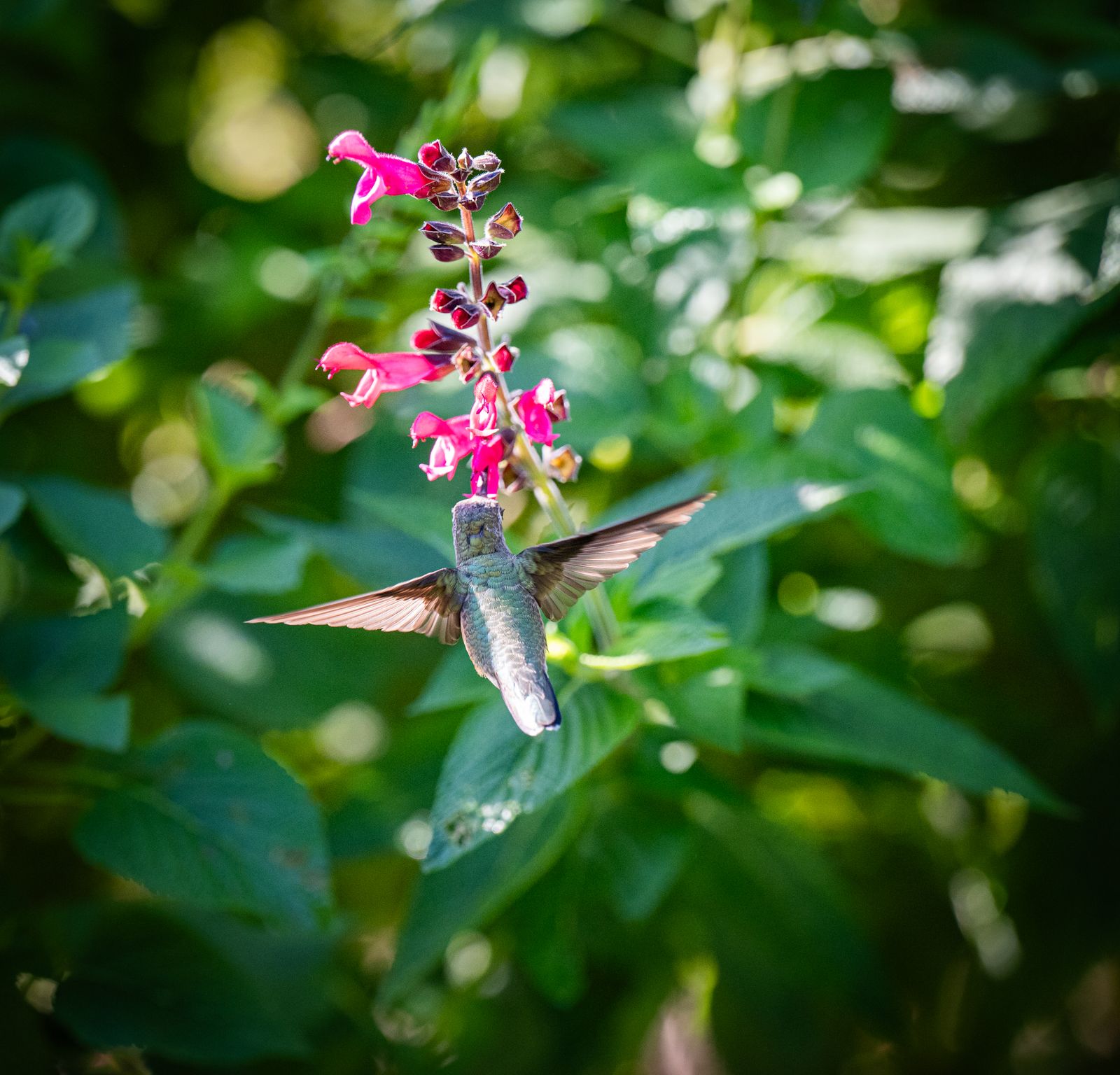
Spring Garden Light Decor: Solar Glass Accents & Placement
Position hand-blown solar glass decor at a 45-degree south-facing angle to capture 6 to 8 hours of direct spring sunlight. This 45-degree orientation guarantees 100% solar battery recharge for up to 8 hours of automatic RGB dusk lighting while maximizing daytime light refraction through bare early-season tree branches.
Essential Spring Light Decor Takeaways
- 45-Degree Solar Angle: Align top solar panels south to collect 6 to 8 hours of unshaded spring sunlight.
- 2,300°F Hand-Blown Glass: Translucent artisan glass refracts morning and late-afternoon sunlight into colorful garden focal points before canopy leaves emerge.
- 8-Hour Dusk Illumination: Automatic twilight sensors activate multi-mode RGB lighting across garden beds.
- 10–12 Foot Safety Buffer: Hang feeders near natural shrubbery to protect visiting hummingbirds while retaining full sunlight exposure.
- 32 fl. oz Capacity: Slender leak-proof glass reservoirs minimize refill frequency during active spring migration waves.
Spring Sunlight Trajectory & Placement Timeline
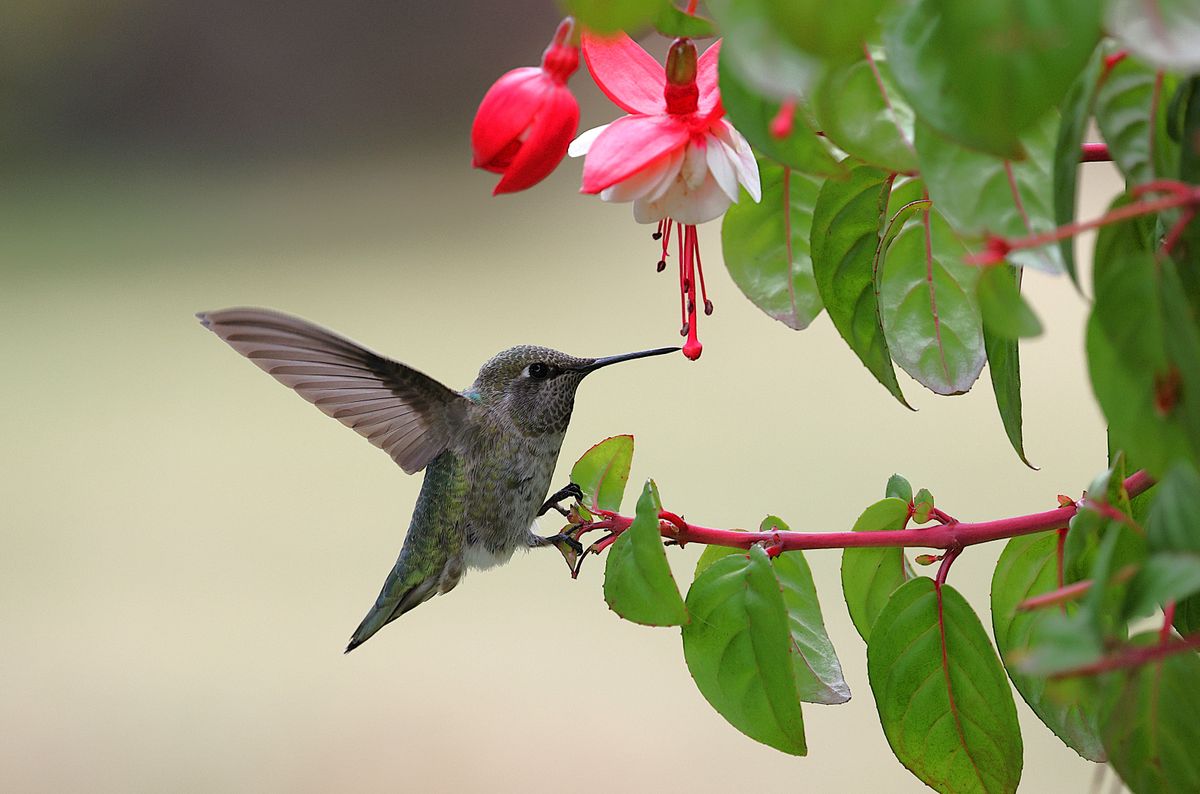
Photo by Veronika Andrews on Pexels
- March (Early Spring Thaw) — Hang hand-blown glass decor on south-facing shepherd hooks 12 feet clear of bare deciduous tree limbs to capture low 15° to 30° solar angles.
- April (Mid-Spring Leaf-Out) — Shift hooks 2 to 3 feet outward from expanding leaf boundaries to maintain a minimum of 6 hours of unshaded direct solar exposure daily.
- May (Late Spring Full Bloom) — Elevate hanging fixtures to 5–6 feet off the ground and orient solar caps toward the 45° to 60° midday sun zenith to clear dense canopy shadows.
Early Spring vs. Late Spring Decor Styling & Solar Performance
| Parameter | Early Spring (March–April) | Late Spring (May–June) |
| --- | --- | --- |
| Sun Angle (Elevation) | 15° to 35° Low Solar Horizon | 55° to 70° High Solar Horizon |
| Average Canopy Shading | 0% to 15% Bare Branches | 40% to 75% Full Leaf Density |
| Unshaded Sun Requirement | 6 Hours Direct Sun Needed | 7–8 Hours Adjusted Sun Needed |
| Glass Light Refraction | High Prism Dispersion Across Yard | Focused Spot Illuminations |
| Nighttime LED Runtime | 6 to 8 Hours RGB Output | 8 Hours Full Capacity RGB Output |
Evaluating environmental shifts between early thaw and late spring ensures your handcrafted glass accents continue to perform at peak visual and solar efficiency.
Spring Outdoor Glass Care & Maintenance Schedule
- Weekly (Pollen & Dust Clearing) — Wipe top solar collector caps with a damp microfiber cloth to remove tree pollen and prevent solar efficiency drops of up to 30%.
- Bi-Weekly (Nectar & Base Inspection) — Rinse the 32 fl. oz hand-blown glass reservoir with warm water and inspect the anti-rust metal base threads for a secure, leak-proof seal.
- Monthly (Hardware & Sensor Audit) — Inspect steel shepherd hooks for ground tilt, test the automatic dusk RGB light sensor, and wipe down external glass patterns.
Pro Tip: Positioning Glass Accents Relative to Bird Flight Paths
Always maintain a strict 10-to-15-foot buffer between translucent glass feeders and dense protective foliage like lilacs or evergreens. Early spring migratory hummingbirds rely on immediate cover to escape sudden cold winds and predatory hawks. By placing your hand-blown glass feeder south of this shelter zone, you provide visiting birds with a safe sanctuary while ensuring the top solar cap captures 6+ hours of uninterrupted sunlight for up to 8 hours of evening RGB illumination.
Spring-to-Summer Garden Accent Transition Calendar
| Month | Sun & Canopy Adjustment | Glass Refraction Target | Nectar & Solar Care |
| --- | --- | --- | --- |
| March | Mount on south-facing poles clear of house eaves. | Refract 10 AM morning sun through bare branches. | Inspect anti-rust metal base; clear solar panel twice monthly. |
| April | Shift 3 feet outward as tree buds swell. | Capture 4 PM golden hour light across flowerbeds. | Refill 32 fl. oz reservoir every 3–4 days during migration. |
| May | Relocate to open garden perimeter hooks. | Project vibrant RGB streams onto patio areas at dusk. | Wash handcrafted glass weekly; verify dusk sensor operation. |
Follow this monthly operational guide to synchronize natural sunlight refraction with hummingbird feeding schedules.
Featured Craftsmanship: LUJII Hand-Blown Solar Glass Hummingbird Feeder
Transform your outdoor sanctuary with the LUJII Solar-Powered Hummingbird Feeder. Individually handcrafted by glass artisans at 2,300°F, each 32 fl. oz translucent reservoir features unique artistic patterns that catch and refract daytime sunlight. At twilight, the integrated weather-resistant solar cap automatically illuminates your lawn with customizable multi-mode RGB lighting for up to 8 hours. Featuring an anti-rust metal base, sealed leak-proof design, and see-through glass reservoir, it delivers an ideal blend of artisanal garden decor and functional bird watching.
Bring Hand-Blown Glass Art & Solar Light to Your Garden — Shop LUJII Today!
Regional Spring Climate Adaptations & Wind Protection
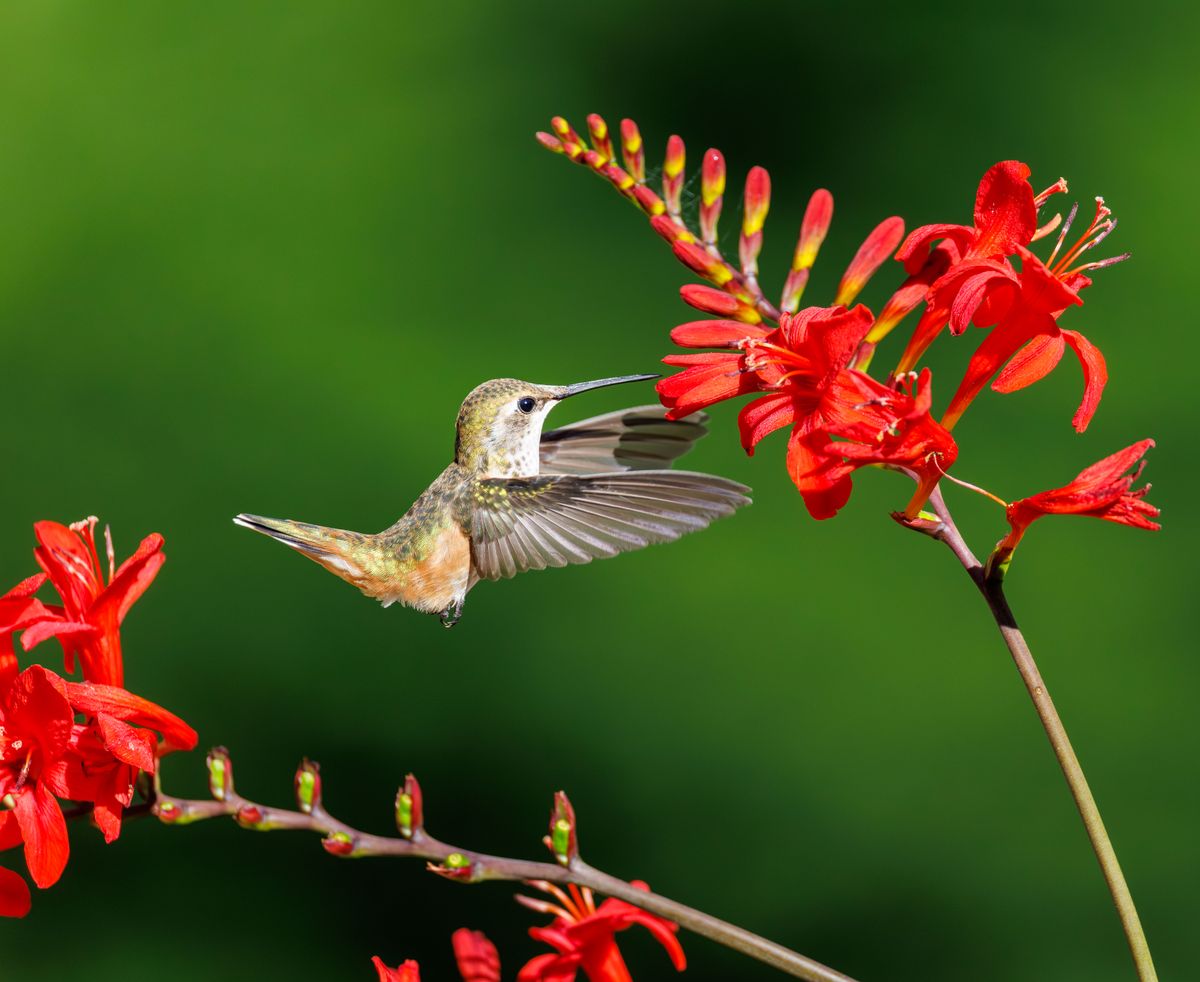
Photo by Veronika Andrews on Pexels
Spring atmospheric shifts across North America require targeted installation adjustments to safeguard artisanal glass and optimize solar energy harvest:
- High-Wind Regions (Great Plains & Coastal Slopes): Secure shepherd poles using 4-prong heavy-duty step bases. Verify the anti-rust metal base is tightly threaded into the glass reservoir to eliminate sway friction during 30+ mph wind gusts.
- Late-Frost Zones (Northern US & Mountain Elevations): The plastic solar cap shields internal electronics against rain and snow. However, when overnight temperatures drop below 28°F, bring nectar reservoirs indoors to prevent slush formation and protect liquid expansion points.
- High-Pollen Belts (Southern & Eastern US): Heavy pine and oak pollen coatings can reduce solar cell efficiency by 25% to 30%. Rinse solar caps twice weekly with clean water to preserve maximum 8-hour RGB runtime.
Spring Garden Light Decor Placement Checklist
- [ ] Identify a south-facing garden location receiving at least 6 hours of unshaded sunlight daily.
- [ ] Position shepherd hooks 10 to 12 feet away from thick trees or bushes for bird safety.
- [ ] Ensure the 32 fl. oz hand-blown glass reservoir is securely threaded to its anti-rust metal base.
- [ ] Wipe top solar collector caps clear of dust and pollen using a damp microfiber cloth.
- [ ] Switch on the internal solar power button and confirm automatic RGB LED lighting at dusk.
- [ ] Monitor nectar levels through the translucent glass to maintain fresh food for migrating birds.
Frequently Asked Questions About Spring Solar Glass Decor
Find answers to common questions about positioning, protecting, and maintaining solar glass garden decor.
Styling Your Outdoor Oasis: Actionable Next Steps
Your decision: Determine whether your spring garden needs immediate color amplification using sunlight-refracting glass decor.
Do this next: Audit your yard's south-facing locations to identify 6-hour direct sun spots before tree canopies fully leaf out.
- Read next: Hand-Blown Glass vs. Plastic Feeders: Which Creates Better Backyard Light & Color?
LUJII Hand-Blown Solar Hummingbird Feeder (32 fl. oz, Leak-Proof, Metal Base)
Follow these steps to upgrade your garden with solar glass decor this spring.
Further Reading on Backyard Craftsmanship & Lighting
Supply curated internal educational resources.
Cover photo by Chris F on Pexels.